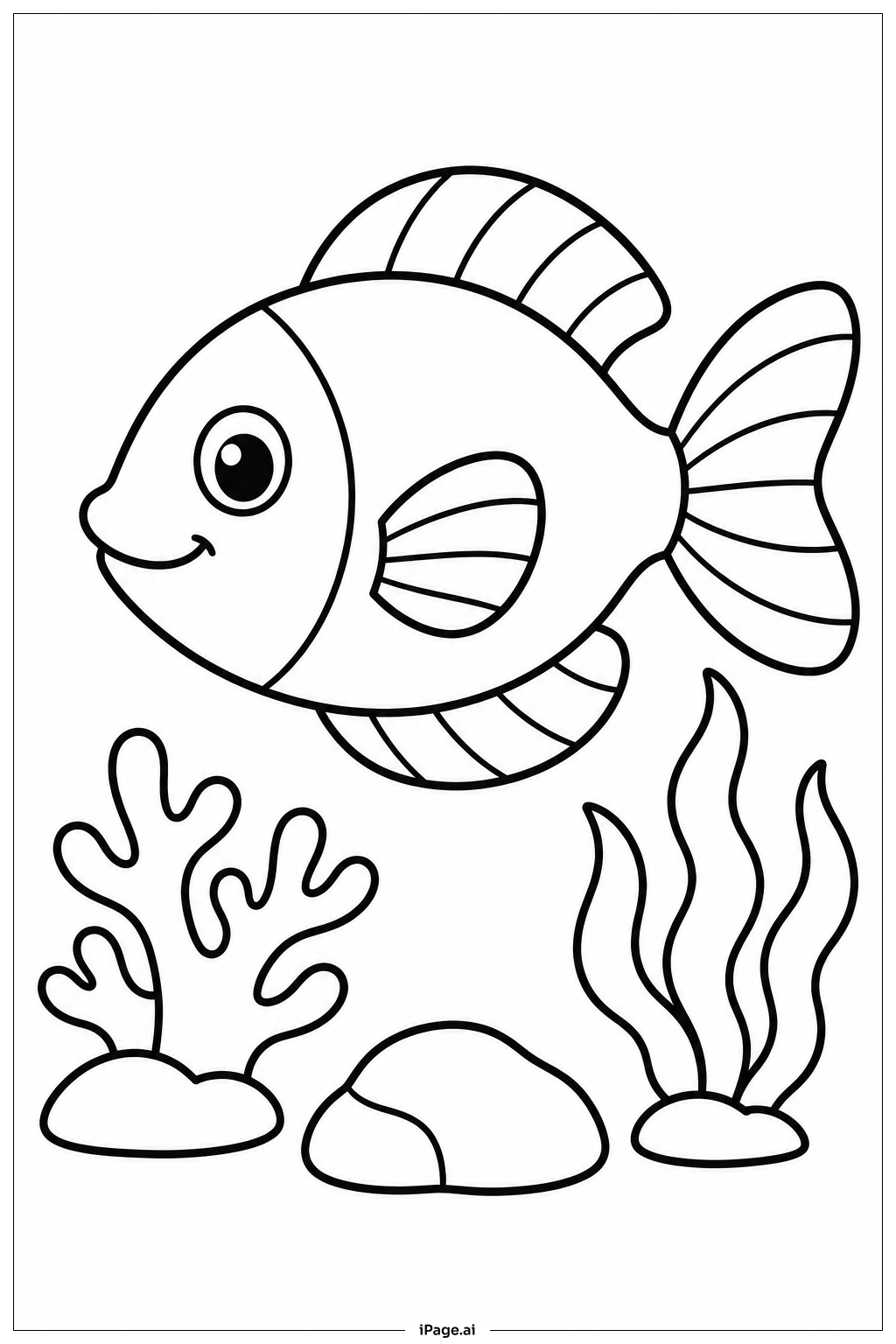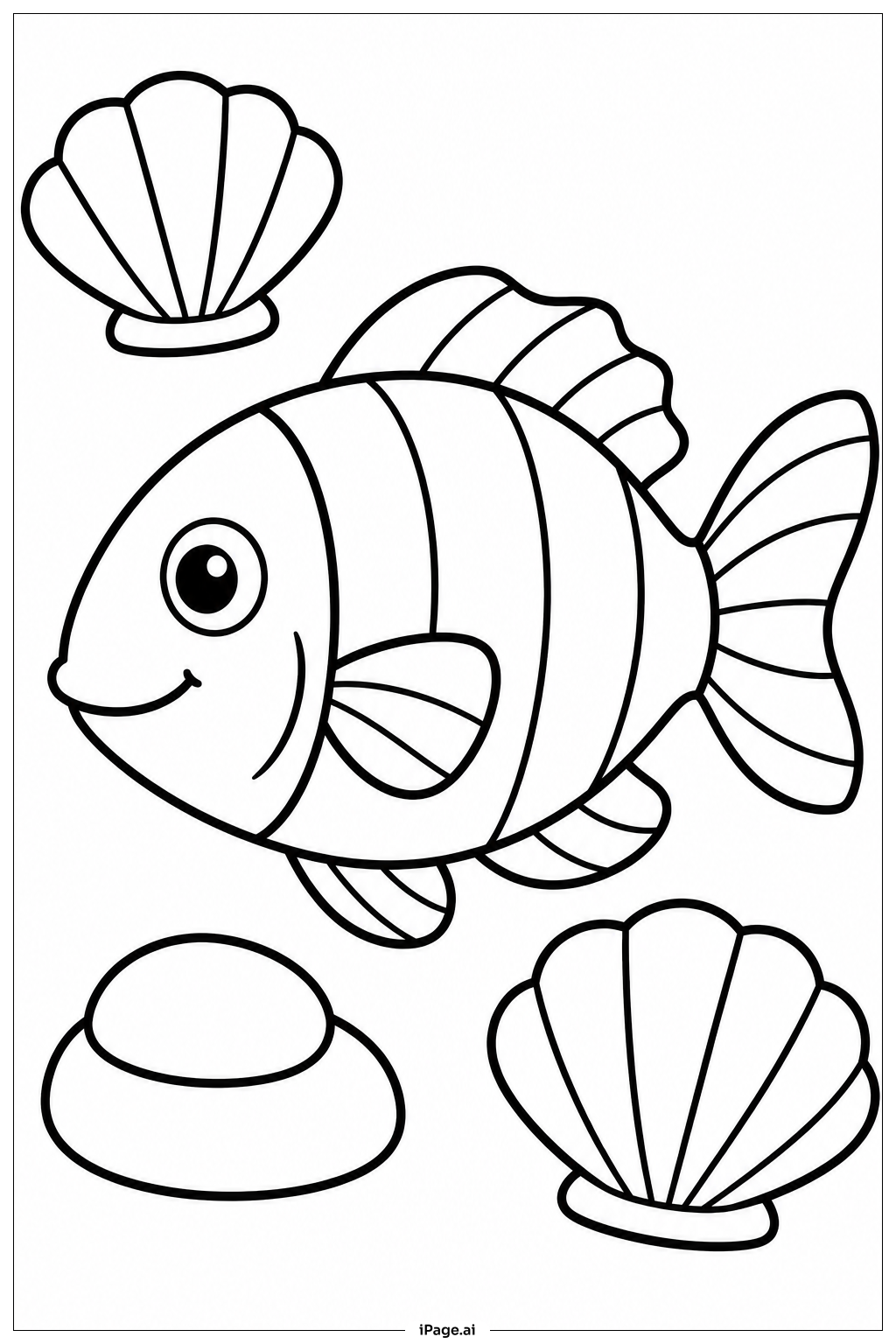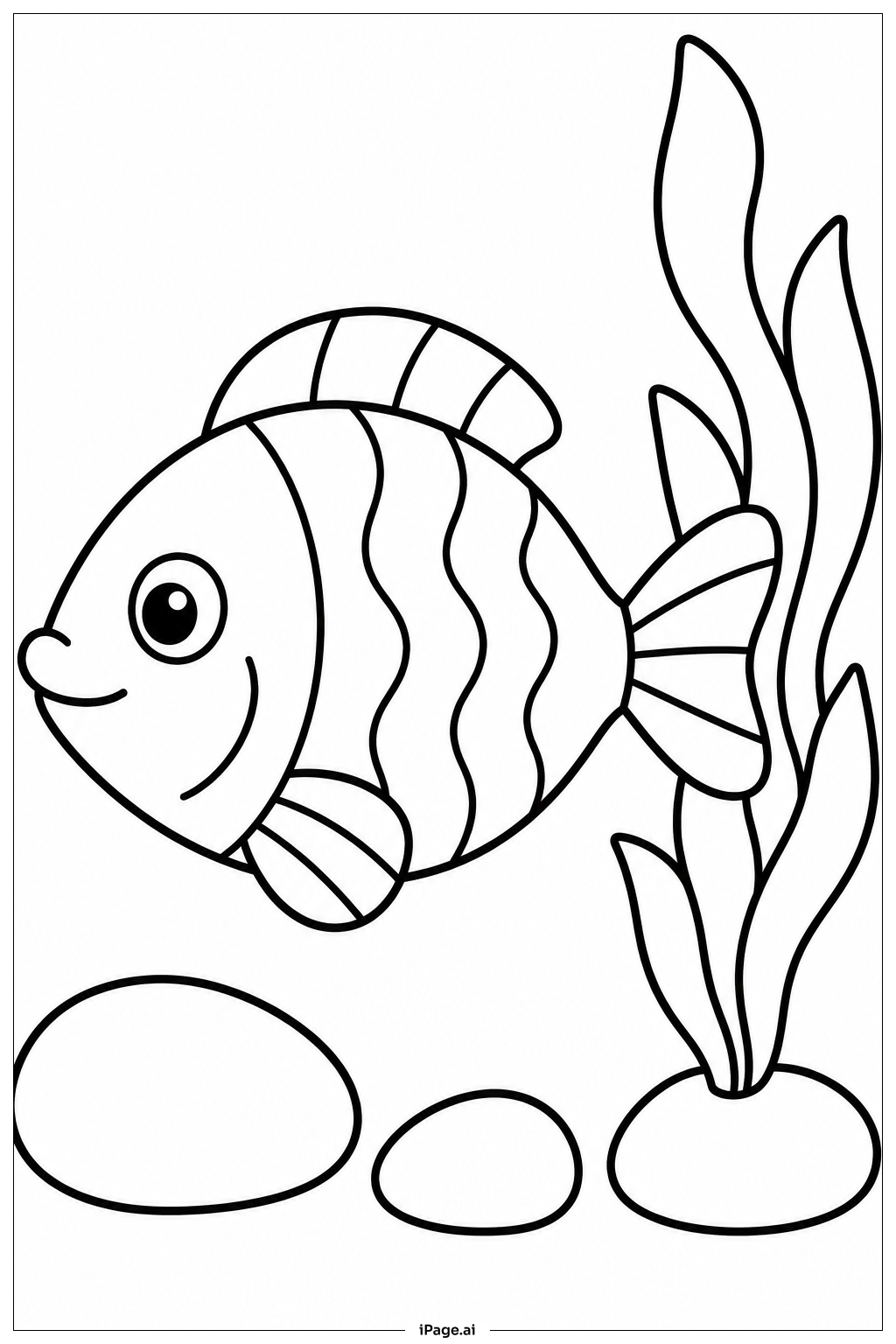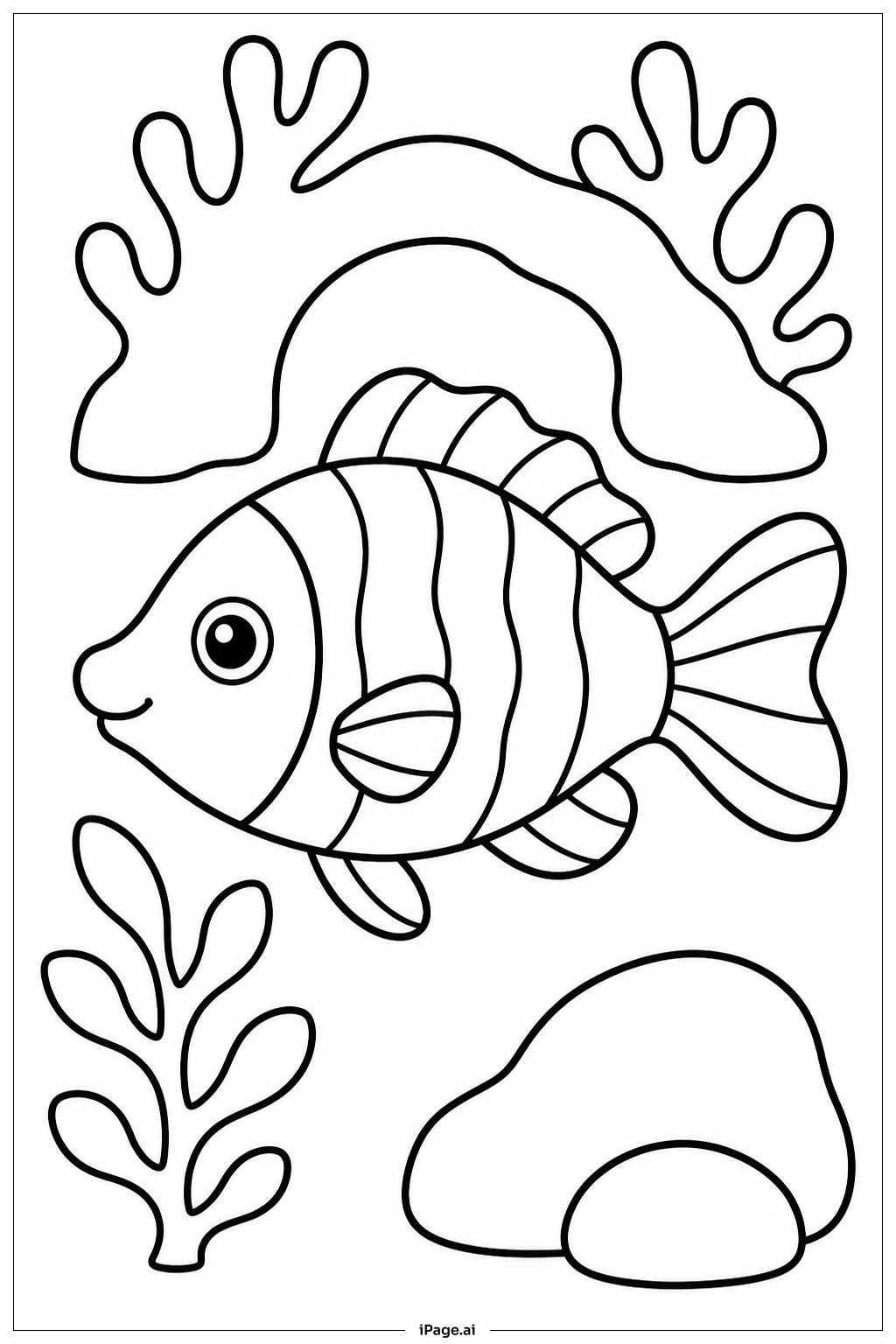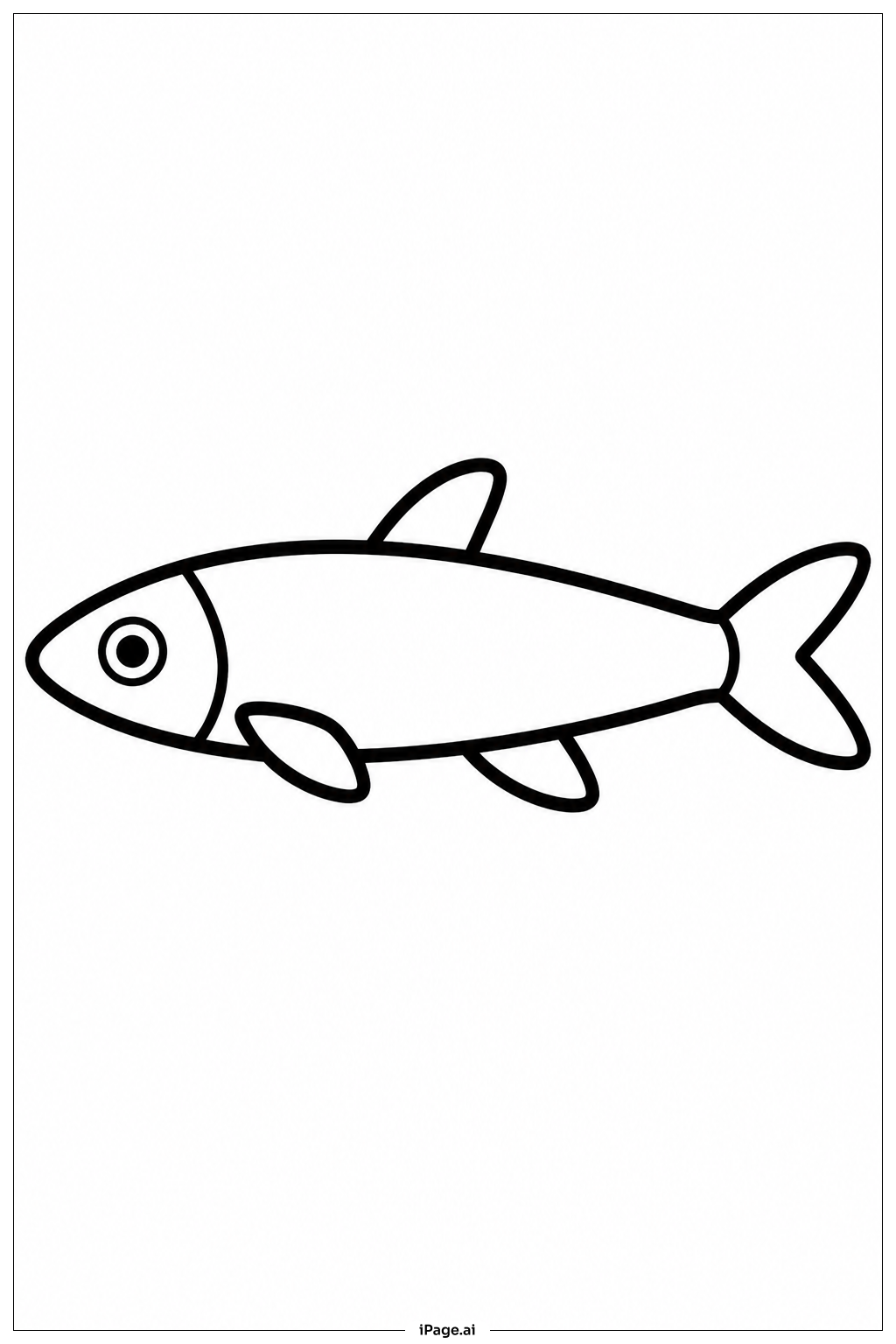
Coloring tips: How to color Long Fish coloring page well?
Start with the body of the fish. You can use a bright blue or green for a classic ocean look, or go bold with orange and yellow for a tropical feel. Try coloring the scales one by one, using two shades of the same color to make them look real and shiny. Use a lighter shade near the belly and a darker shade along the back to show depth. Color the fins with a slightly lighter or more transparent tone, like pale blue or soft purple. The eye can be colored black with a tiny white dot left uncolored to make it look bright and alive. For the background, light blue or aqua works great to suggest water. Add some darker blue streaks to show movement. Small bubbles can be left white or colored very lightly. Feel free to use any colors you love — even a rainbow fish looks amazing!
Coloring challenges: Which parts are difficult to color and need attention for Long Fish coloring page?
• Scale Pattern Consistency: The fish body is covered with many small, repeating scales arranged in rows. Coloring each scale neatly while keeping a consistent pattern across the entire body takes patience and a steady hand. If you switch colors between scales, it is easy to lose track of the pattern. Using a fine-tipped colored pencil or marker will help you stay within the small borders of each scale without smudging into neighboring ones.
• Creating a Sense of Depth: A long fish body naturally curves and has a rounded shape. Showing that roundness through shading is one of the trickier parts of this image. You need to apply lighter colors along the middle of the body where light would hit, and gradually go darker toward the edges. Without this gradual shading, the fish may look flat instead of three-dimensional.
• Coloring the Fins Delicately: The fins are thin and filled with fine lines that radiate outward from the base. These lines divide the fin into many tiny sections. Coloring inside each section without going over the lines requires careful control. Fins often look best with a semi-transparent effect, which means blending two very close shades very gently.
• Background and Subject Separation: The water background with bubbles and wave lines surrounds the fish closely. Keeping the fish colors clearly separate from the background colors is important so the fish stands out. Choosing contrasting colors for the fish and the water helps, but blending the edges too much can cause both elements to merge together and look muddy.
• Eye Detail: The eye is a small but very important focal point. Getting the right balance of dark pupil, colored iris, and a bright highlight dot in such a small space can be challenging, especially for younger colorists.
Benefits of coloring books: Advantages of drawing Long Fish coloring page
Coloring this Long Fish page offers a wonderful range of benefits for children and young learners. Working carefully on the small scale patterns builds fine motor skills and improves hand control, which also helps with handwriting and other detailed tasks. Choosing colors for the fish body, fins, and water background encourages creative thinking and gives kids the freedom to express their own artistic style. There are no wrong color choices here — every version of this fish can look beautiful and unique.
Focusing on staying inside the lines and maintaining a consistent scale pattern trains concentration and patience, both of which are valuable skills in school and everyday life. The calming, repetitive nature of coloring scales one by one also has a relaxing effect, helping reduce stress and anxiety.
Learning about fish anatomy — body shape, fins, scales, and eyes — through coloring makes science fun and memorable. Kids absorb knowledge naturally as they color each part. Completing the whole page also builds a sense of pride and accomplishment, boosting confidence and motivation to take on new creative challenges.