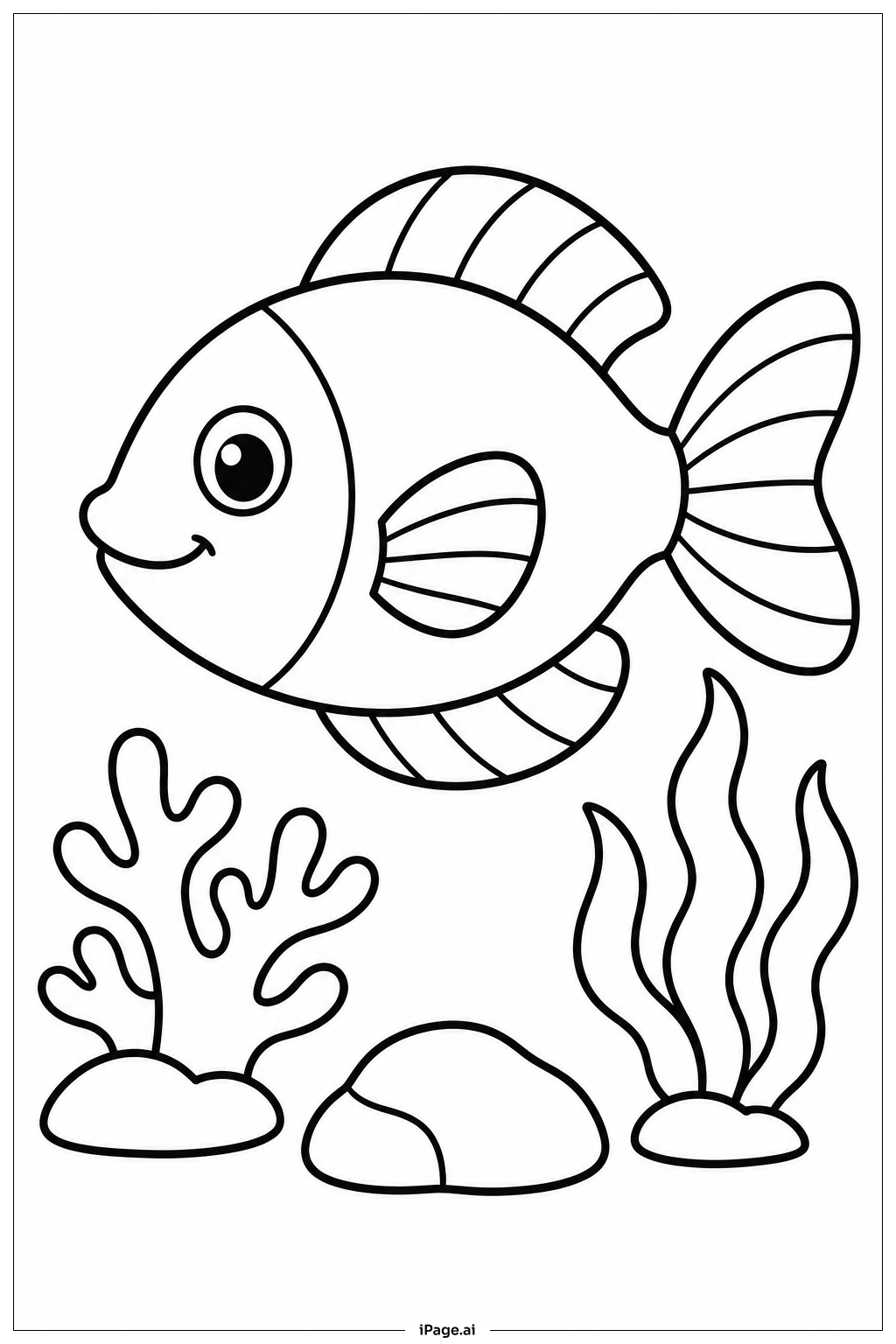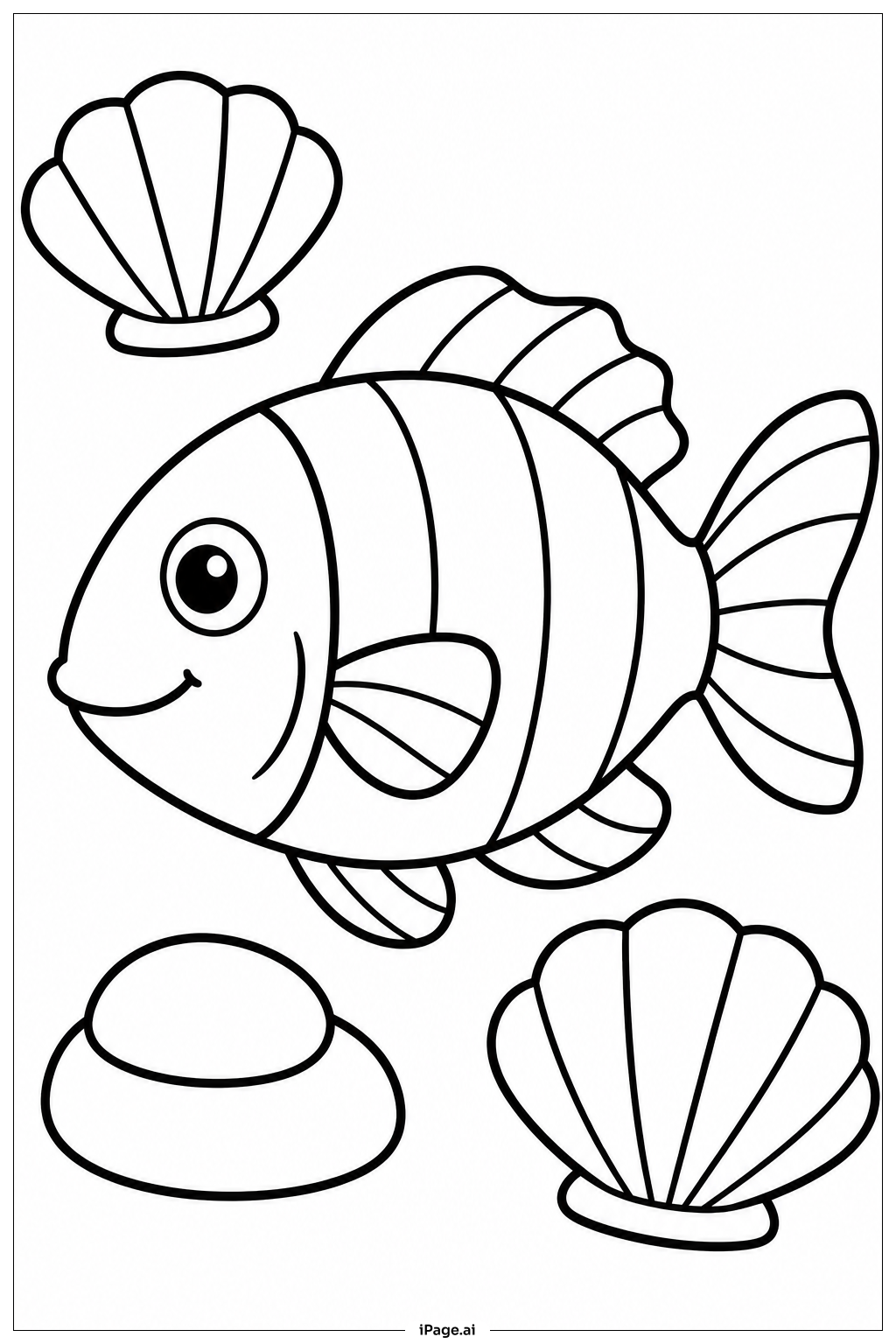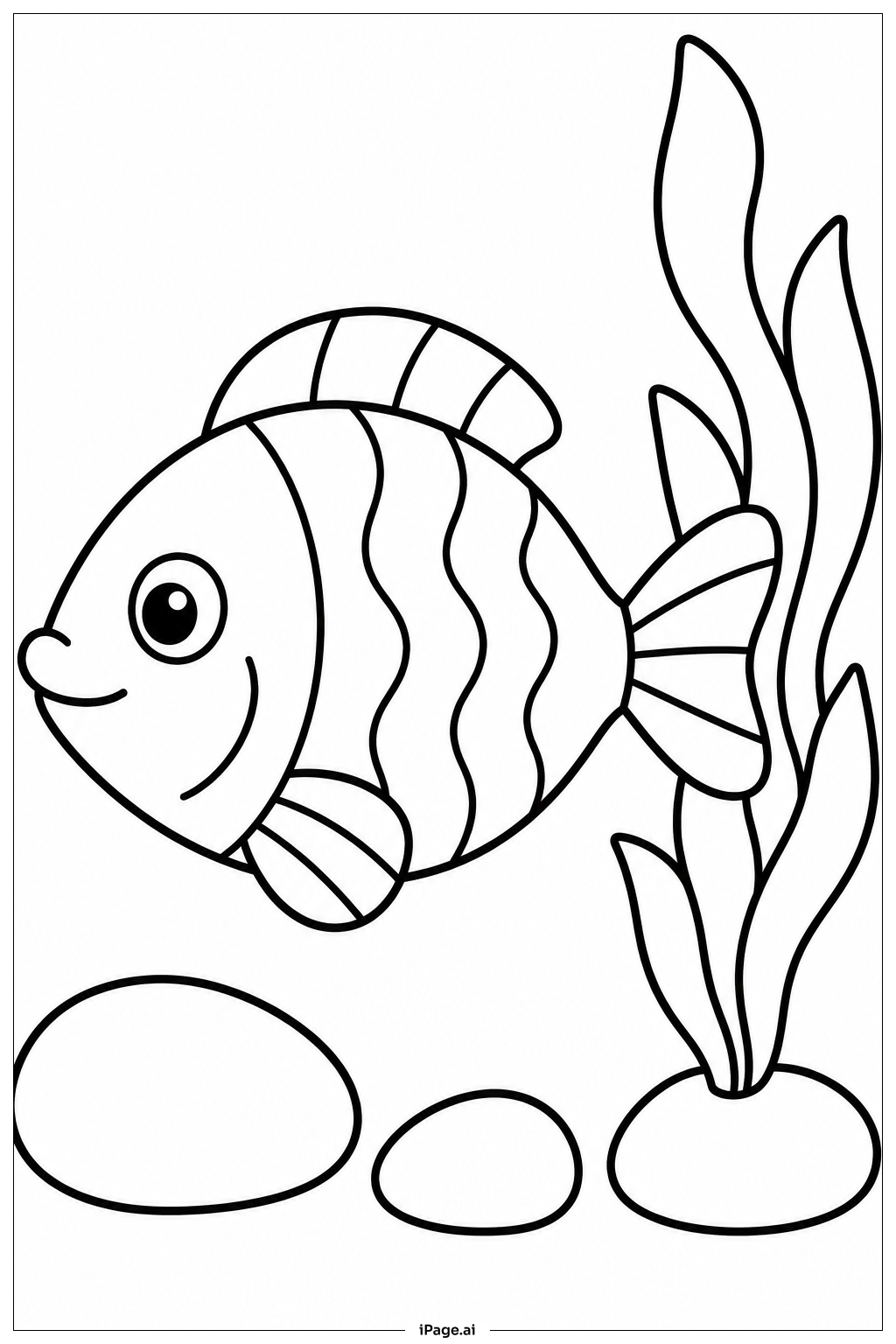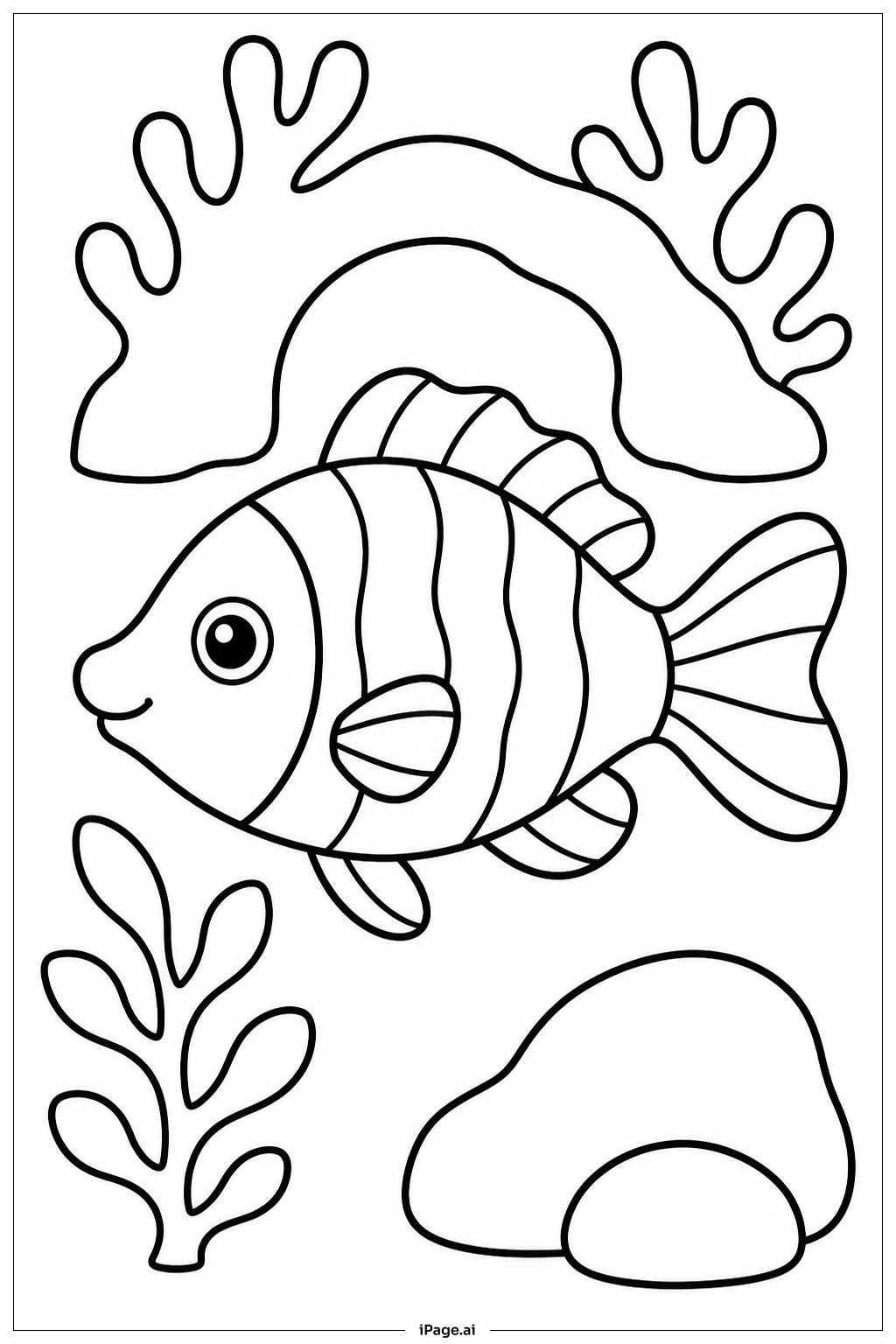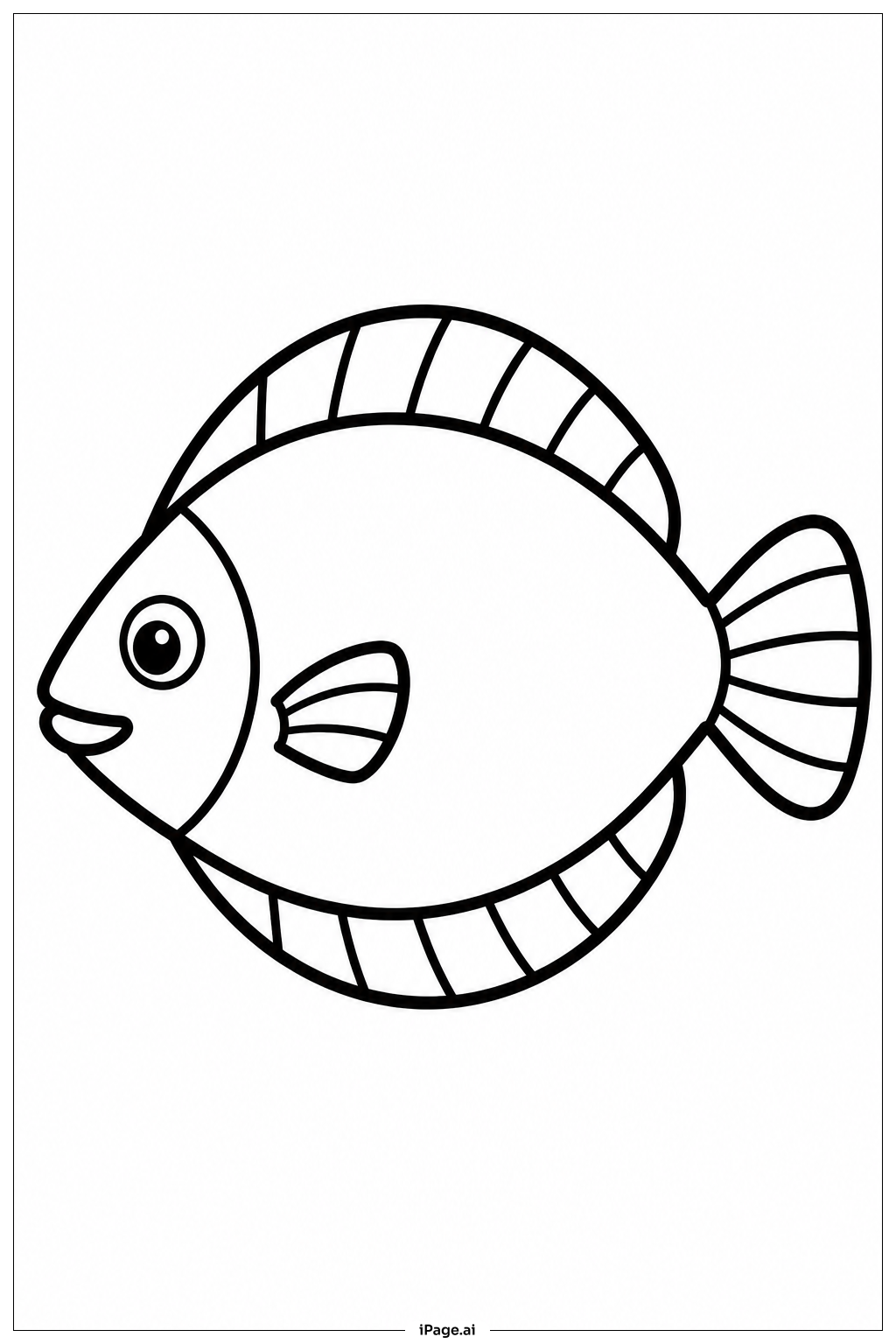
Coloring tips: How to color Flat Fish coloring page well?
Start with the body of the flat fish. You can use bright, fun colors like orange, yellow, or light blue. Real flat fish, like flounder or sole, are often brown or sandy to blend into the ocean floor, so earthy tones work great too. Use a darker shade of the same color along the edges of the fins to add depth. Color the eyes with a dark pupil and a bright iris to make them pop. For the scales, try using two similar shades and alternate them to create a patterned look. Color the bubbles light blue or leave them white for a clear water effect. The background water can be colored in soft shades of blue or teal. Don't worry about staying perfectly inside the lines — just have fun and be creative with your color choices!
Coloring challenges: Which parts are difficult to color and need attention for Flat Fish coloring page?
• Scale Pattern Consistency: The fish's body is covered in many small, repeating scale shapes. Coloring each scale neatly while keeping a consistent pattern takes patience and careful attention. Young colorists may find it tricky to stay within each tiny scale section without the colors bleeding into one another.
• Fin Details and Shading: The dorsal, pectoral, and tail fins have fine line details running through them. Adding shading or gradient colors to these thin sections requires a steady hand and a well-sharpened pencil or thin marker. Using too much color in one spot can make the delicate lines disappear.
• Creating a Sense of Depth: A flat fish has a wide, flat body, and showing that flatness on paper through color is a fun challenge. Using lighter colors in the center and gradually darkening toward the edges can help give the fish a three-dimensional look, but this blending technique can be difficult for beginners.
• Background Water Effect: Coloring the water around the fish so it looks natural without overpowering the fish itself is a balancing act. Choosing the right shade of blue or green and keeping the strokes smooth and even is harder than it looks, especially around the bubbles and fins.
• Eye Expression: The fish has large, expressive eyes that are a focal point of the image. Getting the eyes to look bright and lively — with a dark pupil, a colored iris, and a small white highlight — requires working in small spaces with precision and control.
Benefits of coloring books: Advantages of drawing Flat Fish coloring page
Coloring this flat fish page offers a wonderful range of benefits for children. First, it helps build fine motor skills. Carefully coloring the small scales, thin fins, and round bubbles trains the hand muscles and improves pencil control, which supports handwriting development. Second, it encourages creativity. Choosing colors for the fish and the ocean background lets kids express themselves freely and make the image their own. Third, it teaches focus and patience. Completing a detailed image like this helps children practice sitting with a task and seeing it through to the end. Fourth, it introduces kids to the natural world. Learning about flat fish like flounder or sole sparks curiosity about ocean life and marine biology. Fifth, coloring is a calming activity. The quiet, rhythmic motion of coloring helps reduce stress and anxiety, making it a great way for kids to relax after school. Overall, this fun and engaging coloring page is both educational and enjoyable for young artists of all skill levels.