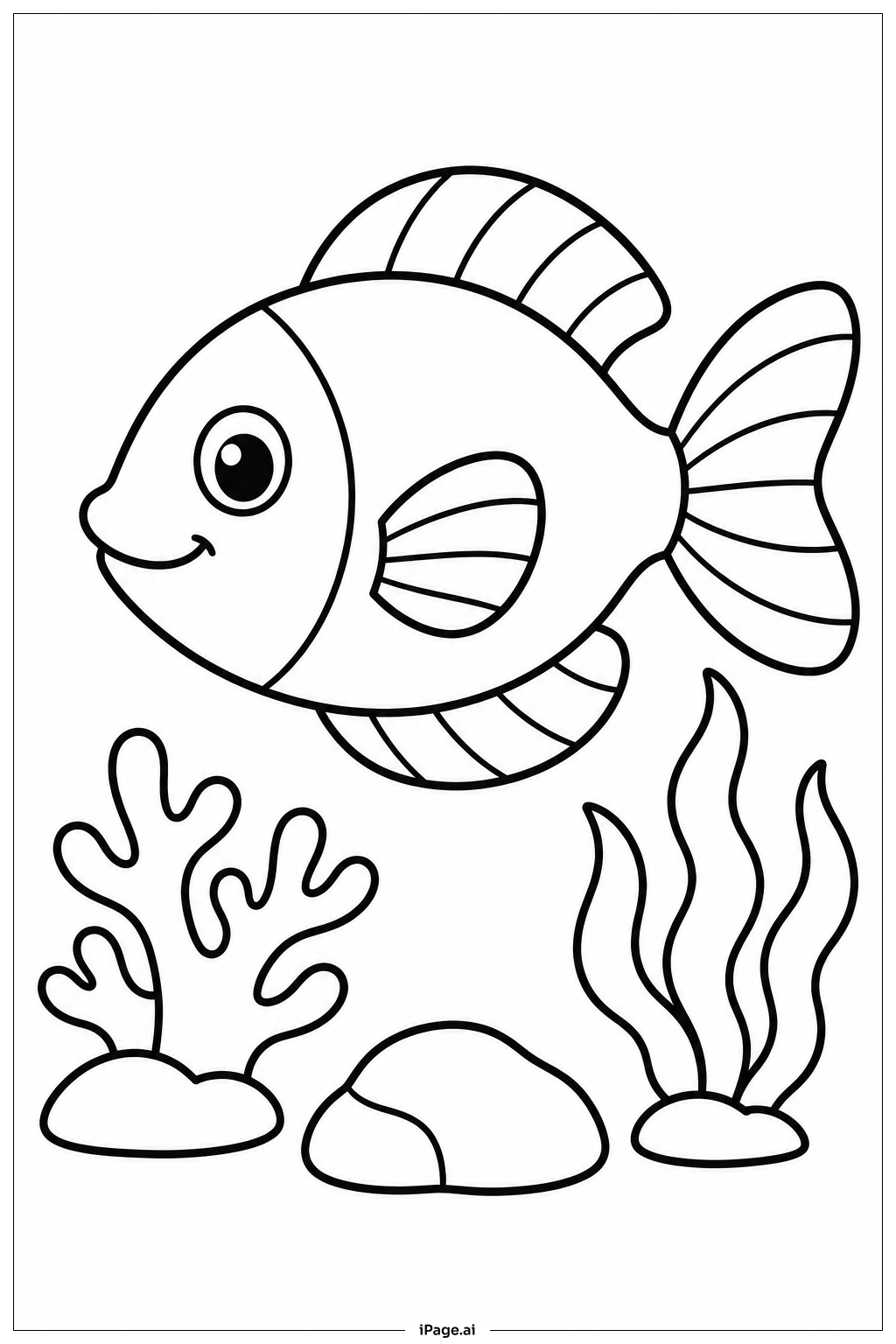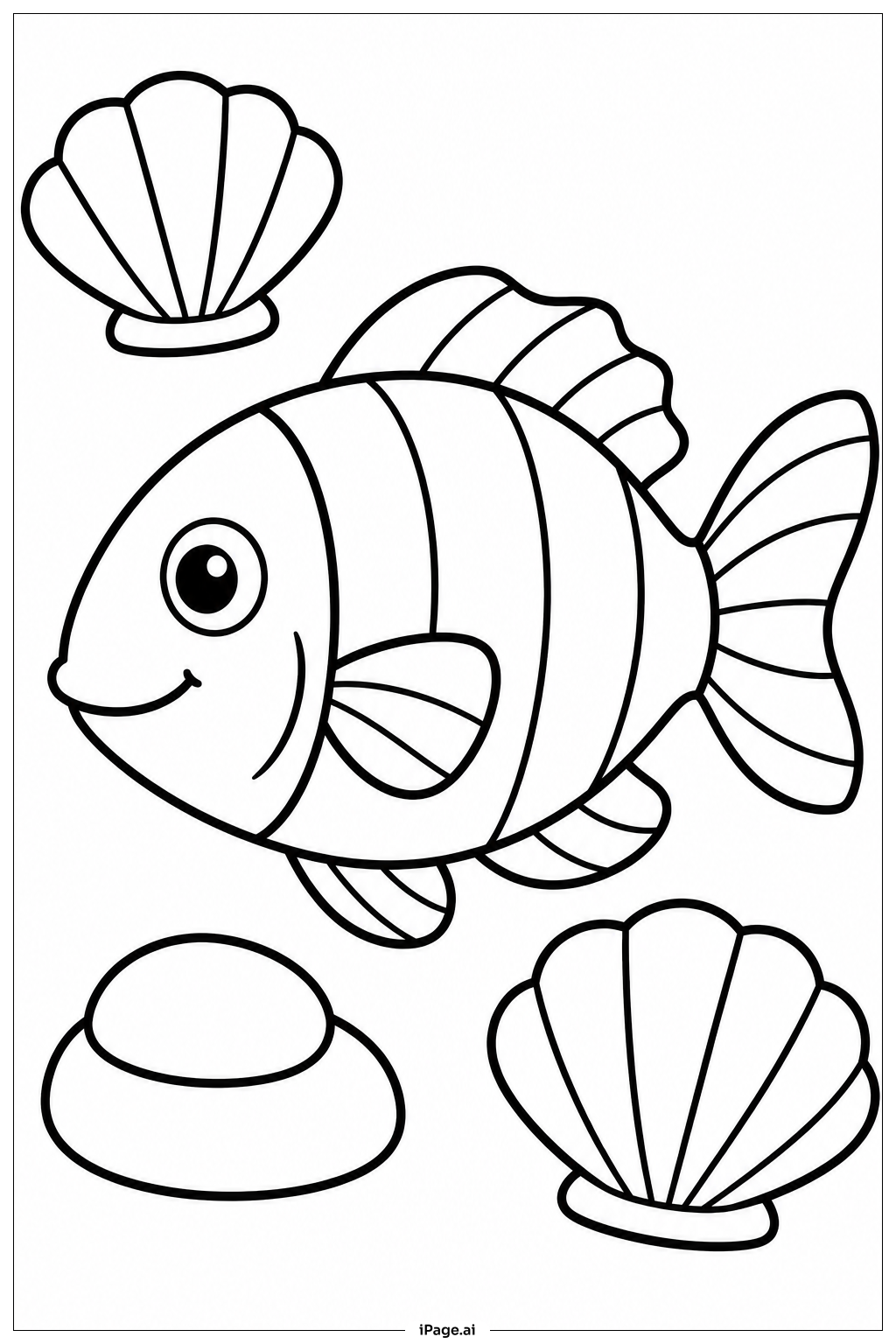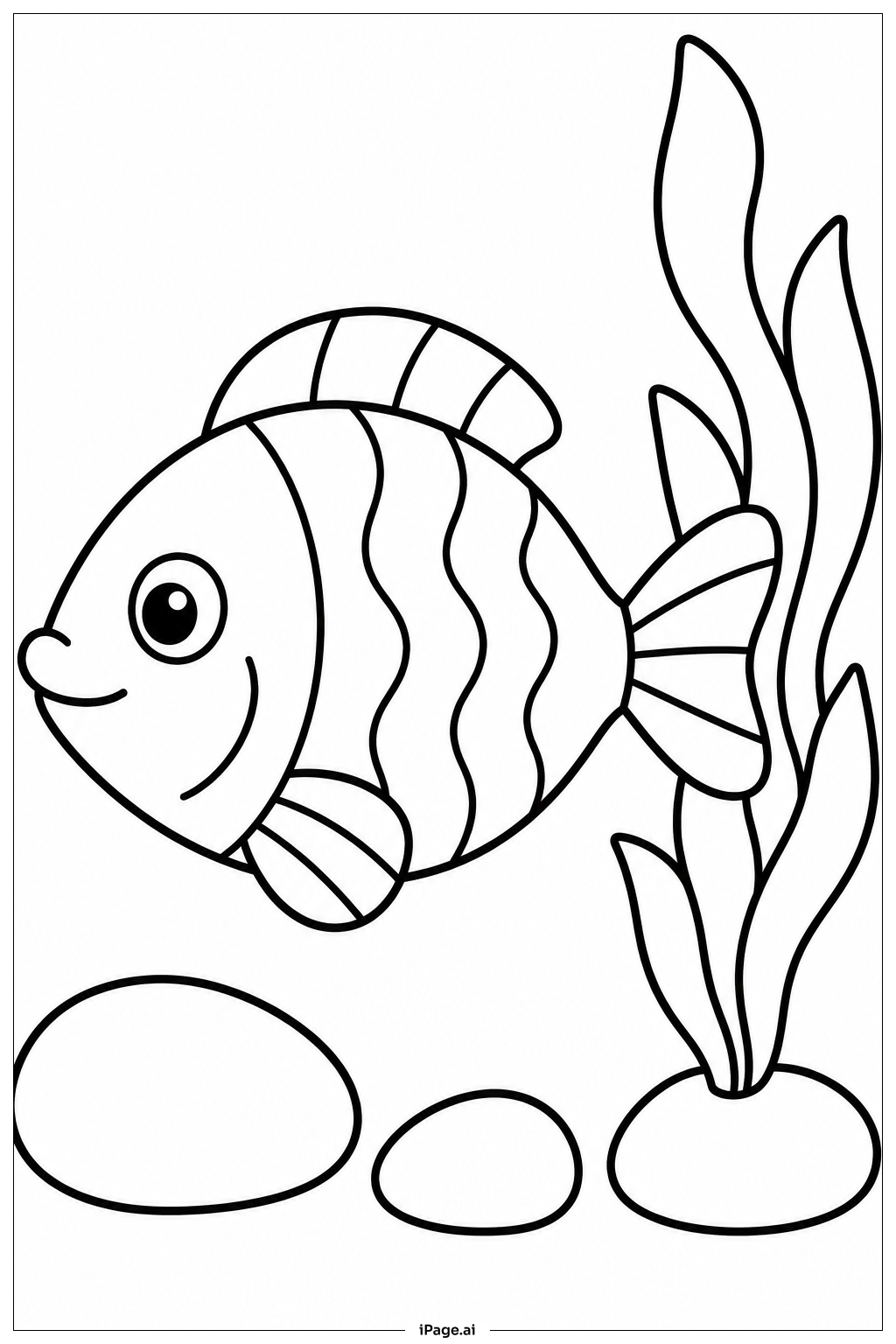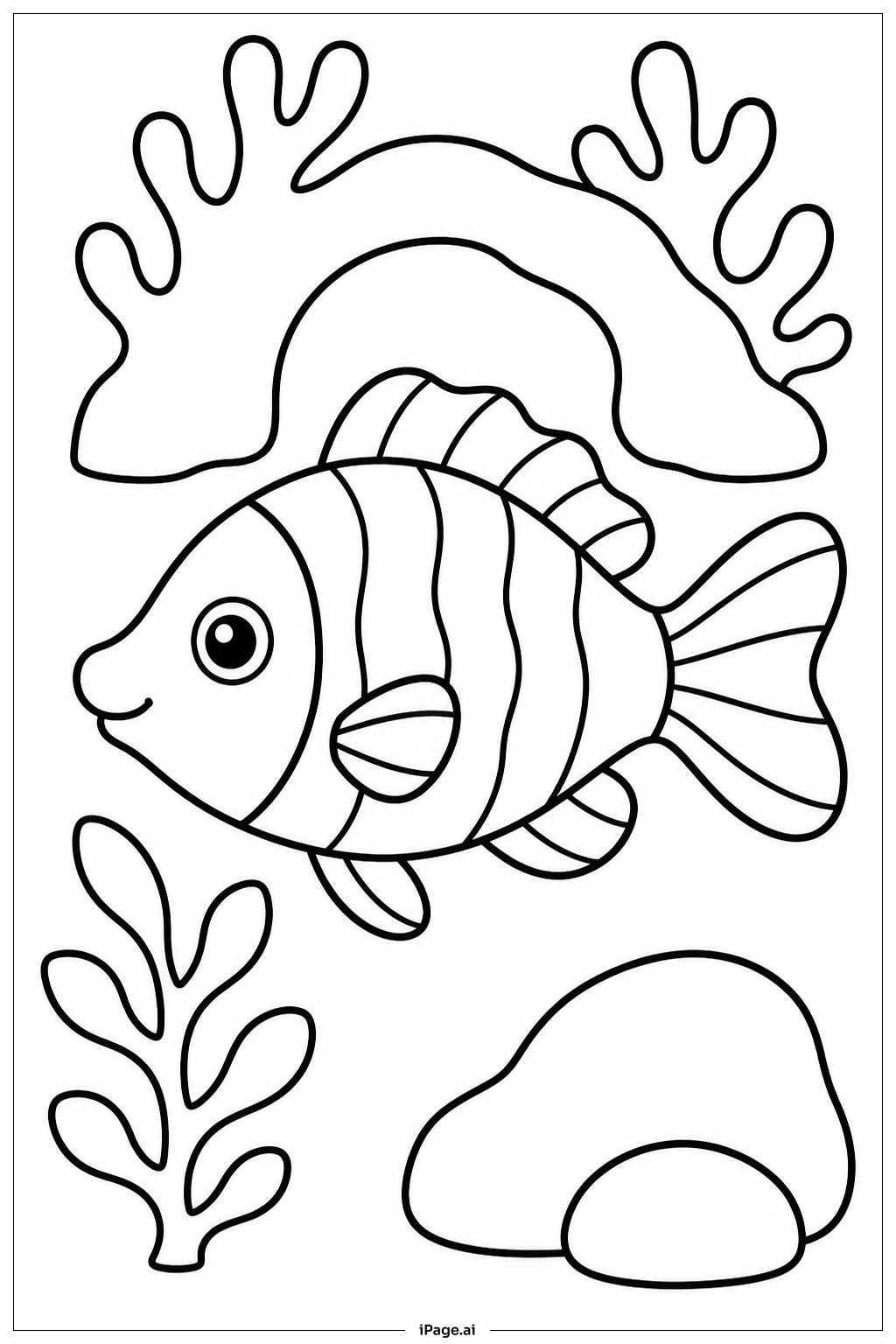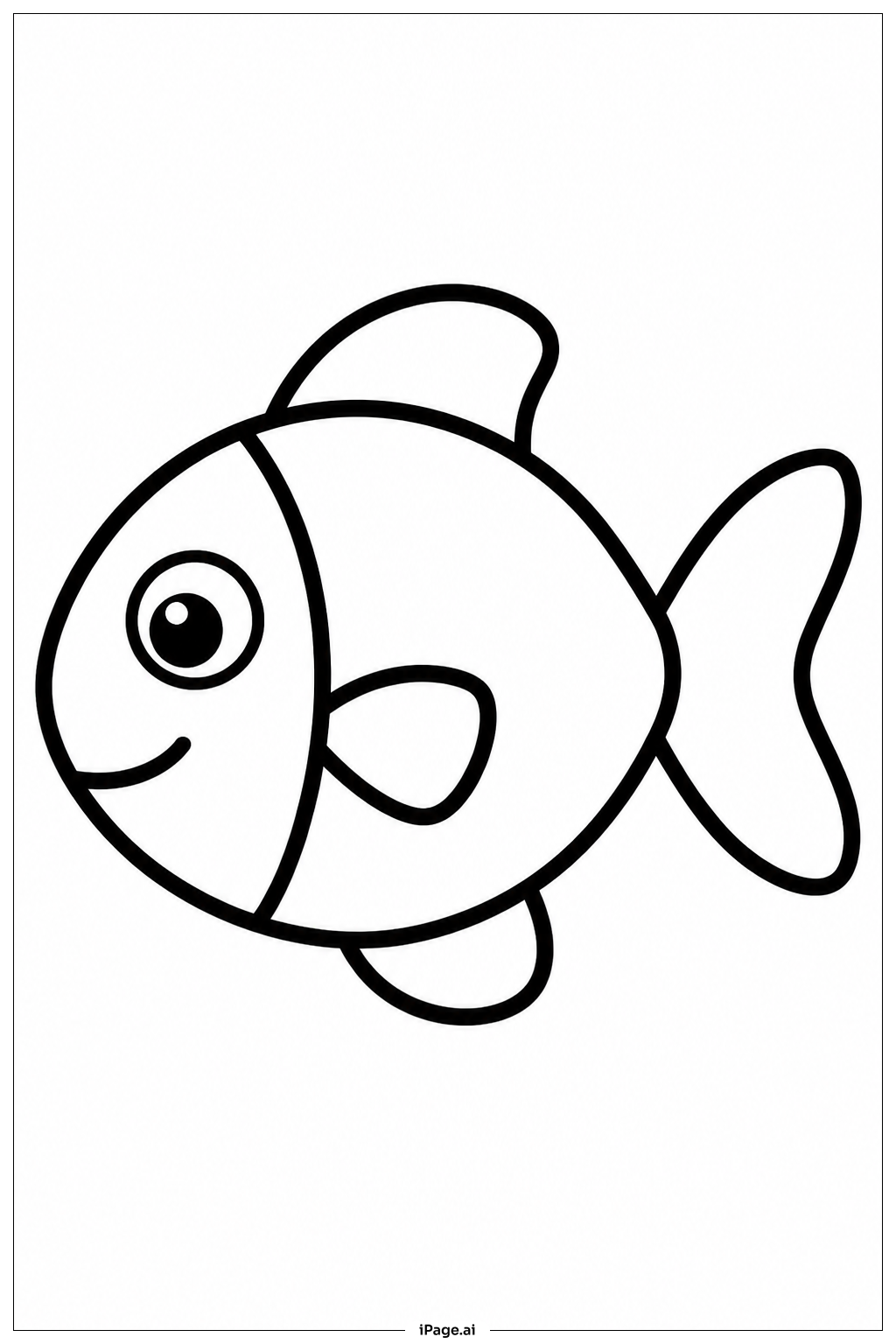
Coloring tips: How to color Big Fish coloring page well?
Start by choosing a main color for the fish's body. Blue, green, orange, or even a mix of colors all work great. Real fish can be almost any color, so feel free to be creative! Use a lighter shade on the fish's belly and a darker shade along the back to give it a natural, rounded look. For the scales, try alternating two similar colors to make them stand out. Color the large eye with a dark pupil and a bright iris. Use shades of blue or teal for the water and background. Add small dots of white or light yellow for the bubbles. The fins and tail can match the body or be a slightly different tone for contrast. If you want, add extra patterns or spots on the body to make your fish truly unique. There are no wrong choices — this is your fish!
Coloring challenges: Which parts are difficult to color and need attention for Big Fish coloring page?
• Scale Patterns: The fish's body is covered in many overlapping scales arranged in neat rows. Coloring each scale individually takes patience and a steady hand. Using a fine-tipped pencil or marker will help you stay within the small curved lines without going over the edges. Choosing two similar shades and alternating them across the rows will make the scales look realistic and eye-catching.
• Fin and Tail Details: The fins and tail have thin lines running through them called rays. These lines divide the fins into small sections. Coloring each section neatly without blending into the next one can be tricky. Try using short, careful strokes that follow the direction of the lines for a cleaner result.
• Smooth Body Shading: To make the fish look round and three-dimensional, you need to add light and dark areas across the body. Blending from a lighter color on the belly to a darker color on the back requires gentle, gradual strokes. Colored pencils work especially well for this kind of soft blending.
• Water and Background: The swirling water lines and bubbles around the fish are small and close together. Filling in the background without accidentally coloring over the fish outline takes careful attention. Using a light blue or aqua color and working slowly near the fish's edges will give the best result.
• Eye Detail: The eye is a small but important feature. It needs at least two or three colors — a dark outline, a colored iris, and a bright highlight — all within a very small space. A sharp pencil tip is essential here.
Benefits of coloring books: Advantages of drawing Big Fish coloring page
Coloring this Big Fish page is a fun and rewarding activity for kids of all ages. Working through the detailed scale patterns helps children develop fine motor skills and hand-eye coordination. Staying inside the lines and moving carefully builds focus and patience, skills that are useful in school and everyday life. Choosing colors for the fish encourages creative thinking and allows children to express their personality. There are no rules about what color a fish must be, so every child's finished page will look different and special. The shading and blending involved in making the fish look round and lifelike introduces basic art concepts in a playful, low-pressure way. Completing a full coloring page also gives children a sense of pride and accomplishment. For older kids, the challenge of detailing the scales, fins, and water background offers a satisfying, meditative experience that helps reduce stress and improve concentration. Overall, this page combines fun, creativity, and skill-building in one enjoyable activity.