Coloring tips: How to color Apple Tree Swing coloring page well?
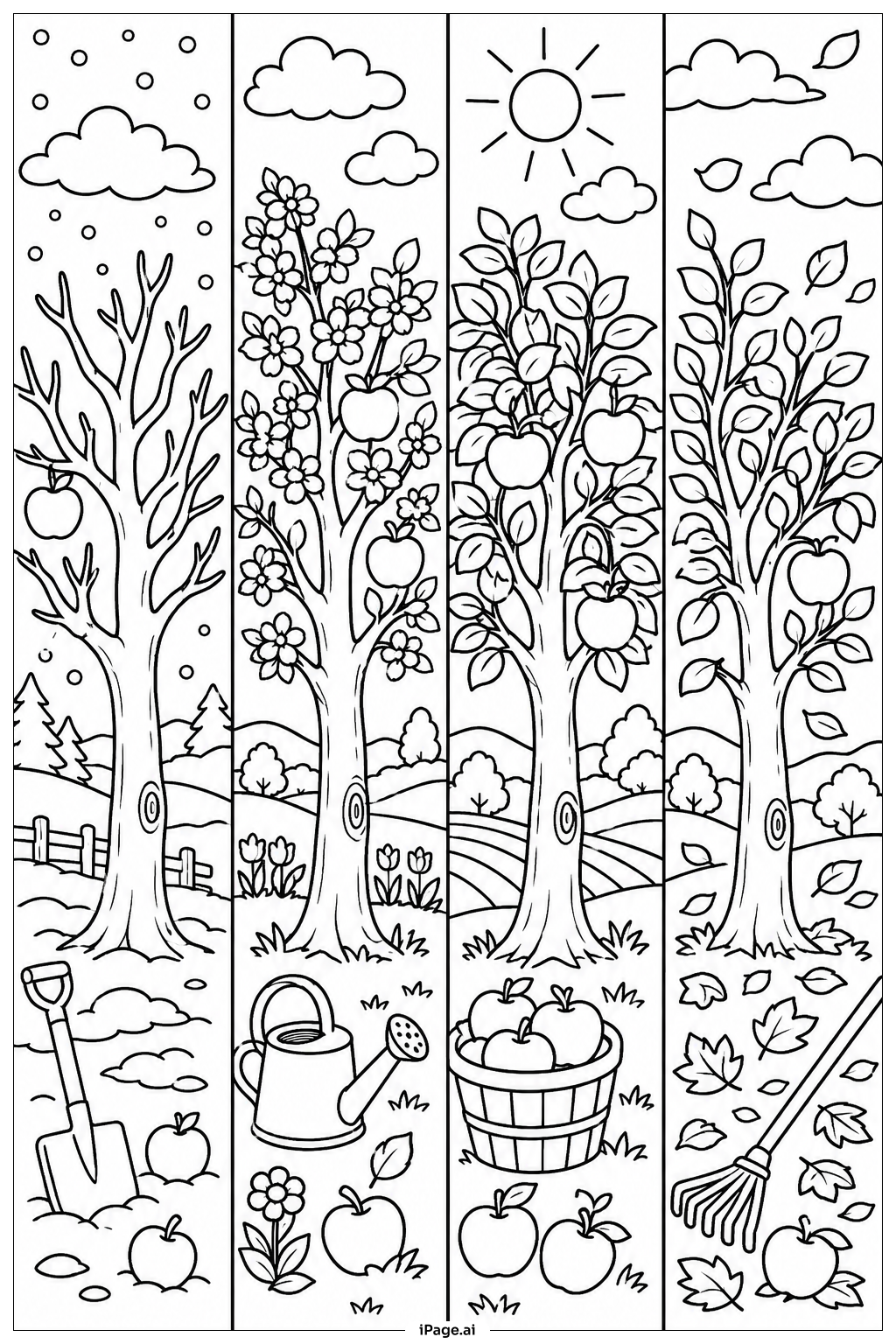
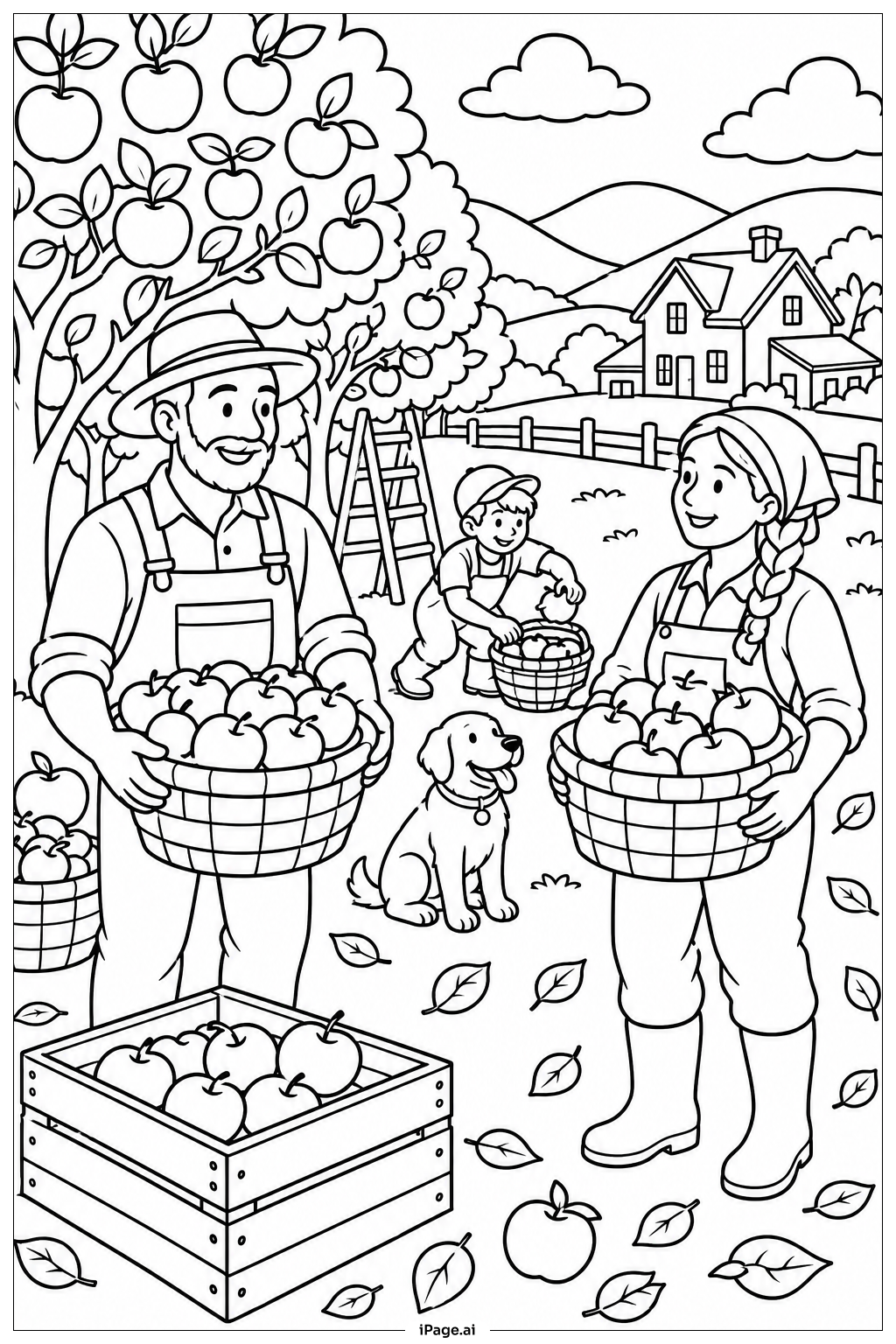
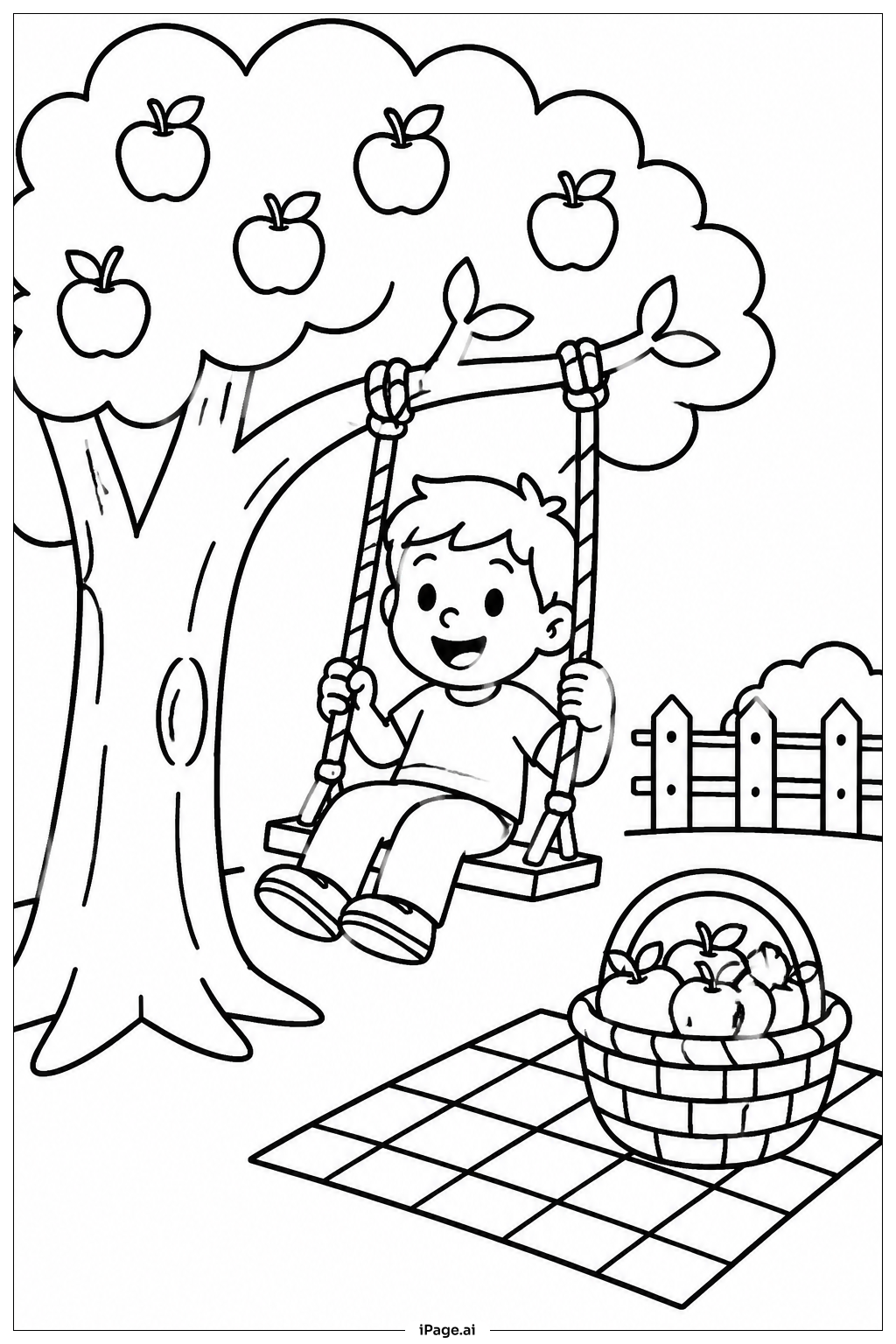
Start with the tree trunk and branches. Use warm brown or tan tones, and add some darker brown shadows along the edges to give depth. For the leaves, try different shades of green — light green for sunlit areas and darker green for shaded spots. This makes the tree look full and lively. Color the apples bright red or add a mix of red, yellow, and green to show variety. Leave a small white dot on each apple to mimic a shine. For the swing, use a golden or sandy brown for the wooden seat and a simple gray or beige for the ropes. The grass can be colored in soft greens, and the hills in the background can use lighter, muted greens to create a sense of distance. Try a light blue or pastel sky behind the tree to brighten the whole scene. Take your time with each section and have fun mixing colors to make it your own.
Coloring challenges: Which parts are difficult to color and need attention for Apple Tree Swing coloring page?
• Tree Bark Texture: The trunk and branches have rough, uneven surfaces that can be tricky to color realistically. Using two or three shades of brown and applying them in long, vertical strokes helps suggest the texture of real bark. Blending darker tones along the inner curves of branches adds a natural rounded look.
• Leaf Layering and Depth: The tree has many overlapping leaves, making it hard to know which ones are in front and which are behind. To solve this, use lighter greens on leaves closest to the viewer and darker greens for those in the background. This layering creates a three-dimensional effect that makes the tree feel alive.
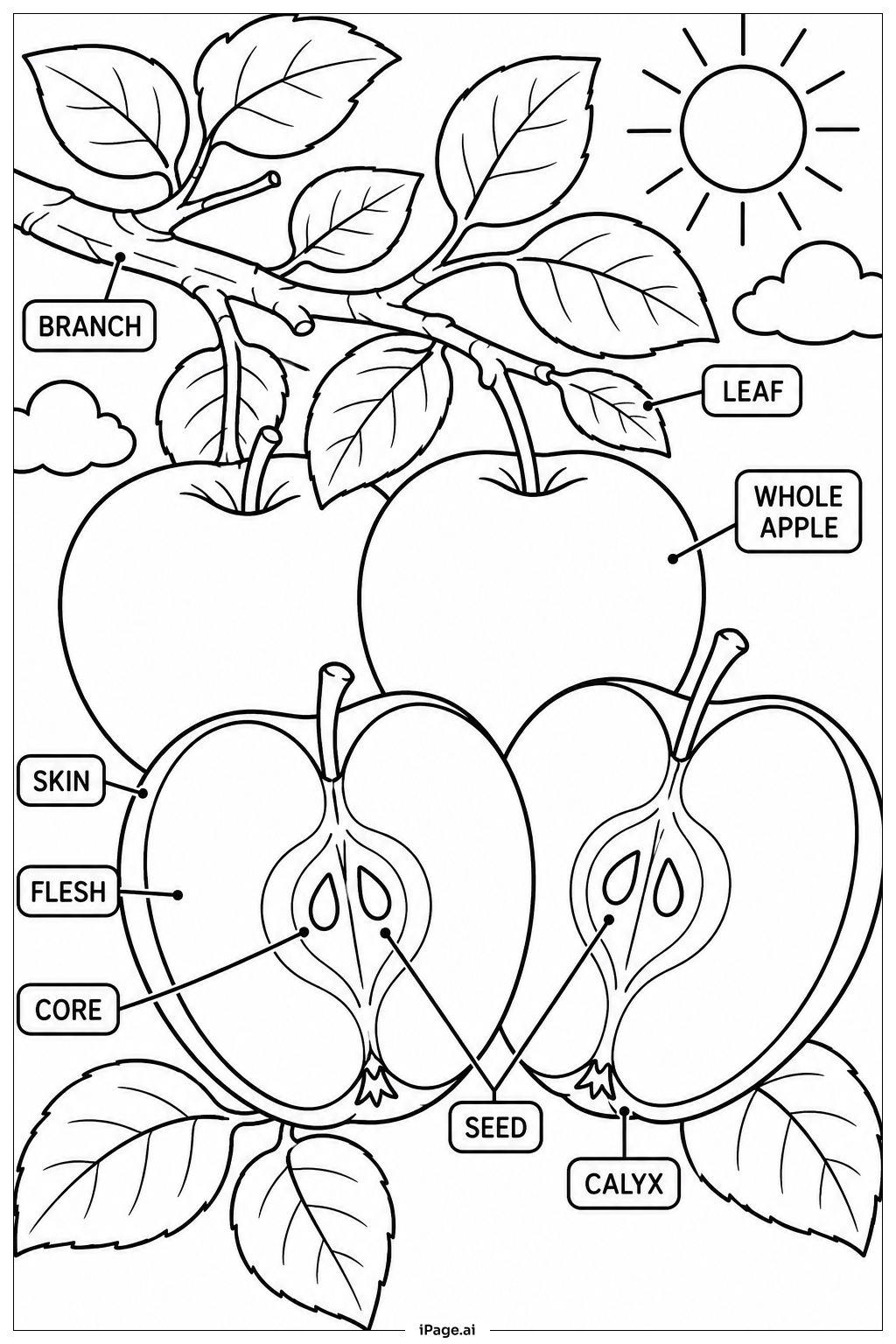
• Apple Details and Shading: Each apple is small and round, which means shading them well takes patience. To make the apples look plump and glossy, try coloring the bottom and sides in a deeper red, leaving the top lighter or even white. Adding a tiny white highlight gives them a fresh, juicy appearance.
• Swing Ropes and Proportions: The ropes are thin and long, running from the branch down to the seat. Staying inside the lines on such narrow shapes requires a fine-tipped tool. Using a slightly darker shade on one side of each rope helps show that they are three-dimensional rather than flat.
• Background Balance: The hills and open sky in the background should feel soft and distant. Using lighter, less saturated colors in this area keeps the focus on the tree and swing in the foreground, which are the main subjects of the scene.
Benefits of coloring books: Advantages of drawing Apple Tree Swing coloring page
Coloring this Apple Tree Swing image offers a wonderful range of benefits for children and young artists. The scene is calming and familiar, making it easy to settle into a focused, relaxed state. Spending quiet time with colors and lines helps reduce stress and encourages a sense of peace.
Working through the details of the tree, leaves, apples, and swing builds fine motor skills and hand-eye coordination. Choosing which colors to use for each part of the image develops creative thinking and color awareness from an early age.
The image also sparks imagination. Kids can picture themselves sitting on the swing, enjoying a sunny day in the orchard. This kind of storytelling through art builds emotional expression and helps children connect their feelings to what they create.
For older children, tackling the shading and layering in this image is a great introduction to basic art techniques like depth, contrast, and texture. These are skills that carry over into drawing, painting, and other creative activities.
Completing the full image also gives children a real sense of achievement. Finishing a detailed piece builds patience, persistence, and confidence — qualities that go well beyond the coloring page itself. It is a simple, joyful activity with lasting value.