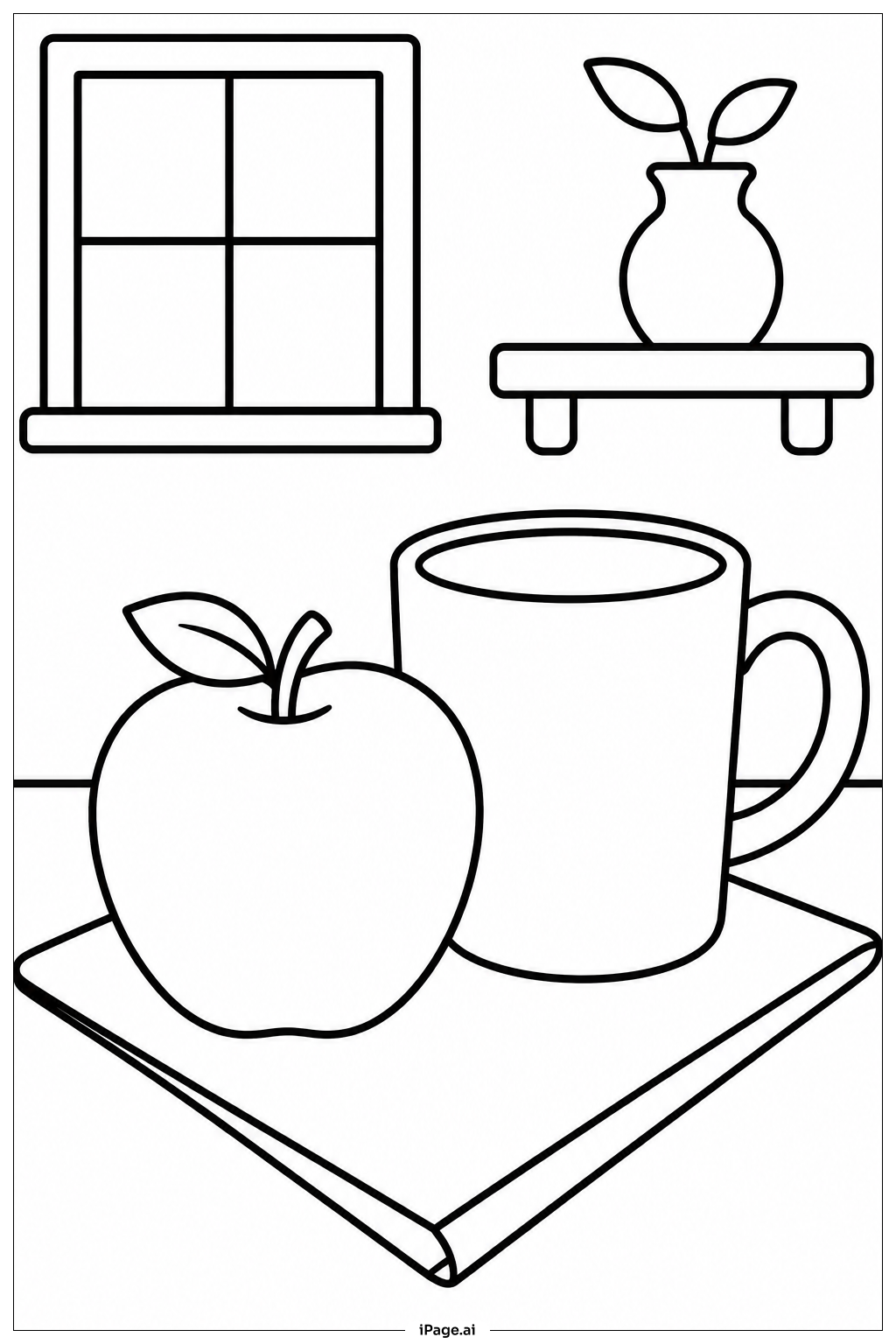
Coloring tips: How to color Apple Still Life coloring page well?
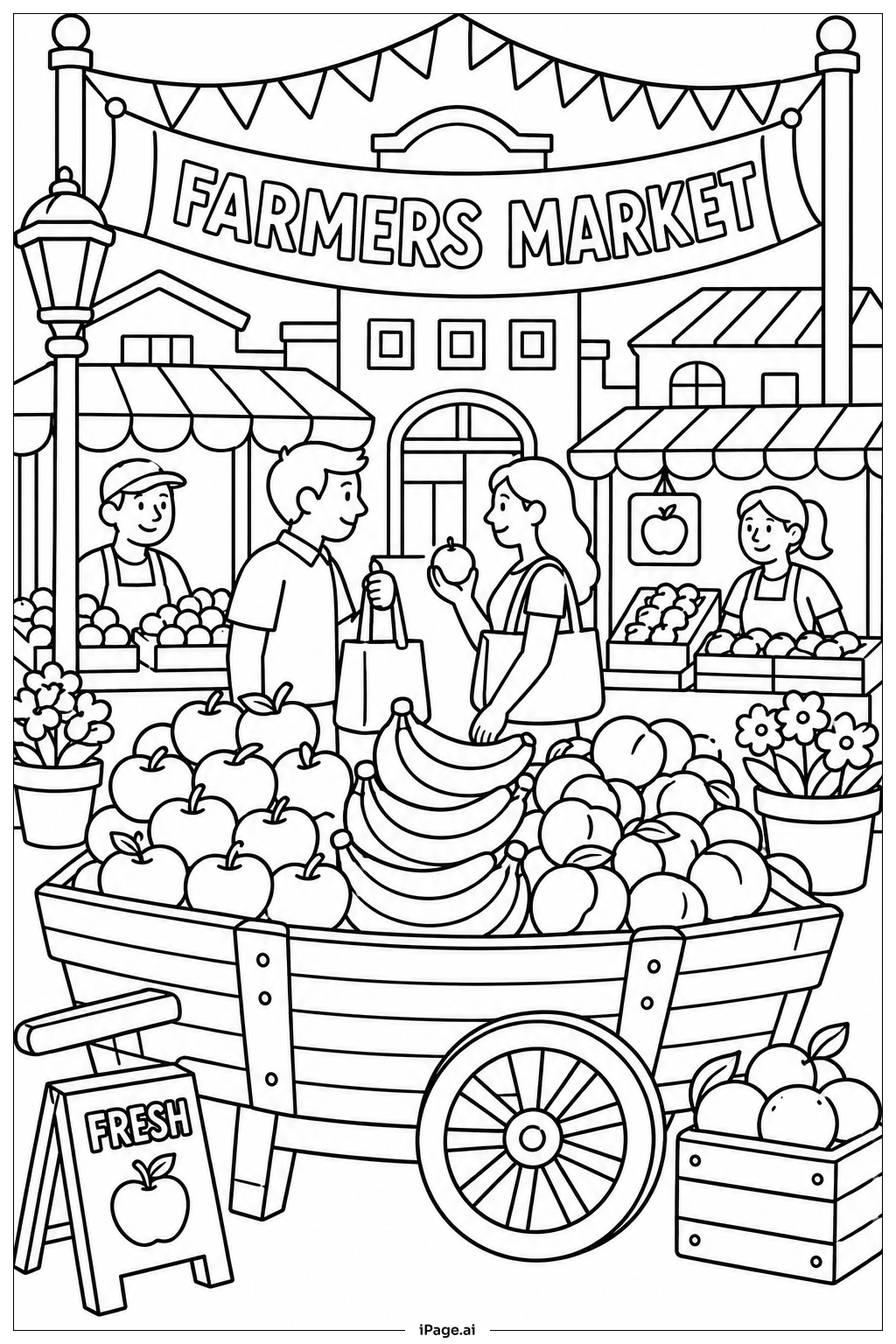
When coloring this Apple Still Life, try using shades of red, green, or yellow for the apples to show the different kinds of apples. Use a darker red or green near the edges to create depth. For the leaves, use different green tones like light green and dark green to add variety and realism. You can also add a little brown or orange to the leaf veins to make them look natural. For the shadow under the apples, use gray or a darker color to make the apples look like they are resting on a surface. Keep your coloring smooth and try blending colors gently to show the roundness of the apples. Remember to have fun and be creative with your colors!
Coloring challenges: Which parts are difficult to color and need attention for Apple Still Life coloring page?
• Curved Surfaces: Coloring the apples’ rounded shapes in a way that feels natural can be challenging. It requires smooth gradient transitions to represent light and shadow accurately.
• Leaf Texture: The veins and texture of the leaves need careful coloring to avoid making them look flat or unrealistic.
• Light Source Consistency: Maintaining consistent shading on the apples and shadows to reflect the single light direction is important but can be tricky.
• Color Blending: Mixing different shades of red, green, or yellow smoothly without harsh lines requires patience and practice.
• Small Details: Some areas like the apple stems and leaf edges are small and require careful attention to color within the lines.
Benefits of coloring books: Advantages of drawing Apple Still Life coloring page
Coloring this Apple Still Life helps improve fine motor skills, as children practice coloring within curves and small areas. It encourages observation skills by focusing on shading and light effects. This image also teaches color recognition and blending techniques by working with natural fruit colors and leaf textures. Additionally, it promotes creativity since children can experiment with different color combinations while still learning to represent real-world objects. Coloring apples and leaves also introduces basic concepts of still life art, building a foundation for more advanced drawing and coloring skills.