Coloring tips: How to color Volcano with One Tree coloring page well?
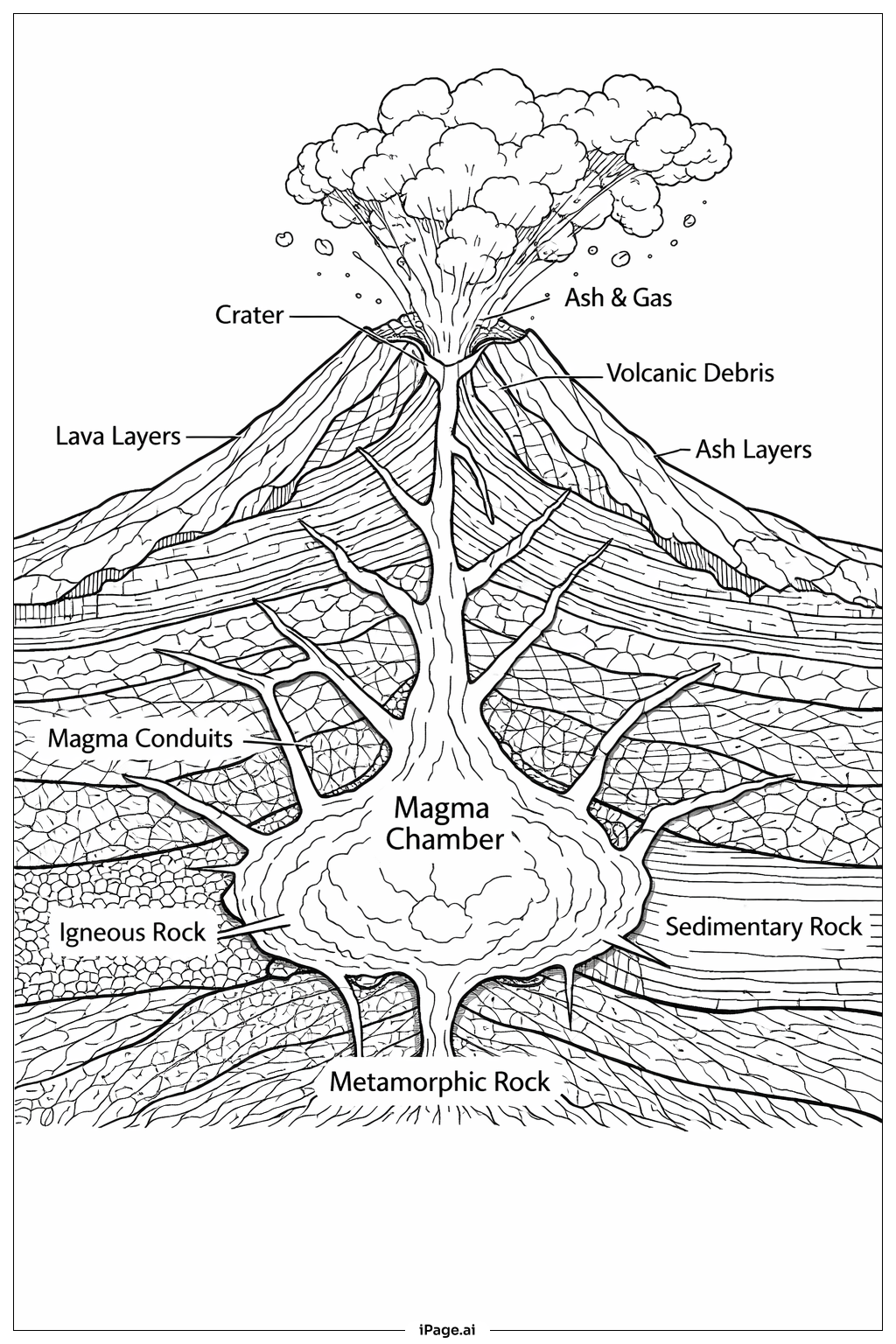
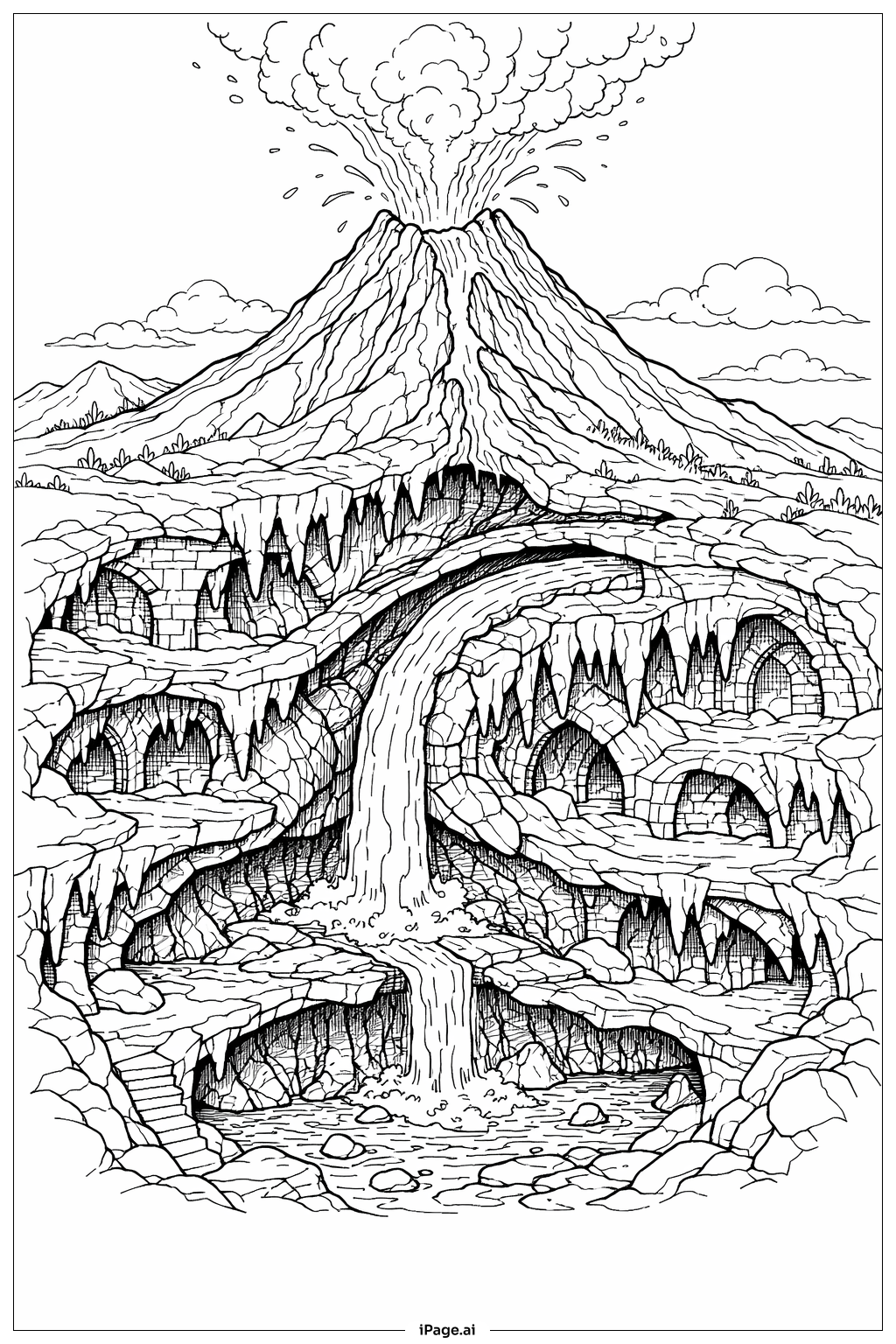
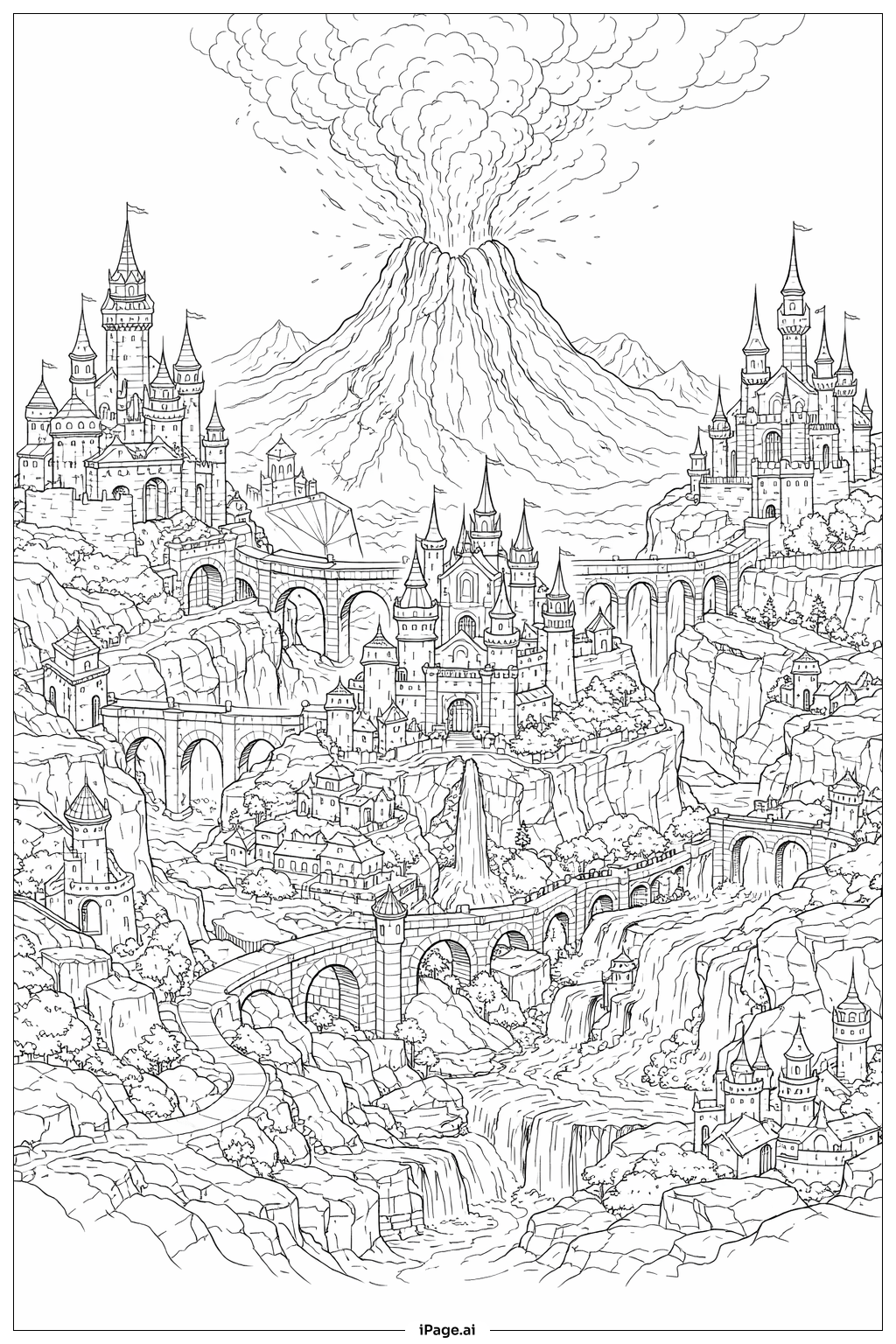
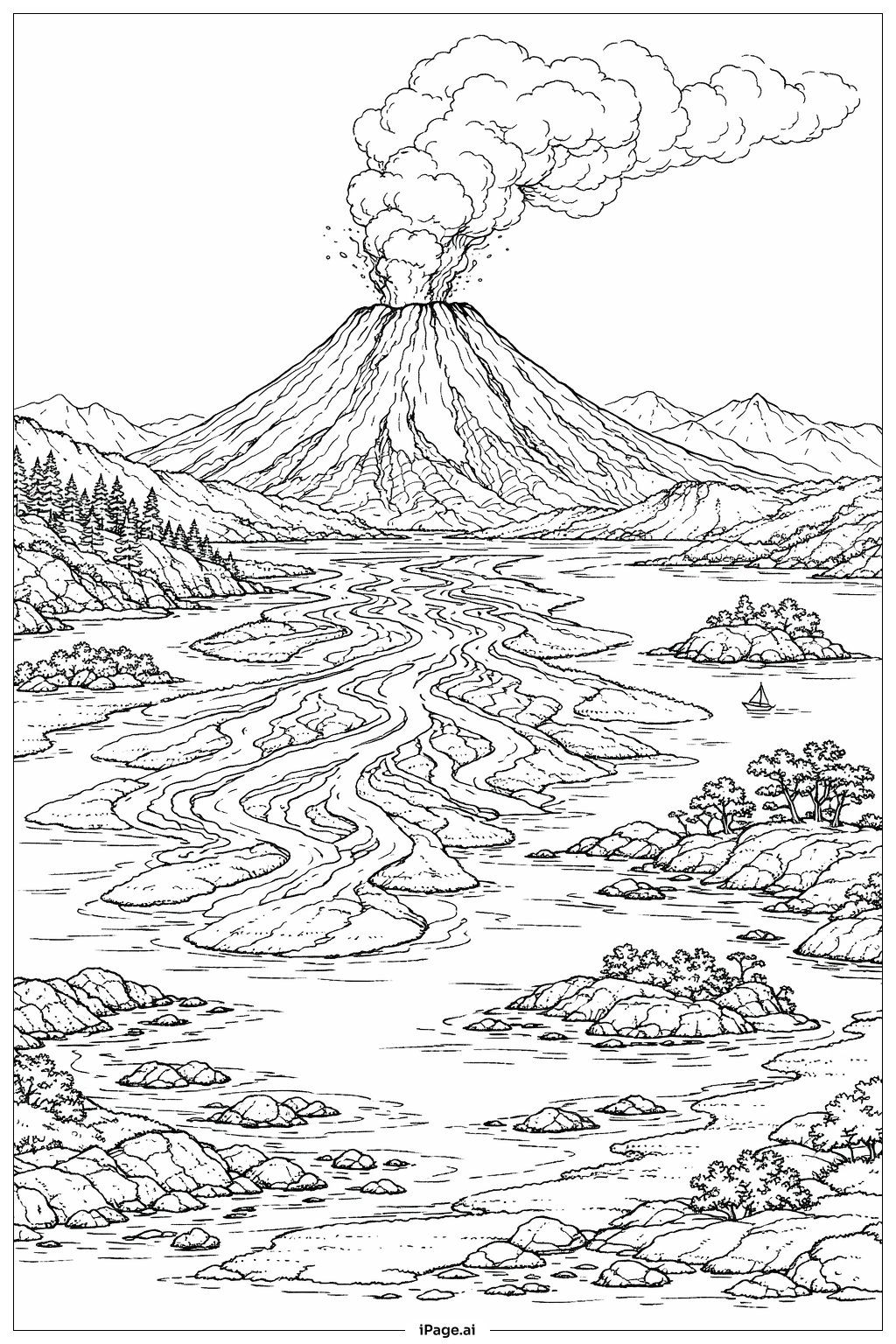
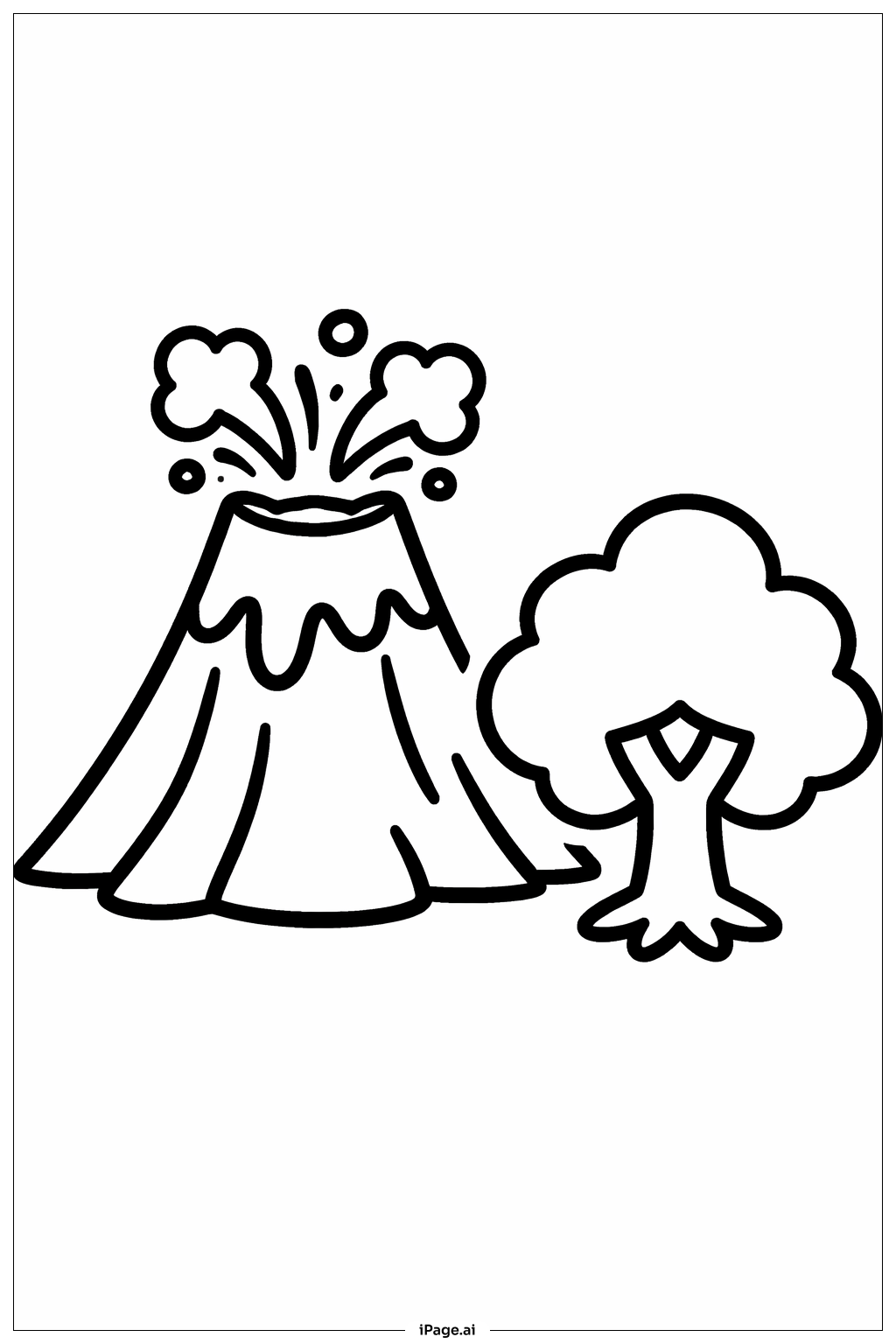
Use bright colors for the volcano, such as red, orange, and yellow, to show hot lava and fire. For the smoke, use light gray or white to make it look soft. Color the tree with green leaves and a brown trunk. Try using different shades of green to make the leaves look lively. You can also color the ground around the volcano and tree with brown or green to create a natural setting. Don’t forget to color carefully inside the lines.
Coloring challenges: Which parts are difficult to color and need attention for Volcano with One Tree coloring page?
1. Coloring the lava flow: The curved lines can be tricky to color smoothly without going outside the lines, so take your time. 2. Coloring the smoke or steam: The fluffy shapes need light and soft colors which can be hard to fill evenly. 3. Coloring the tree leaves: The big leafy shape is simple but filling it with just one color might look flat. 4. Staying inside bold lines: The bold lines are clear but sometimes can be challenging to color neatly around the edges. 5. Adding color depth: To make the picture more interesting, using different shades for the volcano and tree adds depth but may be challenging for beginners.
Benefits of coloring books: Advantages of drawing Volcano with One Tree coloring page
Coloring this picture helps children learn about nature, including volcanoes and trees. It improves hand-eye coordination as they color within the lines. The image encourages creativity by allowing kids to choose colors for the volcano’s lava and the tree’s leaves. It also helps develop patience and focus because some areas require careful coloring. Overall, it is a fun and educational activity that combines art with learning about natural elements.