Coloring tips: How to color Volcano with River Delta coloring page well?
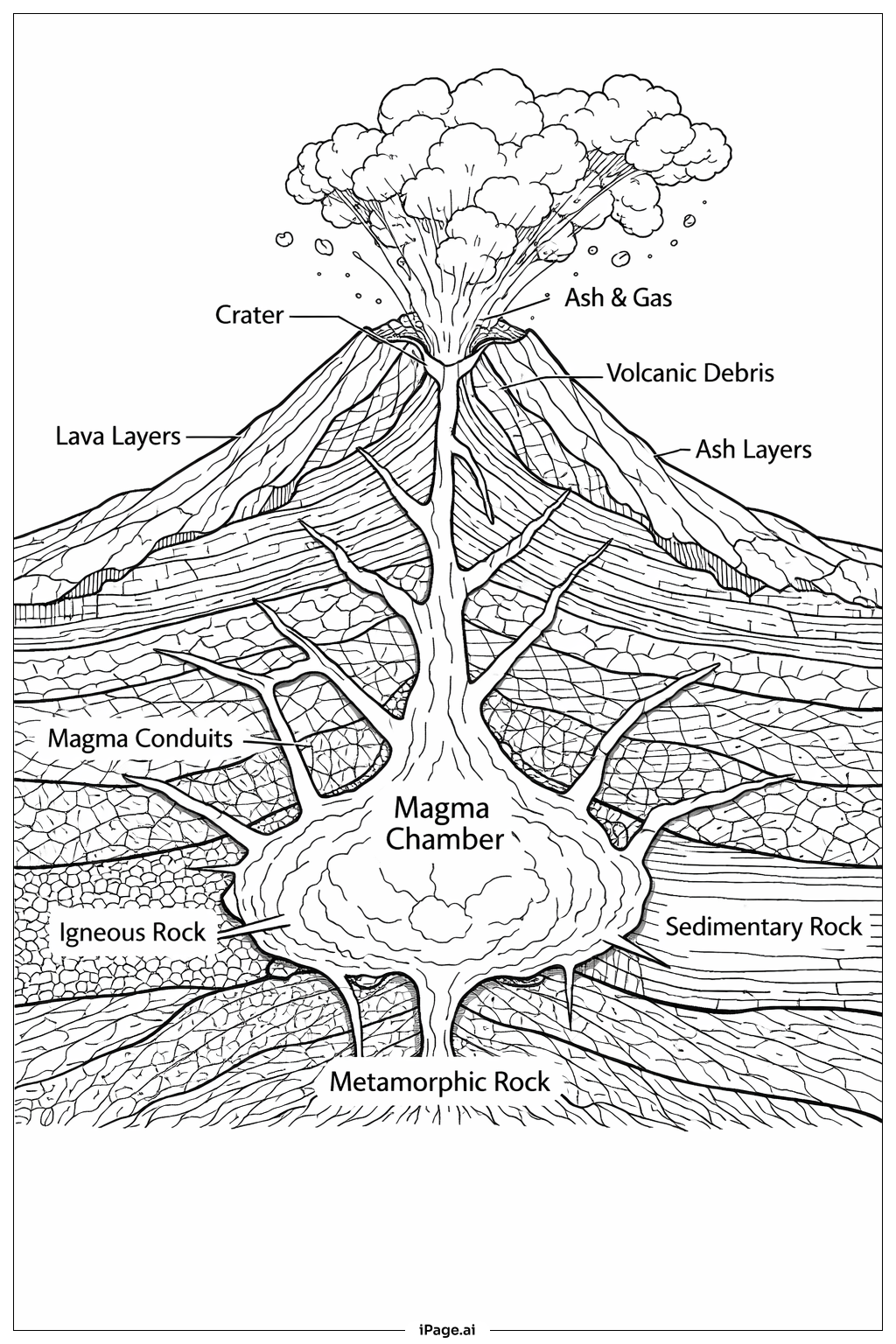
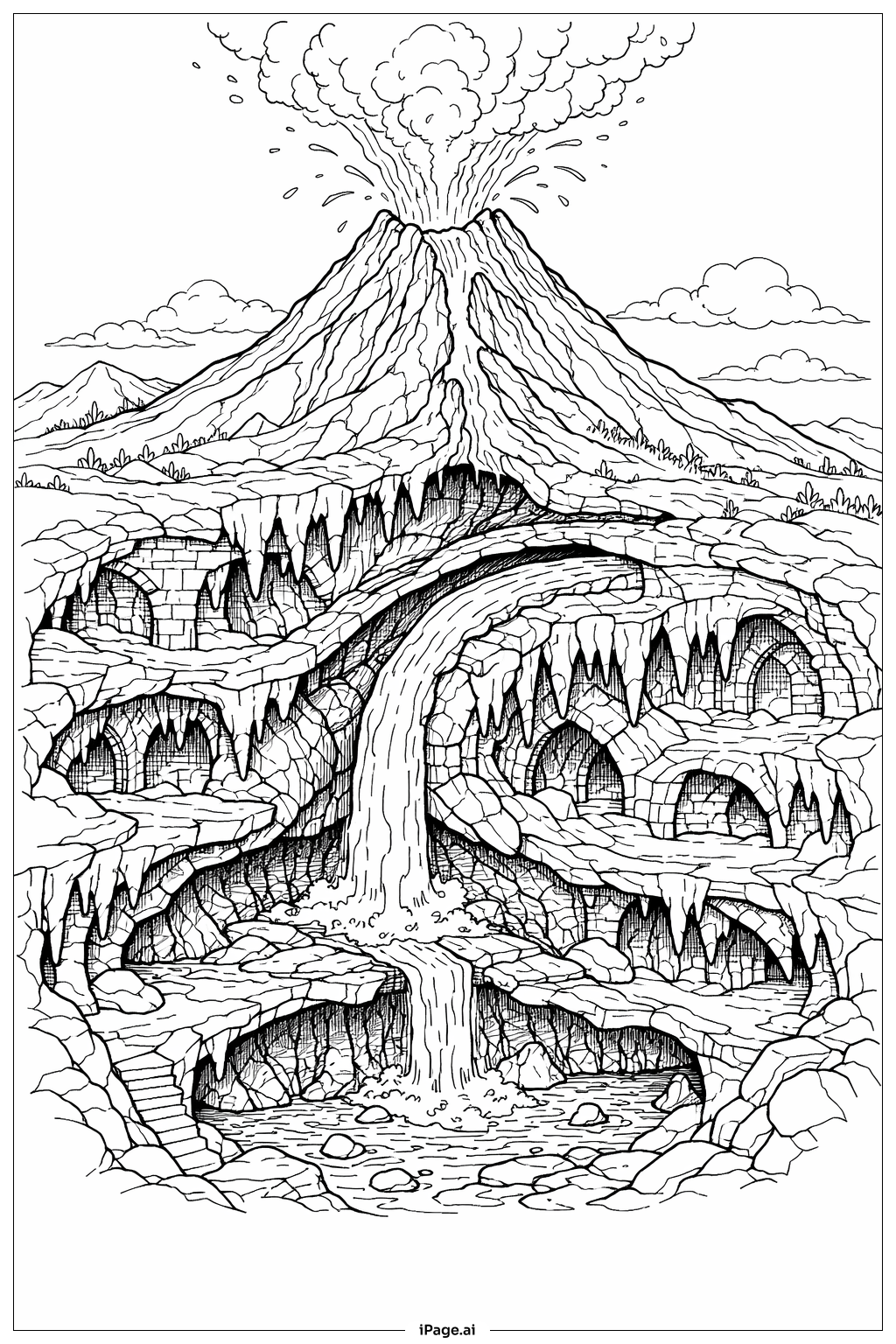
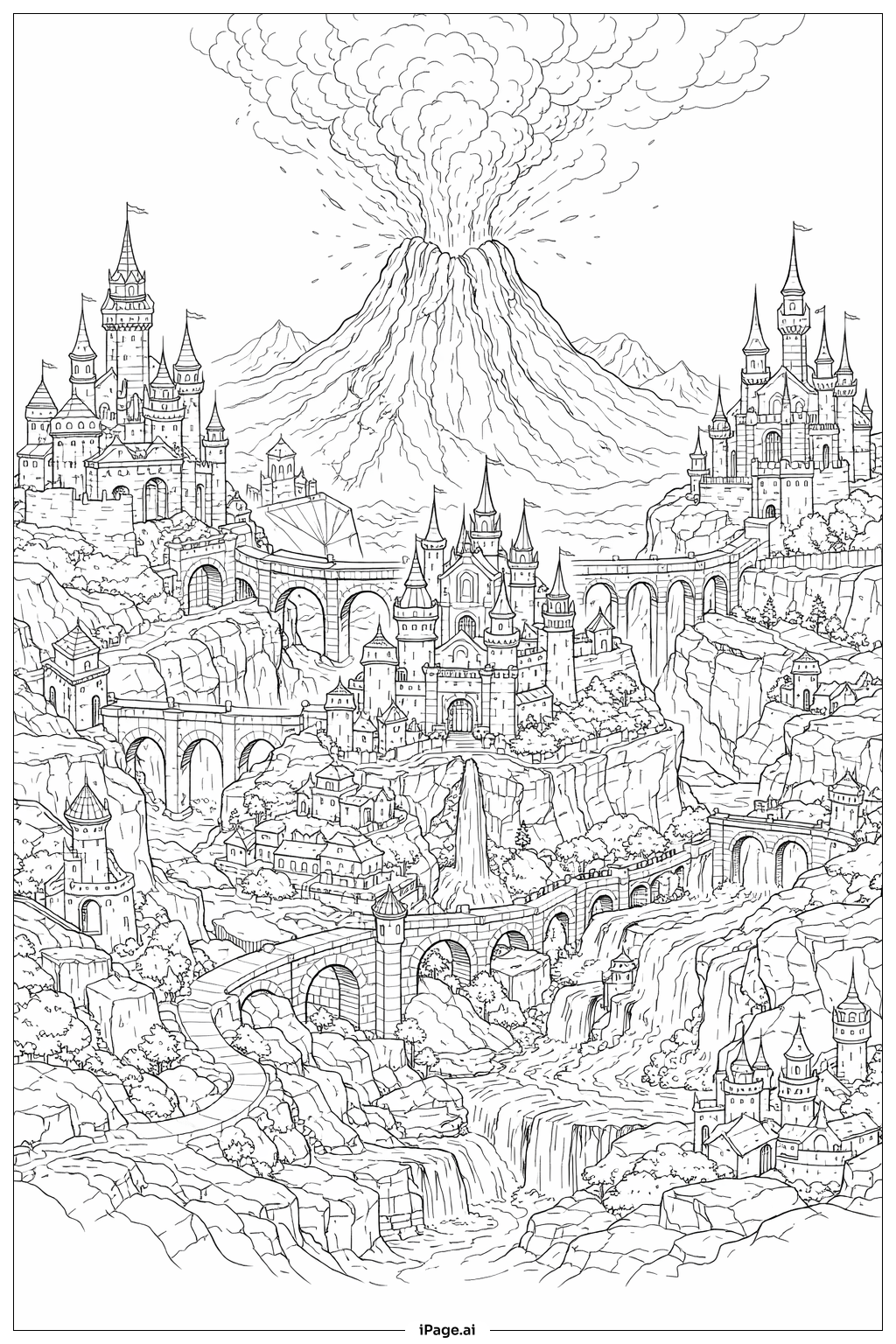
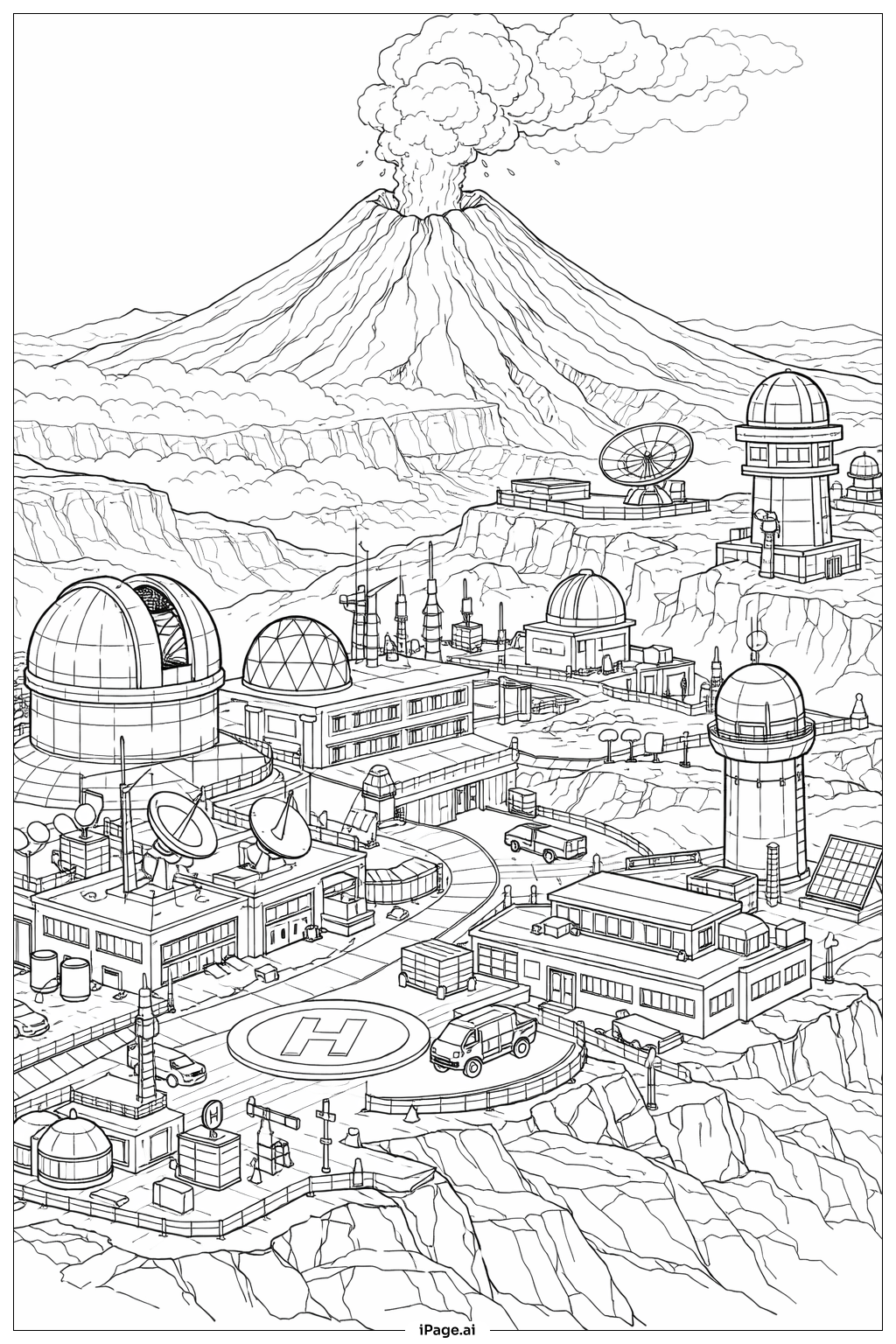
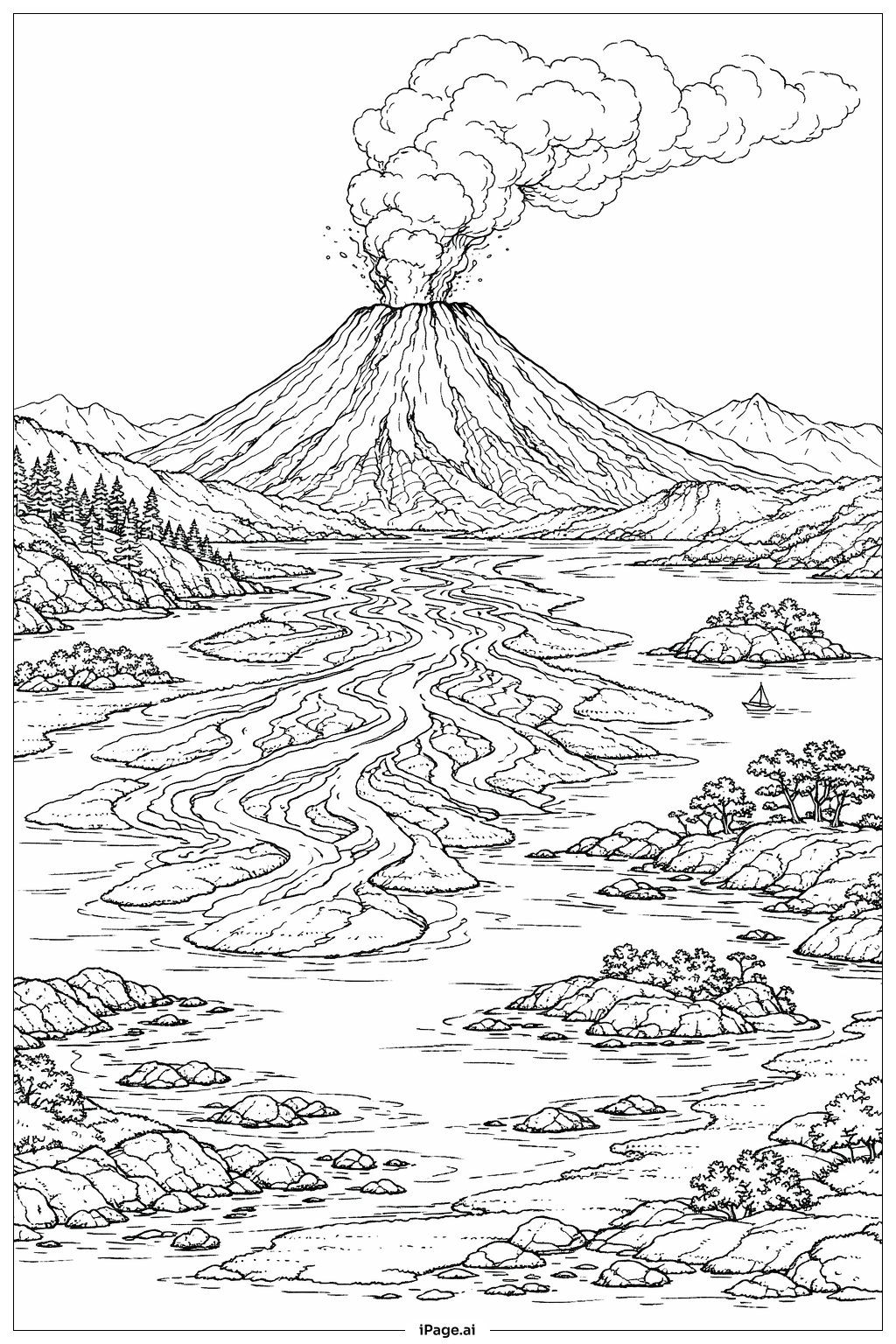
For the volcano, use warm earth tones like browns, grays, and dark charcoal for the rocky surface. Add touches of red, orange, or yellow near the crater to suggest volcanic heat. The river and delta channels should be colored in various shades of blue, from deep navy in deeper areas to light cyan in shallow sections. Consider using green and turquoise where water meets land to show mineral deposits. Surround the volcano with earthy browns and tans for the rocky terrain. Add vegetation using different shades of green, from dark forest green for dense areas to light lime for grassy patches. The sky can be colored in warm sunset hues of orange, pink, and purple to create dramatic contrast, or use soft blues for a calmer atmosphere. Don't forget to add shadows on the volcano's slopes using darker shades to create depth and dimension.
Coloring challenges: Which parts are difficult to color and need attention for Volcano with River Delta coloring page?
• Delta Channel Network: The most challenging aspect is coloring the intricate branching pattern of the river delta. The numerous small channels require careful attention to keep water areas distinct from land. Young colorists may find it difficult to stay within the narrow lines separating each waterway, and maintaining consistent color throughout the interconnected channels demands patience and precision.
• Volcanic Texture and Layering: The volcano's rocky surface presents complexity with its various geological layers, crevices, and uneven terrain. Creating realistic depth requires blending multiple shades and understanding where to place highlights and shadows. The transition from the crater down to the base needs gradual color changes to show the three-dimensional form of the mountain.
• Water and Land Boundaries: Distinguishing between the water channels and the surrounding land masses requires careful line work, especially where the delta spreads into thin streams. The shorelines have irregular shapes that need steady hand control. Younger children might struggle with the detailed edges, while older colorists can use this as an opportunity to practice precision.
• Scale and Perspective: This image contains elements at different distances, from the volcano in the background to the delta in the foreground. Applying appropriate color intensity and shading to convey depth and distance can be challenging. Understanding which areas should be lighter or darker to show atmospheric perspective requires more advanced coloring skills.
Benefits of coloring books: Advantages of drawing Volcano with River Delta coloring page
Coloring this volcanic landscape offers excellent educational value while developing artistic skills. Children learn about geological formations, understanding how volcanoes form and how water systems create deltas through erosion and sediment deposit. This enhances their knowledge of earth sciences in an engaging, hands-on way. The detailed nature of the image promotes fine motor skill development and hand-eye coordination, especially when working on the intricate delta channels. Concentration and patience are naturally improved as young artists carefully color within the complex lines. The scene encourages creative decision-making about color choices and shading techniques, allowing for personal artistic expression. Working with natural elements like mountains and water systems can also be calming and therapeutic, reducing stress while promoting mindfulness. For older children and adults, this page offers opportunities to practice advanced techniques like blending, creating gradients, and achieving realistic depth through color variation.