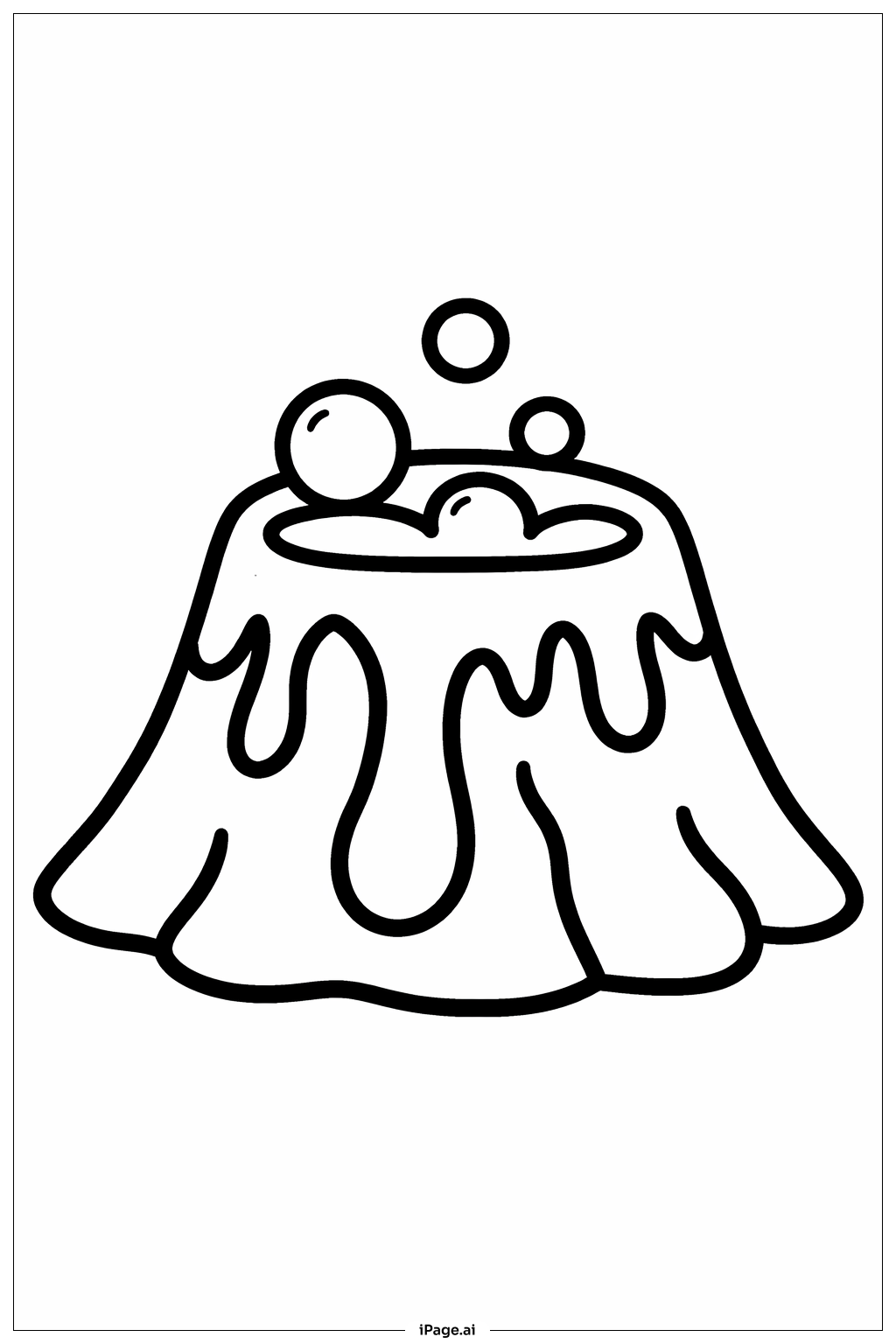
Coloring tips: How to color Volcano Crater Closeup coloring page well?
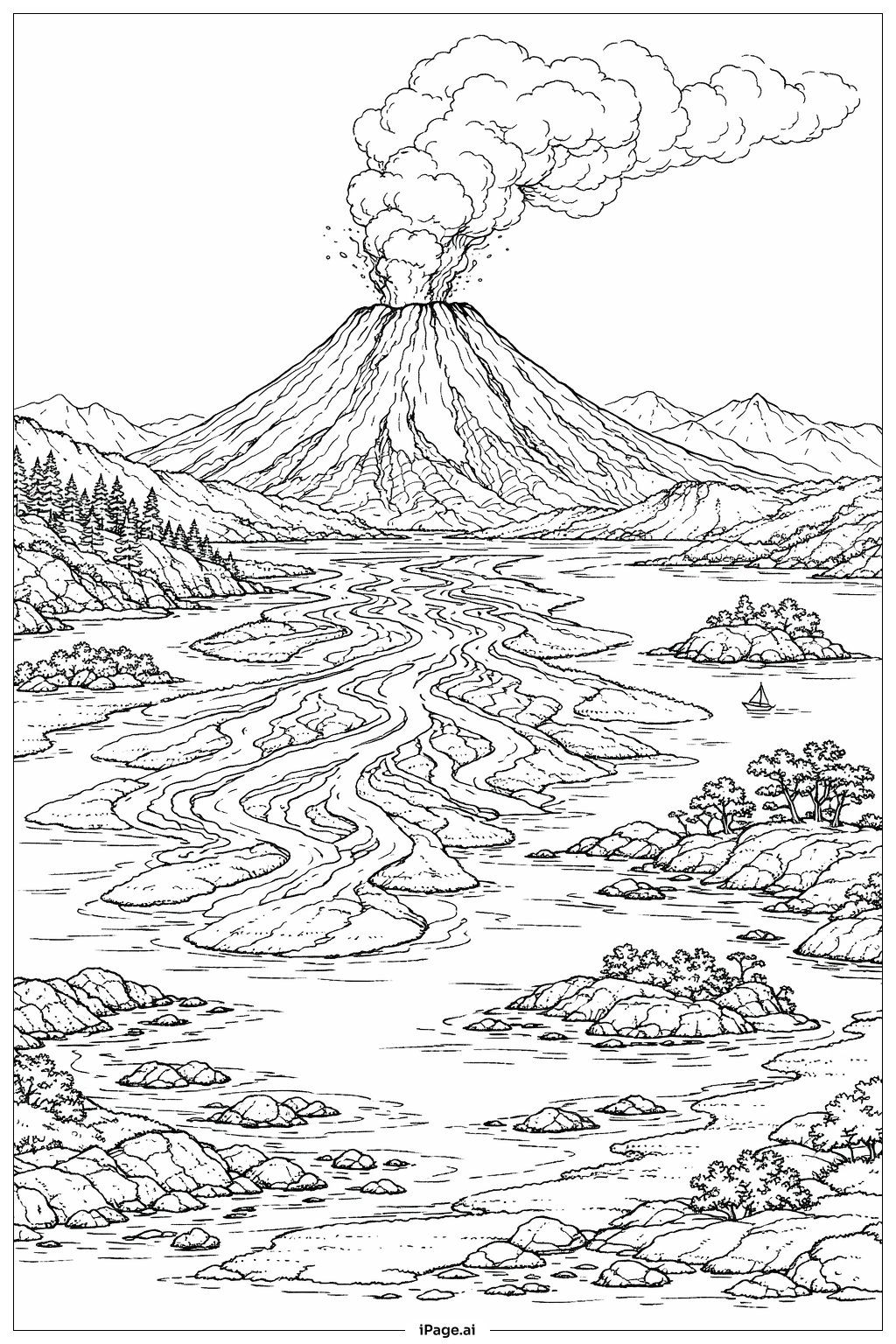
For this volcanic scene, use warm, fiery colors to capture the intense heat. Color the lava flows with bright oranges, reds, and yellows, blending them together for a glowing molten effect. Add touches of white or light yellow at the brightest spots to show extreme heat. The crater walls can be colored with browns, grays, and dark reds to represent volcanic rock. Layer different shades to create depth and texture. For the smoke and gases, use light grays, whites, and subtle hints of yellow or blue-gray. The rocky rim can feature darker browns, blacks, and charcoal grays. Consider adding purple or deep red shadows in the crevices. You can make the lava appear to glow by using bright colors in the center and gradually darkening toward the edges.
Coloring challenges: Which parts are difficult to color and need attention for Volcano Crater Closeup coloring page?
• Lava Flow Blending: Creating realistic molten lava requires smooth color transitions between red, orange, and yellow. Children need to blend these warm colors seamlessly to achieve a glowing, liquid appearance. The challenge lies in making the lava look hot and flowing rather than flat and static, which requires layering lighter colors over darker ones and leaving the brightest areas for last.
• Rock Texture and Depth: The crater walls and rim contain numerous rocky details with various cracks, layers, and rough surfaces. Coloring these areas demands attention to light and shadow to create three-dimensional depth. Darker colors should fill the crevices while lighter shades highlight the protruding rocks, requiring careful observation and patience to avoid a flat appearance.
• Smoke and Gas Effects: The volcanic gases and smoke present a unique challenge because they need to appear wispy, transparent, and in motion. Using light pressure with grays and whites while leaving some areas uncolored can create an ethereal effect. This requires a delicate touch and understanding of how to suggest movement and transparency through color application.
• Color Temperature Balance: This image requires balancing very warm colors in the lava with cooler tones in the rocks and smoke. Maintaining this contrast while keeping the overall composition harmonious can be tricky, especially when colors meet at boundaries. Children must decide where warm light from the lava reflects onto surrounding surfaces.
Benefits of coloring books: Advantages of drawing Volcano Crater Closeup coloring page
Coloring this volcano crater page offers excellent educational value by sparking curiosity about geology, natural phenomena, and Earth science. Children learn about volcanic activity while developing their artistic skills. The dramatic subject matter encourages bold color choices and experimentation with warm color palettes. Working with the complex textures and patterns helps improve fine motor control and hand-eye coordination. The challenge of creating depth through shading builds spatial awareness and understanding of light and shadow. Blending colors for the lava flows teaches color theory and smooth transitions. The detailed rocky surfaces promote patience and attention to detail. This coloring page also provides a safe way to explore powerful natural forces, helping children process and understand geological events while expressing creativity in a focused, calming activity.