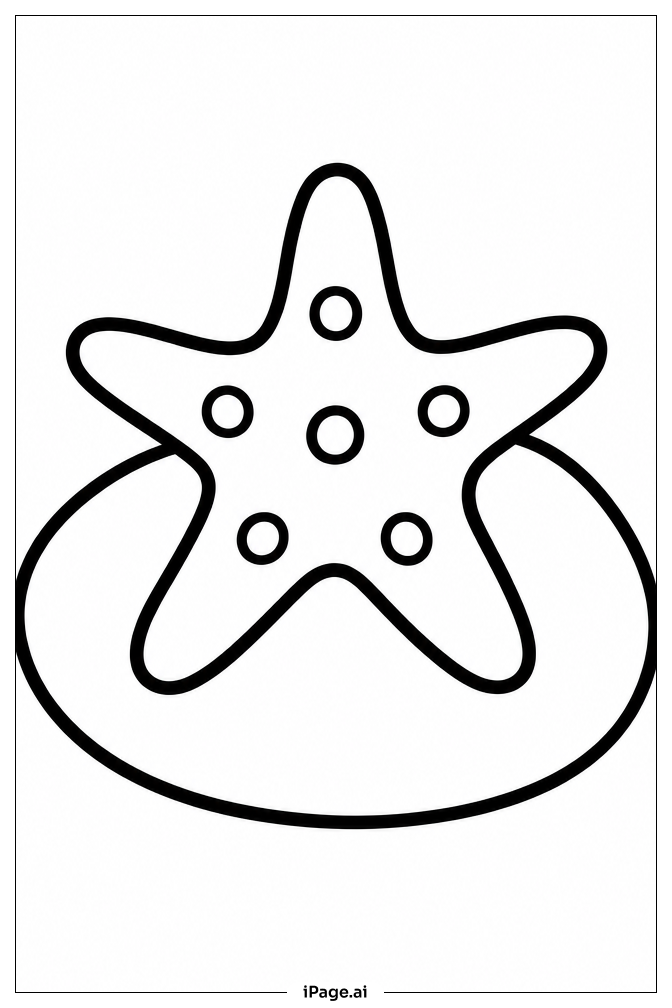
Coloring tips: How to color Starfish On Pebble coloring page well?
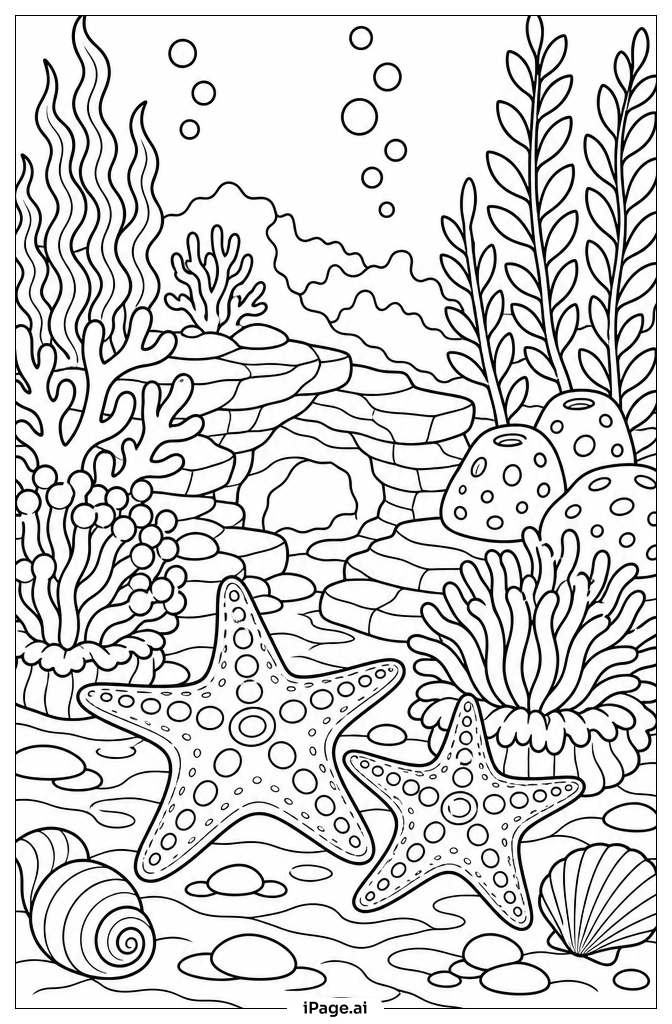
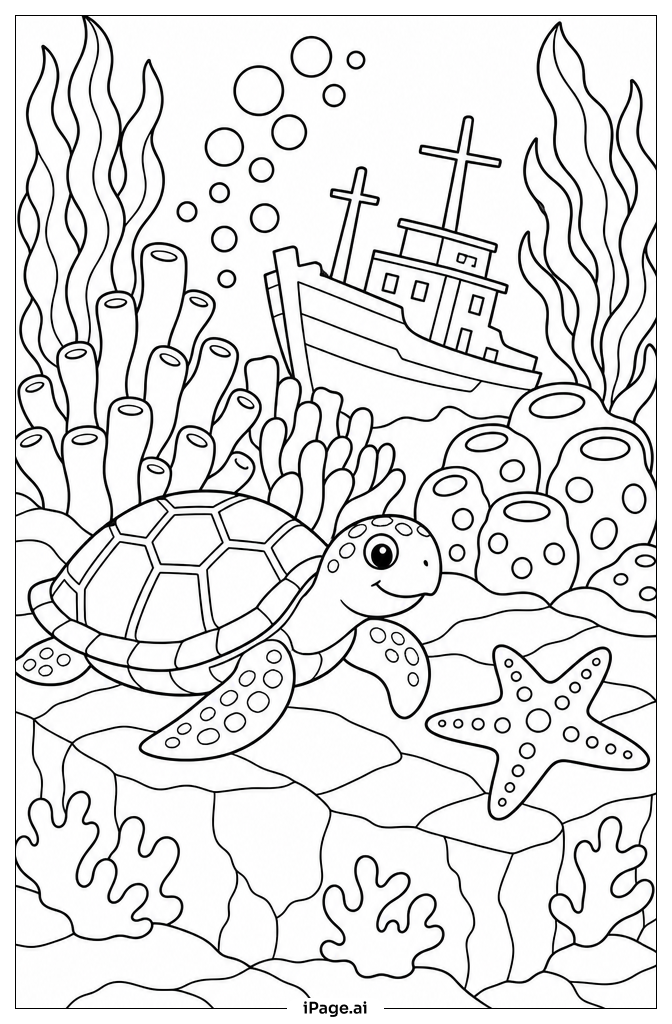
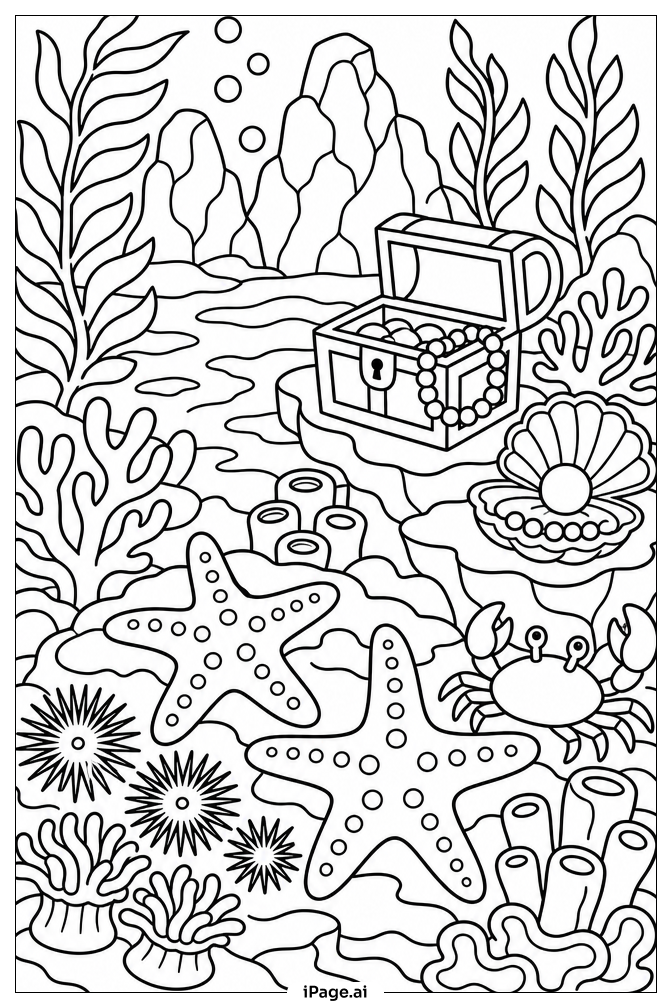
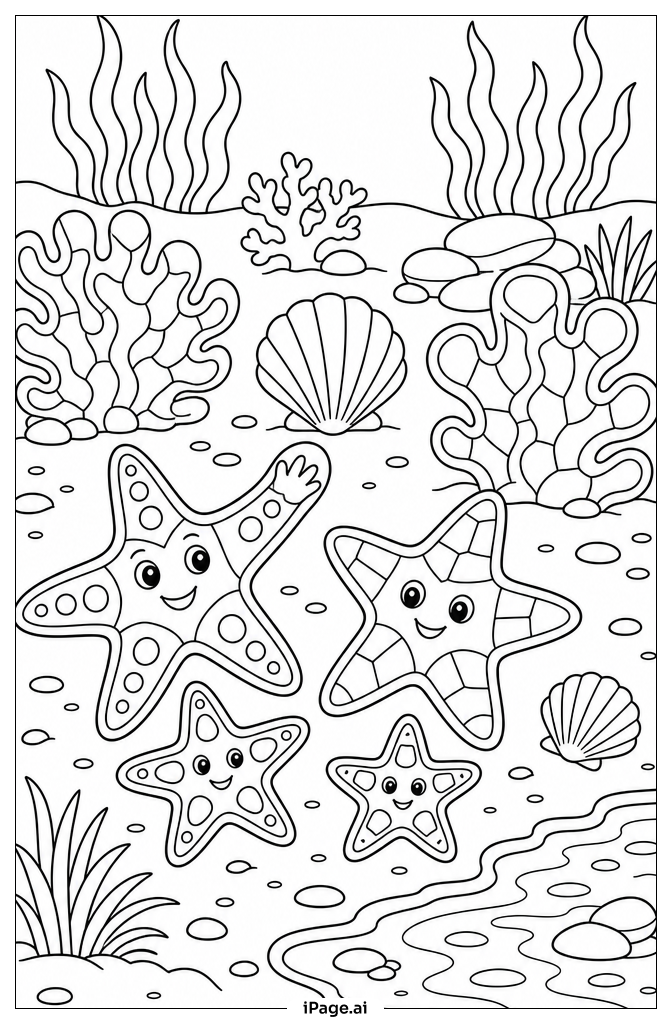
Start with the starfish and choose warm, ocean-inspired colors. Orange, reddish-brown, or golden yellow are classic starfish colors. You can also go creative and use purple or pink for a fun twist! Color each arm the same shade, or try slightly different tones on each one to make it look three-dimensional.
For the pebble, use soft grays, tans, or light browns. Add a slightly darker shade on one side to show shadow and make it look round.
The smaller pebbles around the scene can be colored in a mix of muted tones — beige, gray, and soft green work great together. Use a light blue or sandy yellow for the background to suggest a beach or tide pool setting.
Take your time with the starfish's bumpy texture. Use a slightly darker version of your base color to fill in the dots and raised spots. This small detail makes the whole image come alive!
Coloring challenges: Which parts are difficult to color and need attention for Starfish On Pebble coloring page?
Coloring this image looks simple at first, but it comes with a few fun challenges to work through:
• **Starfish texture details:** The surface of the starfish is covered in small bumps, dots, and repeating patterns across all five arms. Staying inside these tiny shapes requires patience and a fine-tipped colored pencil or marker. Rushing through this section can make the texture look flat, so take it slow and enjoy the process.
• **Creating depth on the pebble:** The pebble appears smooth and rounded, but coloring a flat shape to look three-dimensional takes skill. You need to apply a lighter color in the center or toward the light source, and gradually shade darker toward the edges. Blending two tones seamlessly without harsh lines can be tricky, especially for younger colorists.
• **Balancing the background elements:** The scattered small pebbles and shell fragments around the scene need to feel natural without overpowering the main starfish. Choosing colors that complement but don't compete with the focal point is a real artistic challenge.
• **Color consistency across all five arms:** Since a starfish has five arms of the same shape, keeping your color and shading consistent across each arm helps the image look polished. It is easy to accidentally make one arm darker or lighter than the others.
• **Choosing a cohesive color palette:** Pulling together colors for the starfish, pebble, small rocks, and background so that everything feels like a unified beach scene — rather than a random collection of shapes — requires some thought and planning before you start.
Benefits of coloring books: Advantages of drawing Starfish On Pebble coloring page
Coloring this Starfish On Pebble page offers a wonderful range of benefits for kids and older colorists alike.
For younger children, tracing along the detailed lines of the starfish arms and pebble shapes helps build fine motor skills and hand-eye coordination. Choosing and mixing colors to match a real ocean creature also sparks curiosity about the natural world and marine life.
For older kids and teens, the textured surface of the starfish provides a great opportunity to practice shading and blending techniques. Experimenting with highlights and shadows on the smooth pebble teaches real artistic skills that carry over into other creative projects.
For all ages, the quiet, focused nature of coloring this calm coastal scene is a great way to unwind and reduce stress. The simple, peaceful subject matter — a starfish resting on a rock — encourages mindfulness and patience.
This page also invites creativity. There is no single "right" way to color a starfish, so kids feel free to experiment with bold or unusual color choices without fear of making a mistake. That kind of creative confidence is one of the best gifts coloring can give.