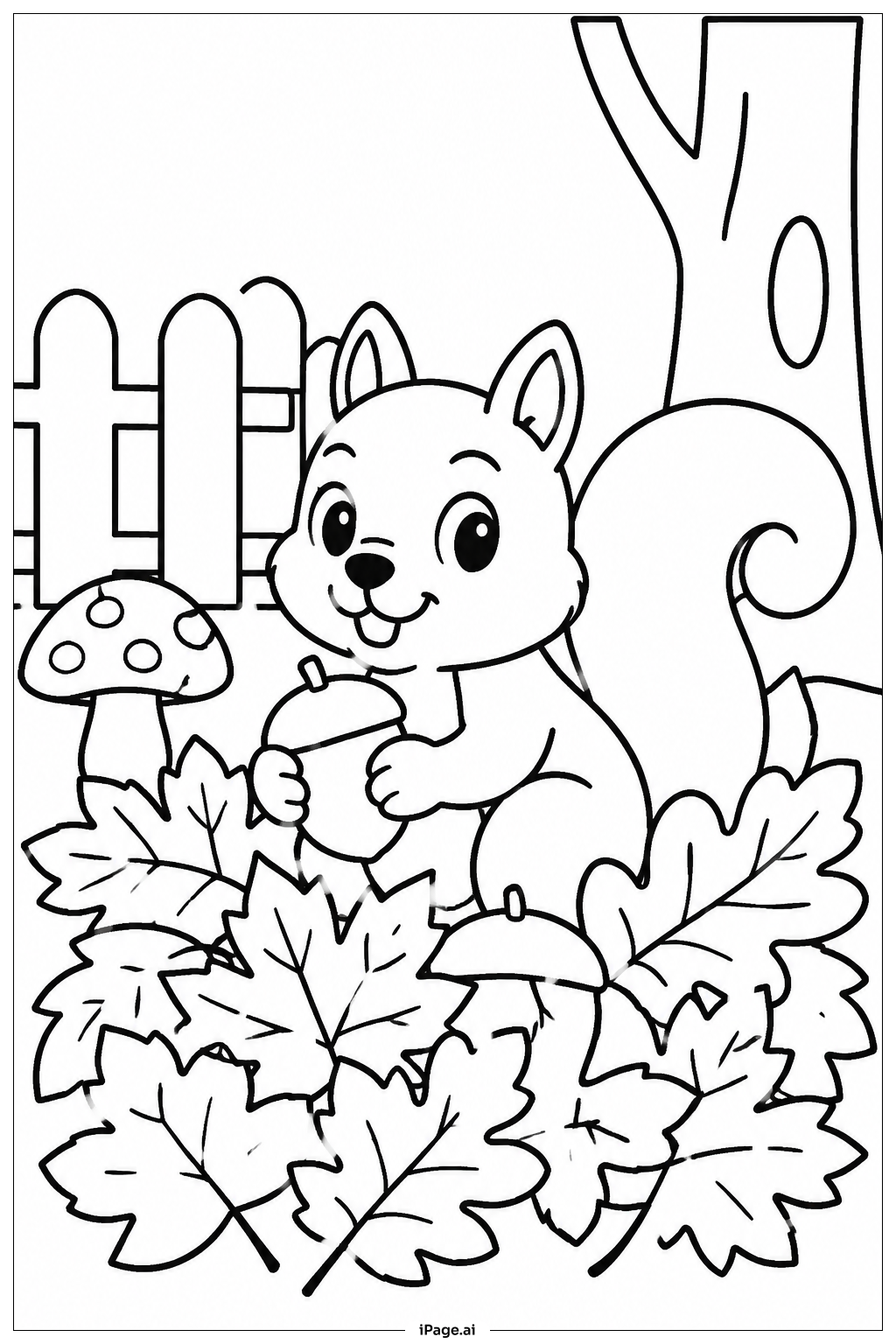
Coloring tips: How to color Squirrel In Autumn Leaves coloring page well?
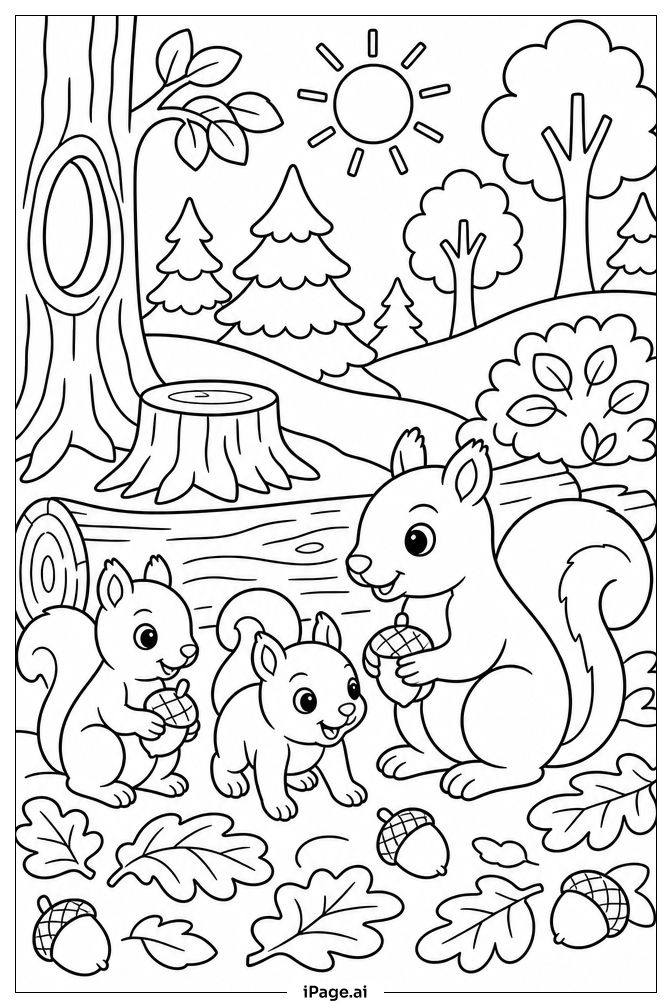
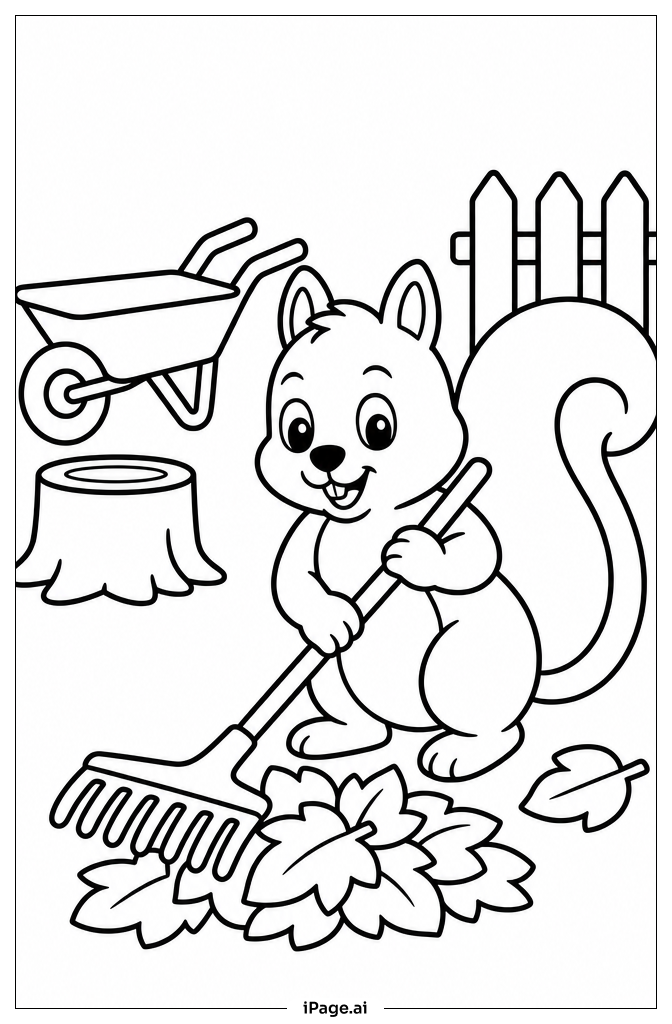
To color this wonderful autumn scene, start with warm colors for the leaves. Use shades like orange, yellow, red, and brown to create a lively fall feeling. You can add some green or golden tones to show the variety of leaves during autumn. For the squirrel, try using different browns, reds, or even a little gray to make its fur look soft and fluffy. Don’t forget to color the eyes shiny black or dark brown for a friendly sparkle. You might want to color the background softly with light blues or greens to highlight the colorful leaves and squirrel. Feel free to mix and blend colors gently for a natural look or use bold bright colors for a fun, imaginative style.
Coloring challenges: Which parts are difficult to color and need attention for Squirrel In Autumn Leaves coloring page?
• The fine details of the squirrel’s fur require careful coloring to keep the texture visible without smudging colors.
• The many overlapping leaves pose a challenge to choose colors that balance well and avoid making the picture look too busy or cluttered.
• Coloring small parts, such as the squirrel’s ears, eyes, and paws, demands steady hand control to stay inside the lines.
• Capturing the natural gradient in autumn leaves means blending colors like red, orange, and yellow smoothly, which can be tricky for younger children.
• Maintaining contrast between the squirrel and the leaf background can be difficult, since both have warm earthy tones; selecting diverse shades helps make the squirrel stand out clearly.
Benefits of coloring books: Advantages of drawing Squirrel In Autumn Leaves coloring page
Coloring this image helps children develop fine motor skills and hand-eye coordination by coloring detailed areas carefully. It also encourages creativity as they experiment with mixing warm autumn hues to create a natural fall scene. This activity promotes focus and patience while they manage coloring small and intricate parts of the squirrel and leaves. Furthermore, engaging with an autumn nature theme can increase awareness and appreciation for seasonal changes in the environment. For children aged 4–16, it provides a calming and enjoyable way to practice color recognition and artistic expression.