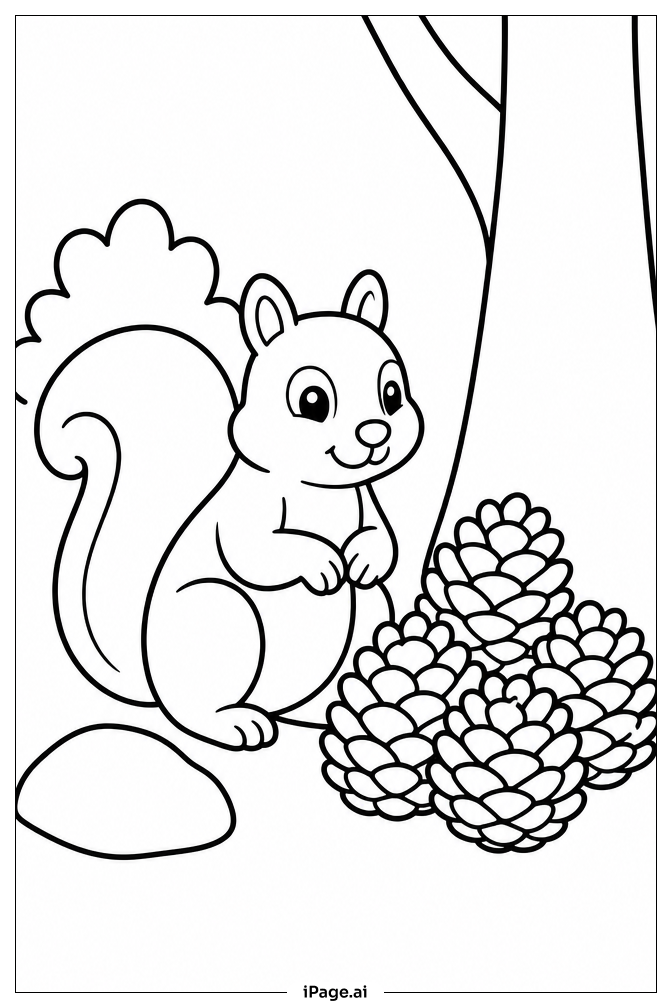
Coloring tips: How to color Squirrel Near Pinecone Pile coloring page well?
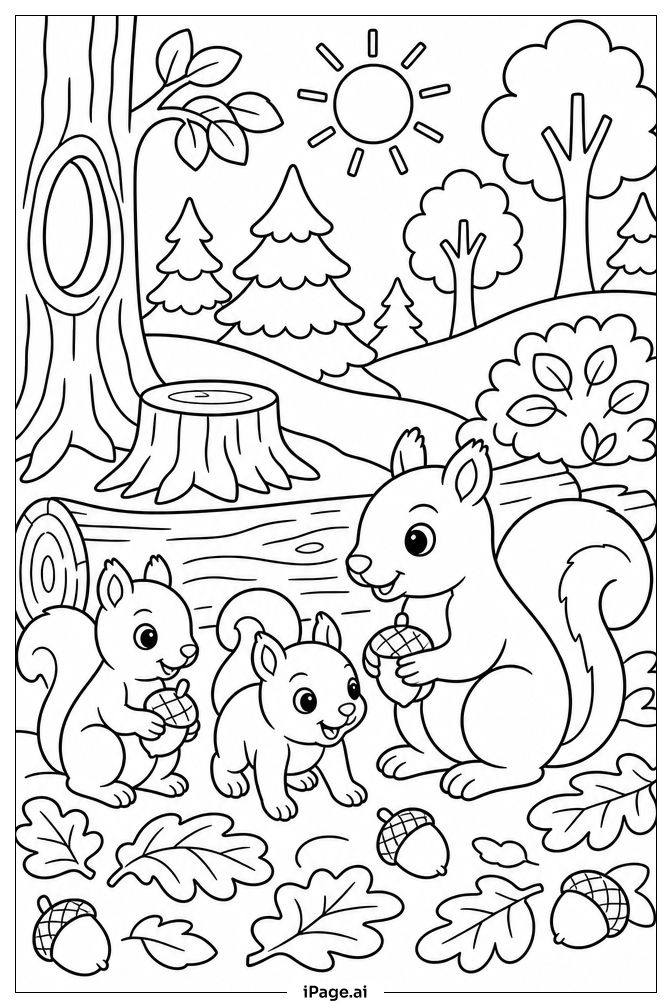
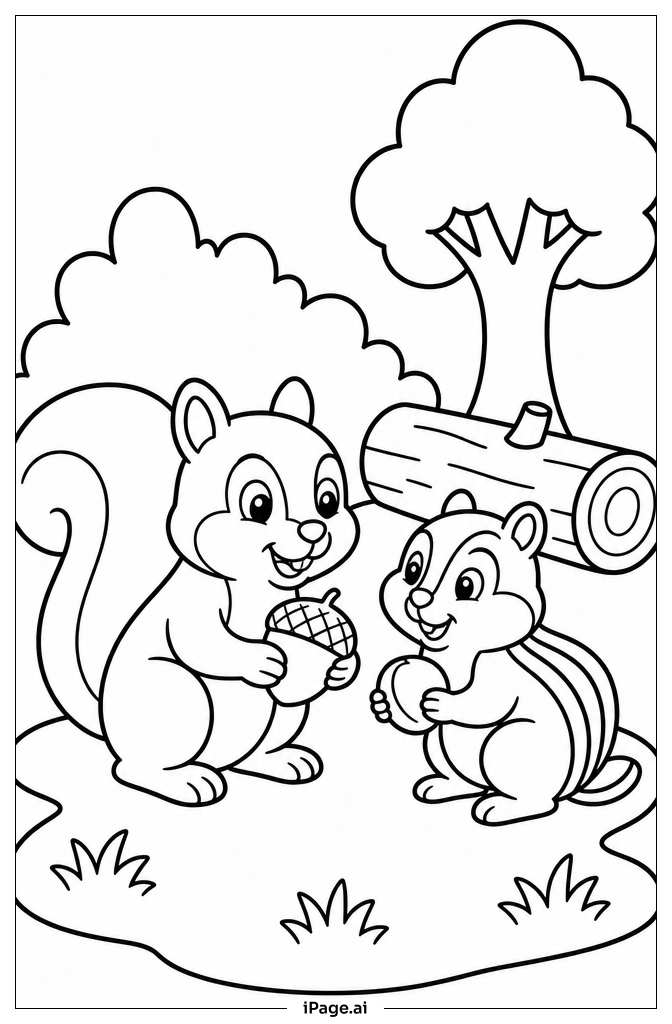
For coloring this image, consider using warm browns and soft oranges for the Squirrel’s fur to make it look natural and lively. The bushy tail can be shaded with darker browns and maybe a little gray to show texture. Pinecones can be colored in rich browns with touches of amber to show their rough scales. Try adding some greens for any leaves or twigs in the background to create a forest feel. Don’t be afraid to use different shades of brown and green to give depth. You can also add some light shading under the pinecones to make them stand out. Bright colors will make the Squirrel look playful and the pinecone pile feel full and real.
Coloring challenges: Which parts are difficult to color and need attention for Squirrel Near Pinecone Pile coloring page?
• The Squirrel’s fur has many small details that require careful coloring to show its fluffy texture. Using too much color in one area can make it look flat.
• Pinecones have lots of tiny scales that need patience to color neatly, especially where they overlap each other.
• The bushy tail curves and changes direction, so maintaining consistent shading while showing volume can be tricky.
• The small paws and face need fine control to keep the features clear and distinct, which can challenge younger children.
• Coloring the background elements like twigs and leaves without overshadowing the main subject requires subtle color choices and attention to balance.
Benefits of coloring books: Advantages of drawing Squirrel Near Pinecone Pile coloring page
Coloring this image helps children develop fine motor skills by carefully filling small areas like the pinecone scales and the squirrel’s fur. It encourages attention to detail and patience because of the many intricate parts. Choosing colors and shading teaches color recognition and how different tones can create depth and texture. This activity also sparks imagination, letting children explore woodland themes and connect with nature. Moreover, coloring a wildlife scene promotes relaxation and focus, helping build concentration and creativity in young artists.