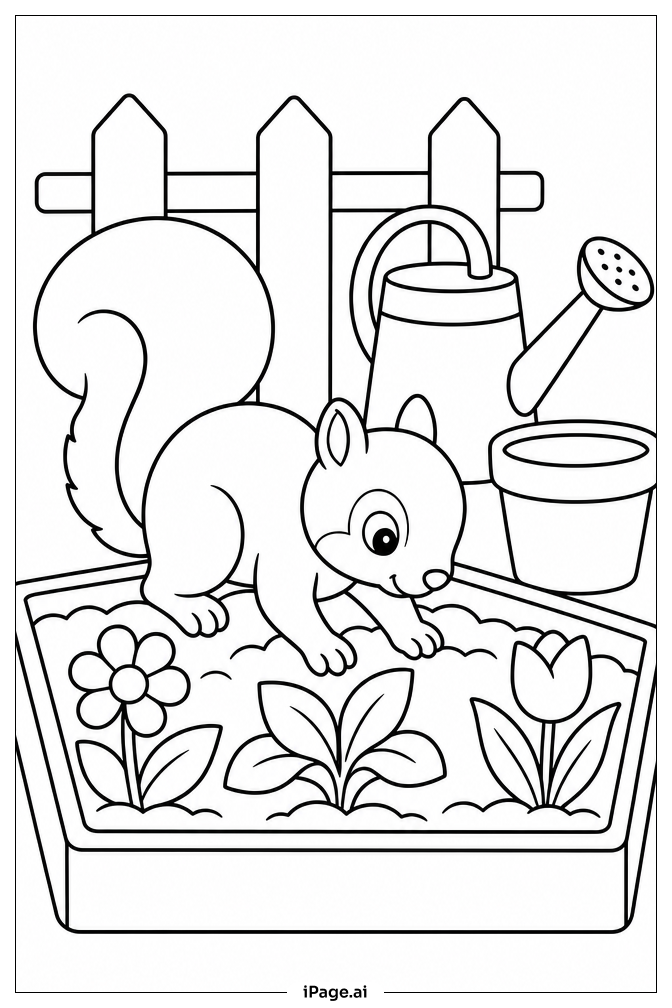
Coloring tips: How to color Squirrel Exploring Garden coloring page well?
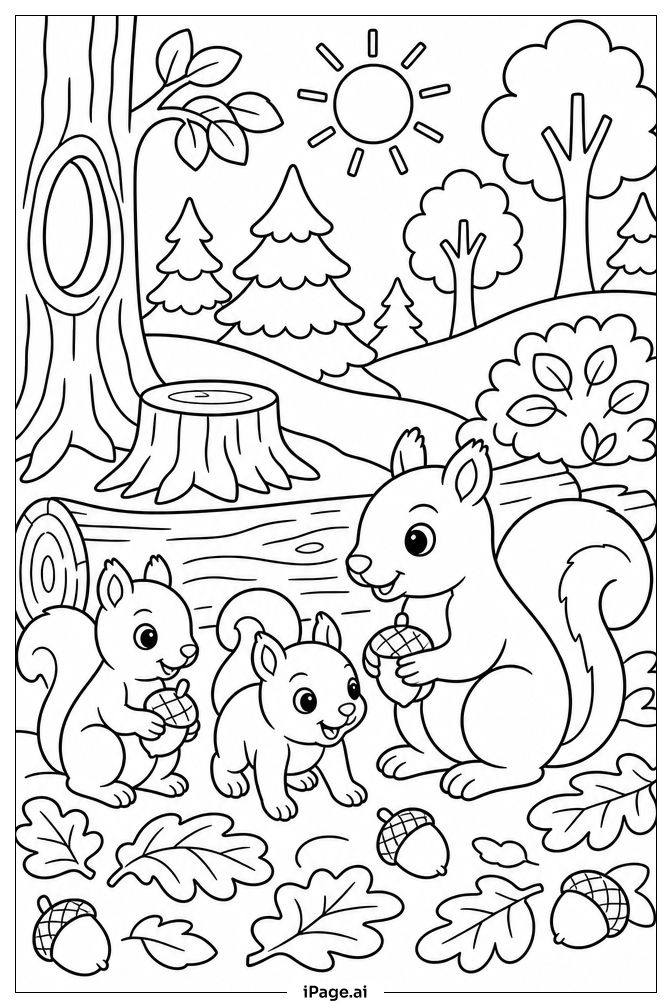
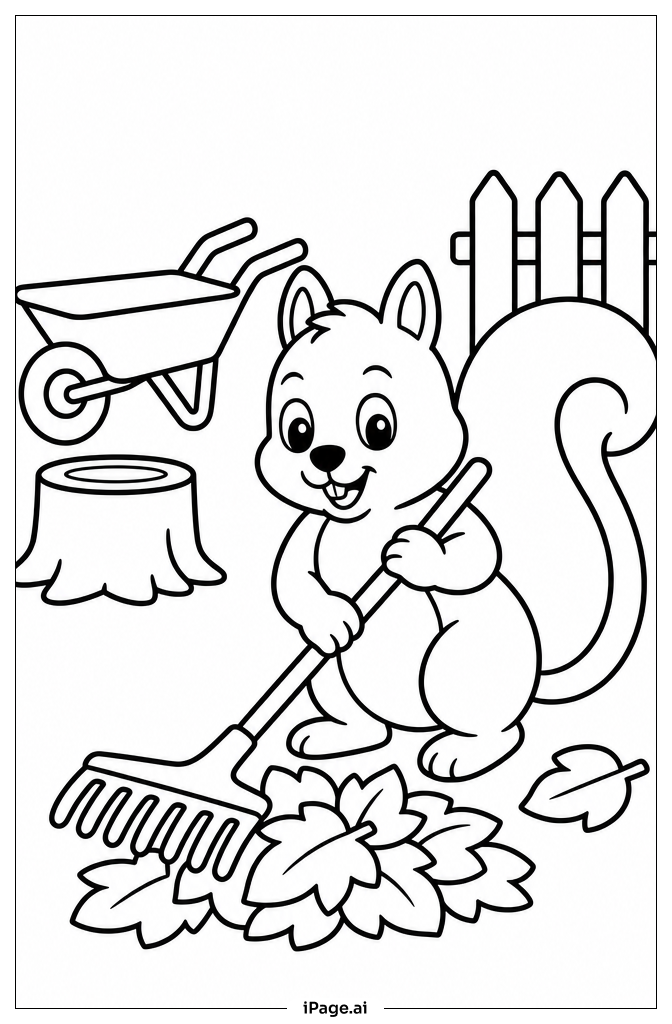
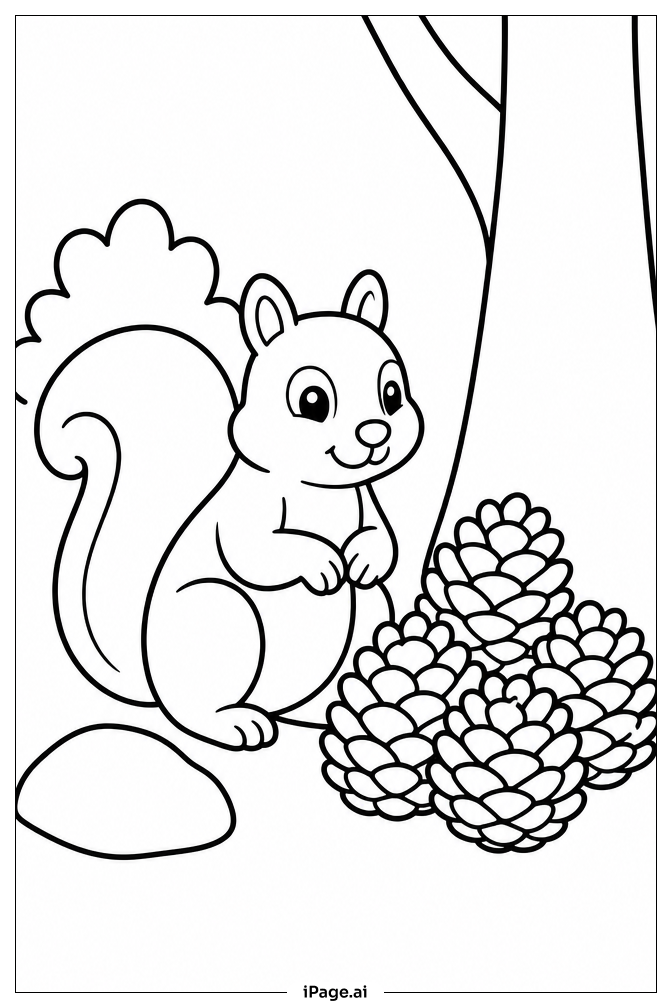
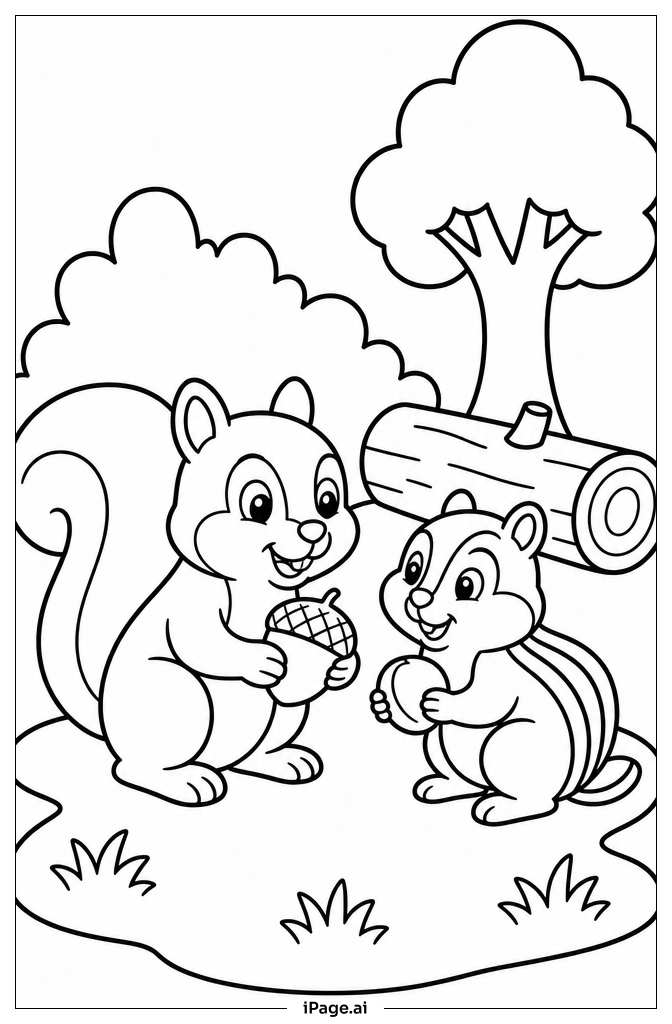
For this Squirrel Exploring Garden image, consider using warm browns and soft grays for the Squirrel’s fur to make it look natural yet lively. You can choose a mix of green shades—light and dark—for the leaves and plants to create depth in the garden. Try bright colors like red or yellow for the flowers to add cheerful pops throughout the scene. The wooden fence can be colored with earthy tones such as tan or light brown. Feel free to use reds or purples for the berries to make them stand out. You can also experiment with blending colors gently for the sky or background to give a soft, welcoming feel. Remember to have fun with the colors and make the garden feel alive and inviting!
Coloring challenges: Which parts are difficult to color and need attention for Squirrel Exploring Garden coloring page?
• The fine details in the Squirrel’s fur and bushy tail might be challenging to color neatly, especially for younger children, requiring patience and careful strokes.
• The intricate leaves and plants vary in size and overlap, making it tricky to choose the right shades that keep the garden looking natural without becoming too busy.
• The small berries scattered around need precise coloring to avoid going outside the lines, which may strain hand-eye coordination for beginners.
• The fence has a wood texture pattern that might be difficult to replicate smoothly with coloring tools without making it look blotchy or uneven.
• Balancing bright flower colors with the more muted earthy tones of the squirrel and fence can pose a challenge to achieve a harmonious and visually appealing overall picture.
These elements require focus and fine motor skills but provide great practice opportunities for improving control and attention to detail while coloring.
Benefits of coloring books: Advantages of drawing Squirrel Exploring Garden coloring page
Coloring this Squirrel Exploring Garden helps children improve hand-eye coordination and fine motor skills as they carefully fill in small details like the fur and leaves. It encourages creativity by allowing them to choose their own colors for the natural garden scene, fostering imagination and artistic expression. Working on this picture also promotes focus and patience, important skills for kids aged 4 to 16. Additionally, coloring nature-themed pages like this one can create mindfulness and relaxation, reducing stress and providing a calming activity. Overall, this image offers a fun and educational way to connect with nature’s beauty while building coloring skills.