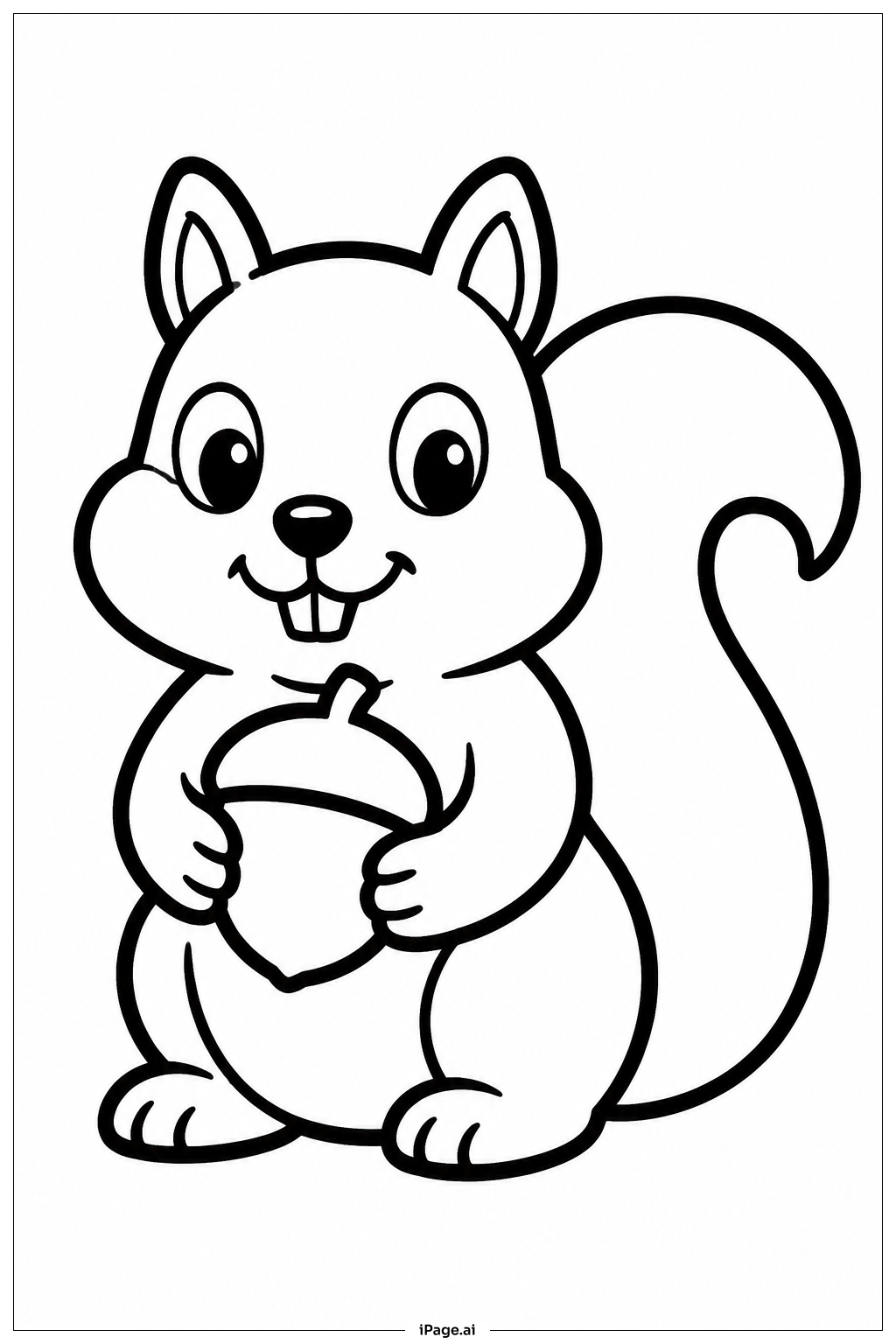
Coloring tips: How to color Squirrel Holding Acorn coloring page well?
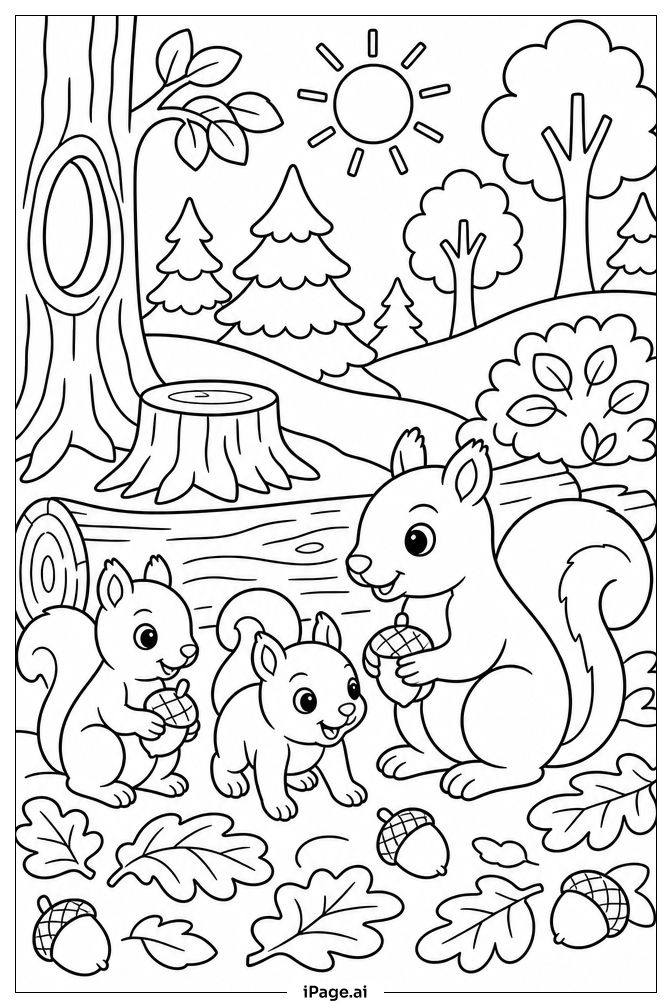
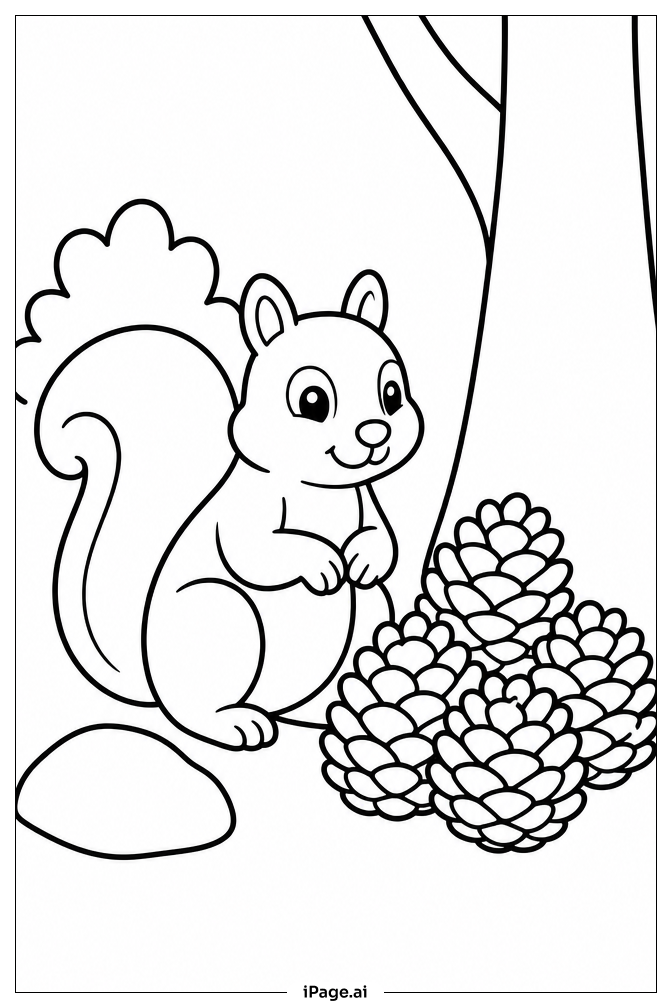
To color this adorable Squirrel Holding Acorn, start with warm shades of brown and orange for the squirrel’s fur to give it a natural look. Use lighter browns or creams on the belly and inner ears for contrast. The acorn can be a deep chestnut brown with a darker brown cap to highlight its texture. Add touches of green or earthy colors around the squirrel if you like to create a forest floor in the background. Don’t be afraid to blend colors gently on the tail to emphasize its fluffiness. Using bright colors for the eyes will help make the squirrel look lively and curious.
Coloring challenges: Which parts are difficult to color and need attention for Squirrel Holding Acorn coloring page?
• The detailed fur pattern requires careful coloring to show texture without making the image too dark or messy. Blending and layering colors softly helps keep it natural.
• The shape and shading of the acorn involve tiny areas that need precision to color inside lines clearly without overlapping.
• The squirrel’s tail has many curved lines and overlapping sections, which can be tricky for younger colorers to stay within the lines.
• Achieving contrast between the squirrel’s body and the acorn can be challenging, as both use similar brown hues; using varied shades is key.
• Ensuring the small features such as the eyes, nose, and ears stand out while coloring the surrounding large areas demands attention to detail.
Benefits of coloring books: Advantages of drawing Squirrel Holding Acorn coloring page
Coloring the Squirrel Holding Acorn image encourages focus and fine motor skills, especially when working on the detailed fur and small acorn textures. It offers a fun way to learn about blending warm and earthy colors found in nature. This activity also promotes creativity by allowing kids and adults to experiment with shading and highlights to bring the squirrel’s personality to life. Coloring this image can boost patience and relaxation, providing a calm moment while connecting with themes of wildlife and the changing seasons.