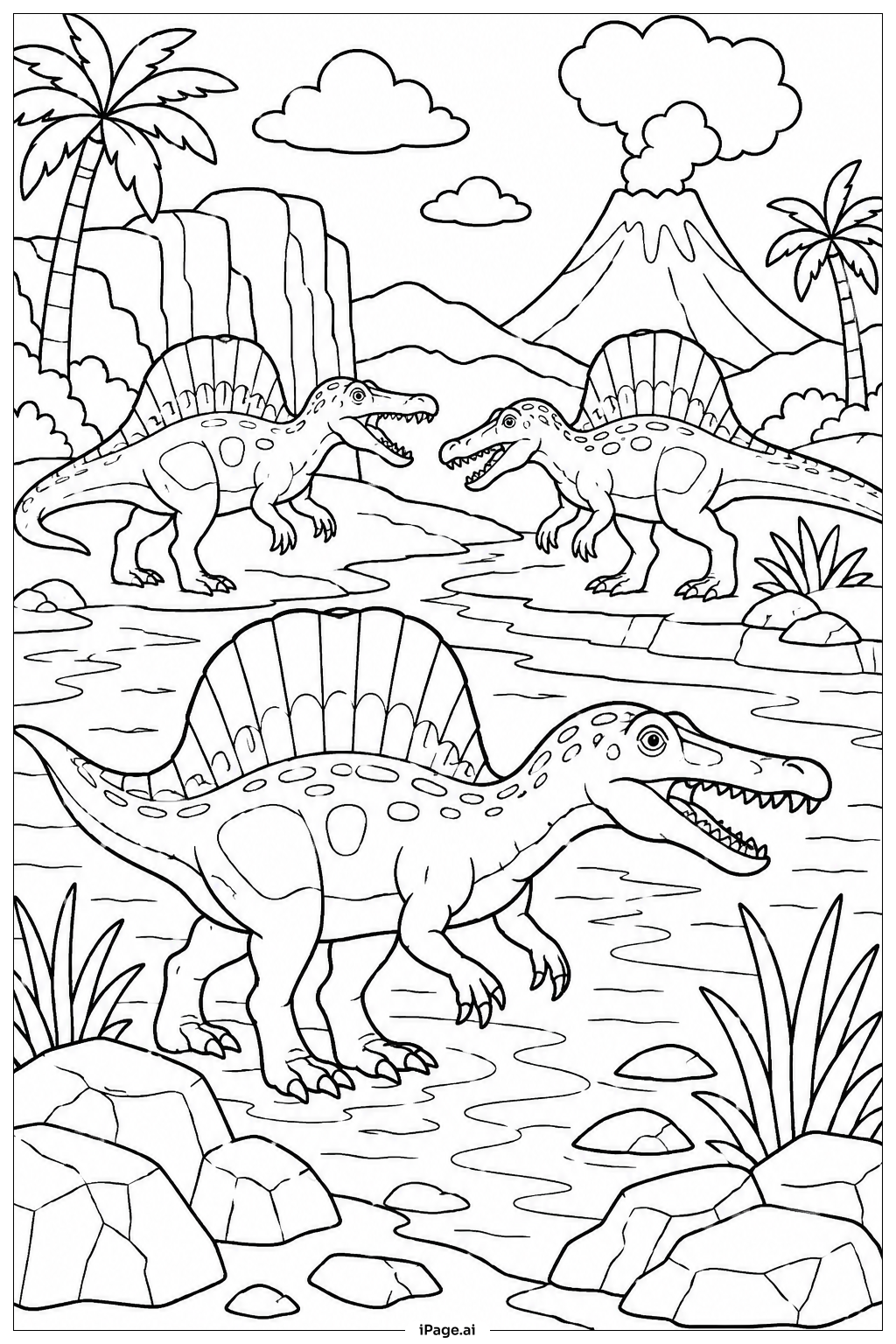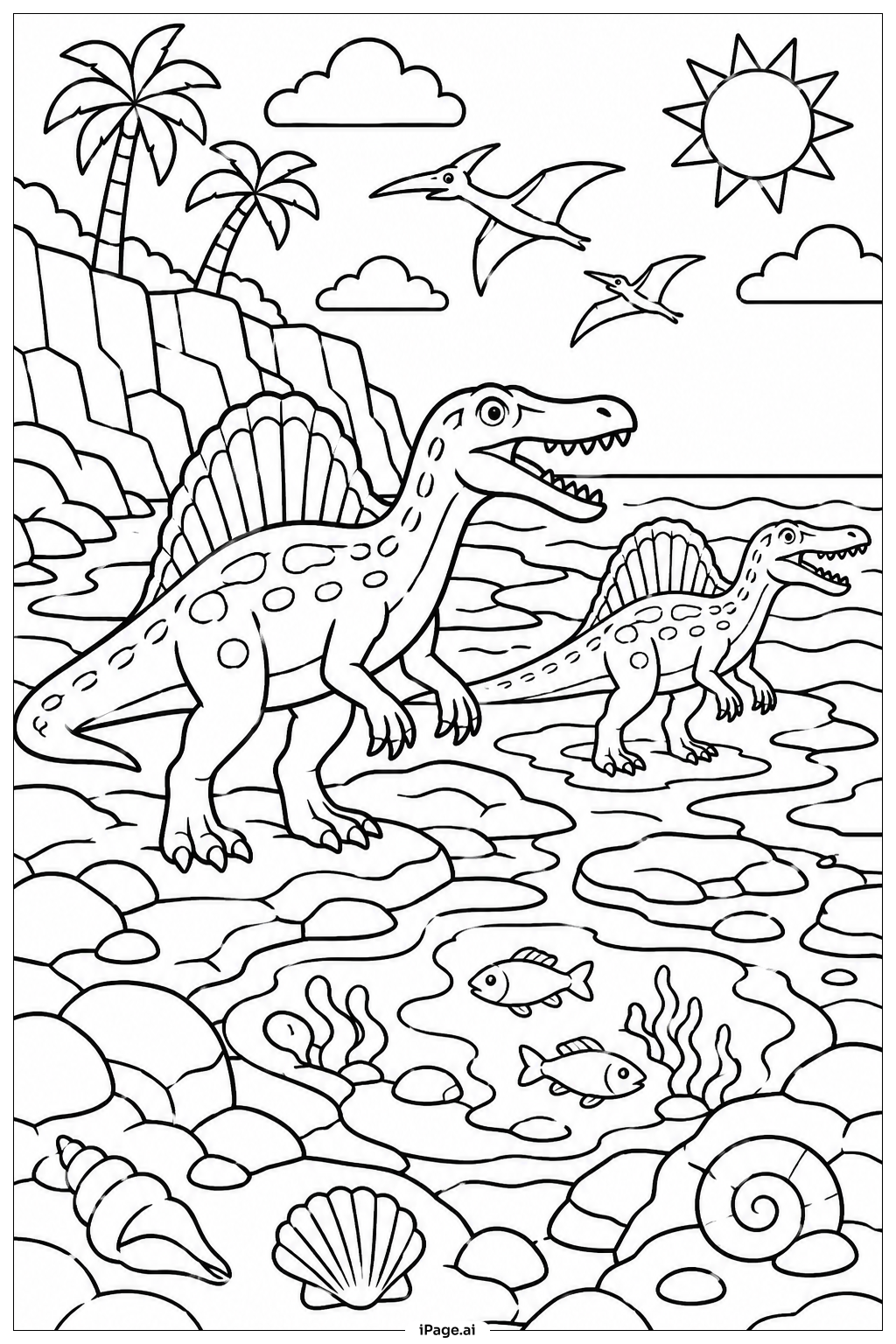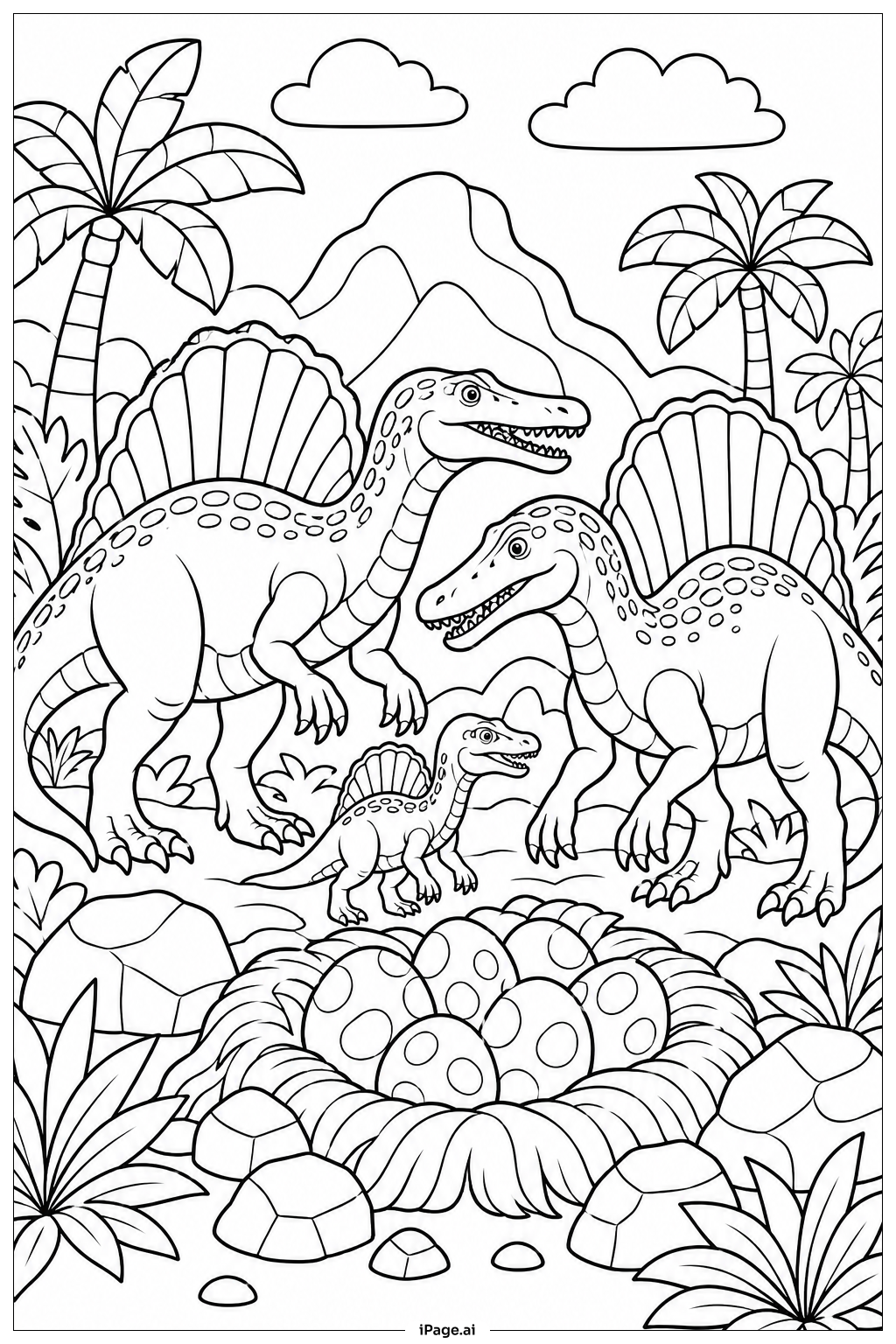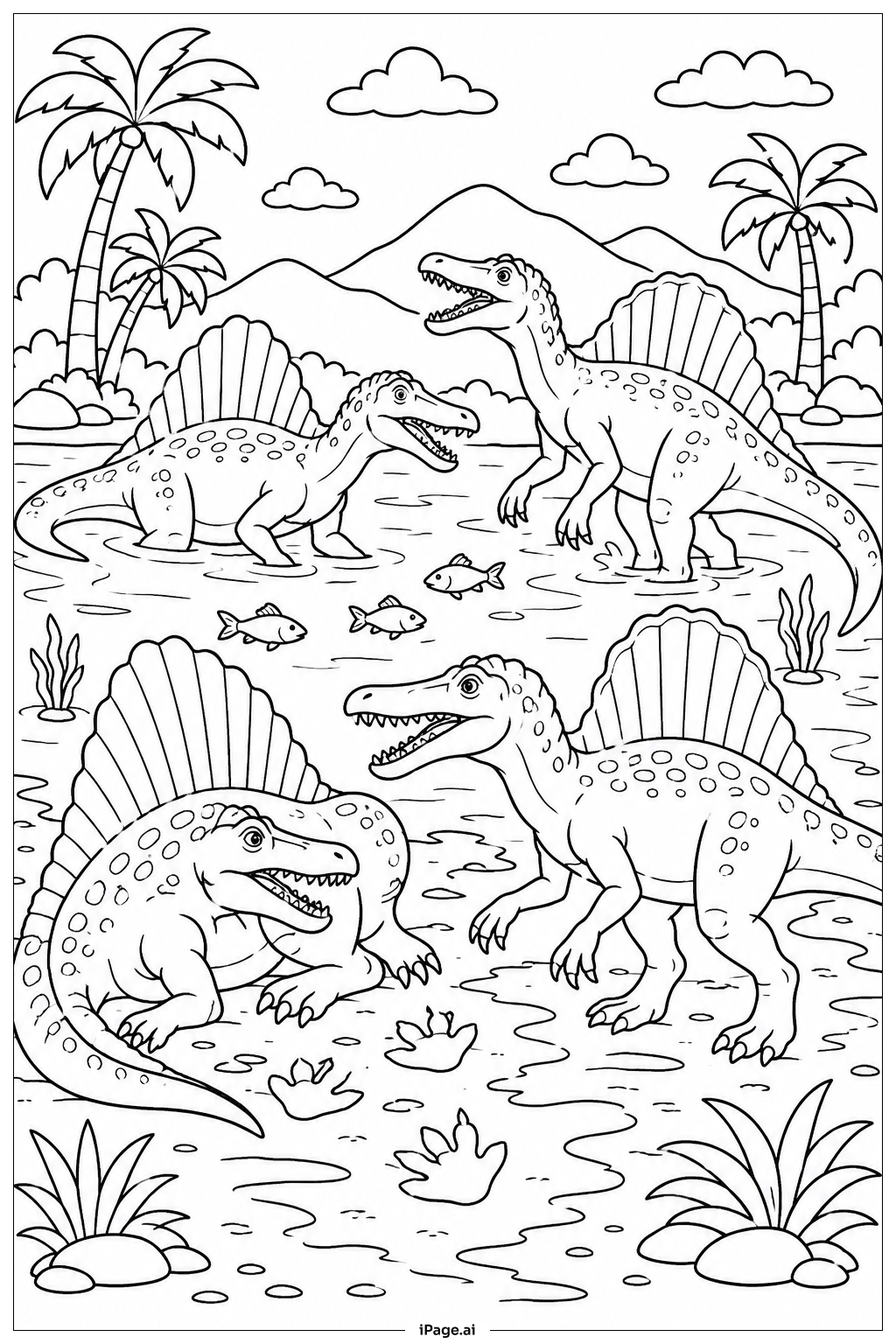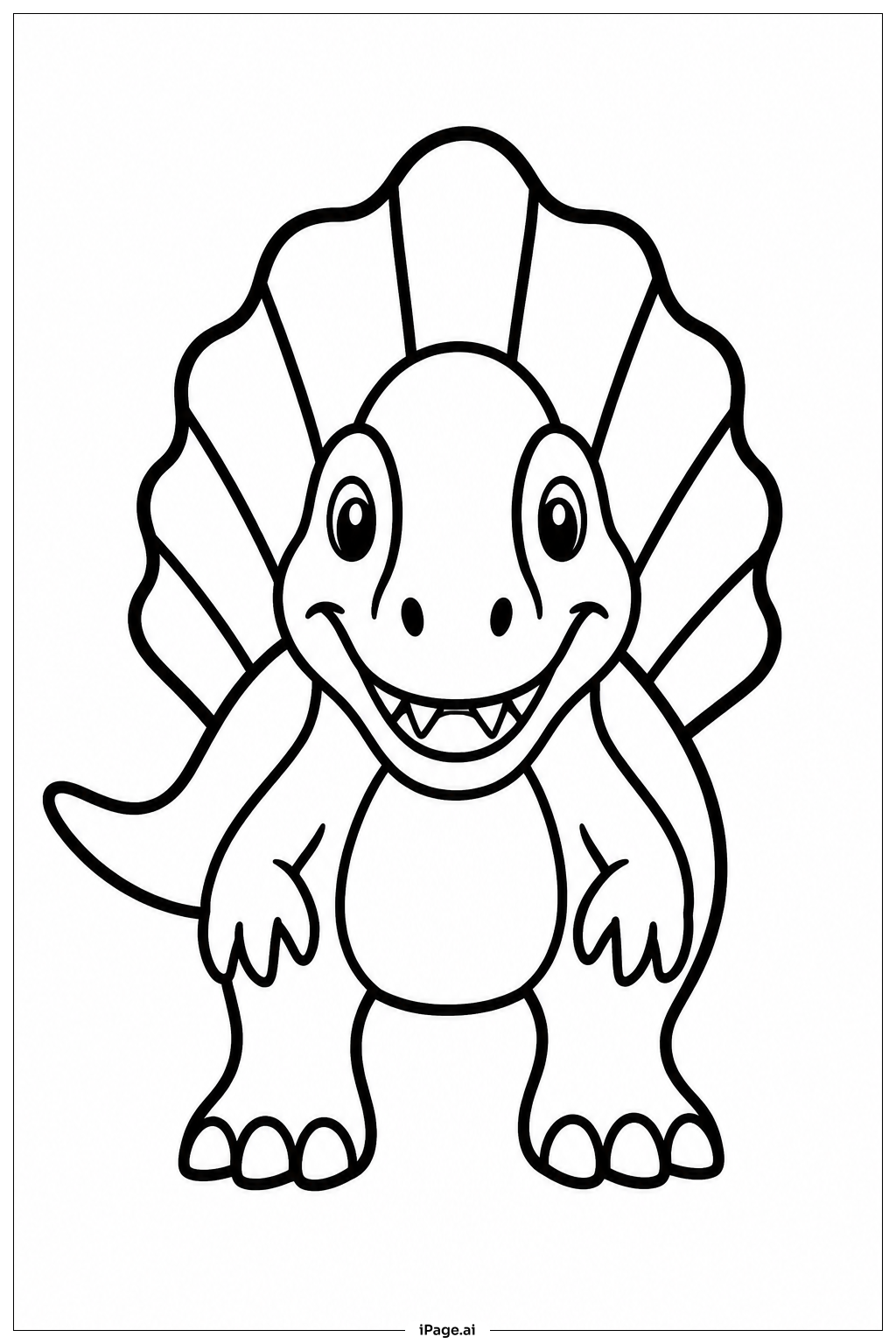
Coloring tips: How to color Spinosaurus Portrait coloring page well?
You can use different shades of brown, green, or gray for the Spinosaurus’s skin to make it look realistic. The sail on its back can be colored in brighter or contrasting colors like red, orange, or yellow to make it stand out. Try using darker colors around the eyes and mouth to give the dinosaur a fierce look. For extra fun, you might add some blue or purple hues in the shadows to create depth. Don’t forget to color the sharp teeth white or light gray. You can also experiment with patterns like stripes or spots on the skin to make your Spinosaurus unique and exciting.
Coloring challenges: Which parts are difficult to color and need attention for Spinosaurus Portrait coloring page?
• Detailed Scales: The portrait includes many small scales and skin textures that require careful coloring to avoid smudging colors outside the lines. Concentration and patience are needed to color each scale evenly.
• Sail Complexity: The sail has thin and elongated spines that are close together. Coloring between these narrow spaces can be challenging and may require fine-tipped coloring tools.
• Sharp Teeth and Mouth: The teeth are small and numerous, demanding precision to color them white without touching the dark areas around the mouth.
• Shading and Depth: Achieving a natural look involves blending colors smoothly on the skin and around the neck. This can be difficult for beginners but is an excellent skill-building opportunity.
• Eye Detail: The eye is small but detailed, and coloring it carefully is important to keep the fierce expression clear and realistic.
Benefits of coloring books: Advantages of drawing Spinosaurus Portrait coloring page
Coloring this Spinosaurus Portrait helps improve hand-eye coordination and fine motor skills due to the detailed textures and small spaces. It encourages patience and concentration as children work to color within intricate lines and patterns. Experimenting with different colors and shading techniques also boosts creativity and understanding of light and shadow. Additionally, learning about the Spinosaurus through coloring increases interest in dinosaurs and prehistoric life. Overall, this activity combines fun with educational benefits, making it rewarding for children aged 4–16.