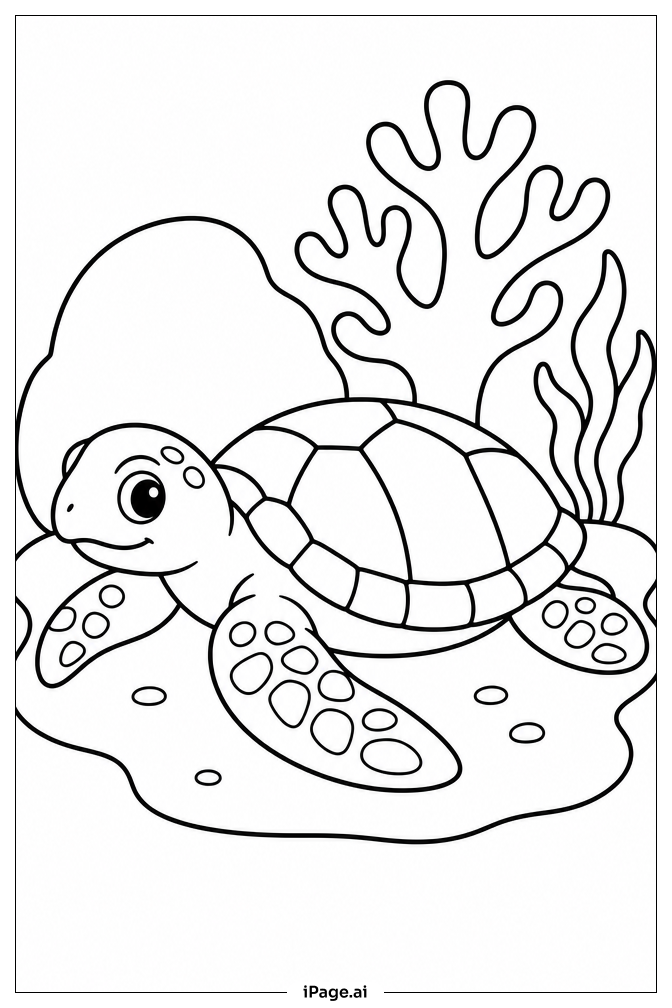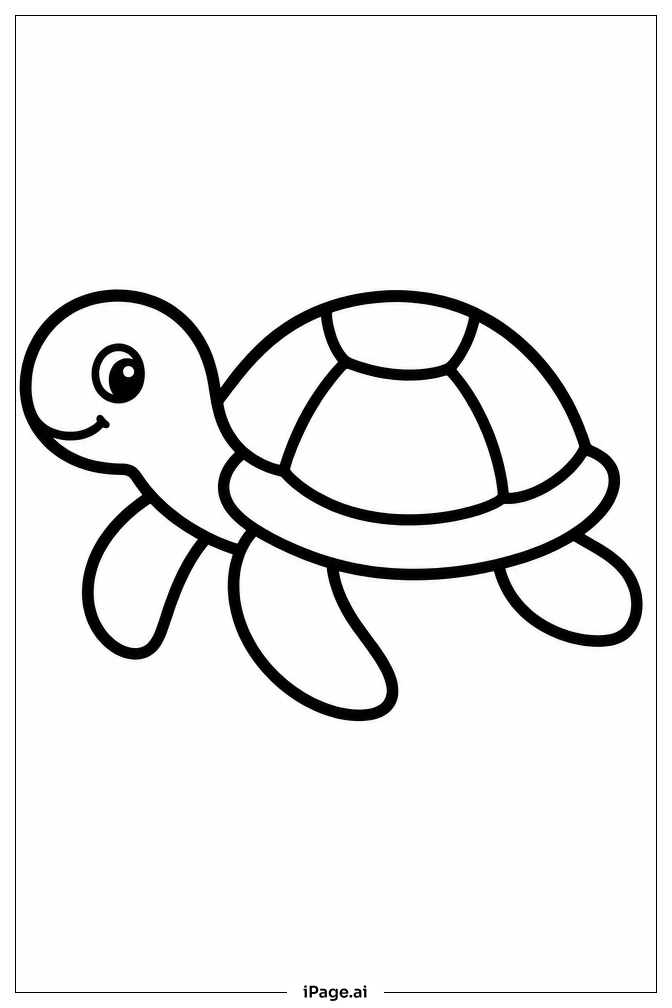
Coloring tips: How to color Sea Turtle With Rounded Shell coloring page well?
Start with the shell, which is the star of this image. Use a mix of greens and browns — olive green, forest green, and warm brown work beautifully together. Make each scute on the shell slightly different to give it a natural, realistic look. For the flippers and head, use a lighter shade of green or teal to show they are softer than the hard shell. Add a pale yellow or cream to the belly area for contrast. For the background water, try light blue or aqua tones with soft blending. Color the seaweed in bright and dark greens, and use soft pinks and oranges for the coral pieces. The small bubbles can be left white or given a light blue tint. Using colored pencils lets you layer colors gently for a smooth finish. Watercolor paints can create a wonderful soft, watery effect that suits the ocean theme perfectly. Have fun mixing shades to make your sea turtle feel alive!
Coloring challenges: Which parts are difficult to color and need attention for Sea Turtle With Rounded Shell coloring page?
• Shell Pattern Complexity: The rounded shell is divided into many individual scute sections, each with its own outlined shape. Staying neatly within each small section requires a steady hand and patience, especially near the curved edges of the shell where sections become smaller and tighter. Young colorists may find this part the most time-consuming.
• Consistent Color Blending: To make the shell look three-dimensional and rounded, you need to gradually shift from lighter tones in the center to darker tones near the edges. Achieving smooth color transitions without harsh lines takes practice and careful layering, particularly with colored pencils or crayons.
• Flipper and Body Shading: The flippers are large and flat, but adding depth and a sense of movement requires subtle shading along the edges and under the body. Without shading, the flippers can look stiff or flat. Children may find it tricky to know where to add darker tones naturally.
• Background Water Details: The ocean background includes bubbles, seaweed, and coral elements scattered at different depths. Deciding which elements should be brighter and which should be softer to suggest distance adds a layer of artistic decision-making that can challenge beginners.
• Balancing Overall Colors: Bringing all elements together — the turtle, the shell, the plants, and the water — so that no single area looks too bright or too dull is a finishing challenge. Choosing a color palette that feels harmonious across the whole page requires stepping back and looking at the big picture.
Benefits of coloring books: Advantages of drawing Sea Turtle With Rounded Shell coloring page
Coloring this Sea Turtle With Rounded Shell page offers many wonderful benefits for kids and families alike. The detailed shell pattern is excellent for building fine motor skills and hand-eye coordination, as children carefully fill each section with color. Choosing which shades of green, blue, and brown to use encourages creative thinking and helps develop a personal sense of color and style. Focusing on a complex image like this one also strengthens concentration and patience, qualities that are helpful in school and everyday life. The ocean setting sparks curiosity about marine life and can inspire kids to learn more about real sea turtles, their habitats, and why it is important to protect them. Coloring together as a family creates a relaxed, screen-free bonding activity that everyone can enjoy at their own pace. For older children and adults, the intricate shell details provide a satisfying, almost meditative experience that helps reduce stress and calm the mind. Completing the page gives colorists of all ages a real sense of achievement and pride in their finished artwork. It is a simple activity with big, lasting rewards.