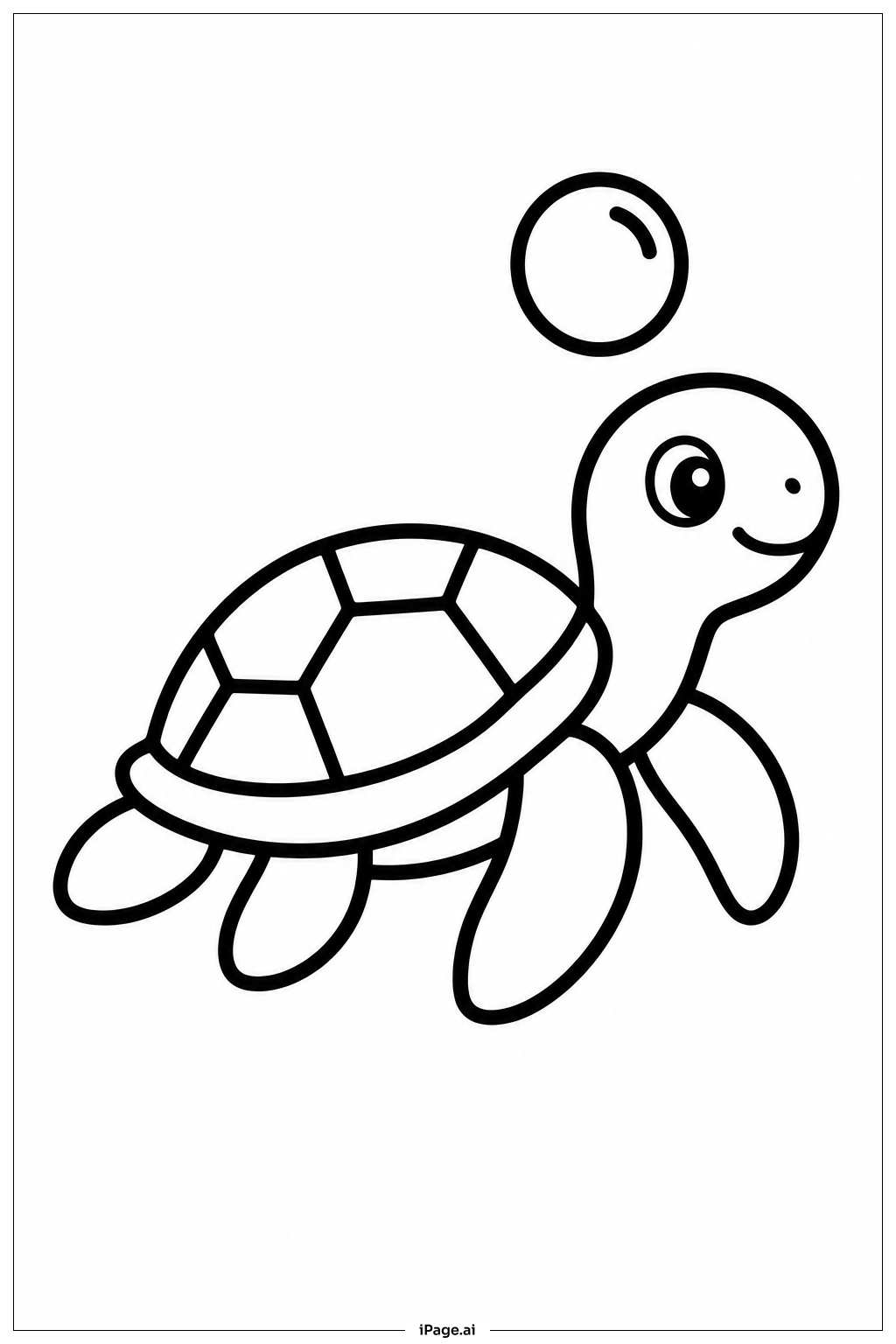
Coloring tips: How to color Sea Turtle With Bubble coloring page well?
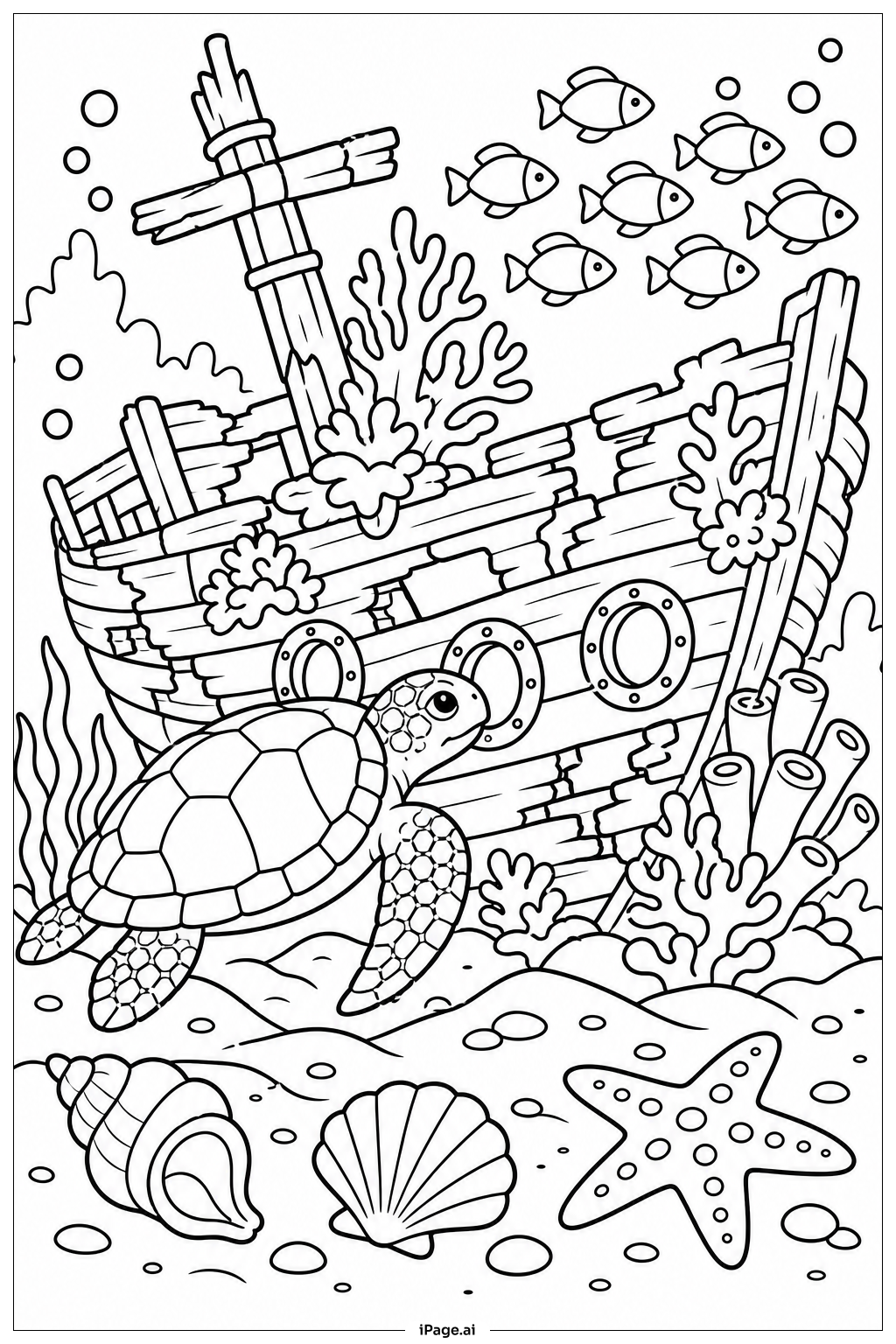
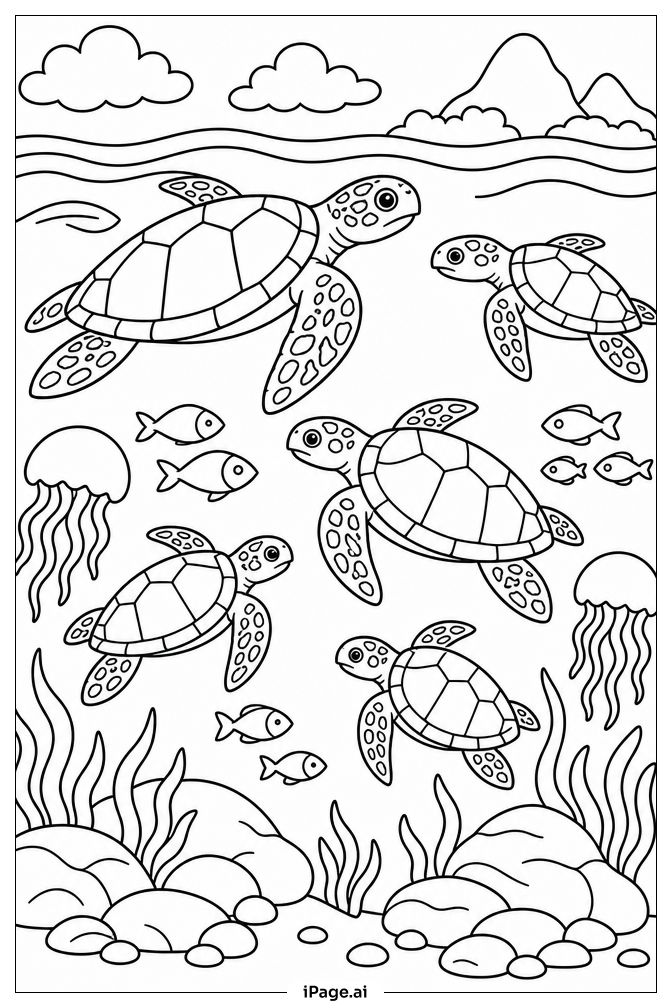
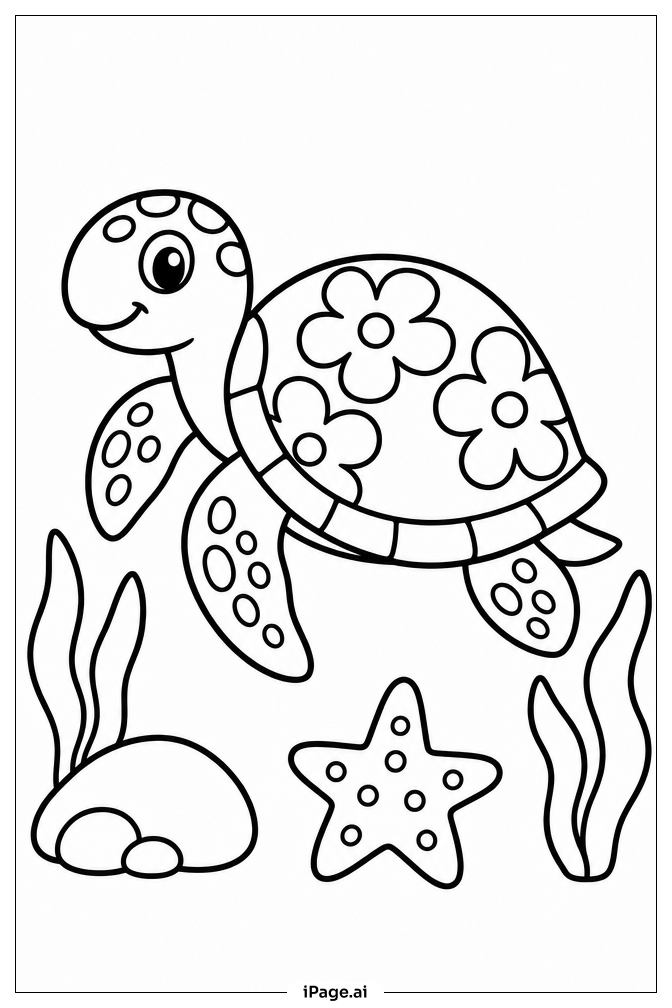
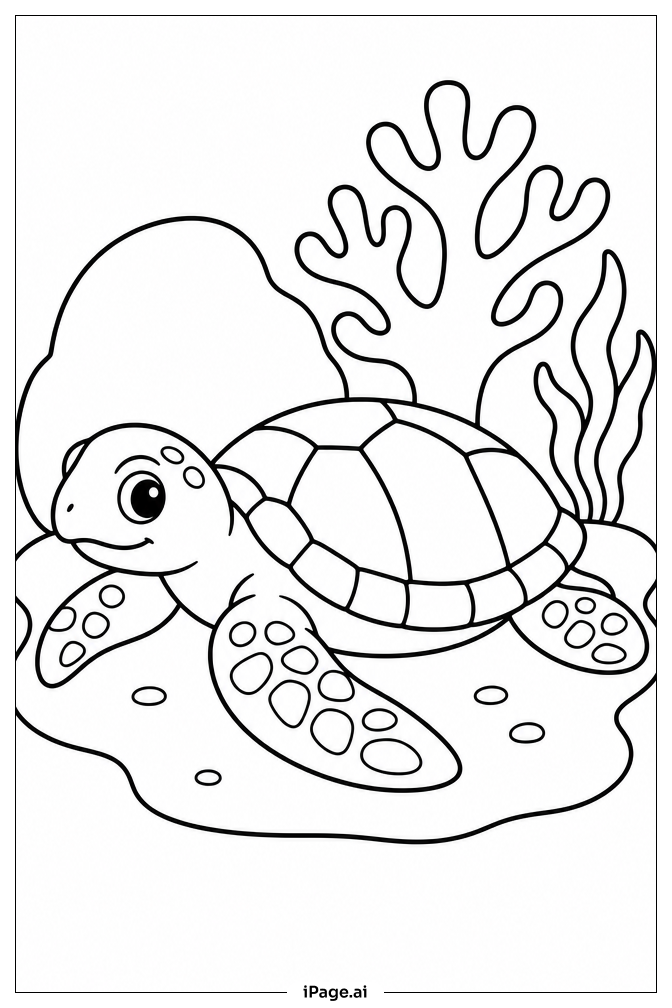
Start with the turtle's shell. Use different shades of green, such as olive green, forest green, and teal, to fill in each shell section. This creates depth and makes the pattern pop. For the turtle's body, flippers, and head, use a lighter green or brown to keep it natural looking. The bubbles can be colored in soft blue or light purple with a white highlight to make them look shiny and round. For the background, a gradient of ocean blues, from deep navy at the top to light aqua near the bottom, works beautifully. Add touches of yellow-green to the seaweed. Kids can also get creative and use rainbow colors for a fun, magical underwater feel. Try using colored pencils for fine details and crayons or markers for larger areas.
Coloring challenges: Which parts are difficult to color and need attention for Sea Turtle With Bubble coloring page?
• Shell Pattern Complexity: The sea turtle's shell is divided into many sections, each containing detailed scale and texture lines. Staying within the small, curved boundaries of each section requires patience and a steady hand. Using a fine-tipped coloring tool is recommended to avoid coloring outside the lines and to fill in the smaller segments neatly.
• Consistent Color Gradation: Applying smooth, even color across the large shell sections while adding shading or gradients can be tricky. If you want the shell to look three-dimensional and realistic, you need to gradually blend darker tones toward the edges and lighter tones toward the center. This technique takes practice, especially for younger colorists.
• Bubble Shading: Bubbles may look simple, but coloring them to appear transparent and round is a real challenge. To make a bubble look realistic, you need to leave a small white spot for the light reflection and use very light pressure around the edges. Overcoloring can make them look flat instead of round and glossy.
• Background Depth: Creating a convincing underwater background requires using multiple shades of blue and blending them smoothly. If the background color is too uniform, the image can look flat. Layering colors gradually from dark to light helps give the scene a natural ocean feel without overpowering the turtle in the foreground.
• Small Detail Areas: The turtle's face, flipper edges, and decorative seaweed contain very fine lines and narrow spaces. These tiny areas are especially difficult for younger children to color precisely. Sharply pointed colored pencils or thin markers work best in these sections to maintain accuracy and avoid smudging.
Benefits of coloring books: Advantages of drawing Sea Turtle With Bubble coloring page
Coloring this Sea Turtle With Bubble page offers a wide range of benefits for children and adults alike. For kids, it helps develop fine motor skills as they carefully fill in the detailed shell patterns and small bubble shapes. Staying within the lines trains hand-eye coordination and builds concentration over time. The ocean theme also sparks curiosity about marine life, encouraging children to learn more about sea turtles and their underwater world. Choosing colors for the shell, body, and background fosters creative thinking and color awareness. For older children and adults, the intricate details of the shell provide a satisfying coloring challenge that promotes focus and mindfulness. Spending time with a coloring page is a calming activity that can reduce stress and provide a healthy break from screen time. It also builds patience and a sense of accomplishment when the finished piece comes together beautifully. Whether you color it realistically or use bright fantasy colors, this page is a joyful and rewarding creative experience for all ages.