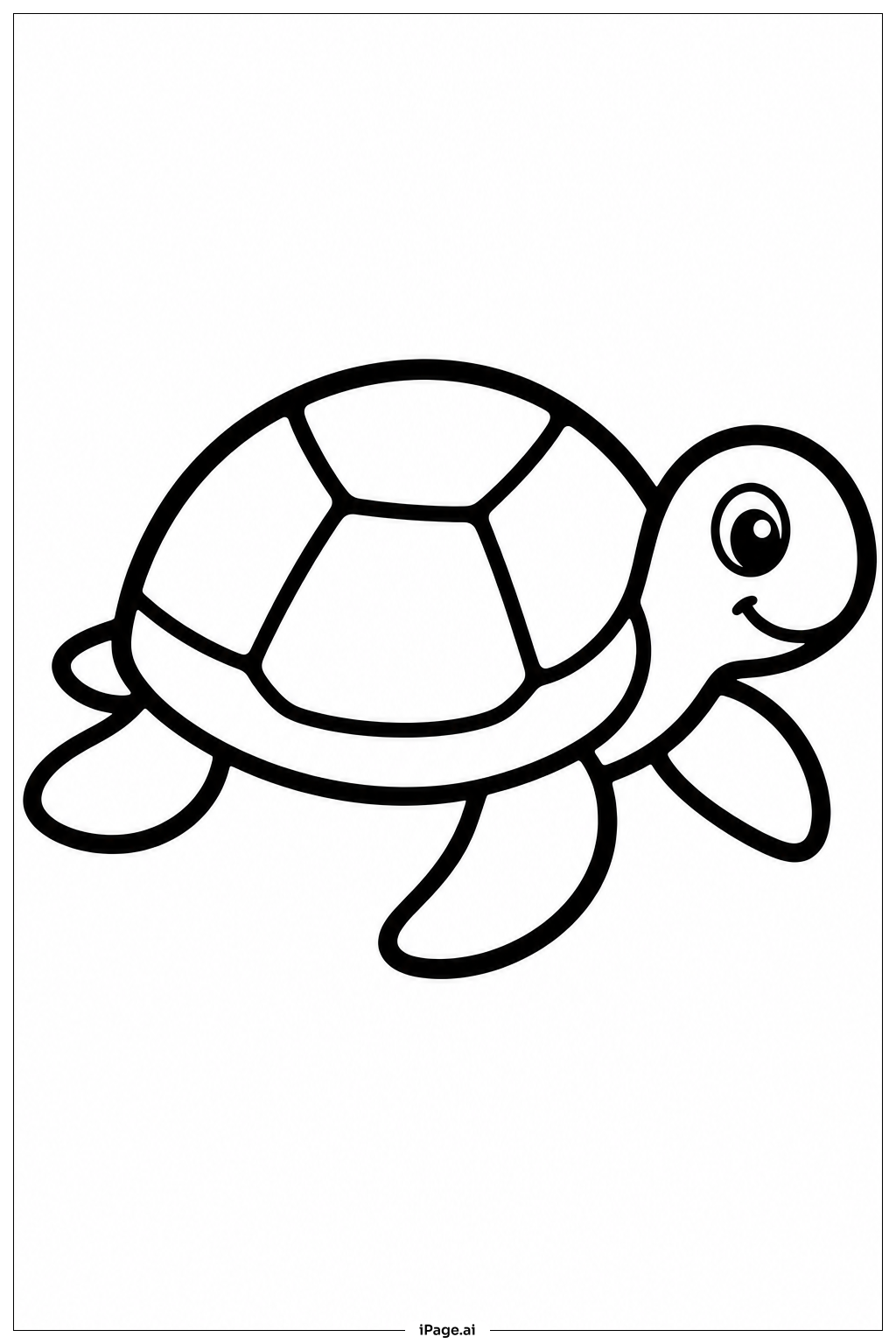
Coloring tips: How to color Sea Turtle With Big Shell coloring page well?
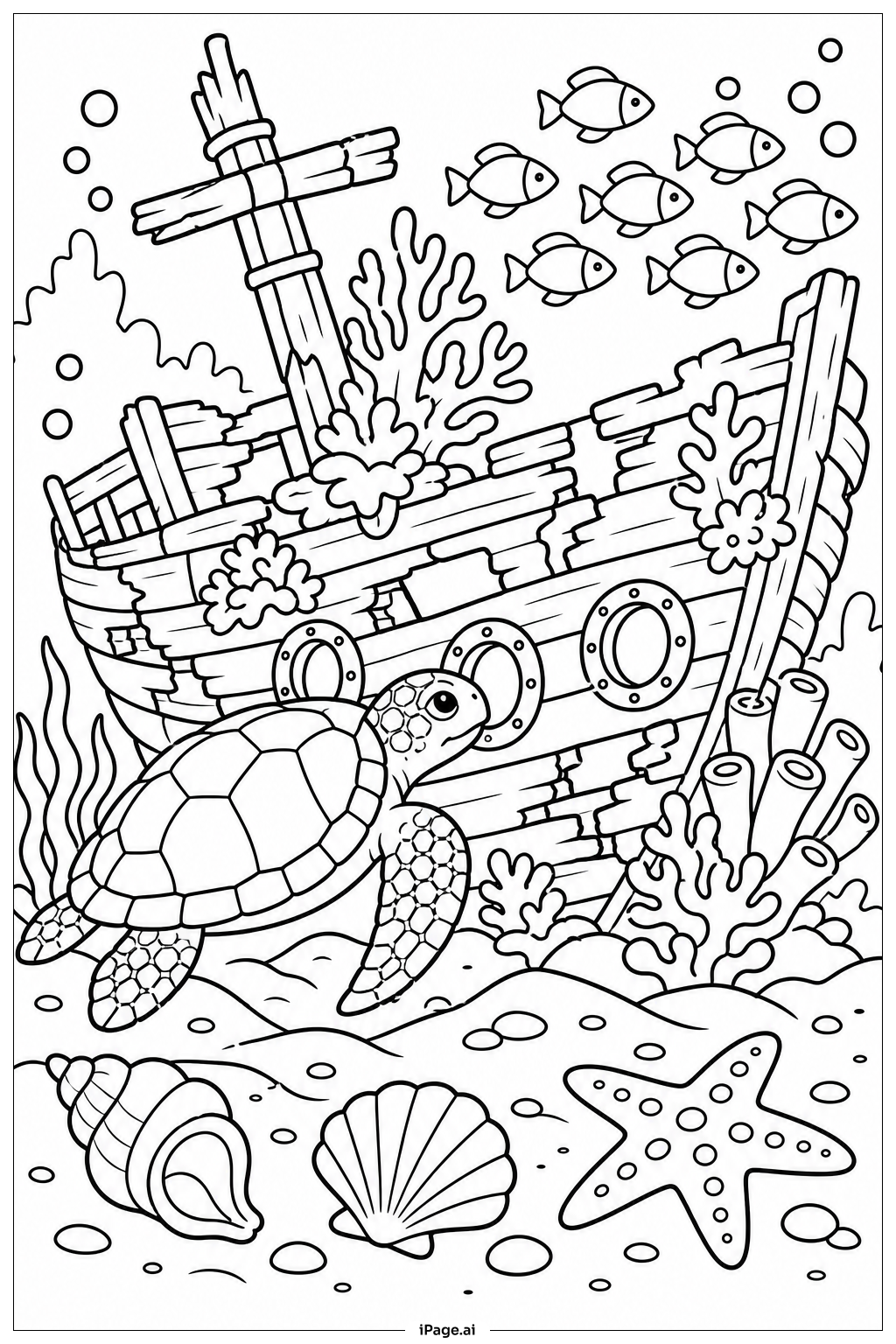
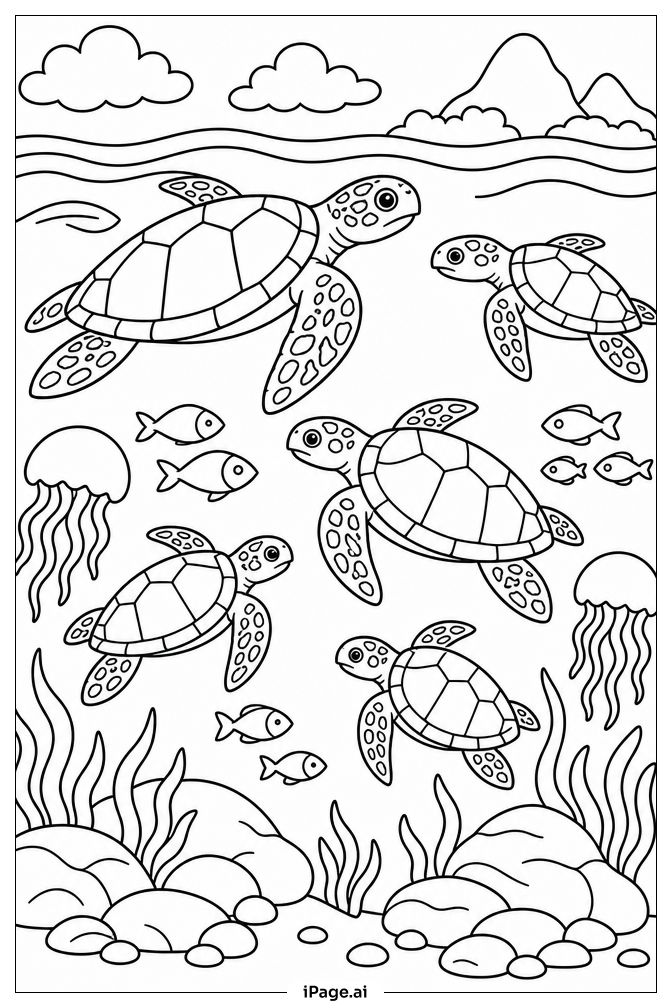
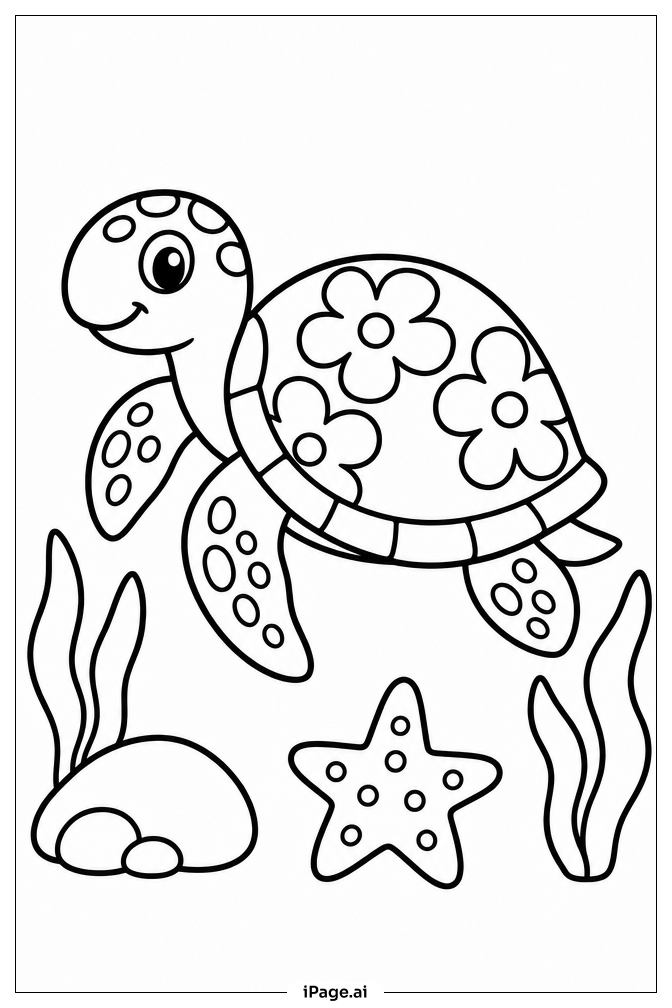
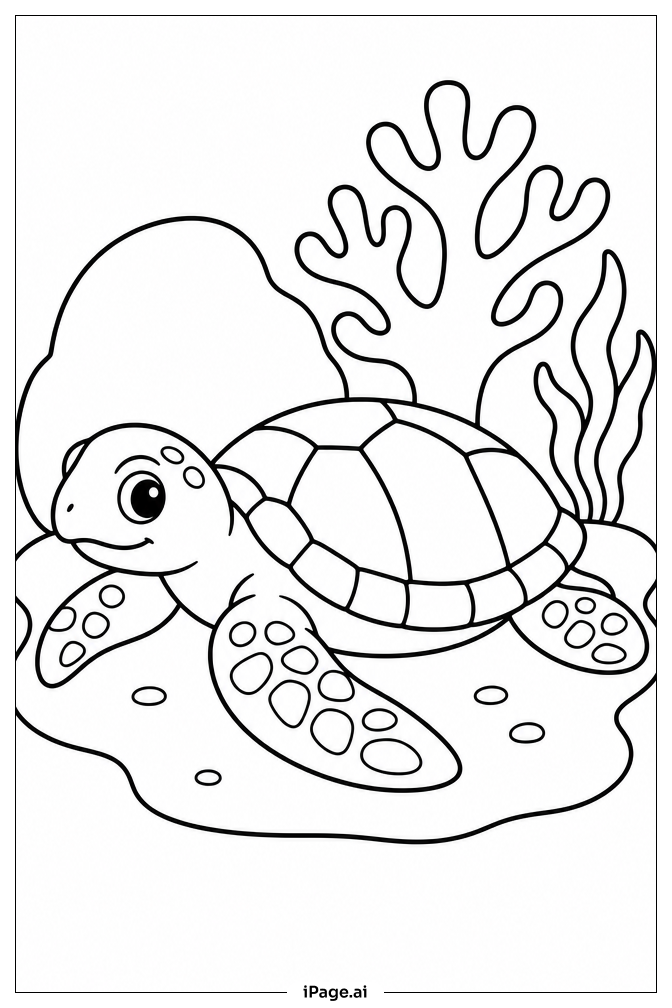
Start with the shell, since it is the biggest and most eye-catching part of the image. Use deep greens and warm browns for the large hexagonal shell plates. Add lighter shades of yellow or tan along the edges of each segment to give the shell depth and a three-dimensional look. For the turtle's body, flippers, and head, use olive green or teal. You can blend in some darker shades near the edges to show shadows and make the turtle look rounded. For the ocean background, try light blue and aqua tones. Add a little white for bubbles and foam. If there is coral in the scene, go bold with orange, pink, or red. Kids can keep it simple with just a few colors, while older colorists can experiment with shading and blending to make the image really pop. Have fun and make it your own!
Coloring challenges: Which parts are difficult to color and need attention for Sea Turtle With Big Shell coloring page?
Coloring this Sea Turtle With Big Shell image is a fun challenge, but there are a few tricky areas to watch out for:
• Shell Segment Details: The shell is divided into many small geometric sections, each needing its own carefully applied color. Staying inside the tiny lines without smudging into neighboring sections requires a steady hand and a fine-tipped coloring tool. Younger colorists may find this especially difficult.
• Shading the Curved Shell Surface: The shell is large and dome-shaped, which means flat coloring will make it look two-dimensional. To achieve a realistic rounded look, you need to apply lighter tones in the center of each plate and gradually darken toward the edges. This kind of gradual blending takes patience and practice.
• Distinguishing the Body from the Background: The turtle's flippers and body blend naturally with ocean water tones. Choosing colors that are different enough to separate the turtle from the water background, while still looking natural, can be a real challenge.
• Small Decorative Elements: Bubbles, coral, and water ripples surrounding the turtle are small and close together. Coloring these tiny details without accidentally going over the turtle's outline requires careful control and concentration.
• Maintaining Color Consistency: Because the shell has so many repeated segments, keeping the color pattern consistent across the entire shell is harder than it looks. Losing track of your pattern midway through can make the shell look uneven or patchy.
Benefits of coloring books: Advantages of drawing Sea Turtle With Big Shell coloring page
Coloring this Sea Turtle With Big Shell page offers a wide range of benefits for children and young artists of all ages. The highly detailed shell pattern is excellent for building fine motor skills, as carefully filling in each small segment helps strengthen hand control and pencil grip. This kind of focused, repetitive task also improves concentration and attention span in a fun and stress-free way. Choosing colors for the shell, ocean, and surrounding sea life encourages creative thinking and gives kids the freedom to express themselves. There is no single right answer, which builds confidence and a love of art. Learning about sea turtles while coloring also sparks curiosity about marine life and nature, making the activity quietly educational. For older kids and teens, the challenge of shading a rounded shell and creating a realistic underwater scene introduces basic art concepts like light, shadow, and color harmony. Completing the full page gives a genuine sense of accomplishment, making it a great activity for building patience and perseverance. Whether done alone or with friends and family, it is a calming, screen-free activity that is both joyful and rewarding.