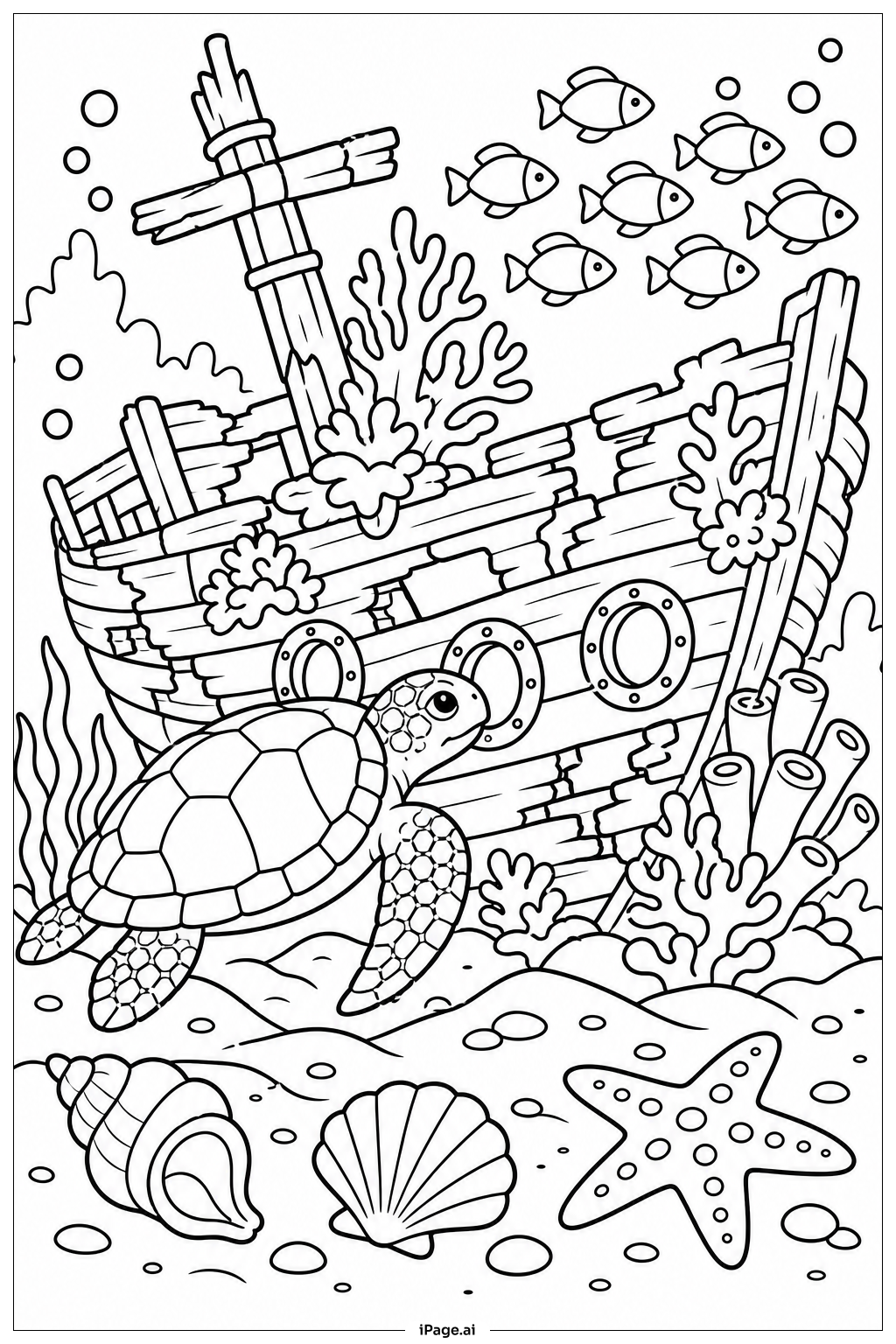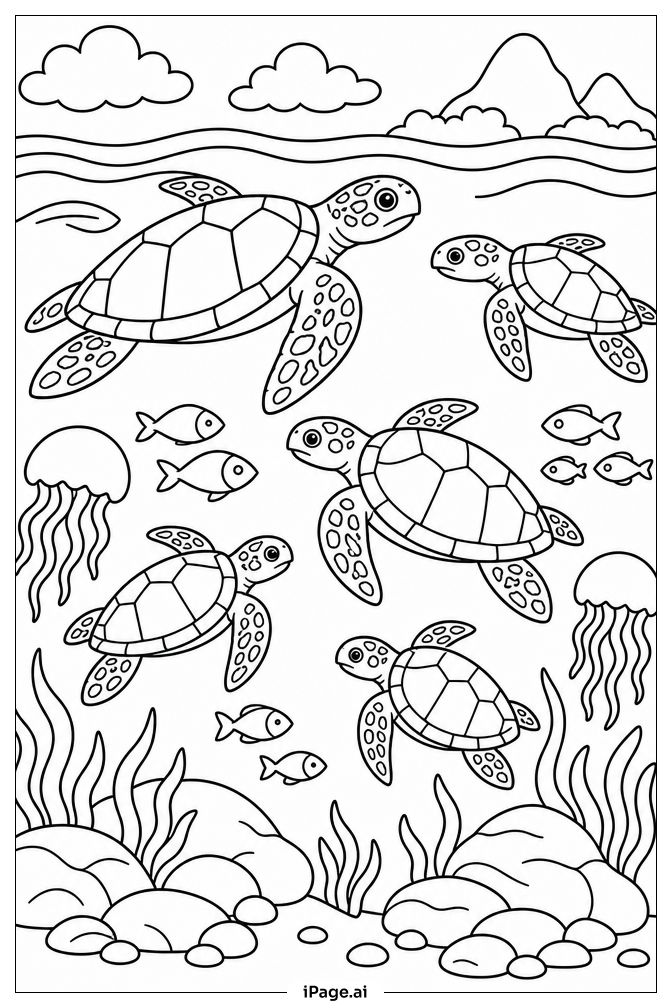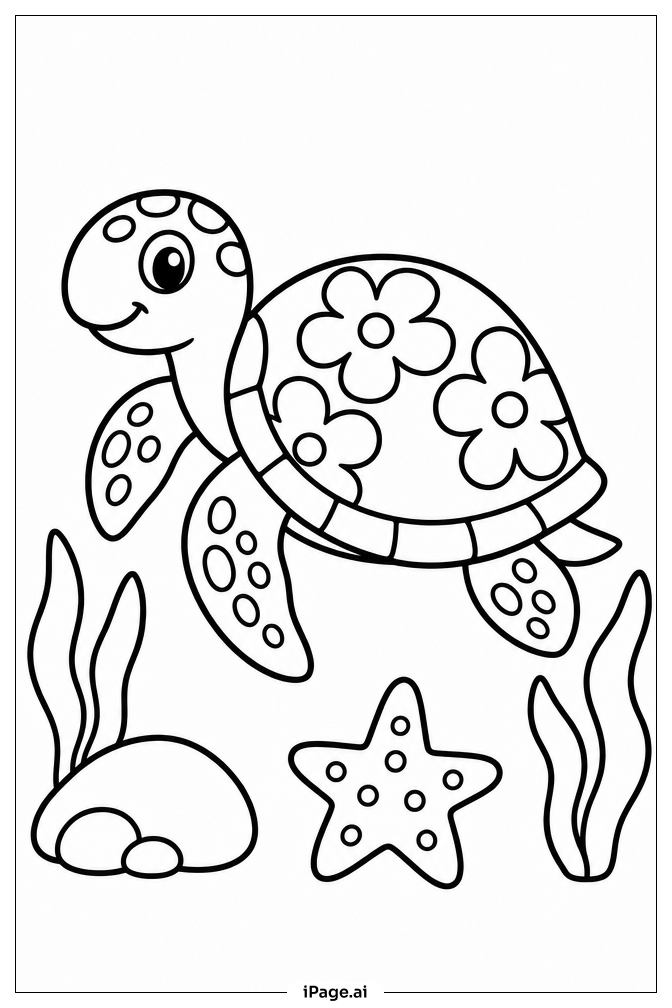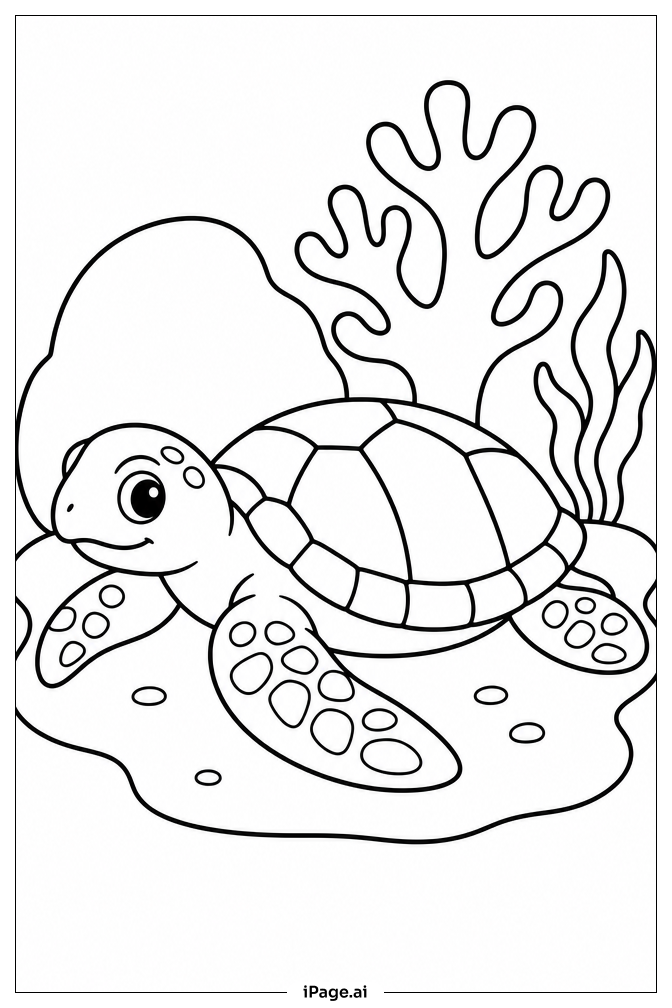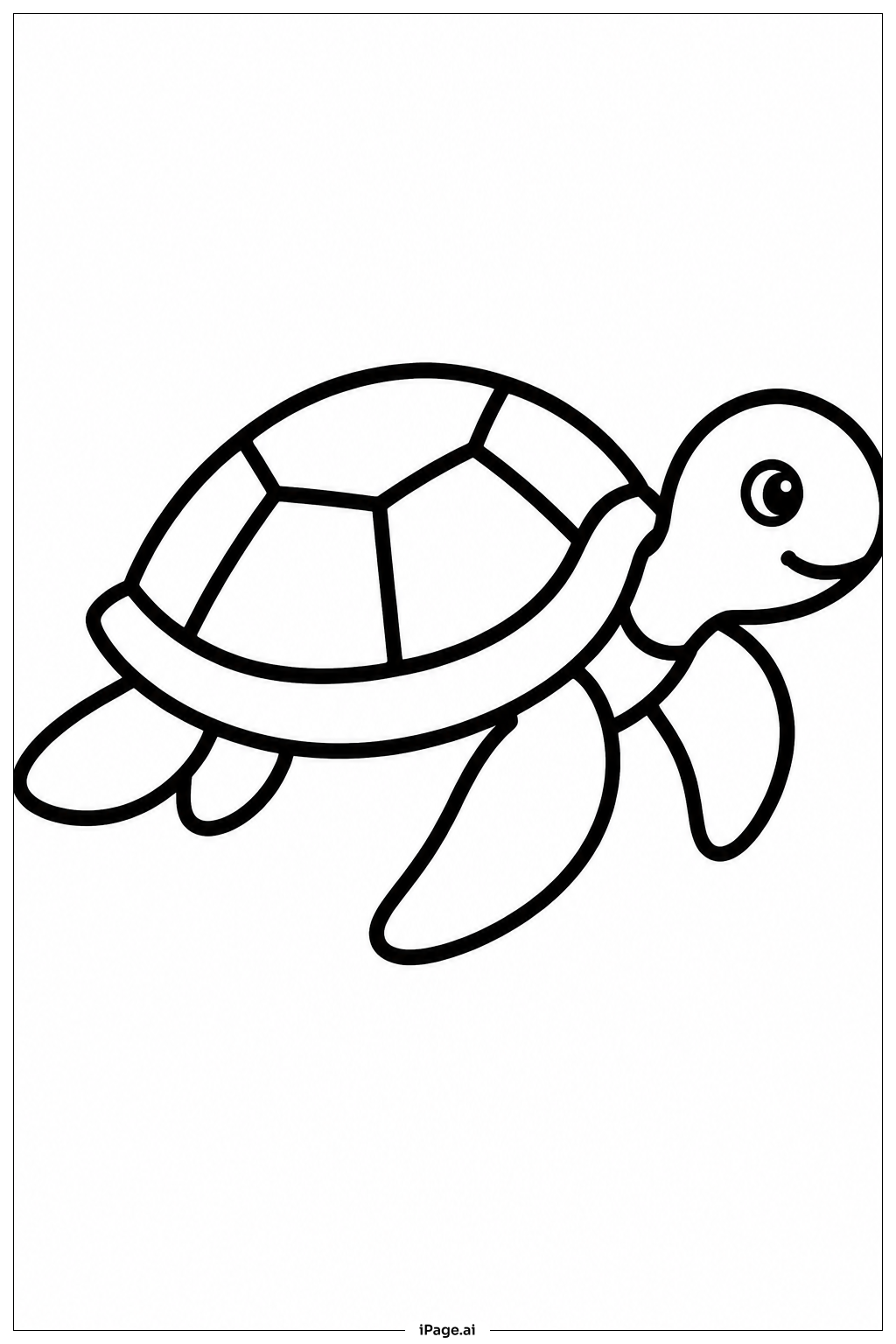
Coloring tips: How to color Sea Turtle Shell Pattern coloring page well?
Start by choosing a base color for the large scute sections. Real sea turtle shells often feature shades of olive green, dark brown, amber, or golden yellow. You can keep it realistic or go creative with blues, purples, or teal tones for a fantasy look. Color the border lines of each scute a slightly darker shade than the fill to add depth. Try using two or three shades of the same color family for a gradient effect inside each section. The smaller edge pieces can be colored in a contrasting shade to make them pop. For a polished finish, use light pencil strokes that follow the shape of each scute. Boys and Girls can experiment with bright, bold colors, while Adults may enjoy blending techniques for a more detailed, realistic result. Colored pencils, markers, or watercolors all work well with this pattern.
Coloring challenges: Which parts are difficult to color and need attention for Sea Turtle Shell Pattern coloring page?
• Staying Within the Lines: The shell pattern contains many small, irregular scute sections with curved borders. Keeping color neatly inside each section requires a steady hand and a sharp pencil or fine-tip marker. Younger colorists may find some of the tighter areas challenging to fill without going over the outlines.
• Maintaining Color Consistency: The shell is made up of repeating shapes, and keeping a consistent color scheme across all sections takes planning. If you switch colors without a clear plan, the pattern can look uneven or unbalanced. It helps to sketch out a color plan lightly before committing.
• Creating Depth and Dimension: A flat shell can look one-dimensional if every scute is filled with the same solid color. Adding shading, highlights, or gradient tones inside each section is tricky but rewarding. Blending techniques are harder for beginners to execute cleanly on smaller shapes.
• Choosing a Harmonious Color Palette: With so many sections side by side, picking colors that work well together without clashing is a real challenge. Colors that look good individually may appear jarring when placed next to each other repeatedly across the full pattern.
• Handling the Edge Details: The small, irregular pieces along the outer border of the shell are narrow and oddly shaped. These sections are easy to accidentally skip or over-color. Taking extra time on these outer areas is important to give the finished piece a clean, complete look.
Benefits of coloring books: Advantages of drawing Sea Turtle Shell Pattern coloring page
Coloring this Sea Turtle Shell Pattern offers a wide range of benefits for colorists of all ages. The repeating geometric shapes help train the eye and hand to work together, building fine motor skills and improving precision. For younger colorists, working within the structured outlines builds focus and patience in a fun, engaging way. The pattern's natural symmetry also introduces basic concepts of geometry and nature in a hands-on format. For older colorists and Adults, the complexity of the design offers a satisfying meditative experience. Focusing on one section at a time encourages mindfulness and helps reduce stress. Choosing colors and planning a palette also nurtures creative decision-making and artistic confidence. Boys and Girls alike can enjoy expressing their individuality through unique color choices, whether they go for realistic earth tones or bold fantasy colors. Completing such a detailed pattern gives a strong sense of accomplishment. It also builds an appreciation for the natural world, sparking curiosity about sea turtles and ocean life. Overall, this coloring page is both a creative outlet and a learning experience wrapped into one enjoyable activity.