Coloring tips: How to color Sea Turtle Floating coloring page well?
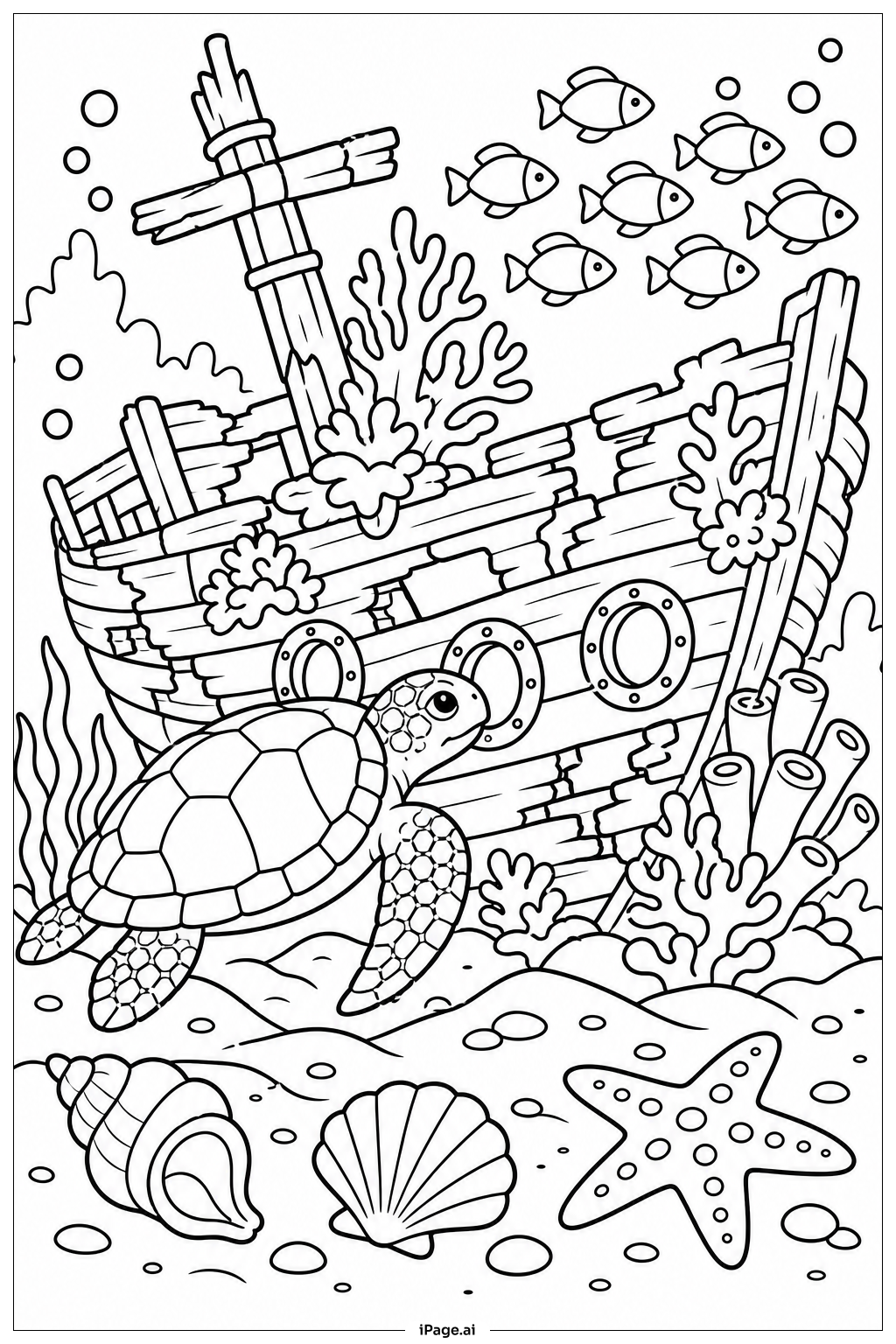
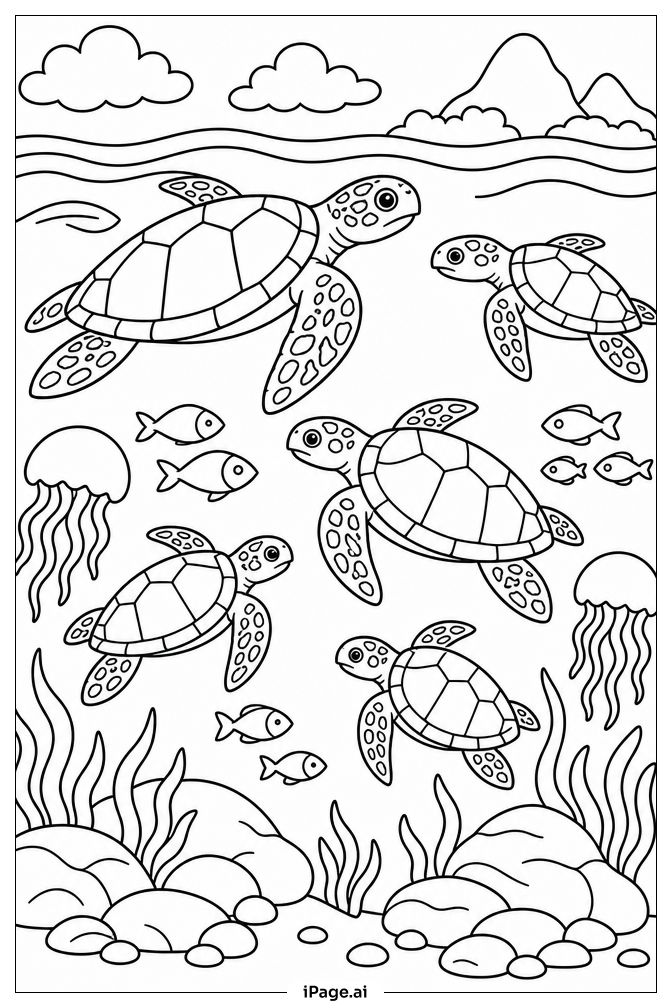
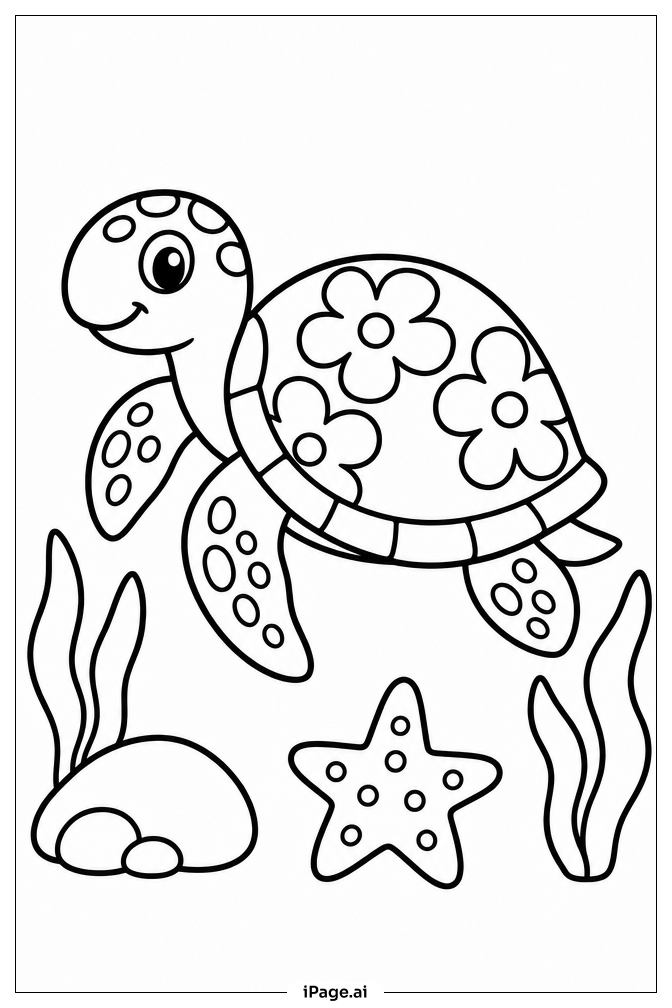
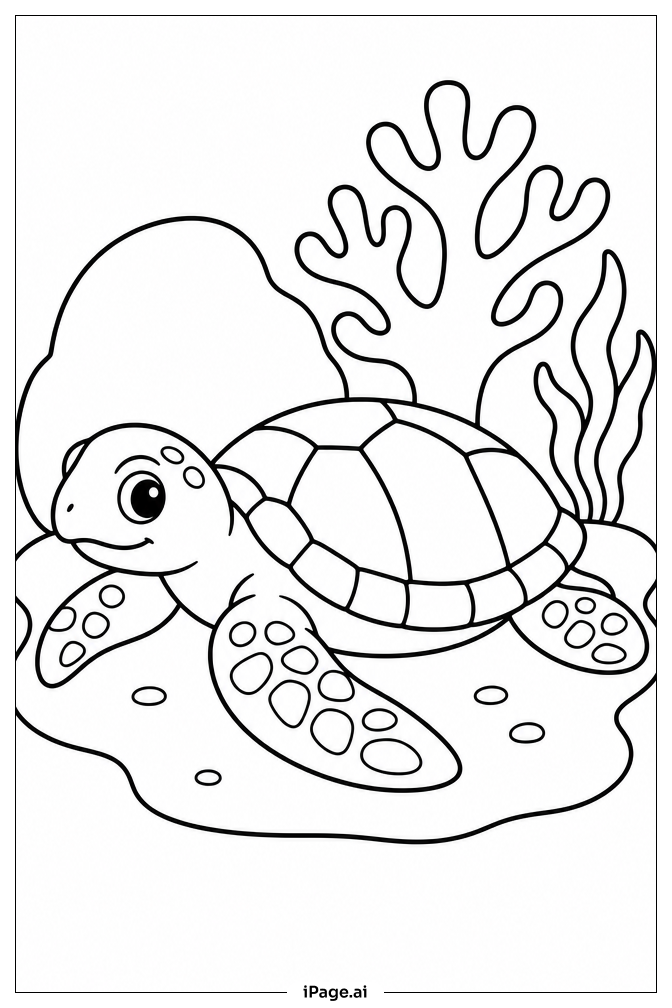
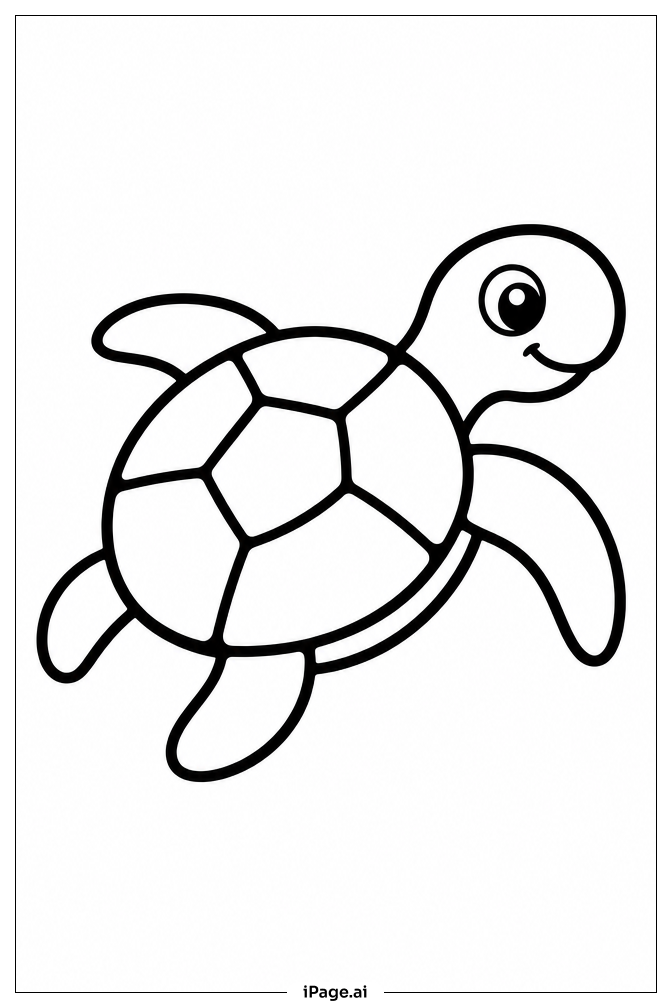
For this image, try using warm browns and greens for the Sea Turtle’s shell to show its natural look. The hexagonal patterns can be colored in alternating shades for contrast. Use a light tan or cream for the turtle’s skin to keep it soft and realistic. For the water, cool shades like blues and turquoise will bring out the ocean setting. Adding touches of white or light gray can show bubbles and the water’s gentle ripples. Feel free to get creative by using brighter colors if you want a fun and imaginative turtle. Experiment with blending colors on the shell and flippers to create smooth shading. Remember to keep the colors balanced so the turtle stands out clearly on your page.
Coloring challenges: Which parts are difficult to color and need attention for Sea Turtle Floating coloring page?
• Detailed Shell Patterns: The Sea Turtle’s shell has many small hexagonal shapes that require careful coloring to stay inside the lines and maintain the pattern’s clarity. This calls for steady hand control.
• Smooth Color Transitions: Blending different shades on the shell and flippers to create a realistic look can be tricky and may require patience to avoid harsh lines.
• Small Flipper Areas: The turtle’s flippers have narrow sections where coloring evenly without smudges may be challenging, especially for younger children.
• Water Effects: Capturing the soft waves and bubbles around the turtle means using subtle shades and light strokes, which can be difficult to achieve with crayons or colored pencils.
• Maintaining Contrast: Balancing dark and light colors so the turtle remains the central focus without the background overpowering it requires thought and practice.
Benefits of coloring books: Advantages of drawing Sea Turtle Floating coloring page
Coloring this Sea Turtle Floating image helps improve fine motor skills as children learn to color within detailed patterns like the shell. It encourages focus and patience while exploring smooth shading and color blending techniques. The underwater theme can spark curiosity about marine life and nature. By choosing colors thoughtfully, children practice creativity and decision-making. This activity also promotes relaxation and mindfulness, providing a calm way to express oneself artistically. Overall, coloring this image supports both artistic development and a gentle connection to the ocean world.