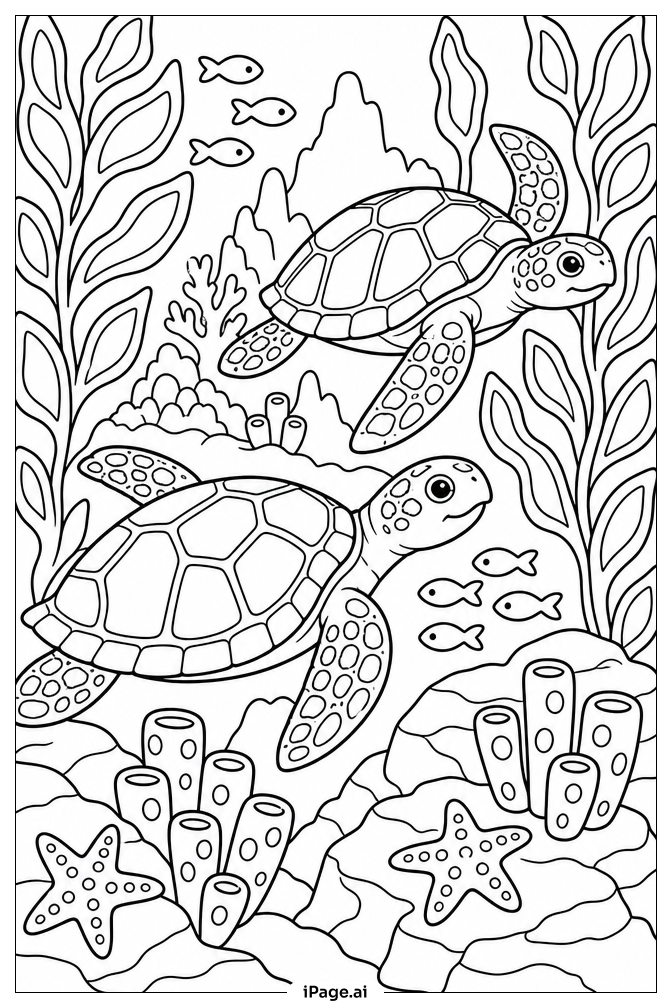
Coloring tips: How to color Sea Turtle Exploring Kelp Forest coloring page well?
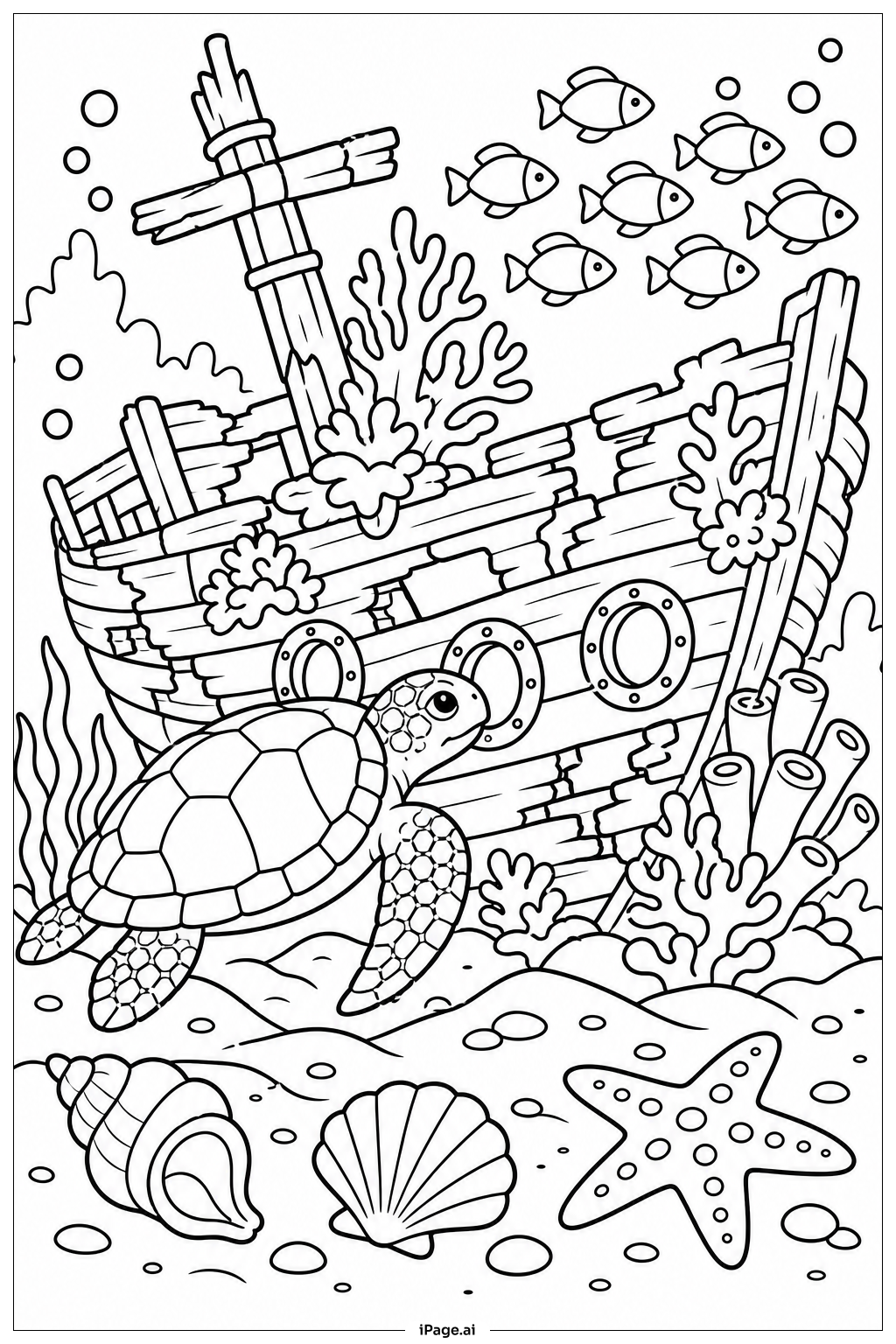
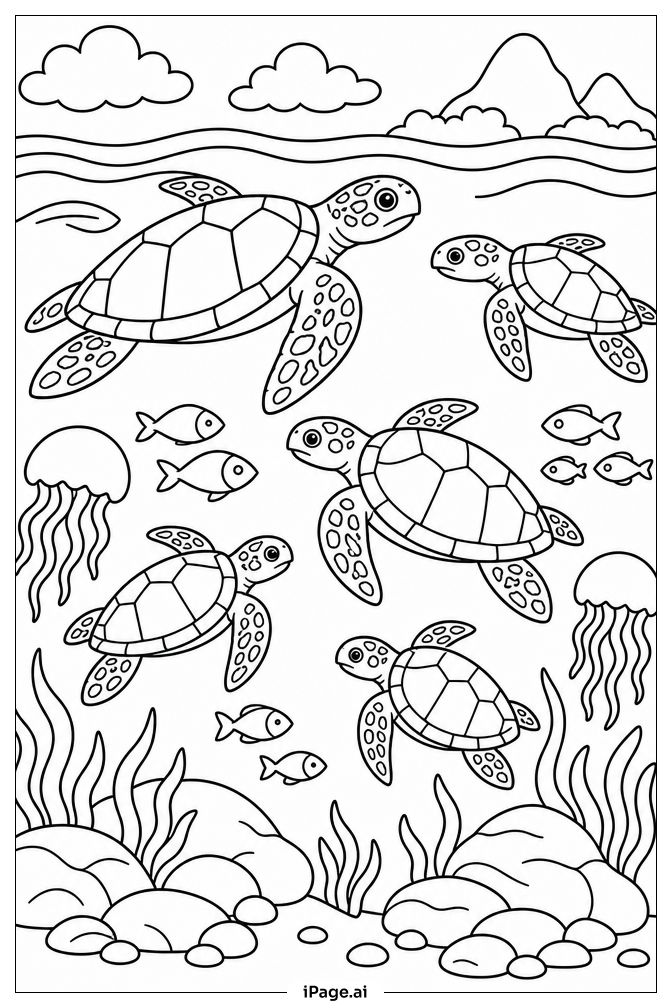
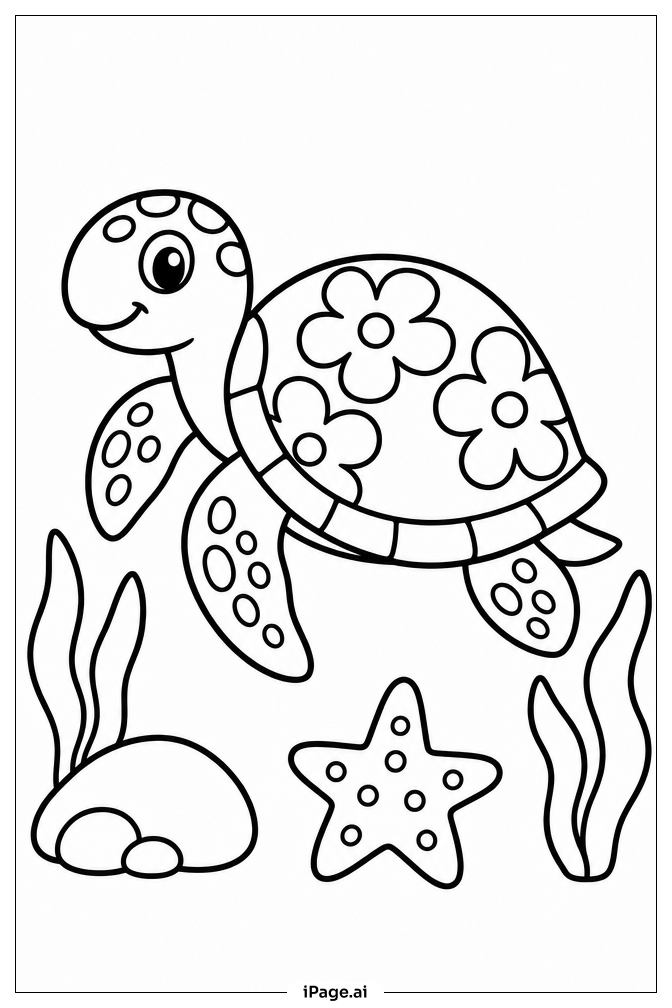
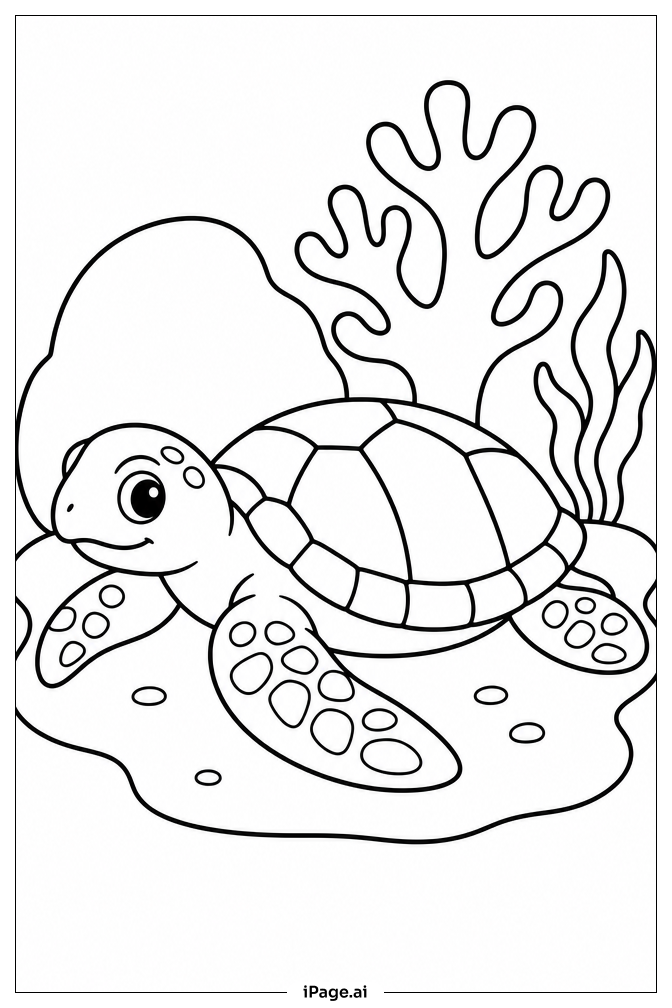
Start with the sea turtle's shell. Use shades of brown, olive green, and dark amber to fill in the large scute sections. Add lighter tan or yellow highlights to give the shell a rounded, three-dimensional look. For the turtle's skin, use a muted green or gray-green tone with darker patches along the edges of the flippers and neck. Color the kelp in rich golden-yellow and deep green, varying the shades from stalk to tip to show depth. Use lighter yellows near the top where sunlight filters through. Paint the background water in soft layers of blue and aqua, getting darker toward the bottom. Add small strokes of lighter blue to suggest water movement. Use bright colors like orange, red, and purple for the coral and anemones at the base to make them pop. Give the small fish simple colors like silver, orange, or yellow to bring the scene to life.
Coloring challenges: Which parts are difficult to color and need attention for Sea Turtle Exploring Kelp Forest coloring page?
• Sea Turtle Shell Pattern: The shell is divided into many distinct scute sections, each with its own shape and border. Staying within the lines of each individual scute while also blending shades across the entire shell is a real challenge. Young colorists will need patience and a steady hand to avoid colors bleeding into neighboring sections.
• Kelp Forest Layering: The kelp strands overlap and interweave throughout the scene. It can be tricky to keep track of which strand is in front and which is behind. To show depth, colorists need to use slightly different shades for foreground and background kelp. This requires planning ahead rather than simply picking one green and filling everything in.
• Water Background Effects: Coloring water so it looks realistic and dynamic takes skill. Blending multiple shades of blue and aqua smoothly, without harsh lines, is difficult especially for younger children. Adding light ray effects that appear to come from the surface above requires a careful, gradual lightening technique.
• Small Details and Texture: The turtle's skin, flipper edges, and the small fish all contain fine lines and tiny details. Using thinner tools like colored pencils or fine-tip markers helps here, but controlling them precisely in small areas is a common difficulty for beginners.
• Color Harmony Across the Scene: Balancing warm colors like the golden kelp and coral against the cool blues of the water requires a good eye for color. Getting the whole image to feel unified and natural, rather than patchy or clashing, is a challenge that even experienced colorists find engaging.
Benefits of coloring books: Advantages of drawing Sea Turtle Exploring Kelp Forest coloring page
Coloring this sea turtle scene offers a wonderful range of benefits for kids and adults alike. Working through the intricate shell pattern helps build fine motor skills and hand-eye coordination, as children practice staying within small, detailed sections. This kind of focused activity also strengthens concentration and patience, skills that carry over into school and daily life. Choosing colors for the kelp, water, and ocean creatures encourages creative thinking and gives colorists a healthy sense of ownership over their artwork. Completing the full scene builds confidence and a satisfying sense of accomplishment. Beyond the creative side, this image is a gentle introduction to ocean ecosystems. Kids naturally become curious about sea turtles, kelp forests, and the creatures that share this underwater world, sparking an interest in marine biology and environmental awareness. The calming, flowing shapes of the kelp and the peaceful movement of the turtle also make this a relaxing image to color. Spending quiet time on a detailed coloring page is a great way to unwind, reduce stress, and practice mindfulness. Whether you are 6 or 60, this image invites you to slow down, focus, and enjoy the process of bringing an ocean world to life.