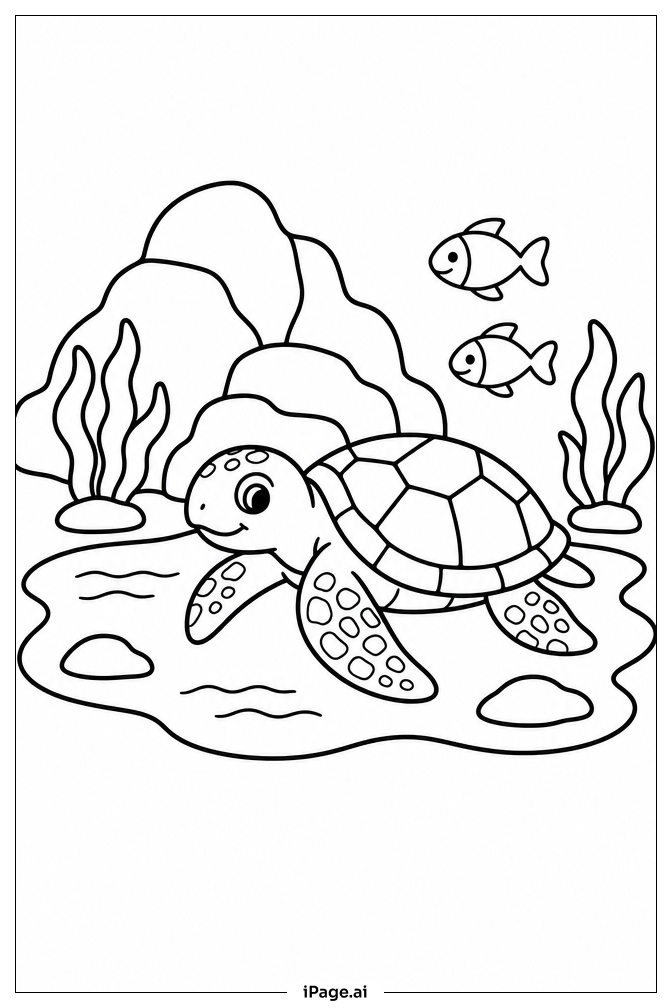
Coloring tips: How to color Sea Turtle By Rock Pool coloring page well?
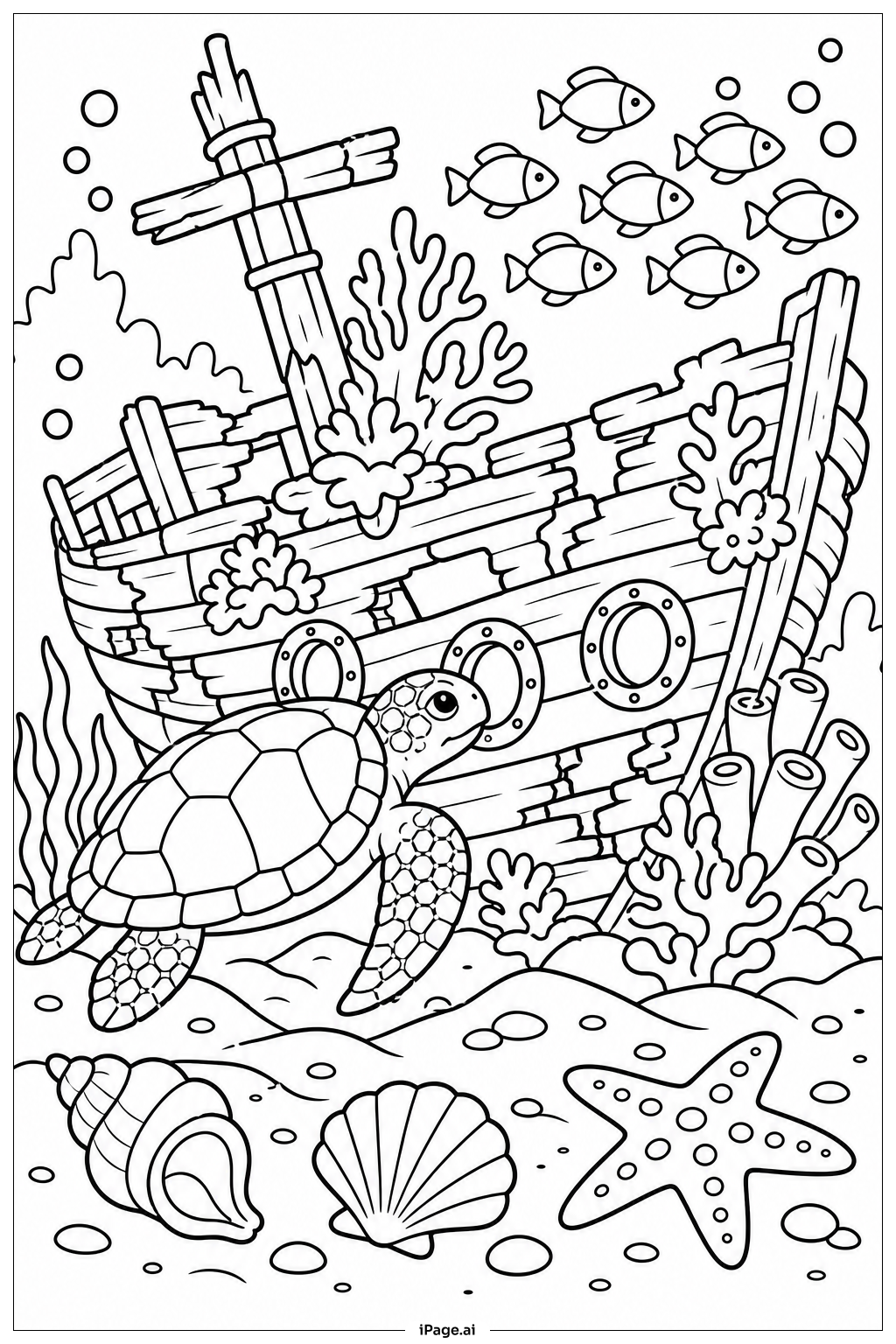
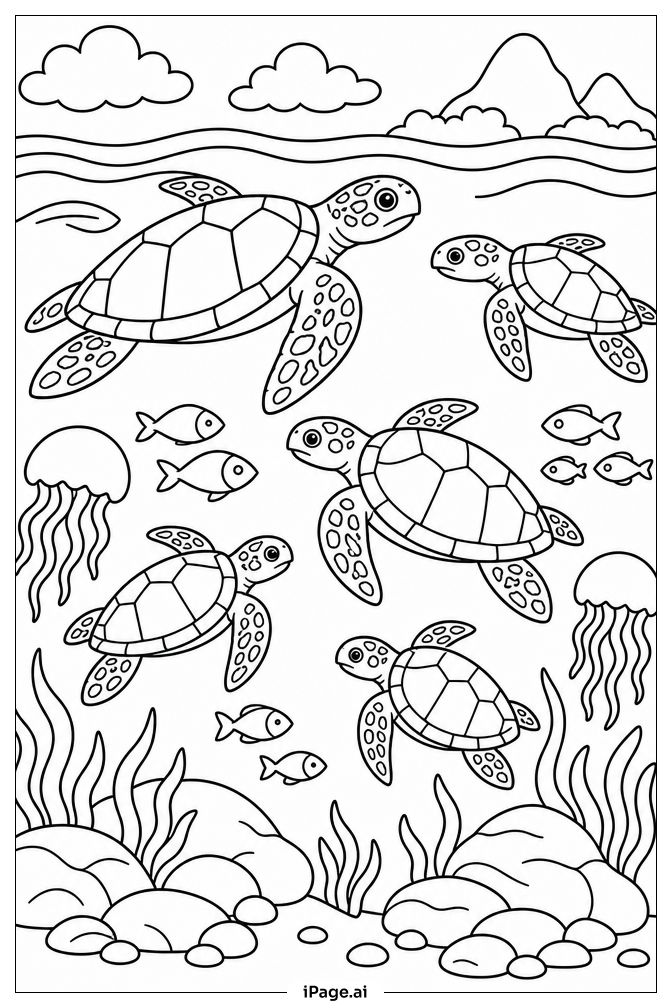
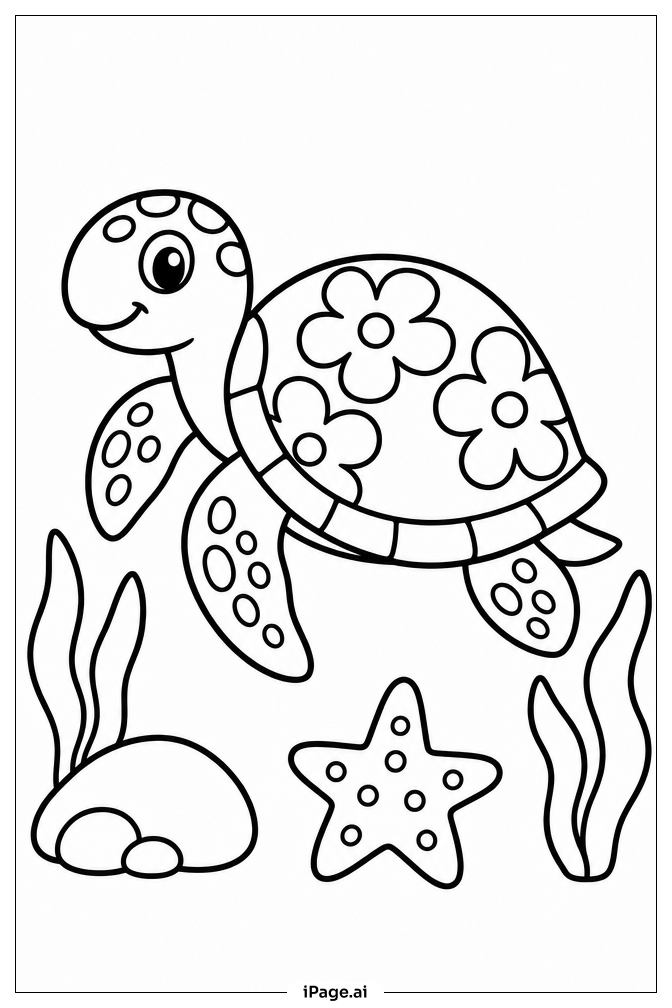
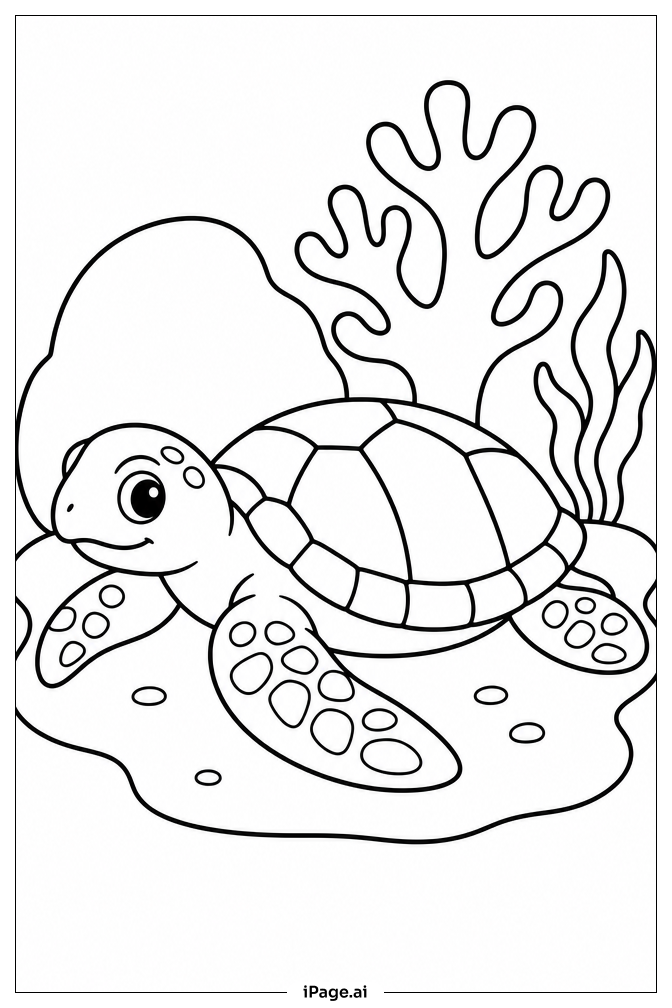
Start with the sea turtle's shell. Use shades of green, brown, and olive to fill in the large sections. Add darker tones along the edges to create depth. For the turtle's skin, try a mix of dark green and gray. The flippers can have lighter tones to show where light hits them. For the rock pool, use blues and teals for the water. Make the rocks gray, brown, or tan, and add a little orange or yellow to show algae and minerals. Color the starfish in bright orange or red. Use pink and purple for the sea anemones. The seaweed and kelp can be deep green or brown. Small fish can be colored in fun, bright colors like yellow or blue. Don't forget to shade around the rocks to give the scene a real, three-dimensional look. Take your time with each section and enjoy the process!
Coloring challenges: Which parts are difficult to color and need attention for Sea Turtle By Rock Pool coloring page?
• Shell Pattern Complexity: The sea turtle's shell is divided into many geometric sections called scutes, each with its own inner detail and texture. Staying within each small section while blending colors smoothly is tricky, especially for younger colorists. Take your time and use a fine-tipped tool for the smaller areas near the edges.
• Layered Rock Textures: The rocks around the pool have rough, uneven surfaces with cracks, moss patches, and algae. Recreating this natural texture using color alone requires layering multiple shades of gray, brown, and green. Applying light and dark tones in the right places helps the rocks look realistic rather than flat.
• Water Reflection Effects: The rock pool water has a reflective quality that is hard to capture with flat color. To show depth and light on the water's surface, try using light blue in the center and deeper teal or navy toward the edges and shadows. A slight blending effect where the water meets the rocks adds a natural touch.
• Small Details and Tiny Creatures: Tiny starfish, shells, anemones, and small fish fill the scene with life. These elements are very small and placed close together, making it easy to accidentally color outside the lines. Using a sharp pencil or thin marker helps maintain control in these tight areas.
• Consistent Color Theme: With so many different elements, including the turtle, rocks, plants, and water, keeping a harmonious color palette throughout the whole image is a real challenge. Choose a nature-inspired color scheme early and refer back to it as you color each section to keep the final image looking balanced and unified.
Benefits of coloring books: Advantages of drawing Sea Turtle By Rock Pool coloring page
Coloring this Sea Turtle By Rock Pool image offers many wonderful benefits for children and adults alike. For younger kids, it helps develop fine motor skills as they carefully fill in the turtle's shell sections, rocks, and tiny sea creatures. Staying within the lines builds hand control and patience over time. For older children and teens, the detailed patterns encourage focus and creative thinking as they choose colors and experiment with shading. The ocean setting sparks curiosity about marine life. Kids may want to learn more about sea turtles, starfish, and tide pools after finishing their artwork. This connects coloring to science and nature in a fun, relaxed way. For adults, coloring this peaceful ocean scene is a great way to reduce stress and quiet a busy mind. Focusing on one small section at a time brings a sense of calm and mindfulness. Completing the finished piece also gives a satisfying feeling of accomplishment. Whether you are coloring alone or with family, this image is a joyful way to spend creative time together and appreciate the beauty of the natural world.