Coloring tips: How to color Science Solar System Ball coloring page well?
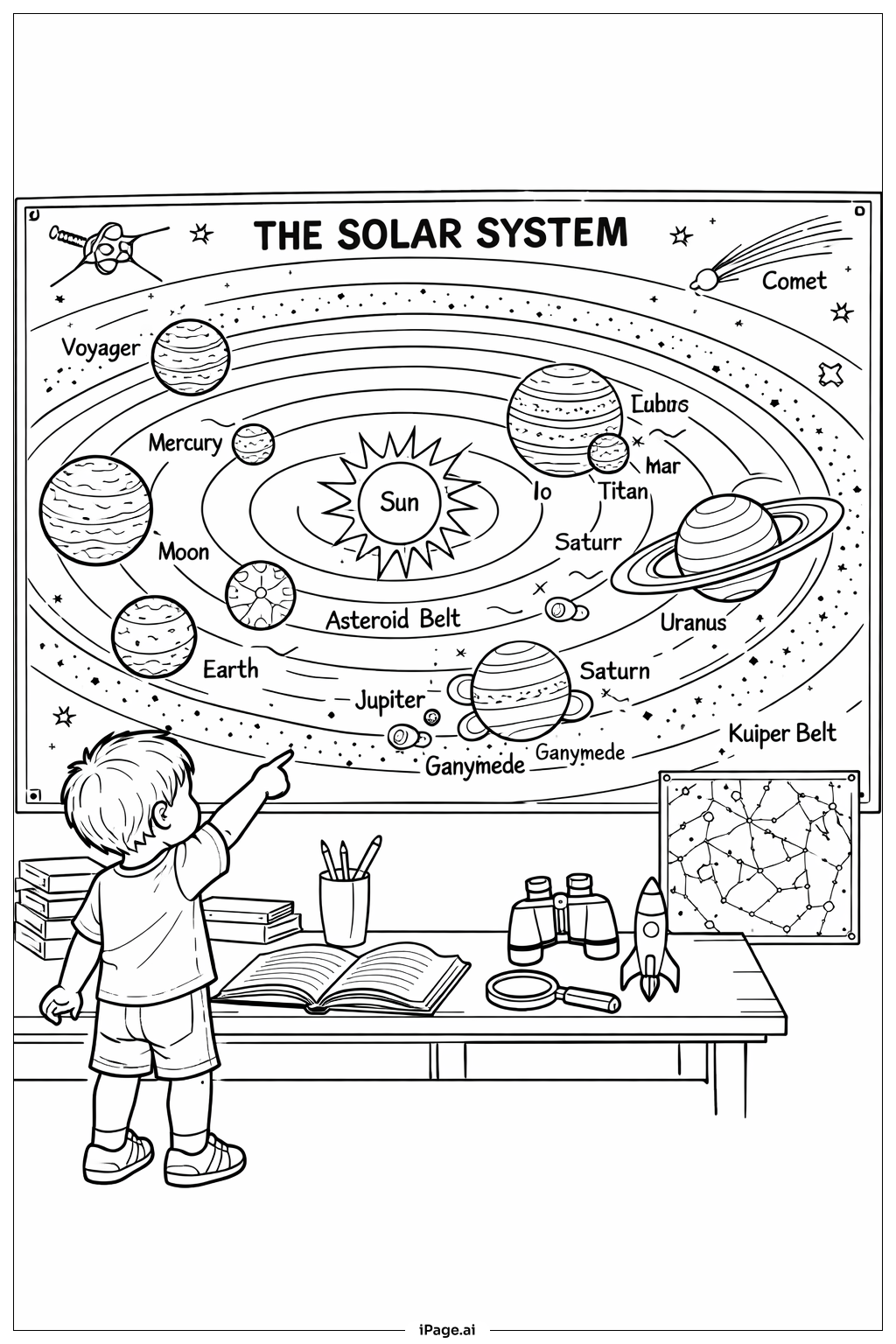
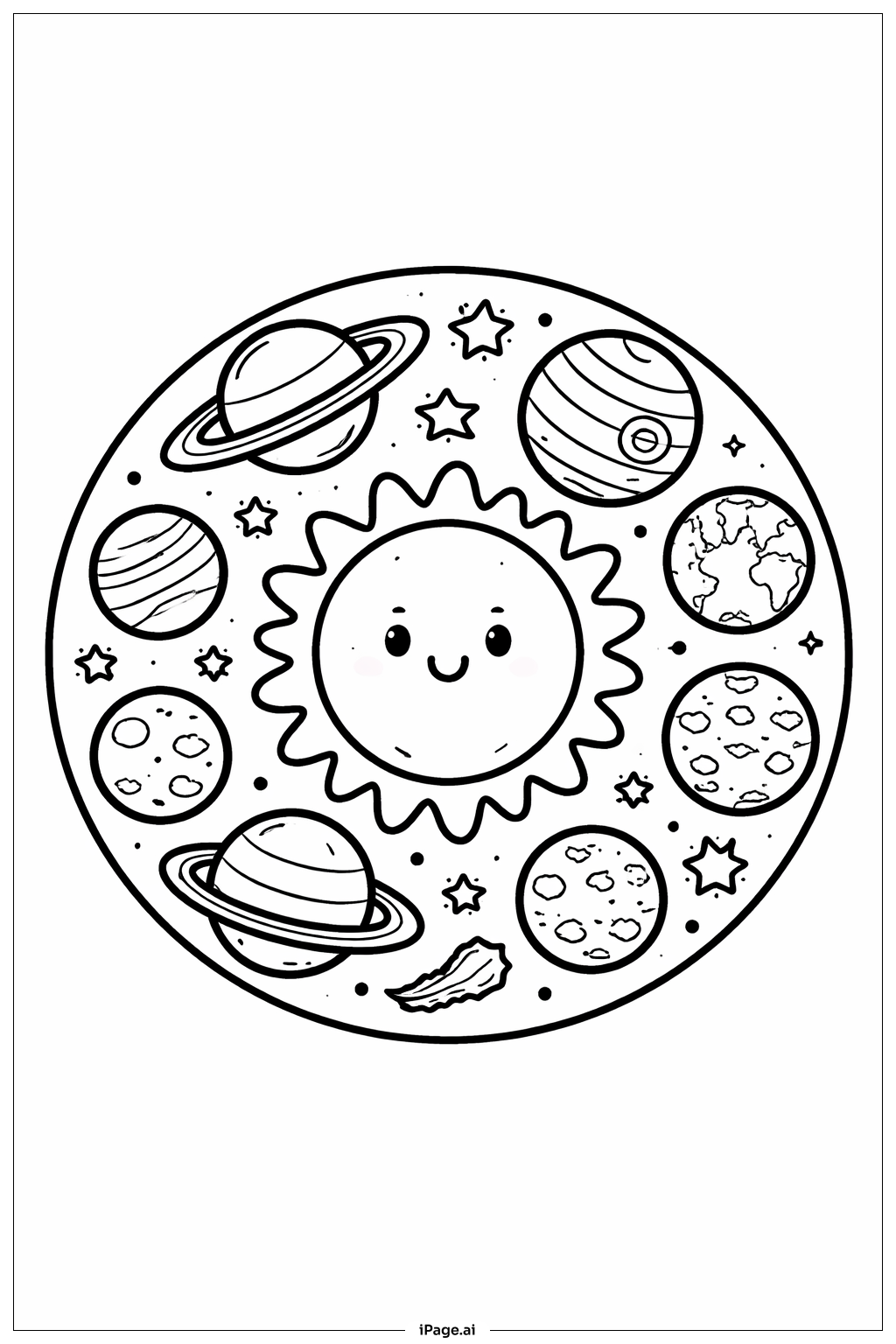
Use bright and varied colors to make each planet stand out. The sun can be colored yellow or orange to show its warmth. For planets like Earth, use blue and green to represent water and land. Saturn’s rings can be colored different shades like gray or brown. Stars can be colored yellow or white to look shiny. Try using lighter colors for small stars and dots around to create depth. Feel free to be creative with the colors, adding your favorite shades to planets and space objects.
Coloring challenges: Which parts are difficult to color and need attention for Science Solar System Ball coloring page?
1. Small details like the stars and dots require careful coloring to avoid overlapping the lines.
2. The rings around the planets need steady hand strokes to color within the thin areas.
3. Some planets have craters or patterns that might be challenging to color uniformly.
4. Keeping the sun’s face clear and bright without mixing colors is important.
5. Deciding different colors for each planet to reflect their real or imaginative look can be tricky for children.
Benefits of coloring books: Advantages of drawing Science Solar System Ball coloring page
Coloring this solar system helps children learn about the planets and space in a fun way. It improves hand-eye coordination while handling small spaces like stars and rings. Choosing different colors encourages creativity and imagination. It also teaches patience and focus as children work carefully within the lines. Overall, this activity connects science learning with art, making education enjoyable and memorable.