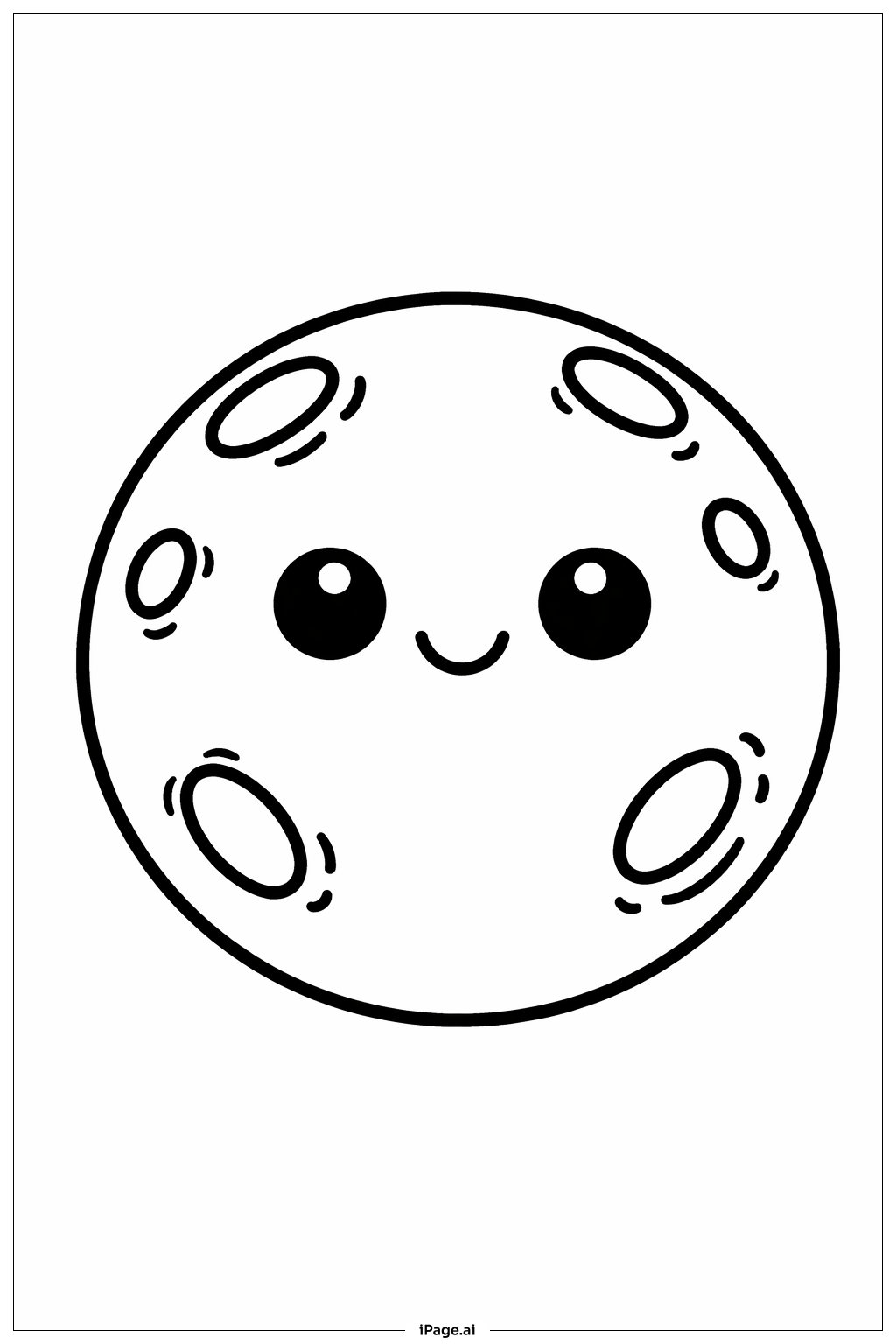
Coloring tips: How to color Science Smiling Planet coloring page well?
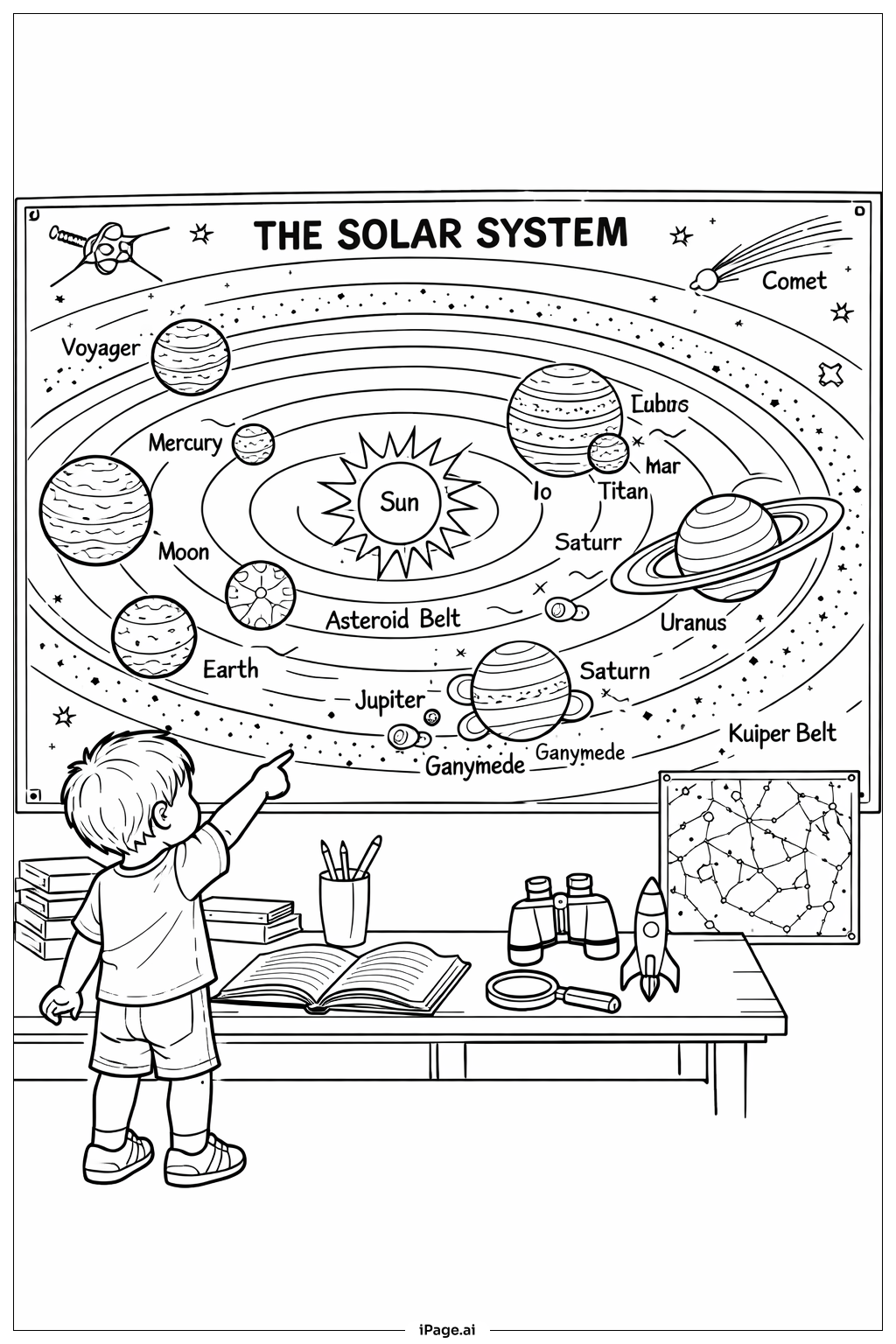
Use soft blues, greens, and grays to color the planet to give it a friendly and natural look. You can color the craters in a slightly darker shade to make them stand out. Try using light colors for the planet’s face features, like the eyes and smile, to keep the image cheerful. Experiment with pastel colors to make the planet look gentle and inviting. Adding some light shading around the edges can give it a round, 3D effect. Feel free to add a colorful background with stars or space to complete the scene.
Coloring challenges: Which parts are difficult to color and need attention for Science Smiling Planet coloring page?
1. Coloring the eyes may be tricky because they are small and need careful coloring to keep them clean and bright.
2. The craters have different sizes and shapes; coloring inside the lines neatly can be a bit challenging.
3. Adding depth while coloring, such as shading the round shape of the planet, might require some practice.
4. Balancing colors so that the planet looks happy and friendly without over-coloring can be difficult for beginners.
5. Avoiding smudging or coloring outside the boundaries especially near the fine details like the smile and crater marks can be tricky.
Benefits of coloring books: Advantages of drawing Science Smiling Planet coloring page
Coloring this happy planet helps children learn about planets in a fun way. It encourages creativity by letting them experiment with different colors. It also improves fine motor skills and hand-eye coordination when coloring small details like eyes and craters. The smiling face makes the activity enjoyable and helps kids feel positive while learning about science. Coloring space themes can inspire curiosity about the universe and promote patience and focus during the activity.