Coloring tips: How to color Science Bubble Experiment coloring page well?
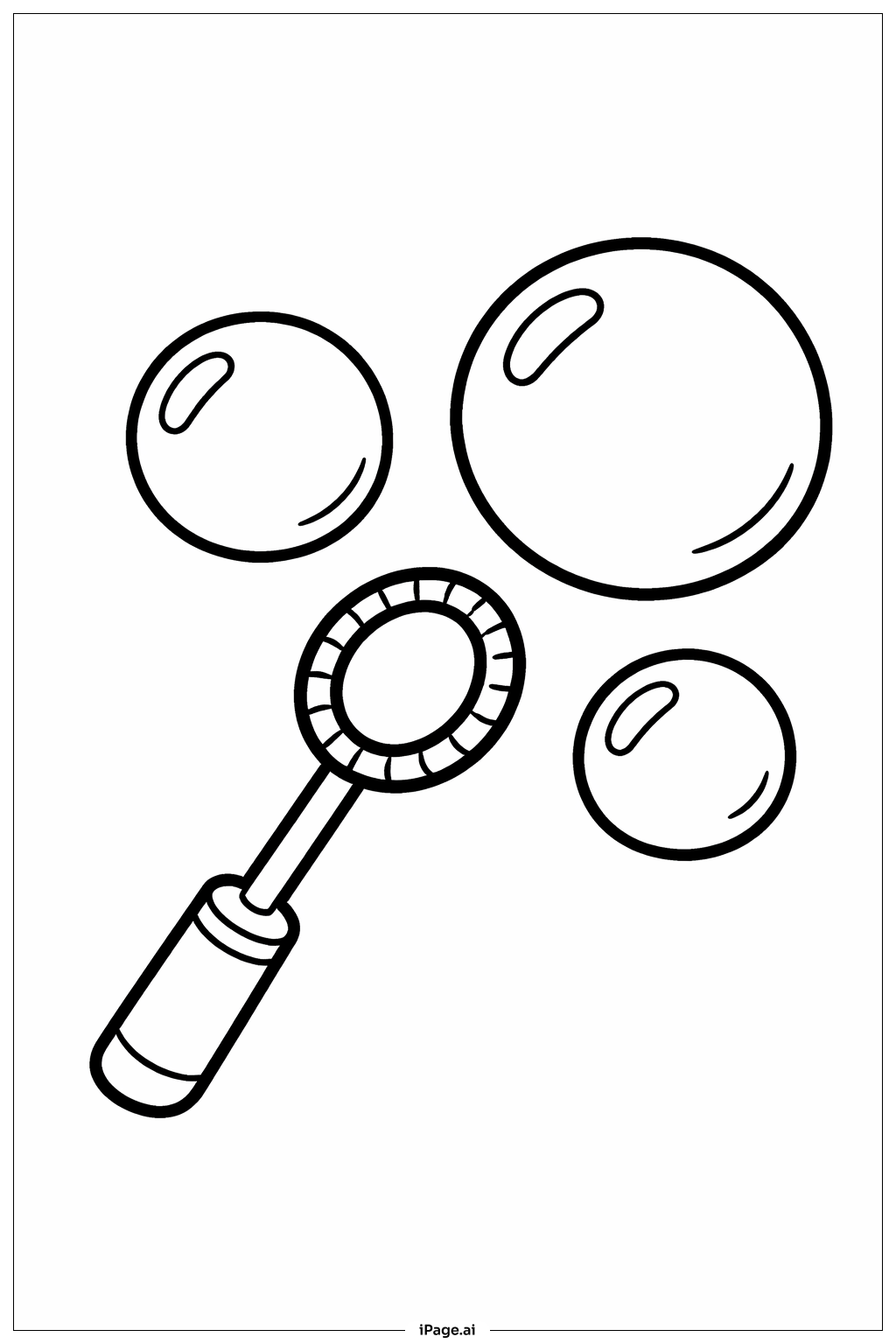
Use light blues, purples, and pinks to color the bubbles for a shiny, transparent look. You can use soft gradient colors or gentle blending to make them appear round and reflective. The bubble wand can be colored with bright and cheerful colors like red, yellow, or green to stand out. Try to keep the highlights on the bubbles uncolored or use white to show reflection. Adding light shading on the wand’s handle can give it a 3D effect.
Coloring challenges: Which parts are difficult to color and need attention for Science Bubble Experiment coloring page?
1. Coloring the bubbles to look transparent and shiny can be tricky because you need to use light colors and leave highlights uncolored. 2. It can be hard to blend colors smoothly to show the round, reflective surface of the bubbles. 3. Staying inside the small lines on the bubble wand’s circular part requires careful coloring skills. 4. Balancing bright colors on the wand with soft colors on the bubbles needs attention to avoid colors clashing. 5. Keeping the bubbles looking light and not too dark is challenging since they should look airy and delicate.
Benefits of coloring books: Advantages of drawing Science Bubble Experiment coloring page
Coloring this picture helps improve fine motor skills and hand-eye coordination as you carefully color the different parts. It encourages creativity in mixing colors for the bubbles and the wand. It also teaches children about light and transparency by trying to recreate the shiny highlights on the bubbles. This activity can be relaxing and fun, allowing kids to express their imagination while learning about nature and science.