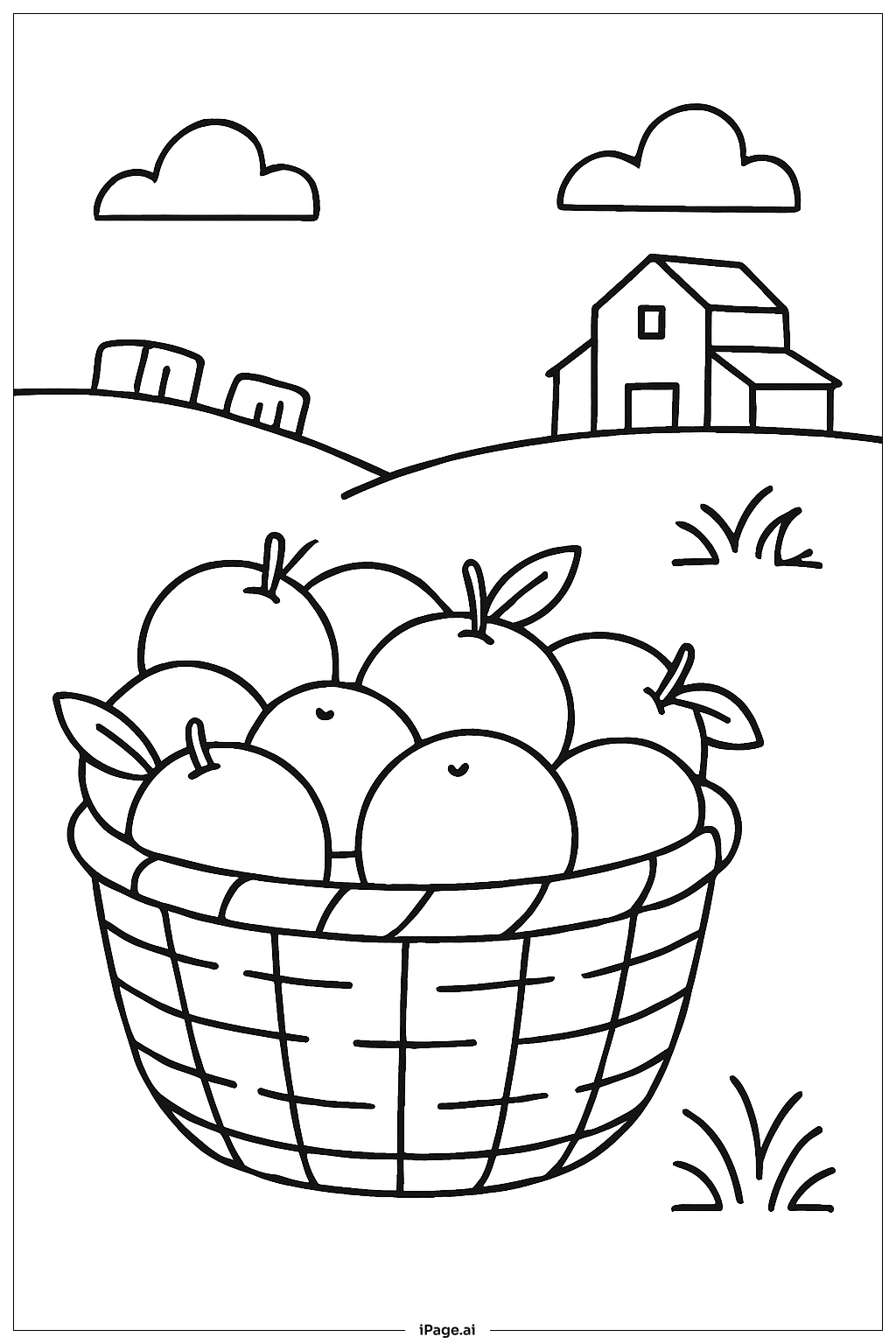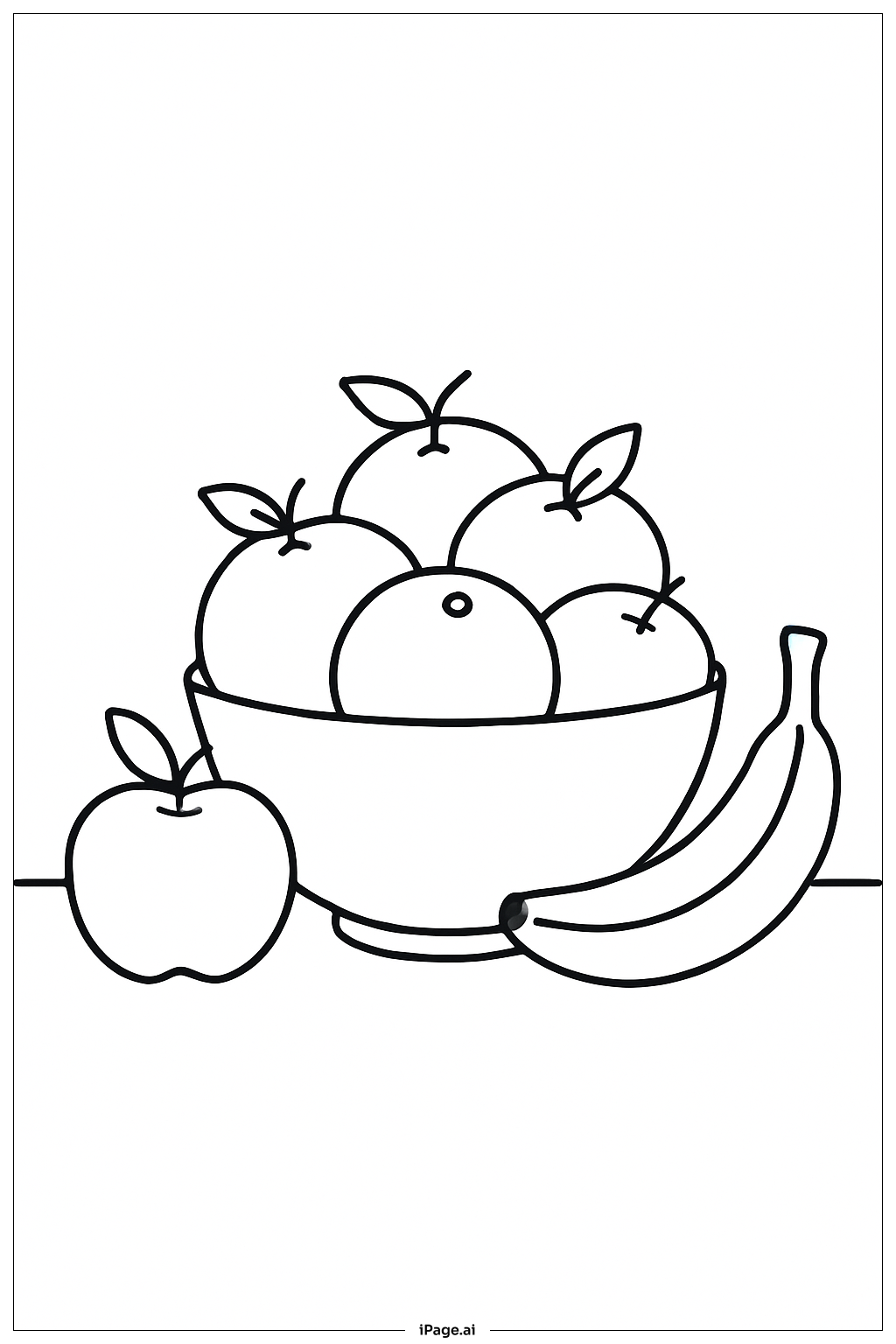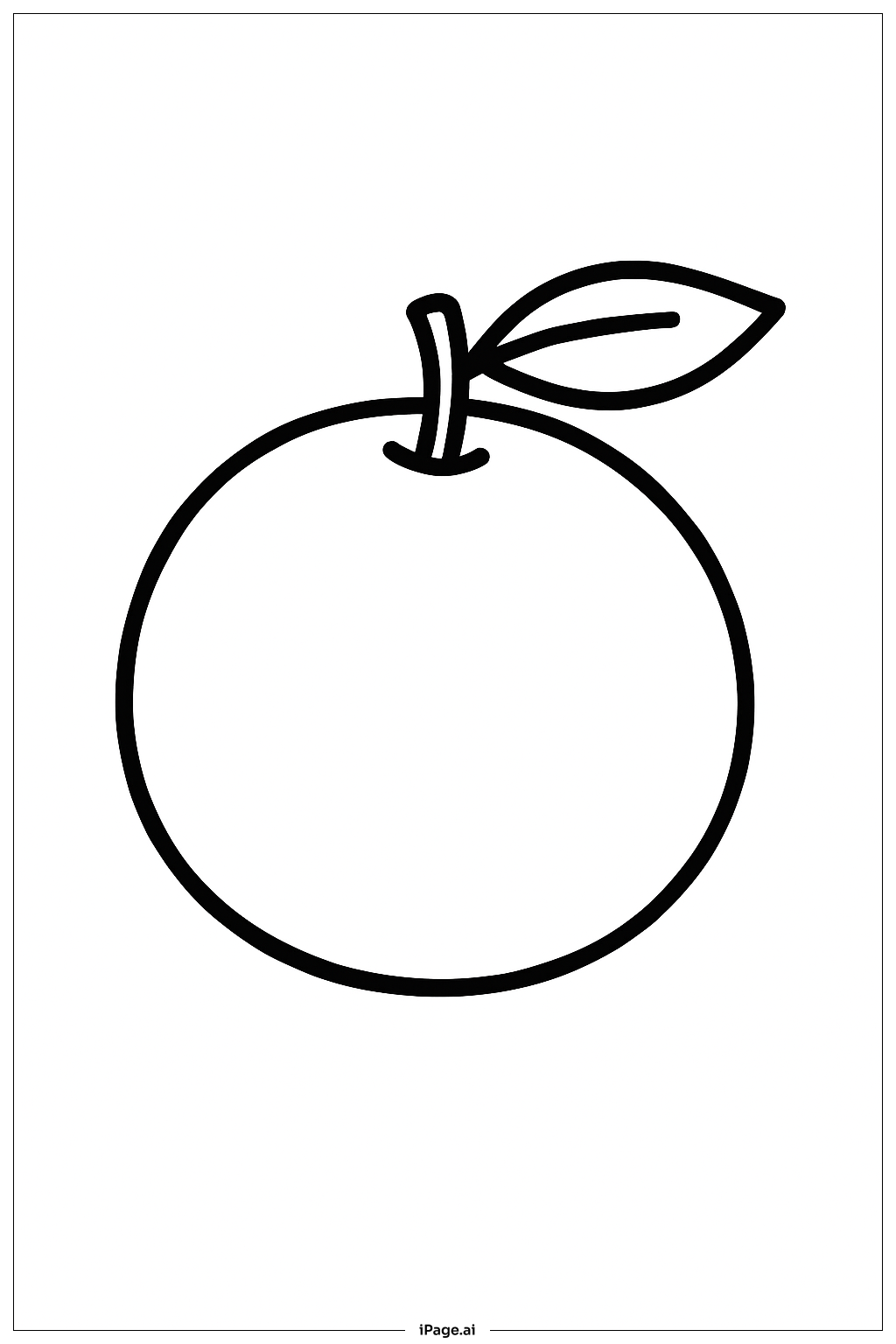
Coloring tips: How to color Orange Whole Fruit coloring page well?
For coloring the orange, bright orange shades work best to show its natural look. You can use different tones of orange to create depth and texture. For the leaf, try various greens, such as light green or dark green, to make it vibrant. The stem can be colored brown or dark green. Feel free to add some shading on one side of the orange and leaf to give a 3D effect. Using crayons, markers, or colored pencils all work well for this simple picture.
Coloring challenges: Which parts are difficult to color and need attention for Orange Whole Fruit coloring page?
1. Keeping the coloring inside the round shape of the orange can be tricky for younger children, as it requires control to stay within the lines.
2. Adding shading or texture to make the orange look more realistic might be hard without blending skills.
3. Coloring the leaf's vein properly while keeping the main leaf color uniform can be challenging.
4. Choosing the right shades of orange and green to make the image lively but neat may require some experimentation.
5. Maintaining even pressure to avoid blotchy color while filling the larger round area is often difficult for beginners.
Benefits of coloring books: Advantages of drawing Orange Whole Fruit coloring page
This coloring page helps improve fine motor skills by encouraging children to control their hand movements while coloring within the lines. It also enhances color recognition and creativity as kids decide which shades to use. Learning about the shape and parts of an orange can increase their knowledge of fruits and healthy eating. Additionally, coloring this image can be relaxing and boost concentration, making it a fun and educational activity.