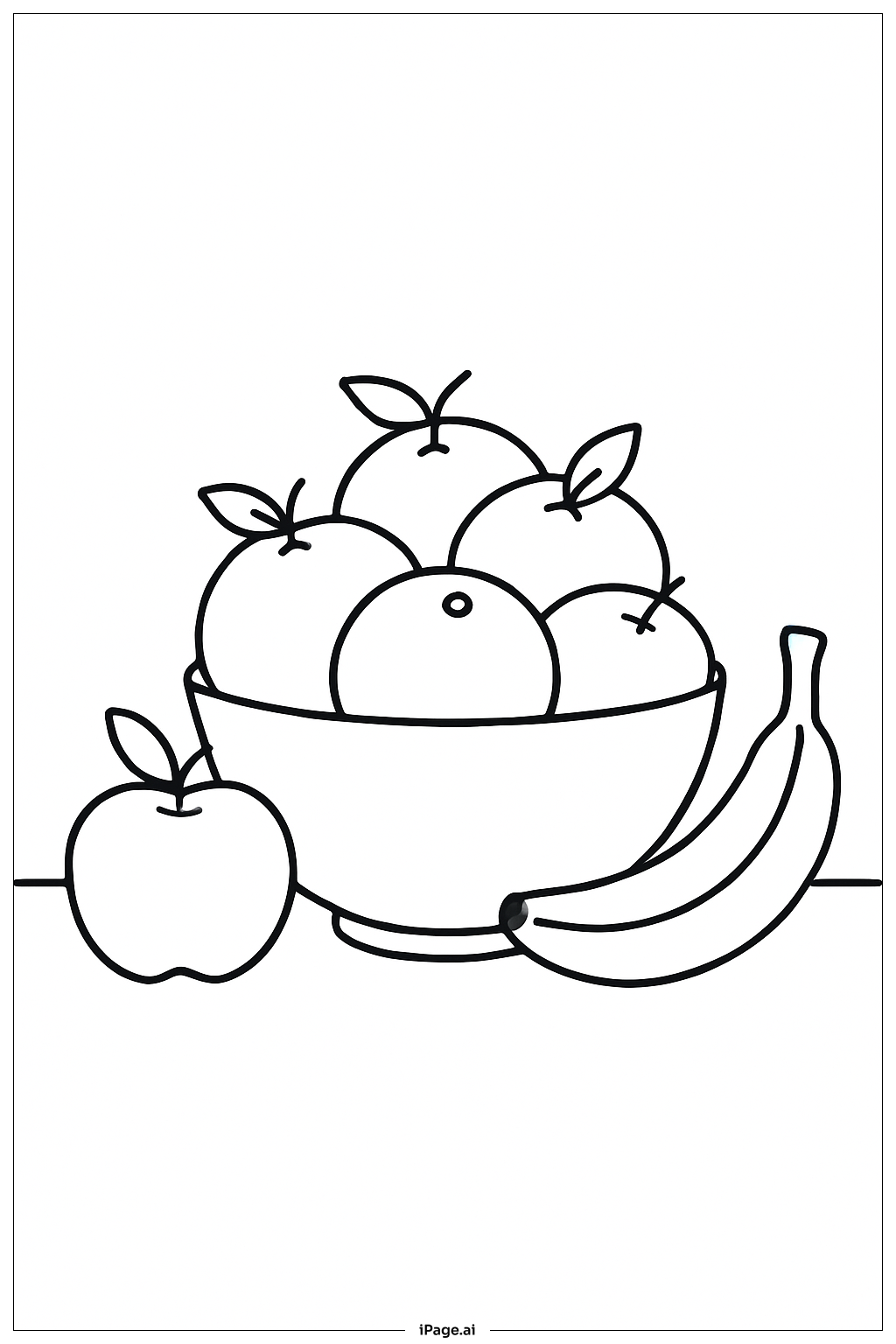
Coloring tips: How to color Orange Fruit Bowl coloring page well?
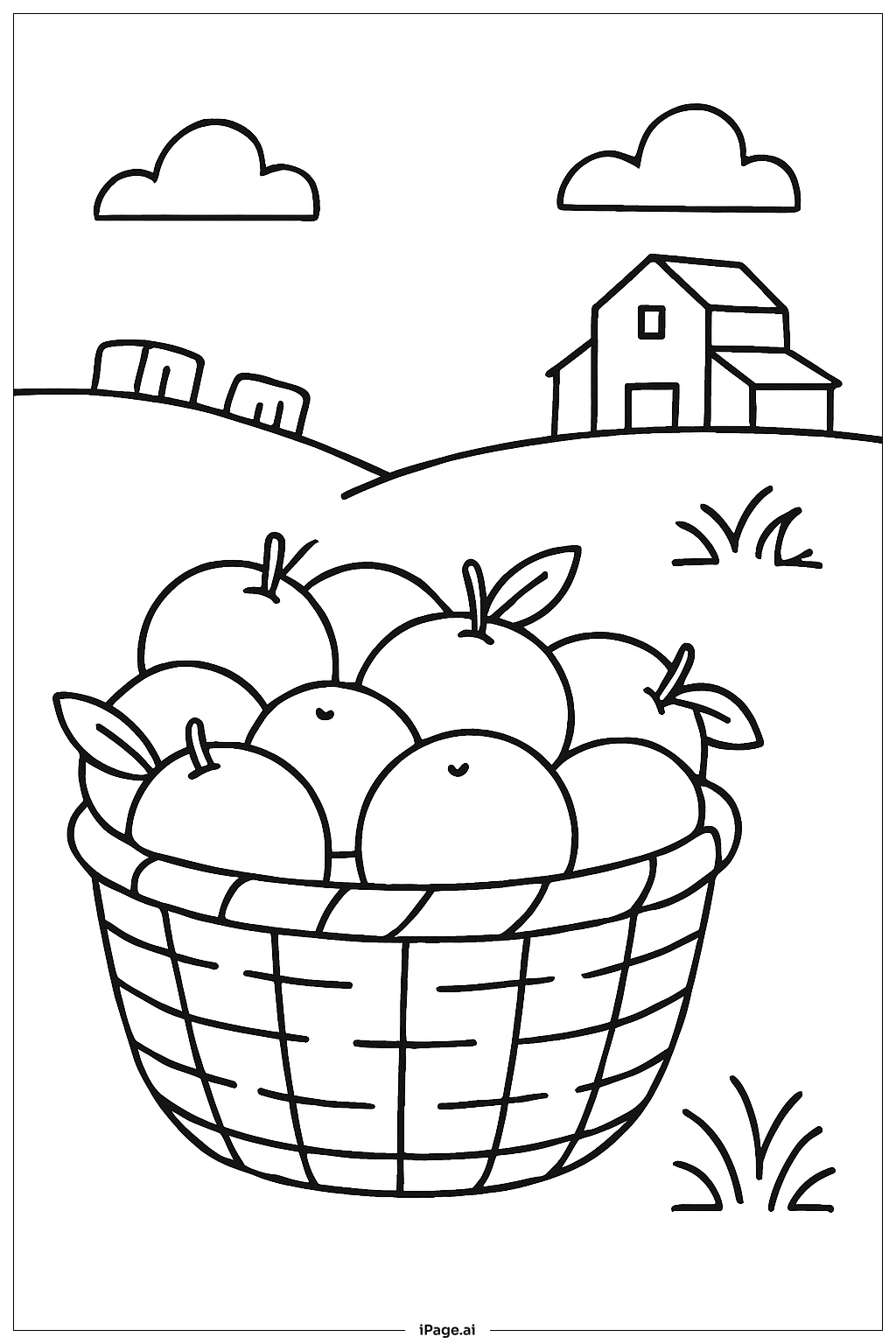
Start with the oranges. Use a bright orange color for the main body of each fruit. Add a slightly darker orange or burnt orange around the edges and dimples to show the bumpy texture of the peel. Use a small touch of yellow in the center of each orange where light hits to make them look round and shiny. For the leaves, use two or three shades of green. A bright green for the top surfaces and a darker green for the undersides and shadows. Color the bowl in a neutral shade like cream, tan, or light brown. You can also try a bold color like deep blue or red to make the orange fruits pop by contrast. For the surface the bowl rests on, a soft yellow or warm beige works well. Take your time with each orange and try to make each one look slightly different to keep the image lively and fun.
Coloring challenges: Which parts are difficult to color and need attention for Orange Fruit Bowl coloring page?
• Orange Texture Details: Each orange has a bumpy, pitted peel surface. Recreating this texture with colored pencils or crayons takes patience. You need to layer light and dark orange tones carefully to show the small dimples without making the fruit look flat or muddy. Using short, gentle strokes in circular patterns helps capture this effect.\n\n• Overlapping Fruits: The oranges are stacked and overlap each other inside the bowl. Where one orange sits behind another, you need to add shadow to show depth. This means using darker shades along the edges where fruits touch, which can be tricky to do smoothly without the colors blending into each other.\n\n• Leaf Coloring and Shading: The leaves tucked between the oranges have curved surfaces and veins. Coloring them realistically means using at least two shades of green and leaving or lightening areas where light falls. Getting the veins to stand out without using a marker that bleeds into the green base color is a common challenge.\n\n• Bowl Shape and Shading: The bowl has a curved, three-dimensional form. To make it look round rather than flat, you need to add lighter color in the center and gradually darken toward the rim and base. Blending these transitions smoothly, especially with crayons, requires a steady hand and light pressure.\n\n• Color Balance Across the Scene: Because most of the image is orange, keeping the whole picture from looking too one-toned is a real challenge. Choosing the right bowl color and background tone, and adding variety through shadow and highlight, is key to making the finished piece look vibrant and well-balanced.
Benefits of coloring books: Advantages of drawing Orange Fruit Bowl coloring page
Coloring this Orange Fruit Bowl image offers a range of great benefits for kids and beginners alike. Working with warm orange tones and layering shades helps children learn how colors interact and how light and shadow make objects look three-dimensional. It builds an early understanding of color mixing and contrast in a fun, low-pressure way. The repetitive task of coloring each round orange one by one is a wonderful exercise for hand-eye coordination and fine motor control. Holding a crayon steadily and staying within the curved outlines strengthens the small muscles in the hands and fingers, which supports writing skills in school. Focusing on a detailed scene like this also trains concentration and patience. Kids learn to slow down, look closely, and make small decisions about which color goes where. Completing the full image gives a strong sense of achievement and builds confidence. The fruit theme also sparks natural curiosity about healthy eating and nature, making it a great conversation starter. Overall, this coloring page is a simple, joyful activity that supports creativity, focus, and fine motor development all at once.