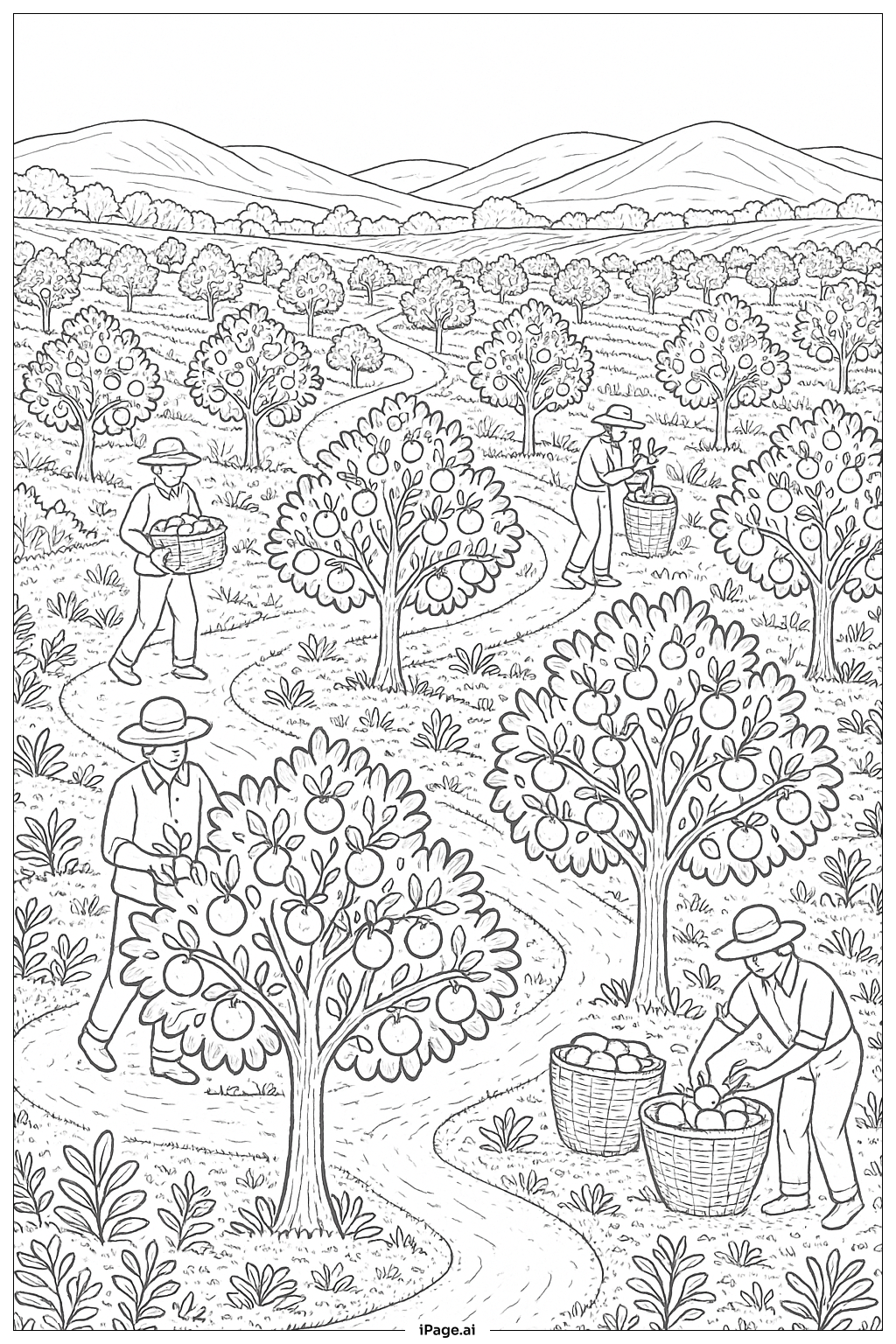
Coloring tips: How to color Orange Orchard Landscape coloring page well?
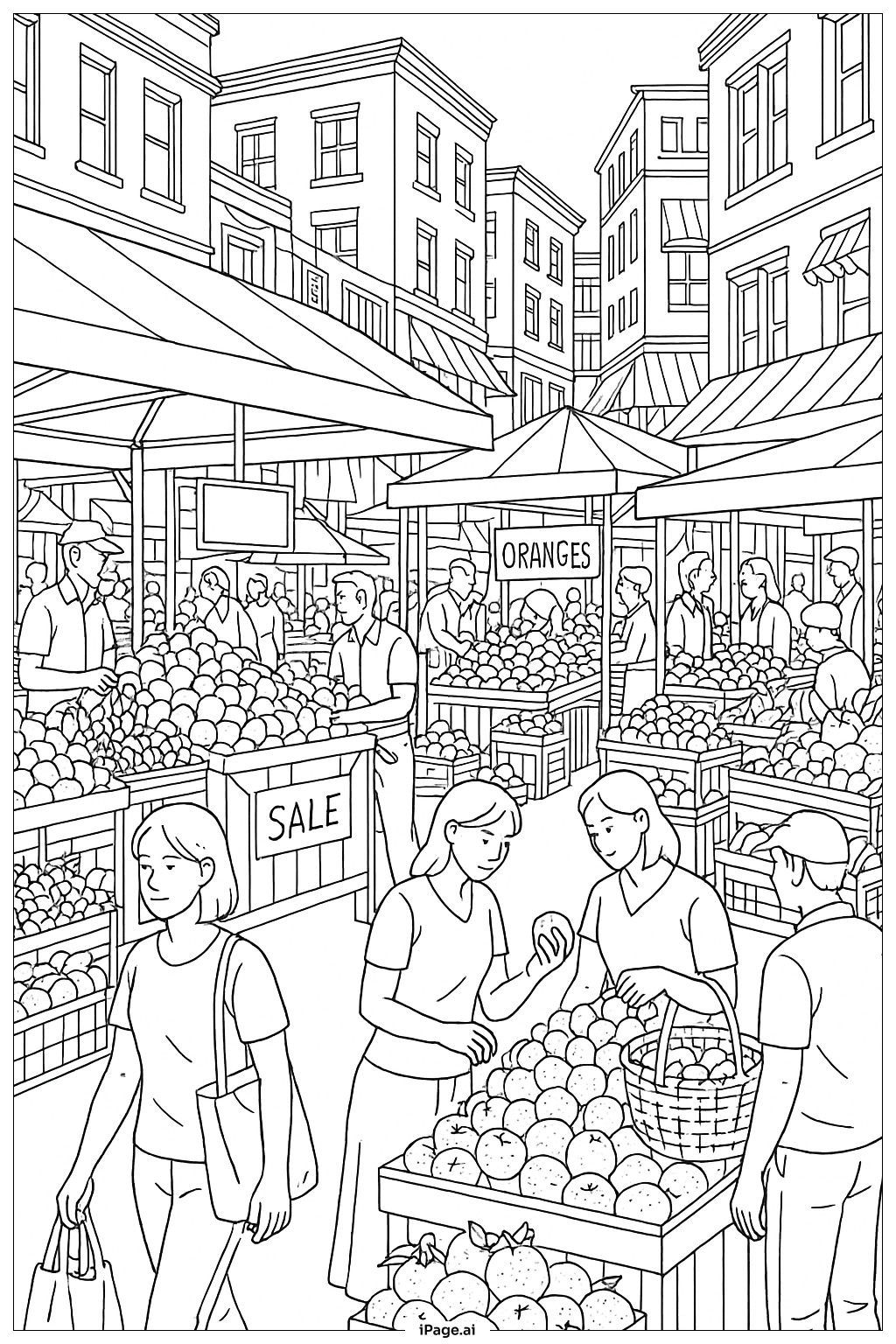
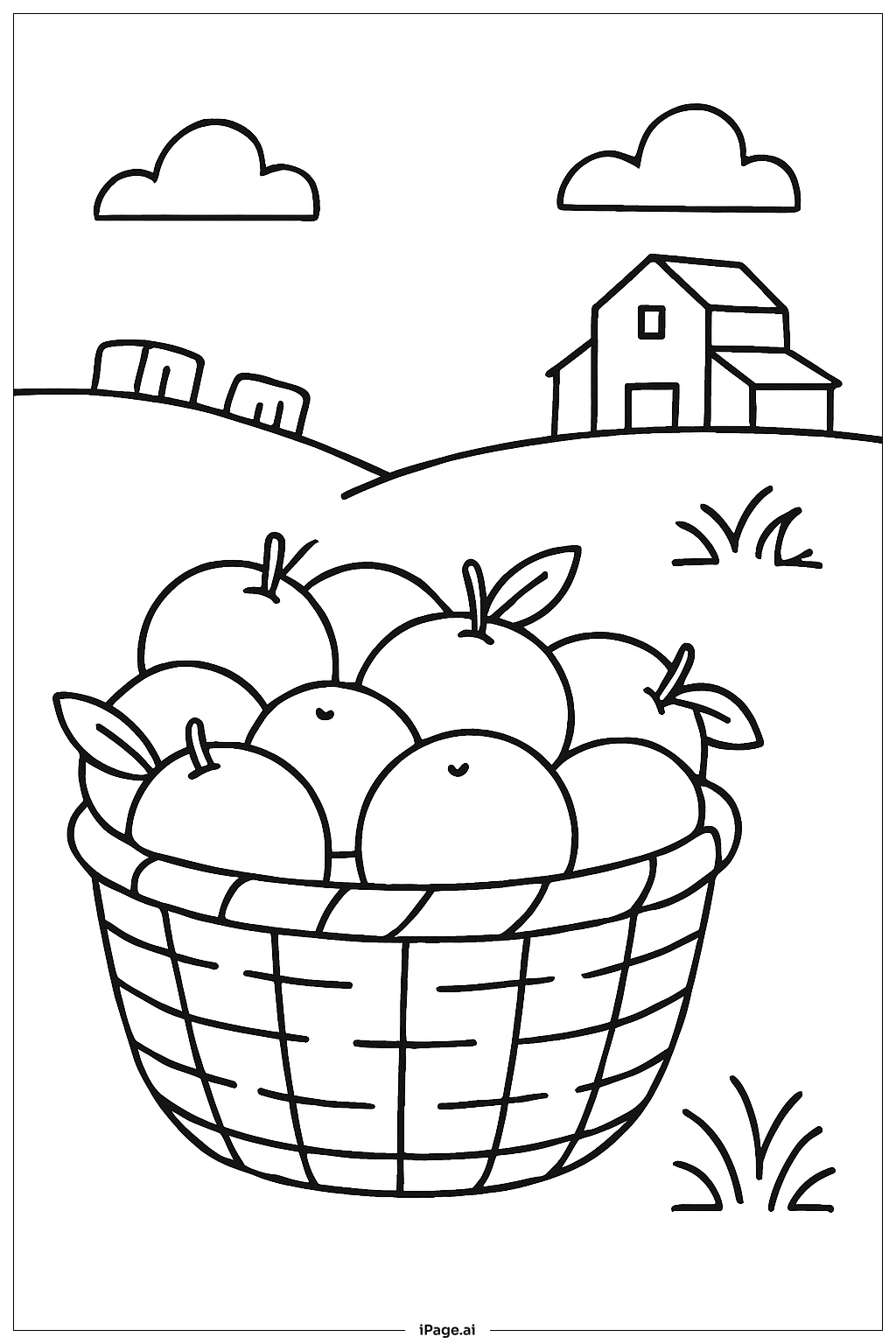
For this orange orchard scene, start with warm, sunny yellows and bright oranges for the fruit to make them pop against the foliage. Use various shades of green for the tree leaves, mixing lighter lime greens with deeper forest greens to add dimension. The tree trunks and branches can be colored in browns and tans, with darker shades for shadows. The sky offers a wonderful opportunity for soft blues, perhaps with hints of purple or pink near the horizon for a sunrise or sunset effect. Color the clouds white or light gray with subtle shading. For the ground, use combinations of greens, yellows, and browns to create a natural grass texture. The pathways between trees can be sandy browns or earthy tones. Don't forget to add orange and yellow segments inside the cut fruit to show their juicy interiors.
Coloring challenges: Which parts are difficult to color and need attention for Orange Orchard Landscape coloring page?
• Fruit Repetition and Consistency: The image contains numerous oranges scattered throughout the trees and on the ground, which requires maintaining consistent coloring across many small circular shapes. Young colorists may find it challenging to keep the orange hue uniform while also adding shading to create a three-dimensional appearance on each piece of fruit. The repetitive nature can test patience, especially for children who want to finish quickly.
• Leaf Density and Texture: The tree canopies are filled with dense foliage that requires careful attention to create realistic depth and texture. Colorists need to vary their green shades to distinguish individual leaves and create layers within the canopy. This can be particularly challenging in areas where leaves overlap, requiring darker greens for shadows and lighter greens for sun-exposed areas. Younger children may struggle with this level of detail and color variation.
• Perspective and Distance Management: The orchard rows extend into the background, creating a perspective challenge where distant trees should appear lighter and less detailed than foreground elements. Maintaining this sense of depth requires understanding of atmospheric perspective and the discipline to use lighter, less saturated colors for background trees. Children may find it difficult to resist using their brightest colors throughout the entire scene.
• Segmented Fruit Interiors: The cut oranges showing their inner segments present a unique coloring challenge with small, wedge-shaped sections that need precise coloring within thin lines. Keeping colors inside these tiny segments without bleeding into adjacent areas requires good fine motor control and concentration, which can be demanding for younger colorists or those still developing their hand-eye coordination.
Benefits of coloring books: Advantages of drawing Orange Orchard Landscape coloring page
Coloring this orange orchard landscape offers wonderful benefits for developing artistic skills and knowledge. The repetitive elements like multiple oranges and trees provide excellent practice for color consistency and patience, teaching children the value of careful, steady work. The natural subject matter introduces young artists to agricultural concepts and where food comes from, fostering appreciation for farming and nature. The varying levels of detail, from simple clouds to complex leaf textures, allow colorists of different skill levels to challenge themselves appropriately. Working with the warm color palette of oranges, yellows, and greens creates a cheerful, positive mood that can be calming and uplifting. The perspective elements help develop spatial awareness and understanding of depth in art. Additionally, the botanical details like fruit segments and tree structures provide a gentle introduction to plant anatomy, making this both an artistic and educational activity.