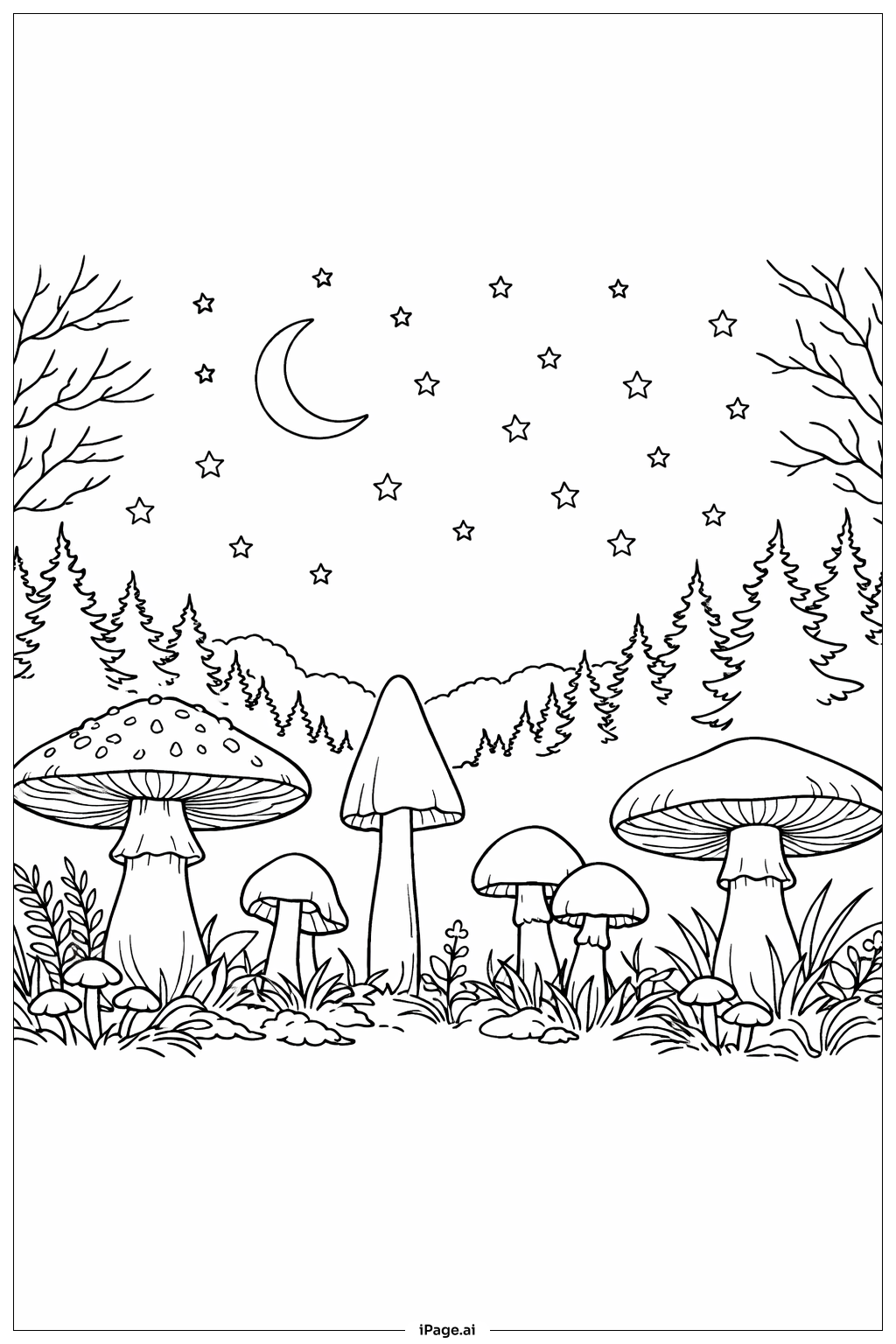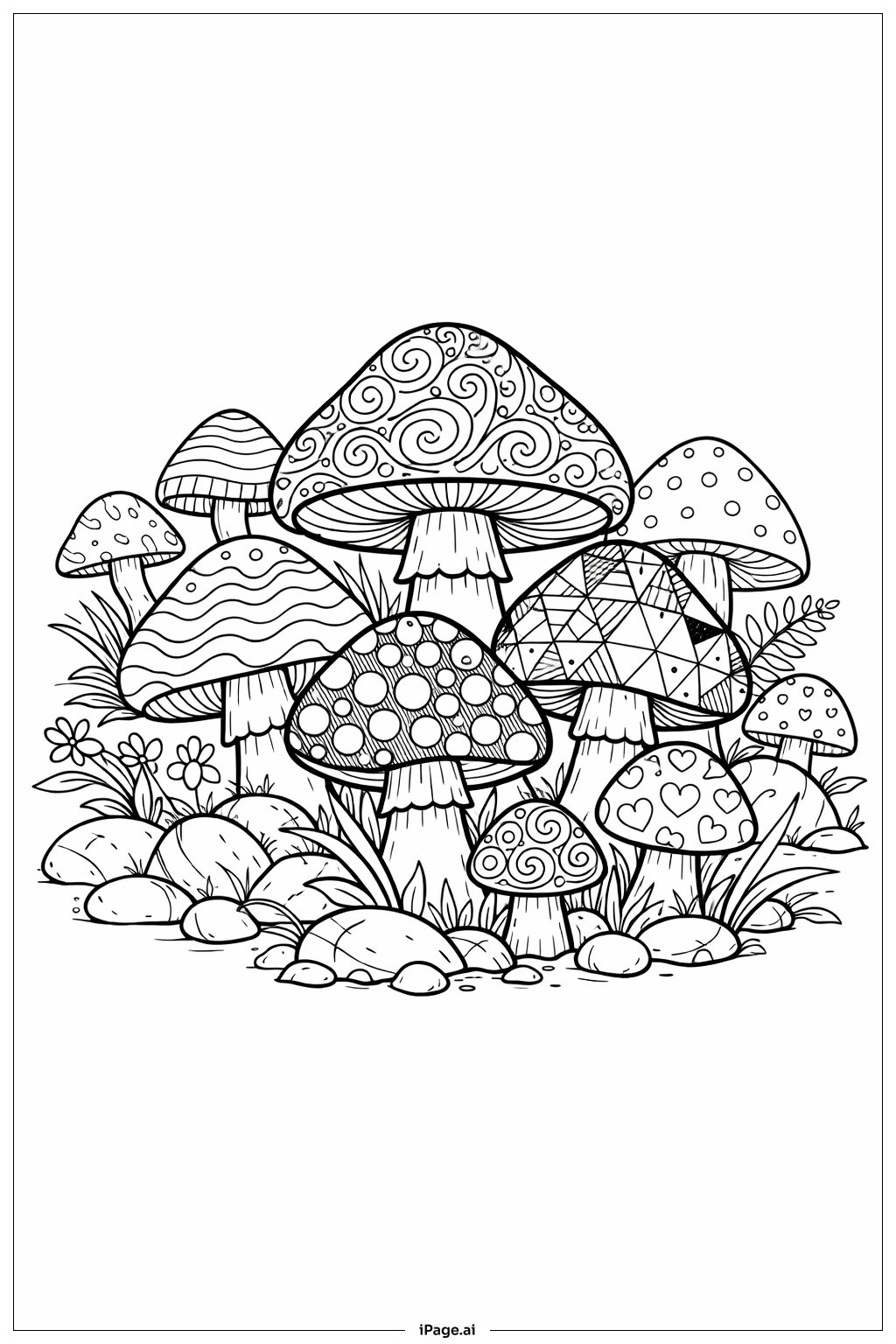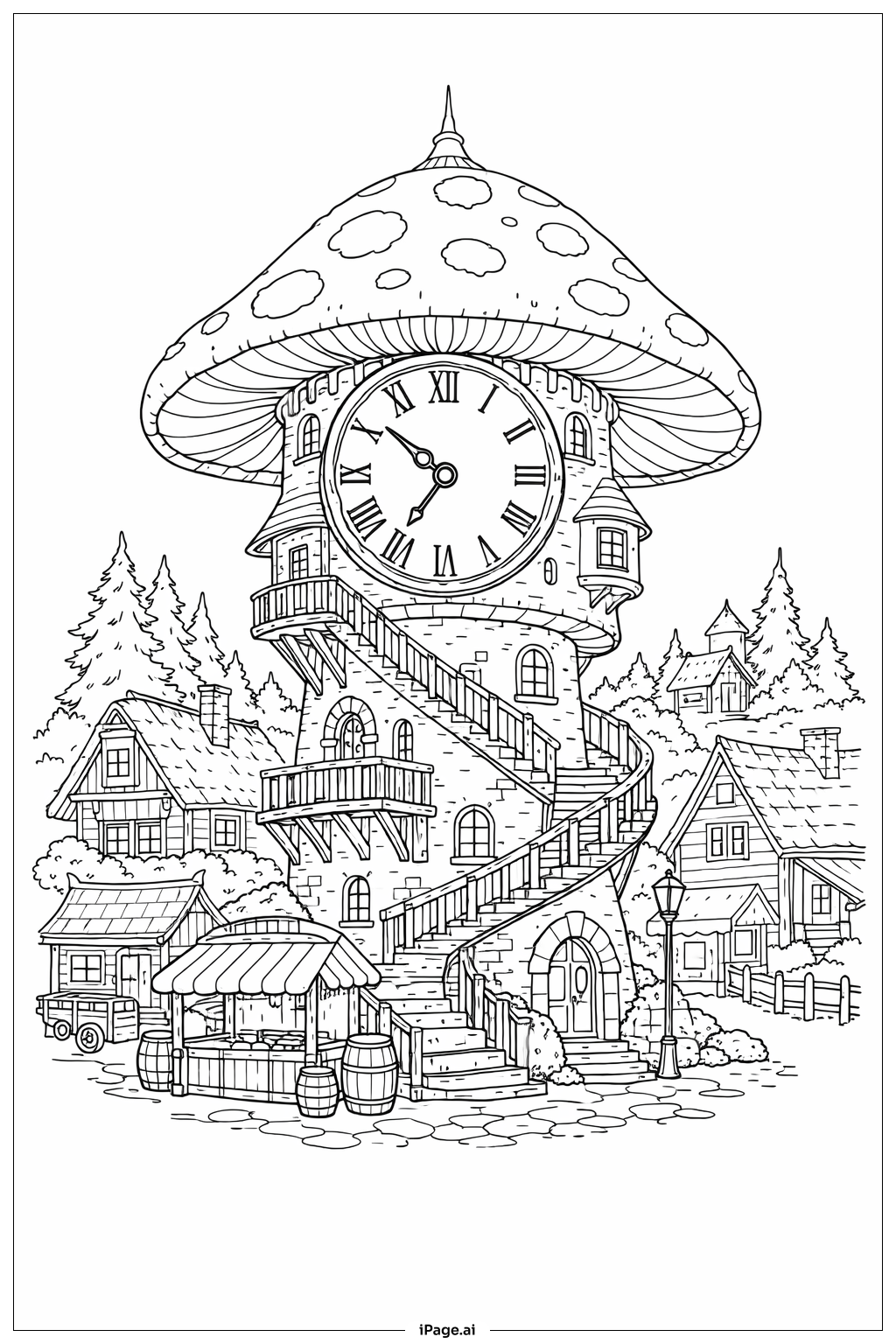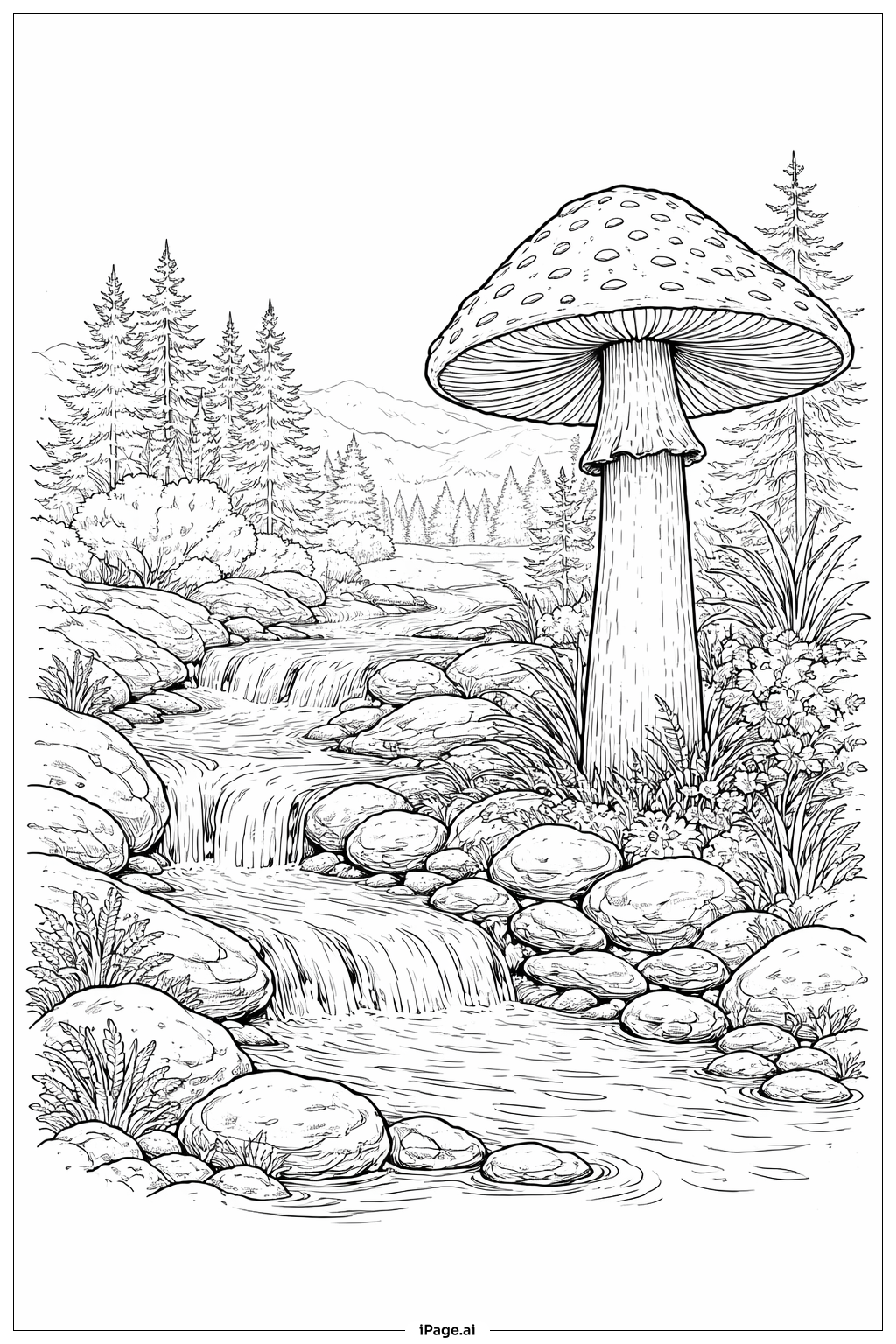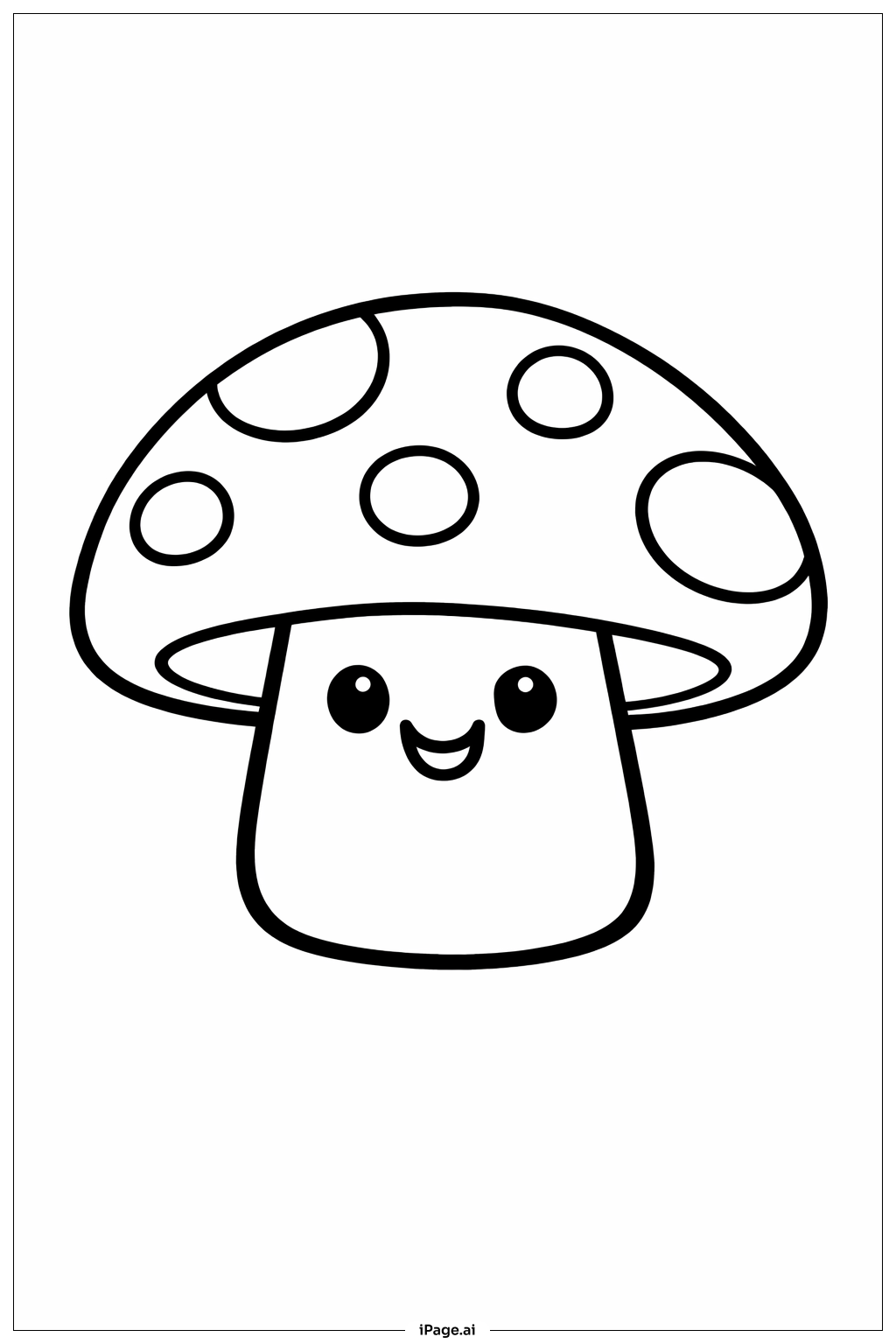
Coloring tips: How to color Happy Tiny Mushroom coloring page well?
For the mushroom cap, consider using warm, cheerful colors like bright red, orange, or pink to match the happy mood. Classic red with white spots creates a traditional toadstool look that children love. The stem works beautifully in soft cream, pale yellow, or light tan shades. For the face, use gentle peach or light pink for cheeks to add warmth, and keep the smile outlined in a darker shade for definition. The surrounding grass can be various shades of green, from lime to forest green, creating depth. Try adding yellow or white highlights on the cap to show where sunlight touches it. Blue or purple could create a magical, fantasy mushroom. Don't forget to color the ground in earthy browns or greens. Encourage layering lighter and darker tones to add dimension and bring this tiny character to life.
Coloring challenges: Which parts are difficult to color and need attention for Happy Tiny Mushroom coloring page?
• Smooth Cap Gradients: The rounded mushroom cap offers an excellent opportunity to practice smooth color transitions and shading techniques. Children can experiment with blending lighter colors at the top where light hits and gradually darkening toward the bottom edges. This teaches valuable skills about light sources and three-dimensional form, though younger artists may find consistent blending challenging at first.
• Facial Feature Precision: The small facial details, including the eyes and smile, require careful coloring within tight spaces. Keeping colors inside these tiny areas helps develop fine motor control and hand-eye coordination. Using the right tool, such as fine-tipped markers or sharp colored pencils, becomes important for achieving clean results without accidentally coloring outside the lines.
• Spot Placement and Consistency: If the mushroom cap includes decorative spots, maintaining uniform color intensity across all spots presents a fun challenge. Children learn about pattern consistency and can practice making deliberate color choices. Deciding whether to leave spots white or fill them with color requires planning ahead.
• Background Integration: Coloring the grass and ground elements around the mushroom while keeping clear boundaries between different sections helps develop spatial awareness. Young artists practice transitioning between the mushroom and its environment, learning how foreground and background elements work together to create a complete scene.
Benefits of coloring books: Advantages of drawing Happy Tiny Mushroom coloring page
Coloring this Happy Tiny Mushroom offers wonderful developmental benefits for children. The simple, friendly design builds confidence in young artists who can quickly achieve satisfying results, encouraging them to continue creative activities. The character's joyful expression helps children connect emotionally with their artwork, making the coloring experience more engaging and meaningful. Working with the curved shapes of the mushroom cap improves hand coordination and pencil control, essential skills for writing and drawing. The limited number of elements prevents overwhelm while still providing enough detail to maintain interest. Children practice decision-making by choosing color combinations and learn about nature in a fun, approachable way. The act of coloring promotes relaxation and focus, helping kids develop concentration skills. Completing this cheerful image provides a sense of accomplishment and creates a finished piece that children feel proud to display or share with others.