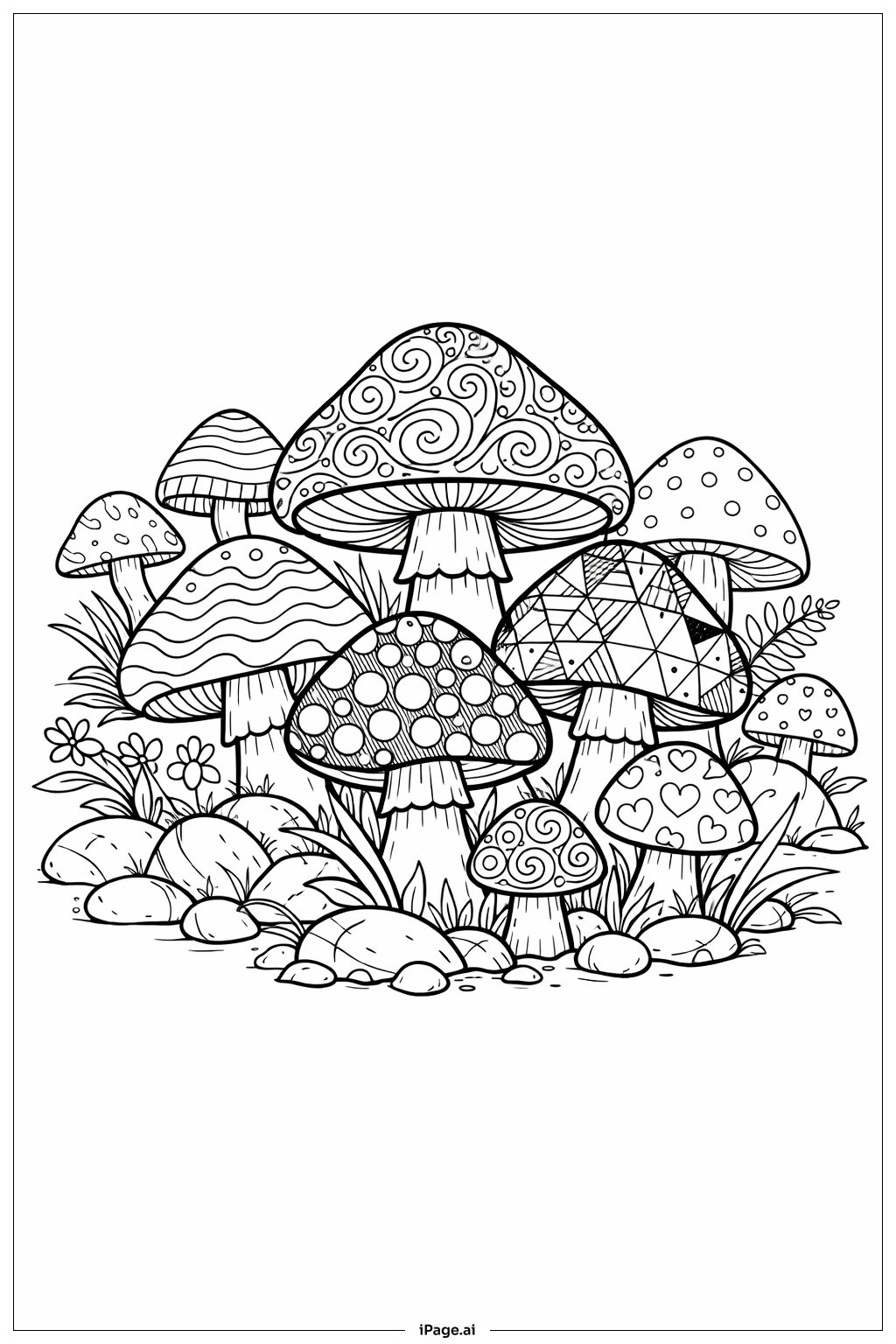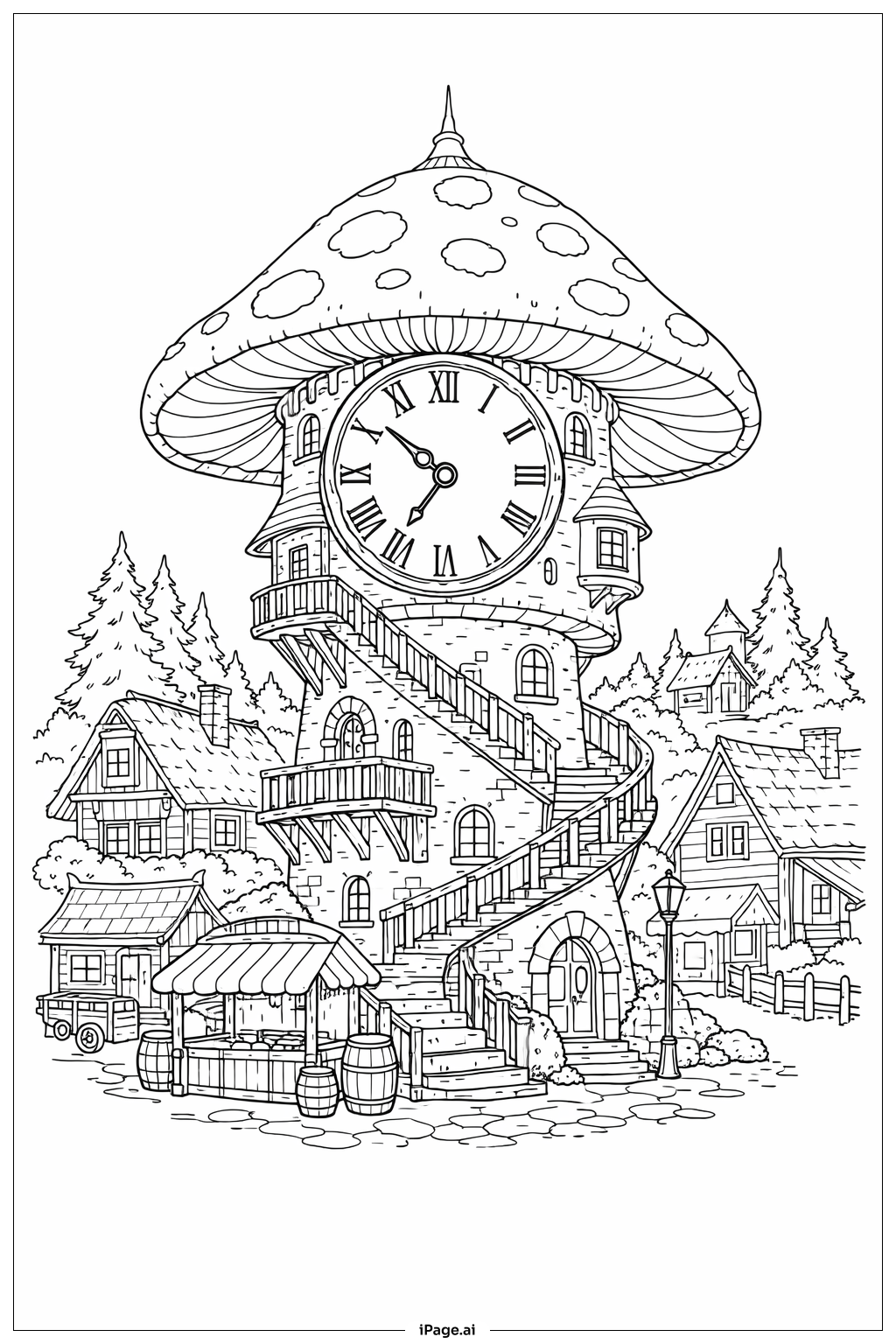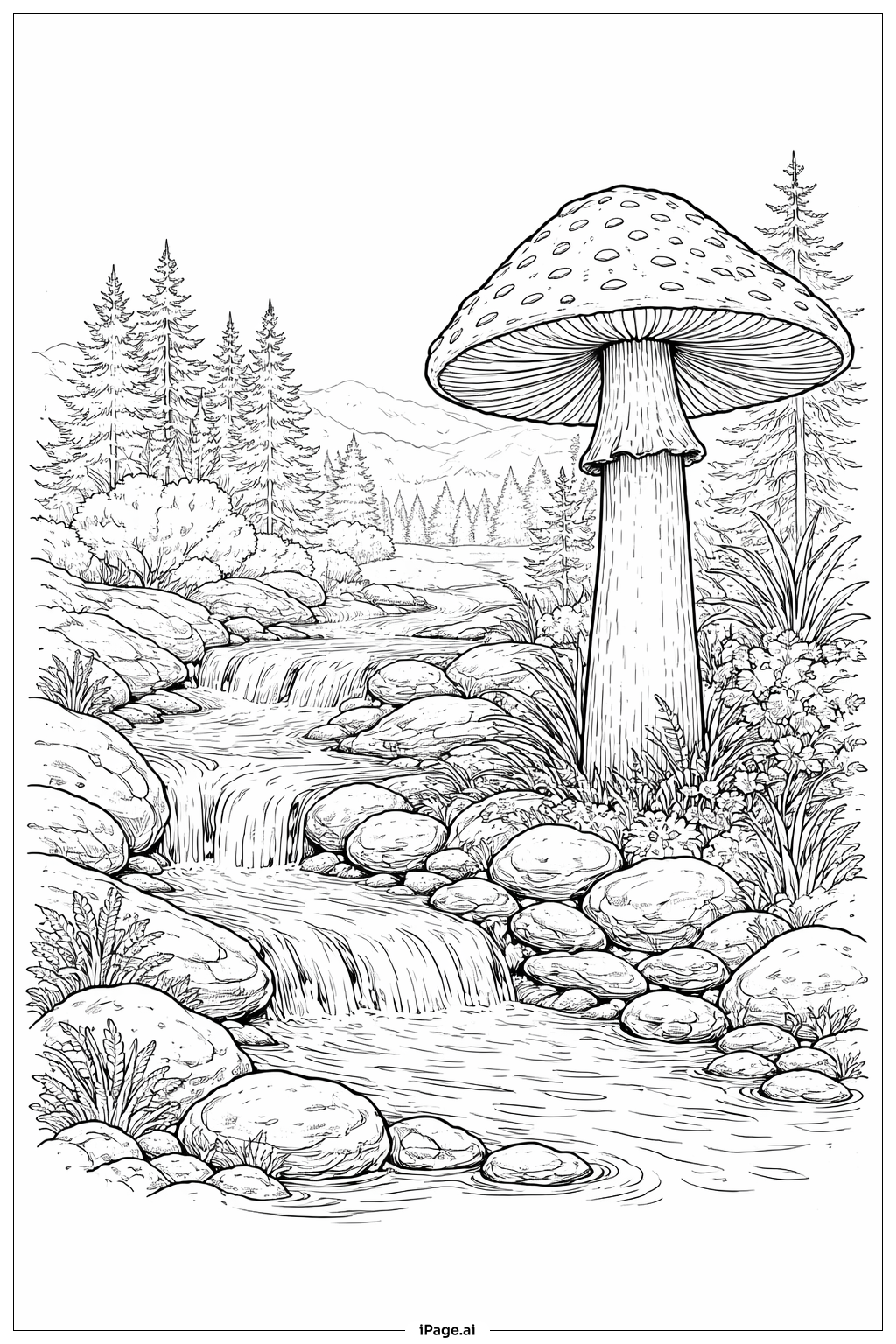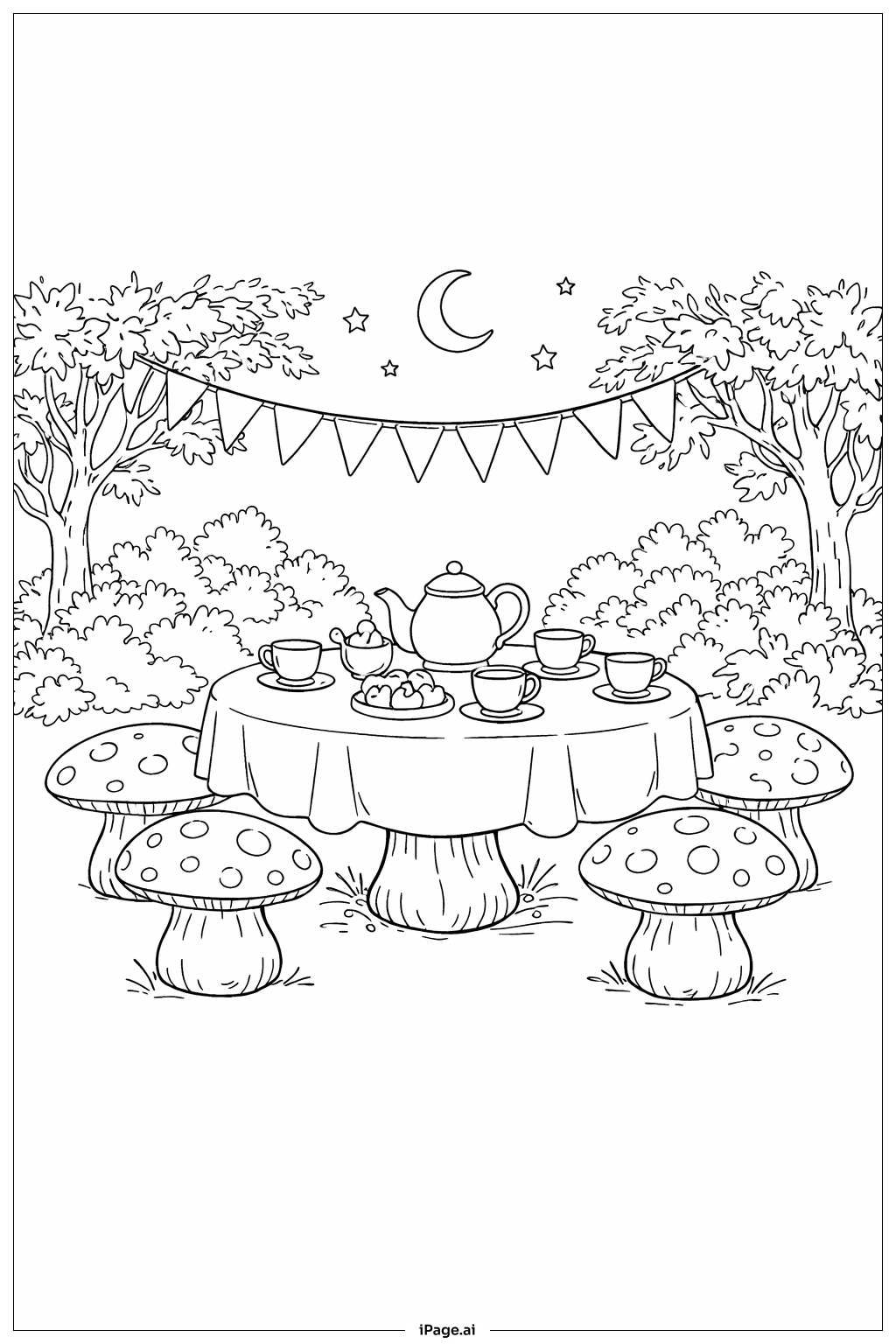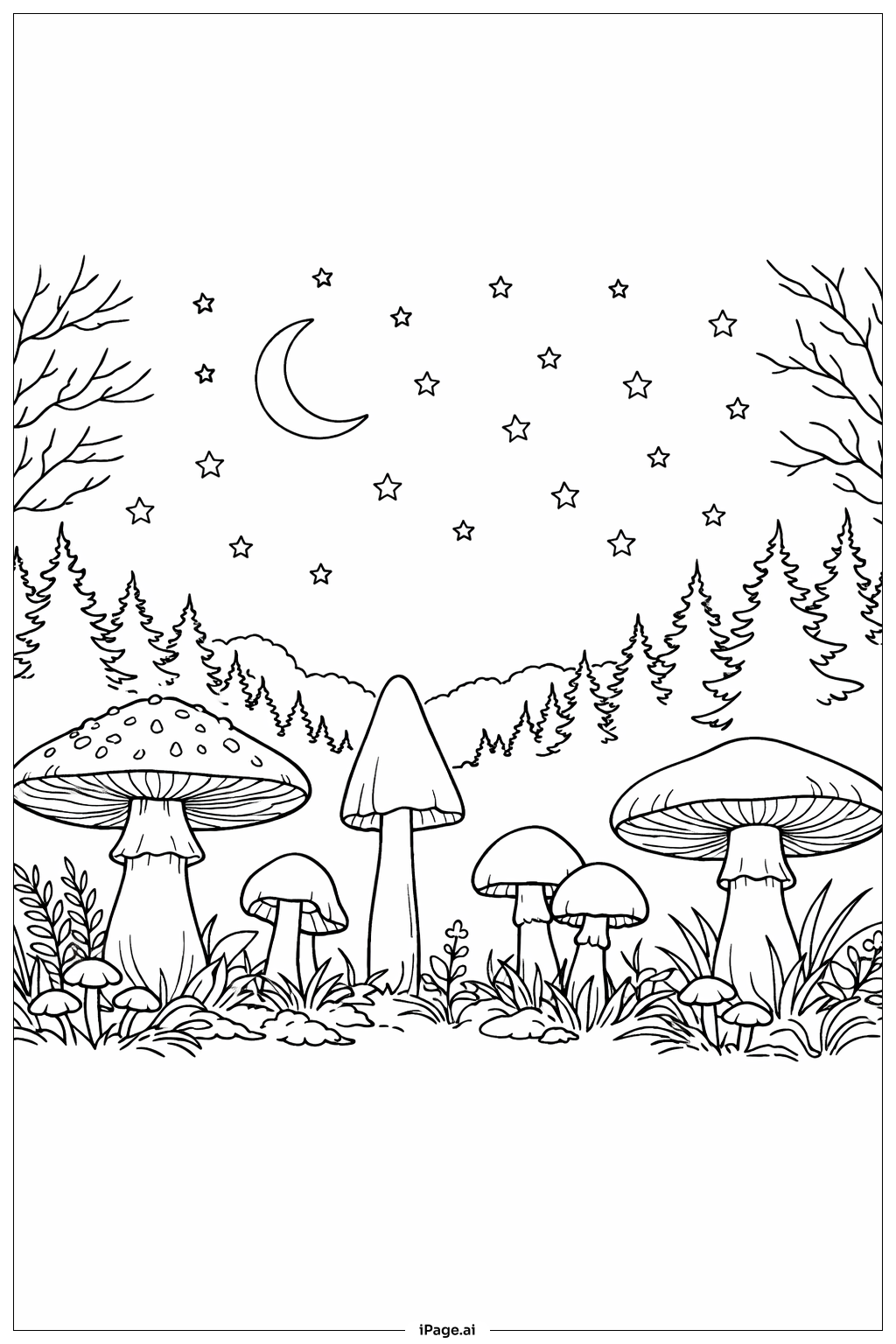
Coloring tips: How to color Nighttime Mushroom Landscape coloring page well?
Start with the sky. Use deep blue, navy, or purple for the background to set a nighttime mood. Color the moon in soft yellow or pale cream, leaving a gentle glow around it. Add light blue or white dots for the stars.
For the mushrooms, try bold and fun colors. Use red, orange, or teal for the caps, and white or light yellow for the spots. The mushroom stems look great in cream, light brown, or pale green.
Color the trees and leaves in deep green or dark teal. For a magical feel, add hints of blue or purple to the shadowed areas.
Use brown and tan for the ground and rocks. Add small pops of color in the grass and vines, like bright green or lime.
Do not be afraid to mix unexpected colors. This is a fantasy scene, so glowing pinks, purples, and blues all work beautifully. Have fun layering light and dark shades to create depth and a glowing nighttime glow throughout the whole image.
Coloring challenges: Which parts are difficult to color and need attention for Nighttime Mushroom Landscape coloring page?
• Mushroom Cap Patterns: The mushroom caps feature large spots and detailed surface textures. Staying inside the small curved outlines of each spot can be tricky, especially where multiple spots sit close together. Take your time with a fine-tipped tool to outline each spot before filling it in with a lighter or contrasting color.
• Nighttime Sky Blending: Creating a realistic nighttime sky requires smooth color transitions from deep navy to softer blue or purple. Achieving an even gradient without streaks or blotchy patches is a challenge, particularly for younger colorists. Using colored pencils in circular strokes or layering multiple shades gradually can help create a smoother effect.
• Depth and Layering: The scene has a strong sense of depth, with foreground mushrooms, mid-ground trees, and a background sky. Keeping each layer visually distinct by using progressively lighter or cooler tones as objects recede into the background takes planning and color awareness.
• Small Ground Details: The lower section of the image contains fine details like grass tufts, small rocks, curling roots, and layered ground textures. These tiny elements sit very close together, making it easy for colors to bleed into one another. Patience and a sharp pencil or thin marker tip are key here.
• Moon Glow Effect: Capturing the soft, luminous glow of the full moon against a dark sky is one of the most rewarding but difficult aspects of this image. It requires leaving lighter areas around the moon and gradually darkening the surrounding sky outward, which demands careful control over pressure and color intensity.
Benefits of coloring books: Advantages of drawing Nighttime Mushroom Landscape coloring page
Coloring this nighttime mushroom scene offers a wonderful mix of fun and learning for kids and beginners alike.
First, it builds focus and patience. The many small details, from the spotted mushroom caps to the tiny stars and grass tufts, encourage children to slow down and pay careful attention to each section.
Second, it sparks creativity. Because this is a fantasy scene, there are no rules about what colors to use. Kids are free to experiment with wild, unexpected color combinations, which helps develop their imagination and confidence.
Third, it teaches color mixing and contrast. Choosing colors that make the dark night sky pop against the bright glowing mushrooms is a natural lesson in how light and dark work together. This builds early art skills in a playful, low-pressure setting.
Fourth, it supports fine motor development. Carefully coloring inside curved outlines, small spots, and narrow stems strengthens hand control and pencil grip, skills that are important for writing and everyday tasks.
Finally, the calming, magical mood of the scene makes coloring feel like a relaxing escape. Spending quiet time with a creative activity like this can reduce stress and bring a real sense of joy and accomplishment once the page is complete.