Coloring tips: How to color Monkey With Big Ears coloring page well?
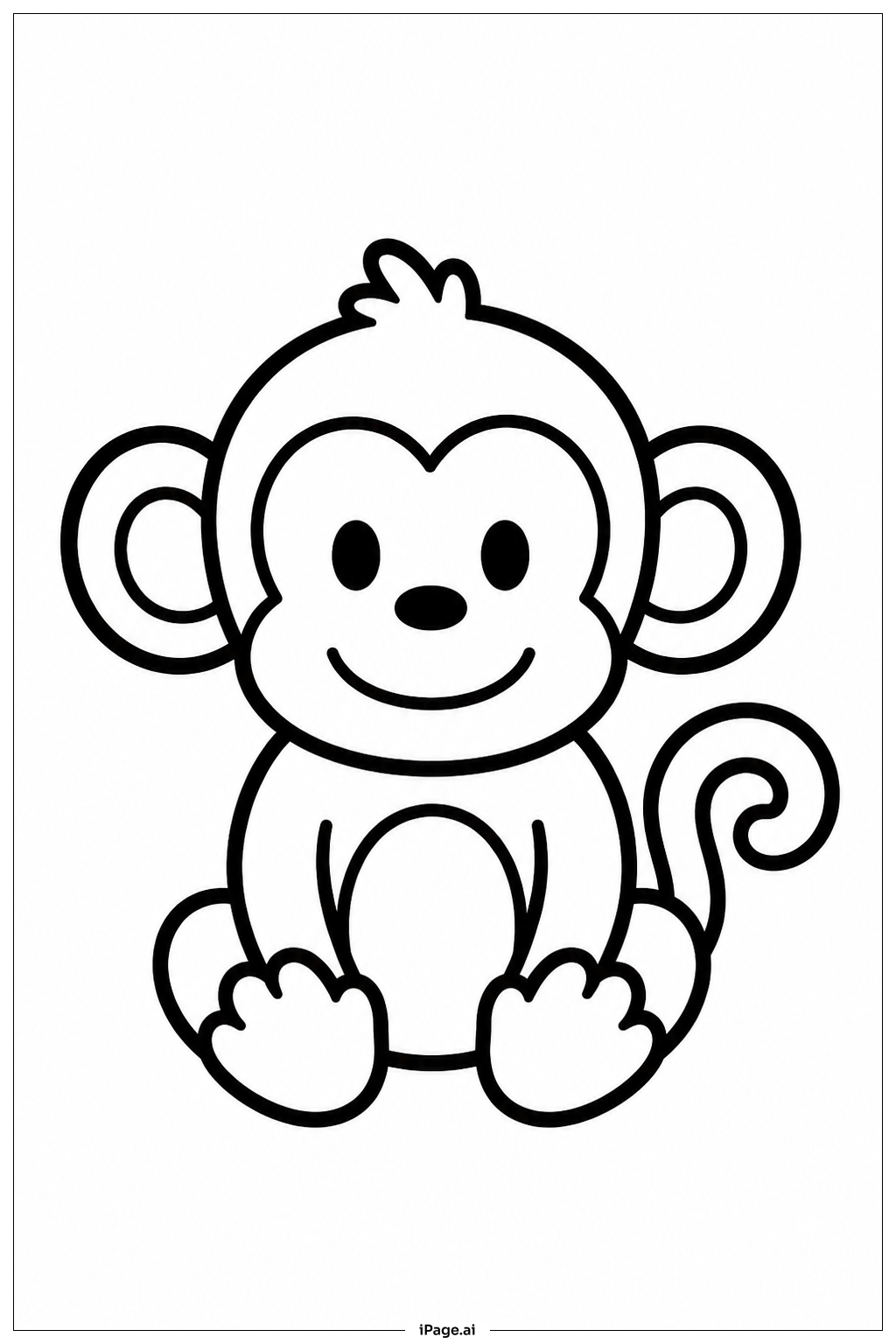
Start with the monkey's body by using warm brown or tan shades. You can mix light brown for the belly and face, and darker brown for the outer fur. The big ears can be colored with a soft pink on the inside to make them look realistic and cute. Use a bright peach or cream color for the face center and chest area. For the eyes, try dark brown or black with a tiny white dot to add a lively sparkle. The tail can follow the same brown tones as the body. If you want to make the monkey more fun, try using creative colors like orange, golden yellow, or even purple for a fantasy look. Boys and Girls alike can enjoy adding a colorful background — think green jungle leaves, a blue sky, or a bright yellow sun to bring the whole scene to life. Keep your strokes light and steady for the smaller areas near the face and ears.
Coloring challenges: Which parts are difficult to color and need attention for Monkey With Big Ears coloring page?
• Big Ear Shading: The monkey's oversized ears are one of the trickiest parts to color. Because they are large and rounded, you need to blend at least two tones — a darker shade on the outer edge and a lighter pink or peach on the inner cup. Getting a smooth gradient without harsh lines takes patience and a light hand with your coloring tool.
• Facial Detail Work: The monkey's face contains several small features close together, including the eyes, nose, and mouth. Coloring these areas without accidentally mixing colors requires a fine-tipped pencil or marker. Staying inside the lines around the eyes is especially challenging for younger colorists.
• Fur Texture Lines: The short sketch lines showing fur across the body and face need careful attention. If you fill over them with too heavy a stroke, the texture disappears. Using lighter pressure helps preserve that fluffy, natural-looking fur effect.
• Contrast Between Body Areas: The monkey has different tones across its body — darker fur on the back and lighter tones on the face and belly. Keeping these areas distinct without the colors bleeding into each other requires planning ahead and letting one area dry before moving to the next, especially when using markers or watercolors.
• Curling Tail: The long, curving tail is narrow in some sections, making it hard to color neatly. A sharp pencil tip or a thin marker works best here. Maintaining consistent color along the entire length of the tail without gaps or uneven patches is a small but real challenge for colorists of all ages.
Benefits of coloring books: Advantages of drawing Monkey With Big Ears coloring page
Coloring this fun monkey with big ears offers a range of great benefits for children and Adults alike. For younger kids, it helps develop fine motor skills as they practice staying inside the lines and controlling their coloring tools. Choosing colors and deciding how to fill each section of the monkey also encourages creativity and independent thinking.
The big, expressive ears and simple cartoon shapes make this page approachable for beginners while still offering enough detail to keep older kids engaged. Focusing on a coloring task like this helps improve concentration and patience, skills that carry over into school and daily life.
For Boys and Girls who love animals, this page is also a gentle way to connect with nature and learn about monkeys in a playful setting. Completing the image gives children a sense of accomplishment and pride in their work.
Adults can also enjoy this page as a simple, stress-relieving activity. The light-hearted design is easy to work with and makes for a relaxing creative break. Overall, coloring this cheerful monkey supports emotional well-being, boosts focus, and makes for a joyful, screen-free activity the whole family can enjoy together.