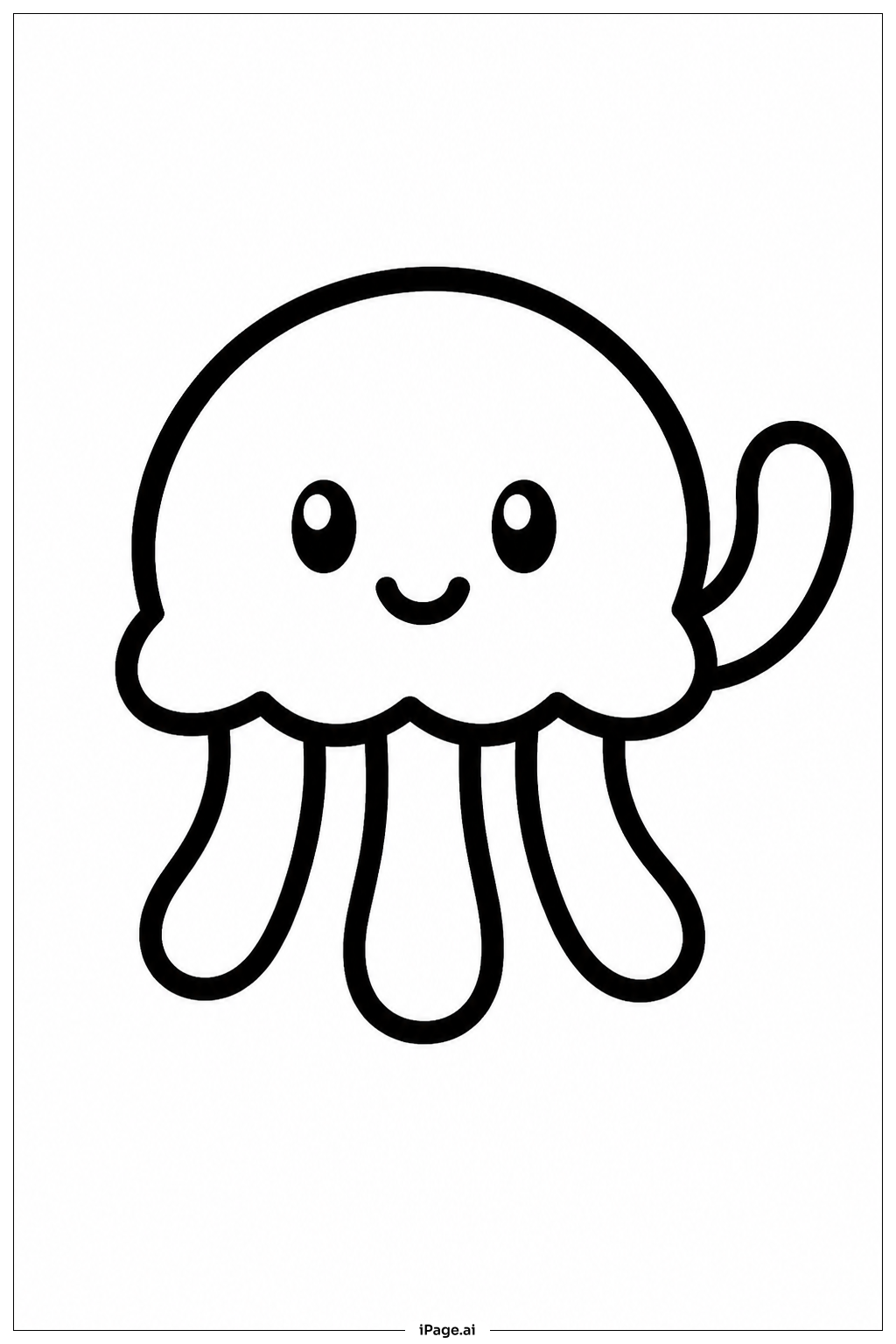
Coloring tips: How to color Waving Jelly Fish coloring page well?
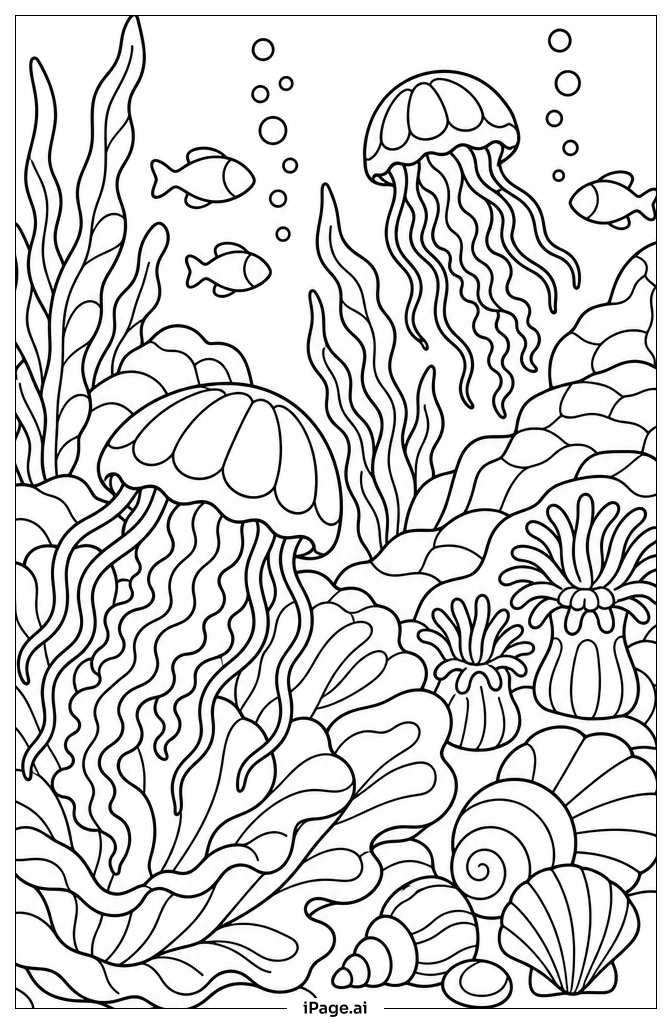
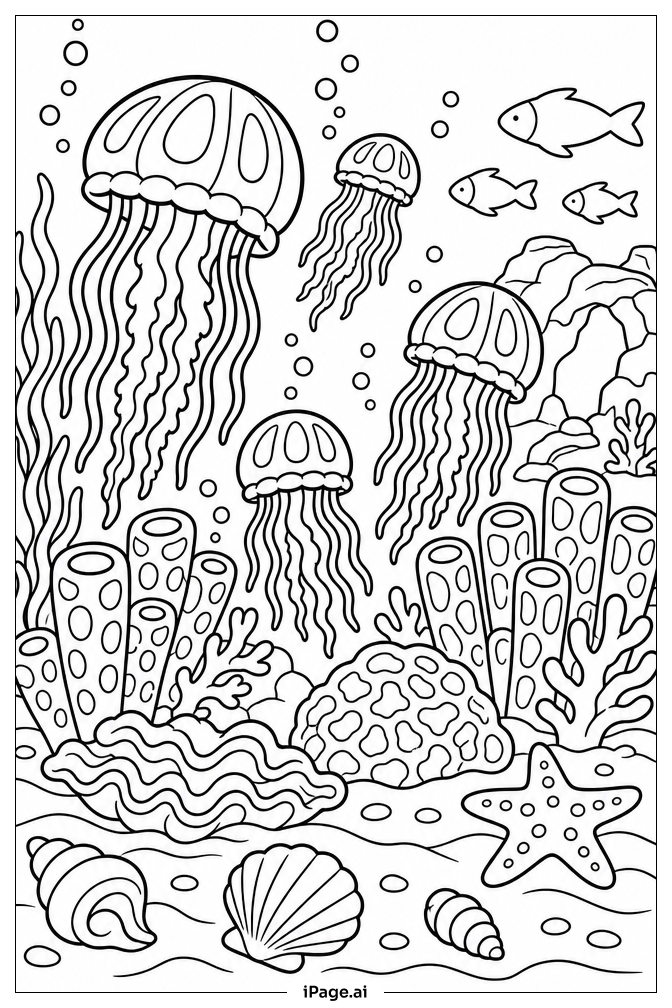
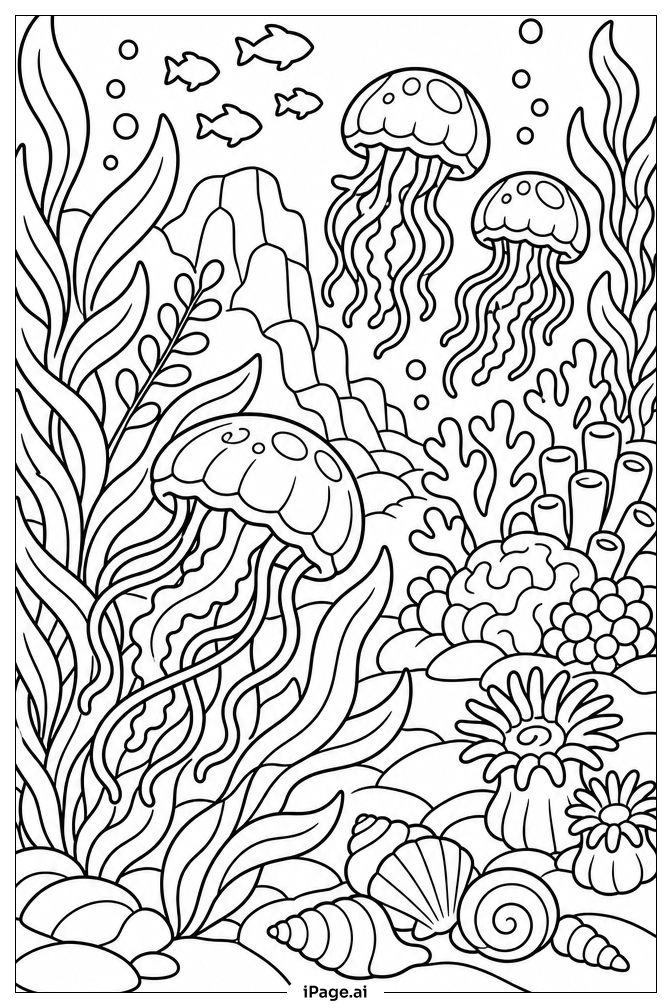
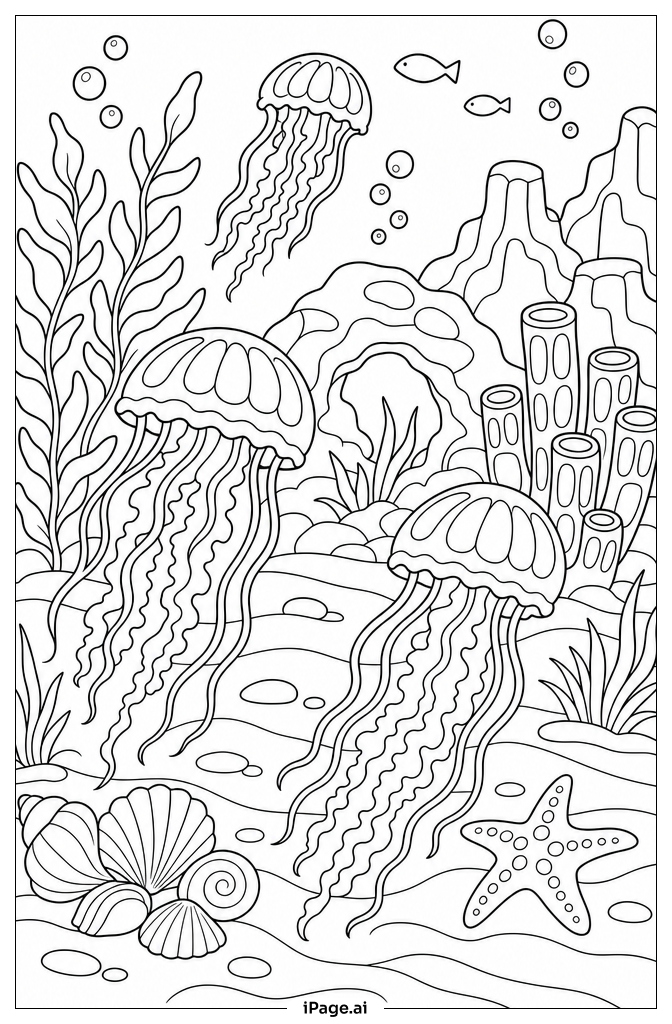
Start with the bell-shaped body at the top. Jellyfish can be many colors, so feel free to be creative! Try soft pinks, light purples, ocean blues, or even glowing orange and yellow tones to make it look magical. Use a slightly darker shade of the same color around the edges of the bell to give it a rounded, three-dimensional look. For the tentacles, use long, smooth strokes with colors that match or complement the bell. Try blending two colors on each tentacle for a flowing, gradient effect. Lighter blues and teals work beautifully here. Color the bubbles with pale blue or leave them lightly outlined for a delicate touch. The background can be filled in with deep ocean blue or aqua tones to make the jellyfish stand out. Kids can also try adding a glowing effect by using lighter colors near the center of the bell and darker tones toward the outside. Most importantly, have fun and let your imagination lead the way!
Coloring challenges: Which parts are difficult to color and need attention for Waving Jelly Fish coloring page?
• Bell Body Shading: The large dome of the jellyfish looks best when shaded gradually from light to dark. Keeping the color smooth and even across such a wide, curved surface can be tricky, especially for younger colorists. Take your time and use gentle, circular strokes to blend colors naturally.
• Tentacle Flow and Blending: The long, ribbon-like tentacles twist and curl in many directions. Coloring them smoothly without breaking the flowing look is a challenge. Each tentacle should feel soft and continuous, so avoiding harsh lines or abrupt color changes is important. Blending two shades along each tentacle adds realism but requires patience.
• Facial Expression Details: The jellyfish has a small, expressive face with eyes and a mouth. These features are tiny compared to the rest of the image. Using fine-tipped tools like colored pencils or thin markers works best here. Be careful not to press too hard and accidentally smudge the nearby areas.
• Pattern Details on the Bell: There are decorative lines and subtle patterns across the dome of the jellyfish. Staying within these small design areas while keeping consistent color tones requires steady hands and careful attention. Younger children may find it easier to color over them simply, while older kids can try to highlight each pattern distinctly.
• Background and Depth: Adding a background that makes the jellyfish pop without overpowering it can be difficult. Using too dark a color too quickly can overwhelm the lighter jellyfish tones. Build the background color gradually, working from lighter to deeper shades as you move away from the jellyfish.
Benefits of coloring books: Advantages of drawing Waving Jelly Fish coloring page
Coloring this waving jellyfish page offers a wonderful range of benefits for children of all ages. First, it helps build fine motor skills. Carefully coloring inside the flowing tentacles and small facial details trains hand steadiness and pencil control. These skills directly support handwriting and other detailed tasks at school. Second, it encourages creativity. There is no single correct way to color a jellyfish, so kids are free to explore unique color combinations and make the image truly their own. This kind of open-ended creative play builds confidence and self-expression. Third, it teaches color blending and artistic thinking. Trying to shade the dome or blend the tentacles introduces children to basic art concepts in a fun, pressure-free way. Fourth, focusing on a detailed image like this supports concentration and patience. Sitting with a task and seeing it through to completion is a valuable habit for children to develop. Finally, the playful, friendly design of the jellyfish makes the activity joyful and relaxing. It can help reduce stress and create a calm, focused mindset. Whether done alone or with friends and family, this page is a great creative experience.