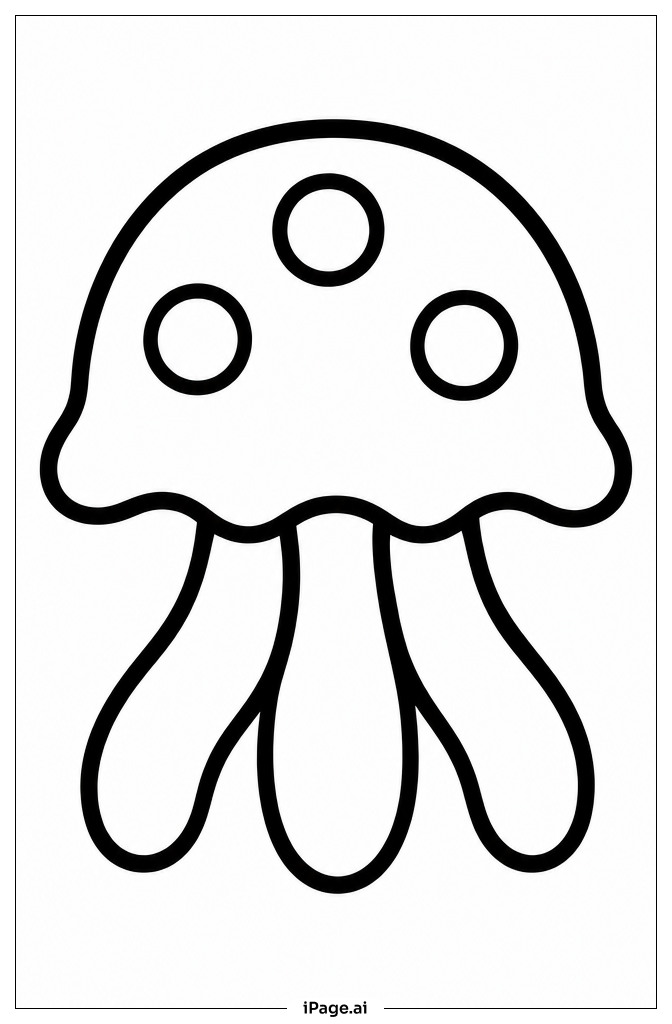
Coloring tips: How to color Tiny Spot Jelly Fish coloring page well?
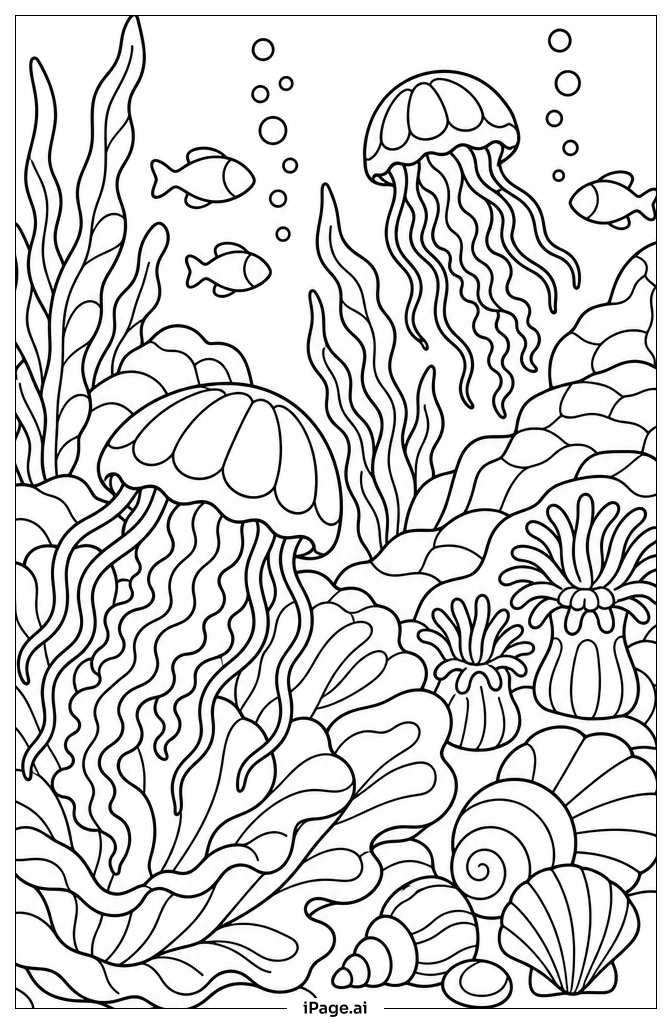
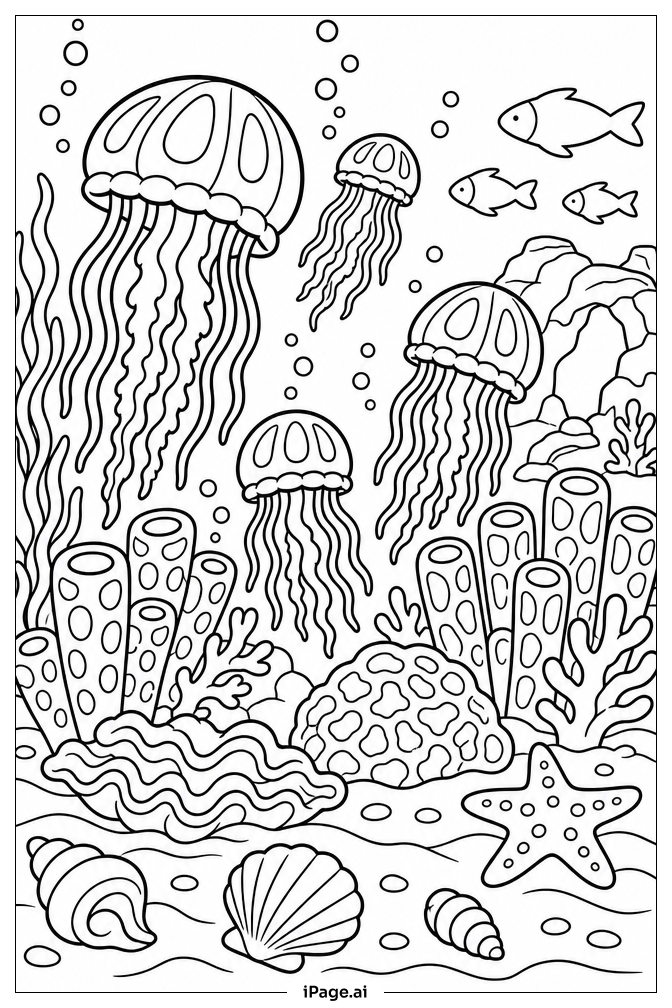
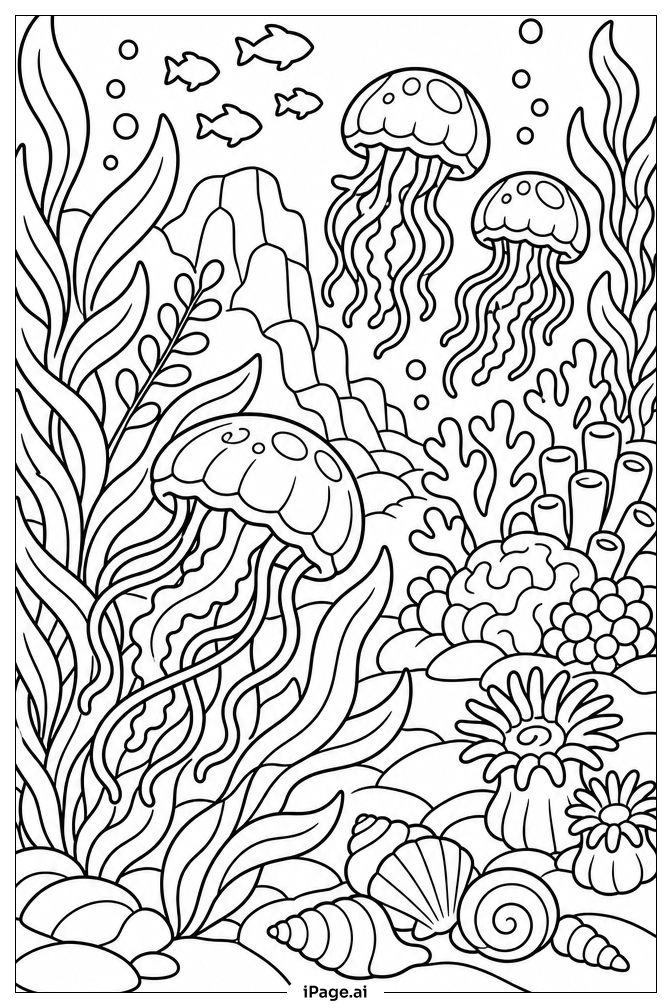
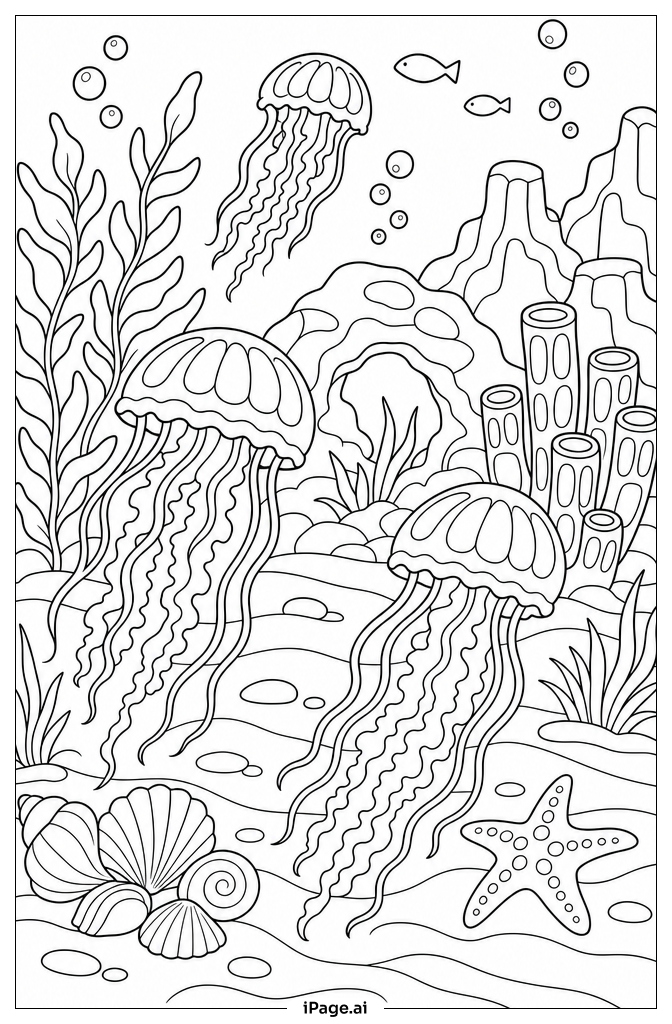
Start with the dome-shaped bell at the top. Use soft, light colors like pale pink, lavender, or sky blue to give it a gentle, glowing look. You can add a slightly darker shade around the edges to create a rounded feel.
For the spots, pick a color that stands out from the bell — try deep purple, coral, or teal. Keep each spot neat and even.
The tentacles look great in flowing gradient colors. Start with one color at the top and slowly blend into another as you move down. Light blue fading into white or soft pink fading into lilac works beautifully.
For the frilly edges, use a slightly darker version of your bell color to make them pop. You can also try a contrasting color for a fun, bold look.
Use light, gentle strokes throughout. Jellyfish are soft and delicate, so avoid heavy, dark shading. Adding a soft blue background can make your jellyfish look like it is floating underwater.
Coloring challenges: Which parts are difficult to color and need attention for Tiny Spot Jelly Fish coloring page?
Coloring this tiny jellyfish comes with a few fun challenges to keep in mind:
• **Coloring the small spots:** The spots scattered across the bell are tiny and closely spaced. Staying inside each spot without going over the edges requires careful control of your coloring tool. Fine-tipped markers or sharpened colored pencils work best for this area. Take your time with each spot to keep them clean and consistent.
• **Blending the tentacles:** The long, flowing tentacles trail downward in wavy lines. Achieving a smooth gradient or a natural, flowing color effect along their length can be tricky, especially where they curve and overlap. Layering colors gradually with light pressure helps create a believable flowing look.
• **Creating depth in the bell:** The dome-shaped bell looks best when it appears rounded and three-dimensional. Simply filling it with a flat color can make it look dull. Adding subtle shading — a slightly darker tone around the outer edges and a lighter or even white highlight in the center — brings it to life, but controlling the gradual transition takes patience and practice.
• **Handling the frilled edges:** The delicate, ruffled fringe along the bottom of the bell is made up of many small, curved shapes packed closely together. These are easy to accidentally smudge or color outside of. Working slowly with a fine tool and steady hand is key.
• **Keeping colors harmonious:** With so many different parts — bell, spots, tentacles, and frills — choosing colors that all work together without clashing can be a challenge, especially for younger colorists. Picking a simple two- or three-color palette before starting helps keep the final result looking balanced and beautiful.
Benefits of coloring books: Advantages of drawing Tiny Spot Jelly Fish coloring page
Coloring this tiny jellyfish page offers a wonderful range of benefits for kids and young artists:
**Builds fine motor skills.** Carefully coloring inside the small spots and delicate tentacles helps strengthen hand muscles and improve pencil control — skills that are useful in school and everyday life.
**Boosts focus and patience.** The detailed design encourages children to slow down, concentrate, and work through each section thoughtfully. This builds the habit of staying on task.
**Sparks creativity.** Choosing colors for the bell, spots, and tentacles lets kids express their own imagination. There are no wrong choices — every jellyfish can be unique!
**Teaches about ocean life.** This image introduces children to real sea creatures in a fun, approachable way. It can open up conversations about jellyfish, the ocean, and marine animals.
**Promotes relaxation.** The gentle, flowing shapes of the jellyfish have a calming effect. Coloring repetitive patterns like the spots and tentacles can reduce stress and bring a sense of peace.
**Encourages a sense of accomplishment.** Finishing a detailed coloring page gives kids a real sense of pride and confidence in their creative abilities.