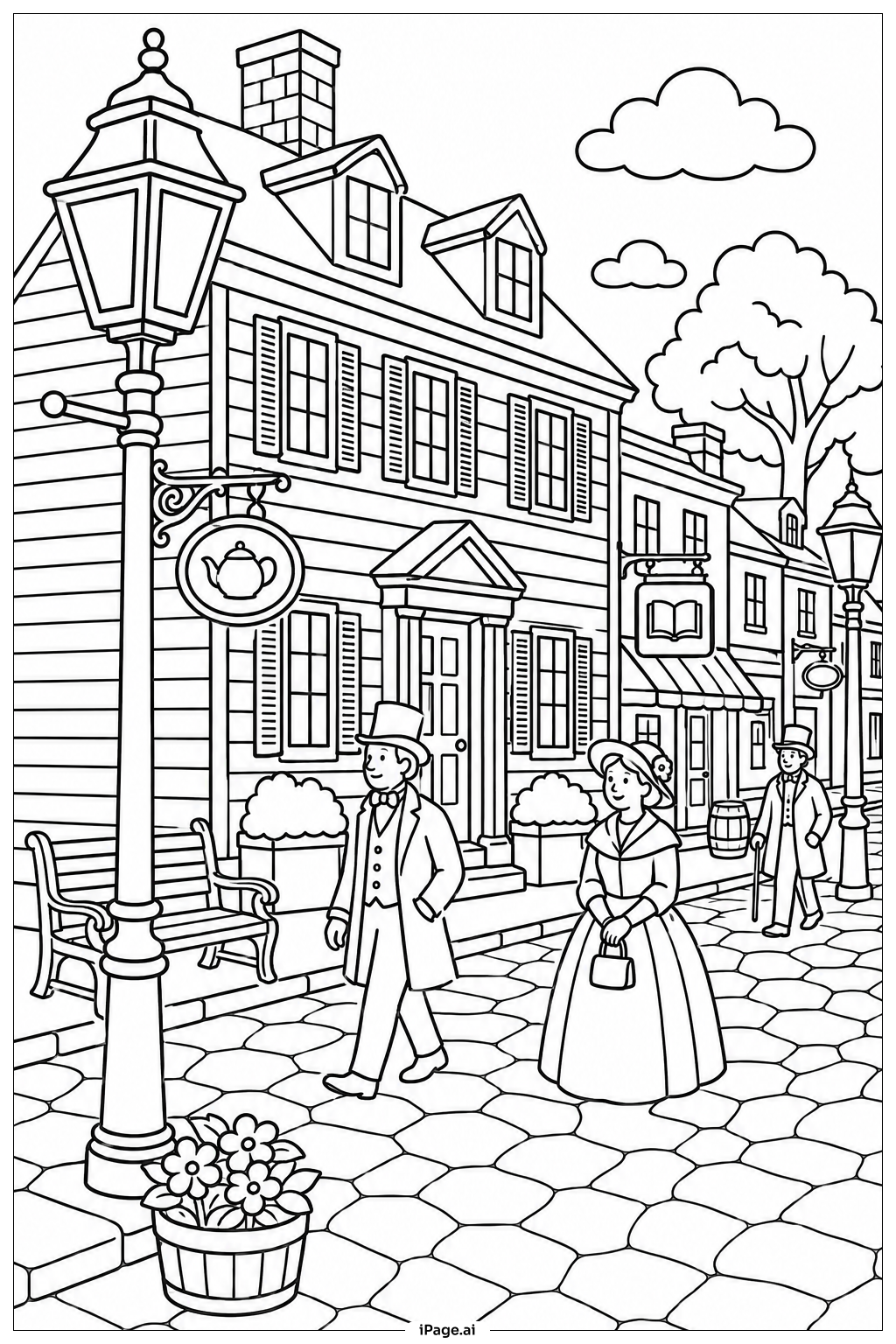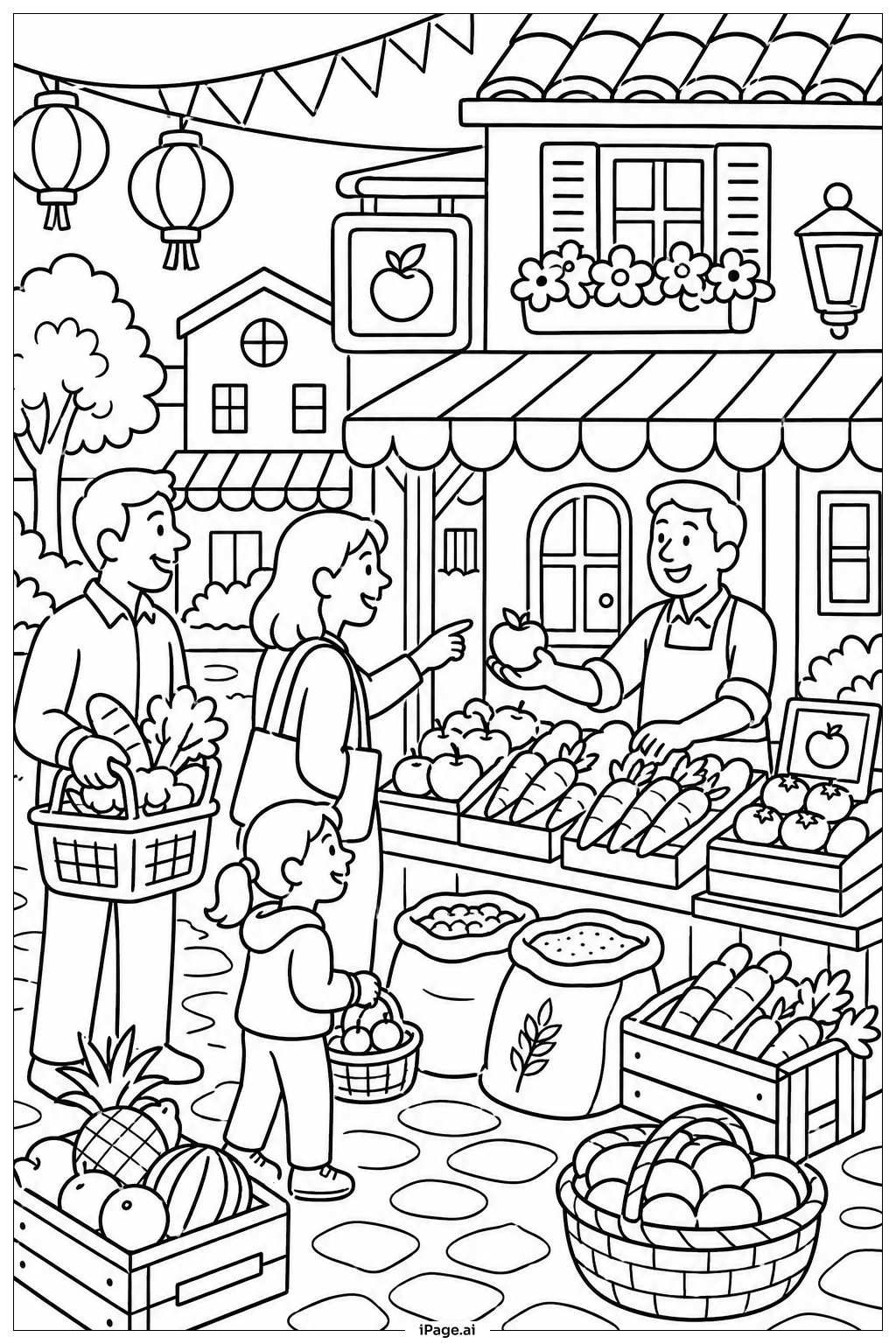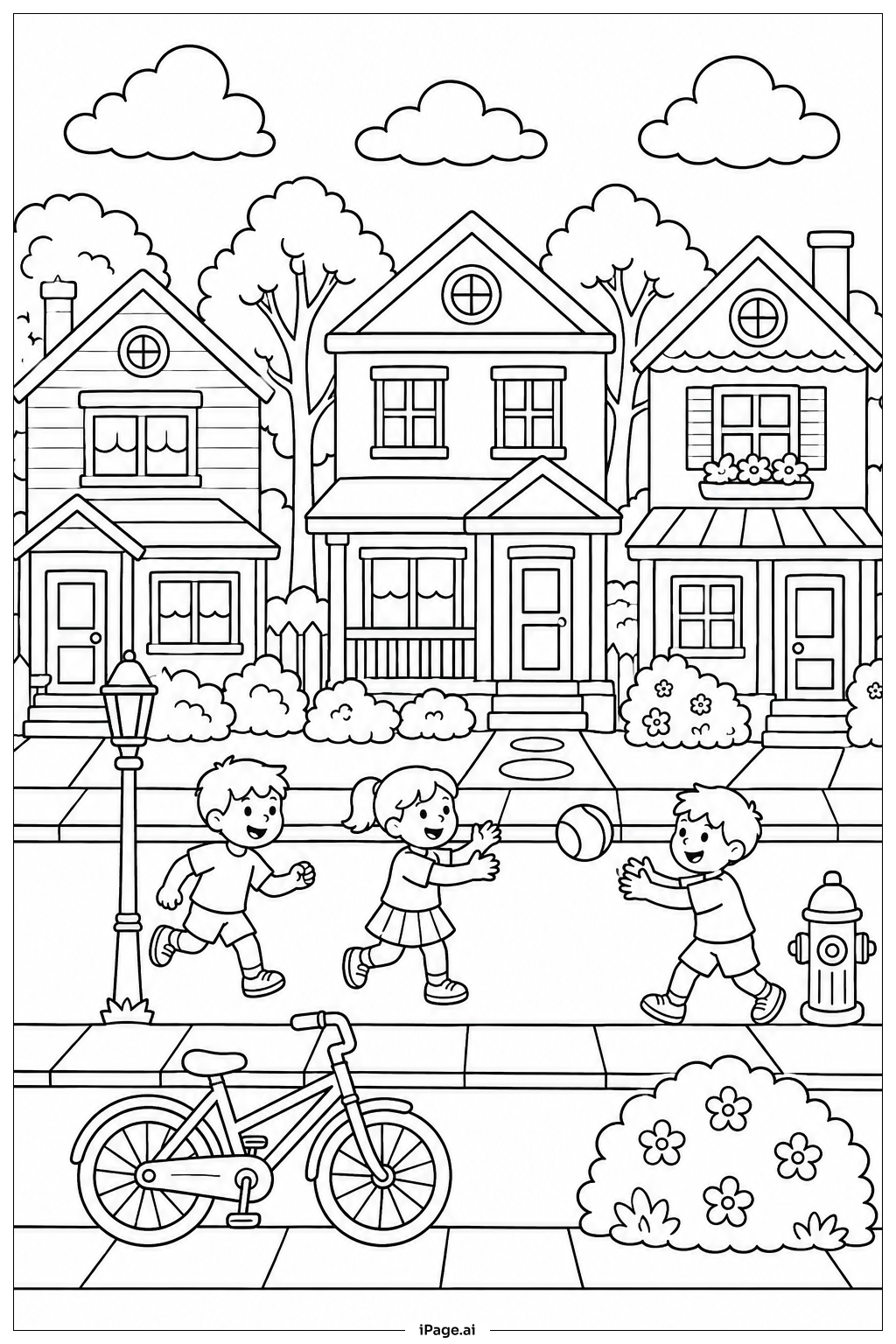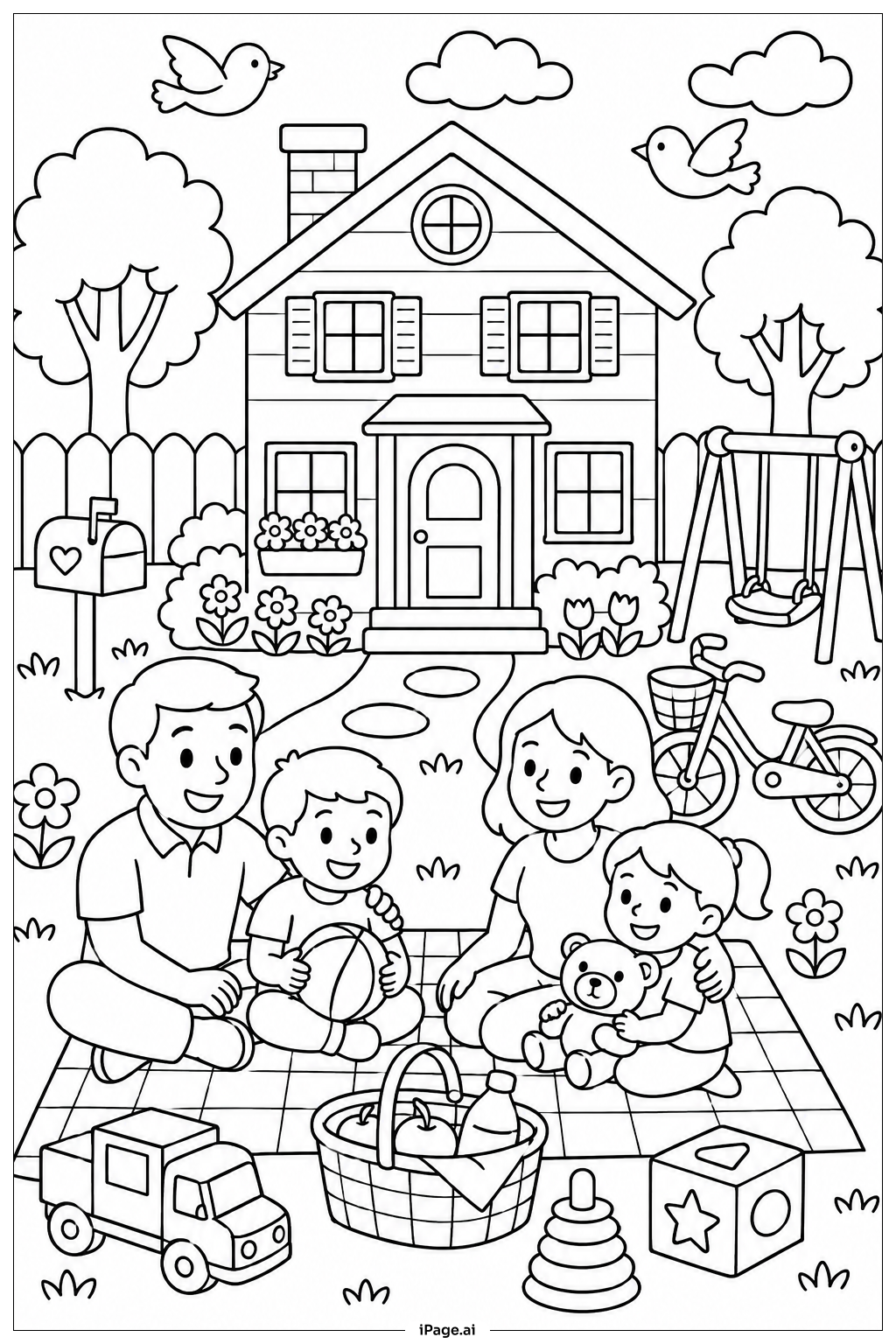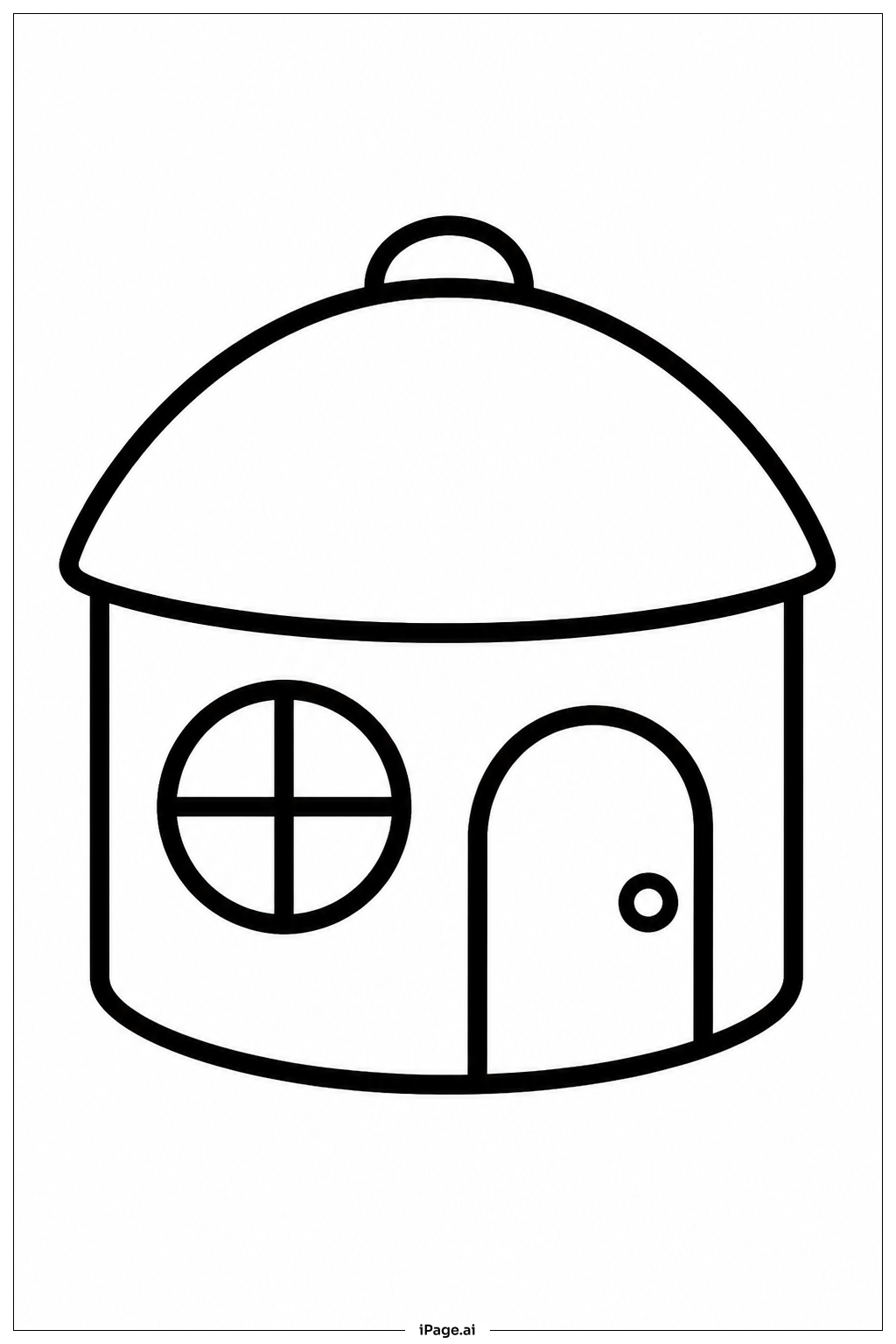
Coloring tips: How to color Round House coloring page well?
Start with the roof and work your way down. Use warm colors like terracotta, brick red, or dark brown for the roof to make it feel solid and homey. For the curved walls, try soft shades like cream, light yellow, or warm beige. The door can be painted in a bold, inviting color like deep red, forest green, or navy blue to make it stand out. Use light blue or pale lavender for the windows to suggest glass and light. The chimney looks great in gray or brown tones. For the garden area, use different shades of green for bushes and grass, and add bright colors like pink, yellow, and orange for the flowers. A light blue or golden sky in the background will complete the scene nicely. Feel free to mix and match colors to make the house feel magical and unique. There are no wrong choices — let your imagination guide every stroke!
Coloring challenges: Which parts are difficult to color and need attention for Round House coloring page?
• Curved Wall Shading: The rounded walls of the house are one of the trickiest parts to color. Because the surface curves, you need to gradually blend colors to show light and shadow. The side facing the light source should be lighter, while the opposite side should be slightly darker. This kind of shading can be challenging, especially for younger colorists who are still learning how to blend.
• Roof Detailing: The cone or dome-shaped roof may have lines or texture patterns that require careful attention. Staying within these small sections and keeping colors consistent across the curved surface takes patience and a steady hand. Using a sharpened pencil or a fine-tipped marker will help achieve cleaner results.
• Window Symmetry: The windows are placed around the circular structure, which means each one appears at a slightly different angle. Keeping each window colored consistently while following the curve of the wall can be difficult. Trying to match the color intensity and style of each window takes focus and care.
• Garden and Surrounding Details: The flowers, bushes, and path around the house include many small elements packed closely together. Coloring each one without accidentally going over into a neighboring section requires precision. Using thin coloring tools for these areas will help keep things neat and tidy.
• Overall Color Harmony: Bringing all the different elements together — the roof, walls, windows, door, chimney, and garden — into a visually balanced and pleasing whole is a real creative challenge. Choosing a color palette that feels unified and works well across every section of the image takes planning and a good eye for design.
Benefits of coloring books: Advantages of drawing Round House coloring page
Coloring this Round House page offers a wide range of wonderful benefits for children and creative minds alike. The image's gentle curves and storybook charm naturally spark imagination, encouraging colorists to dream up their own magical worlds. Working through the various sections of the house — from the rounded walls to the roof, windows, and garden — helps build focus and concentration, as each area requires careful attention.
For younger children, this page is a great way to practice fine motor skills. Staying within the curved lines strengthens hand-eye coordination and pencil control, skills that are important for writing and drawing. Choosing colors for the walls, roof, and garden also encourages decision-making and creative thinking.
For older children and teens, the shading and blending challenges offer a chance to explore more advanced coloring techniques. Experimenting with light and shadow on the rounded surfaces helps develop a better understanding of depth and dimension in art.
Beyond the skills it builds, coloring is simply a joyful and calming activity. It gives children a quiet space to unwind, express themselves, and feel proud of something they have created with their own hands. This Round House page, with its cozy and magical feel, is a wonderful canvas for creativity at any age.