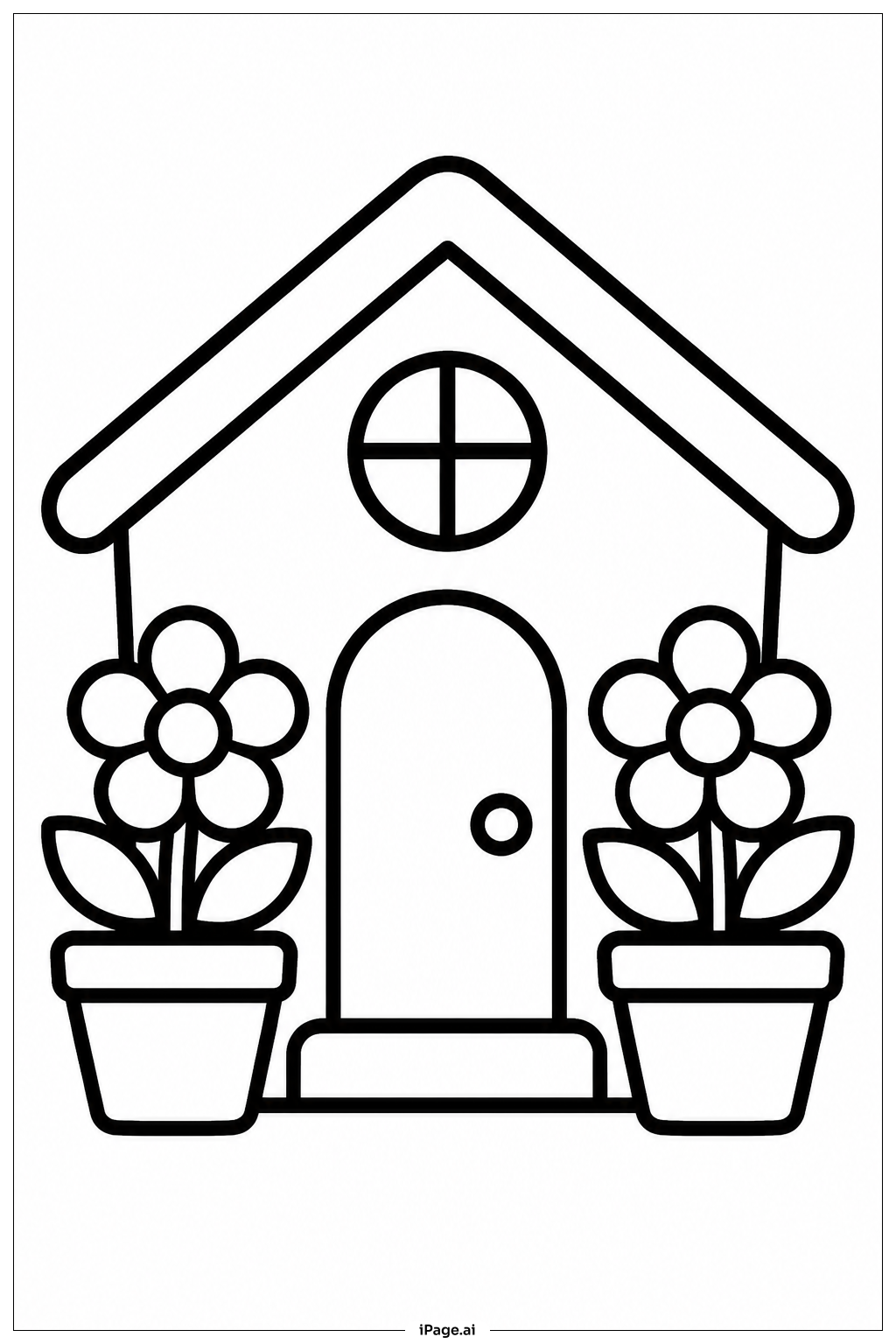
Coloring tips: How to color Garden House coloring page well?
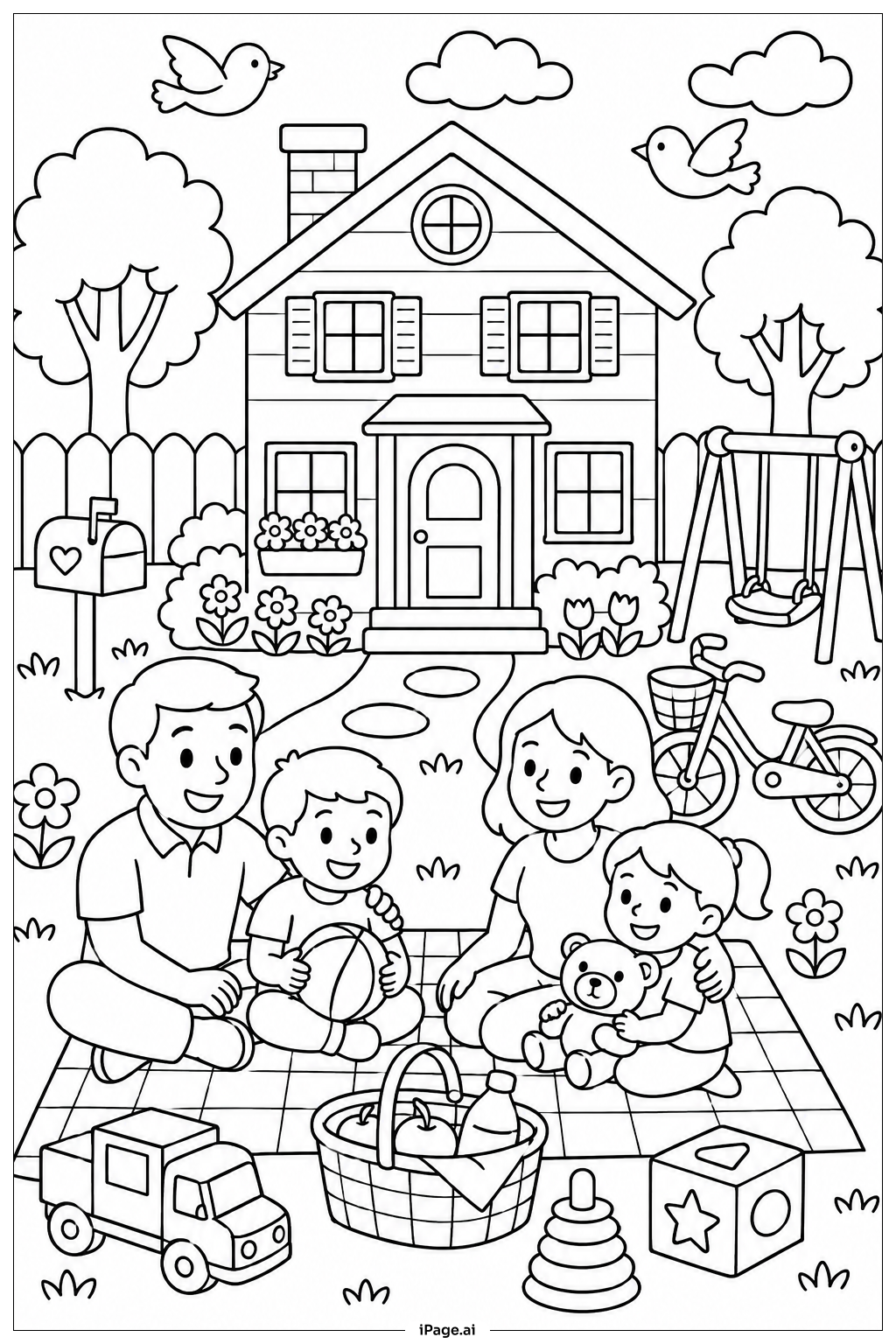
Start with the sky and background. Use light blue for the sky and soft greens for distant trees to set the scene. Next, move to the house itself. Try warm colors like beige, tan, or light brown for the walls, and a rich red or dark gray for the roof tiles. Use bright colors for the flowers — think red roses, yellow sunflowers, and purple lavender. Color the leaves in different shades of green to add depth. The garden path can be colored in sandy beige or light gray, with small brown stones along the edges. For the wooden fence, use earthy brown or weathered gray tones. Add pops of color to potted plants near the door. If there are butterflies or birds, use vibrant, cheerful colors to make them stand out. Keep the overall palette warm and natural to give the garden house a cozy, inviting feeling. Take your time with each section and enjoy the process!
Coloring challenges: Which parts are difficult to color and need attention for Garden House coloring page?
• Roof Tile Patterns: The roof of the garden house often features repeating overlapping tile shapes arranged in rows. Coloring each tile individually while keeping consistent shading across the entire roof surface can be tricky. Young colorists may find it hard to stay within the small curved sections without smudging adjacent areas.
• Dense Garden Foliage: The garden surrounding the house is filled with overlapping leaves, petals, and stems. Distinguishing between different plant types and applying varied shades of green without the colors bleeding together requires careful control, especially when using markers or watercolors.
• Intricate Floral Details: Flowers along the garden path and near the doorway often have small, tightly packed petals. Coloring these tiny shapes neatly takes patience and a fine-tipped coloring tool. Choosing contrasting colors for neighboring flowers helps them stand out from each other.
• Wooden Fence Texture: The fence panels and posts have narrow gaps and wood grain lines that are easy to overlook. Achieving a realistic wood look means layering light and dark browns carefully. Rushing through this section can result in a flat, uninteresting finish.
• Depth and Shadow: Creating a sense of depth in the scene — making the house appear set back behind the garden — requires thoughtful use of light and shadow. Coloring foreground elements slightly darker than background elements helps suggest distance, but this can be challenging for beginners who are still learning about shading and perspective.
Benefits of coloring books: Advantages of drawing Garden House coloring page
Coloring this Garden House page offers a wide range of wonderful benefits for kids and beginners alike. First, it helps build focus and concentration. Filling in the many small details of the house, flowers, and fence trains the mind to stay on task for longer periods. Second, it develops fine motor skills. Carefully guiding a pencil or marker along the edges of tiles, petals, and window frames strengthens hand control and coordination. Third, it sparks creativity. Choosing colors for the roof, garden, and pathway encourages personal expression and imaginative thinking. There is no single right answer — every child can make their garden house unique. Fourth, it teaches color mixing and harmony. Blending greens for the foliage or layering browns for the wood gives young artists a hands-on introduction to color theory. Fifth, it promotes relaxation and emotional well-being. The peaceful, nature-inspired scene creates a calming coloring experience that helps reduce stress and anxiety. Spending quiet time with this page can be a soothing and rewarding activity for children and families to enjoy together.