Coloring tips: How to color Lychee Fruit coloring page well?
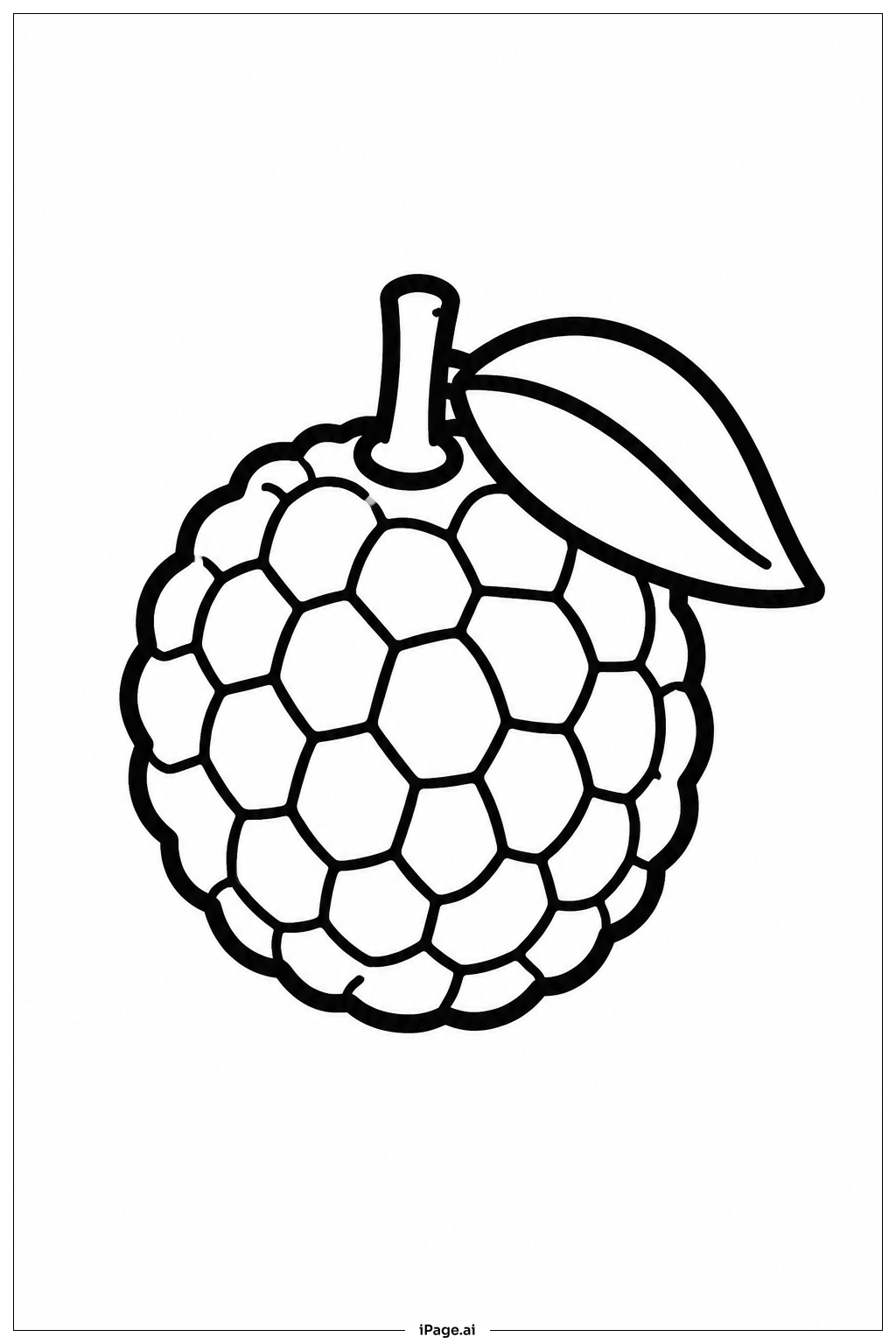
Start by coloring the lychee skin a bright pinkish-red or deep rose color. Use a slightly darker shade along the edges of each bump to give the skin a bumpy, three-dimensional feel. For the peeled lychee flesh, use a creamy white or soft ivory color. The seed inside can be colored a warm brown. The leaves look great in different shades of green — try light green for the younger leaves and a deeper forest green for the larger, older ones. Add yellow-green along the leaf veins to make them stand out. The branch can be colored in a natural tan or light brown. If you want to make the fruit look extra juicy and fresh, add a light pink blush or orange tint near the center of each lychee. Feel free to use colored pencils for smooth blending or markers for bold, vibrant results. This is a great image to practice shading and layering colors!
Coloring challenges: Which parts are difficult to color and need attention for Lychee Fruit coloring page?
• Bumpy Skin Texture: The rough, pebbled surface of the lychee skin is one of the trickiest parts to color. Each tiny bump needs a slightly different shade to look realistic. Using a darker tone on the deeper areas and a lighter tone on the raised bumps will take patience and careful control of your coloring tool.\n\n• Shading the Round Fruit Shape: Because lychees are round, showing their three-dimensional shape through color can be challenging. You need to apply lighter colors in the center where light would hit and gradually deepen the color toward the edges. This kind of gradual shading requires slow, gentle strokes and multiple layers.\n\n• Coloring the Peeled Flesh: The smooth, translucent inner flesh of the lychee looks very different from the rough skin. Keeping it clean and pale while still adding subtle depth with soft shadows is a delicate balance. Using very light pressure and blending carefully will help capture its juicy, almost glowing appearance.\n\n• Detailed Leaf Veins: The leaves have fine, branching veins running across them. Coloring around these thin lines without covering them completely can be difficult, especially for younger artists. Taking your time and using a sharpened pencil tip will help preserve these natural details.\n\n• Color Consistency Across Multiple Fruits: Since this image features a cluster of lychees, keeping a consistent color tone across all of them while still showing variety is a real challenge. Planning your color choices before you start will help keep the overall image looking balanced and natural.
Benefits of coloring books: Advantages of drawing Lychee Fruit coloring page
Coloring this lychee fruit page offers a wonderful mix of fun and learning for kids and adults alike. For younger children, it helps develop fine motor skills and hand-eye coordination as they carefully color the small bumps and leaf details. Staying inside the lines builds focus and patience, which are important skills for school and everyday life. Learning about tropical fruits through art also sparks curiosity about nature and different cultures around the world. For older kids and adults, this image is a great way to practice shading, color blending, and texture techniques. Working through the different surfaces — rough skin, smooth flesh, and leafy greens — gives colorists a chance to experiment with layering colors and creating depth. The calming, repetitive motion of coloring is also a wonderful stress reliever. It encourages mindfulness and helps quiet a busy mind. Completing a detailed image like this lychee cluster gives a real sense of accomplishment and pride. Whether you are a beginner or an experienced artist, this page is a rewarding and enjoyable creative experience for everyone.