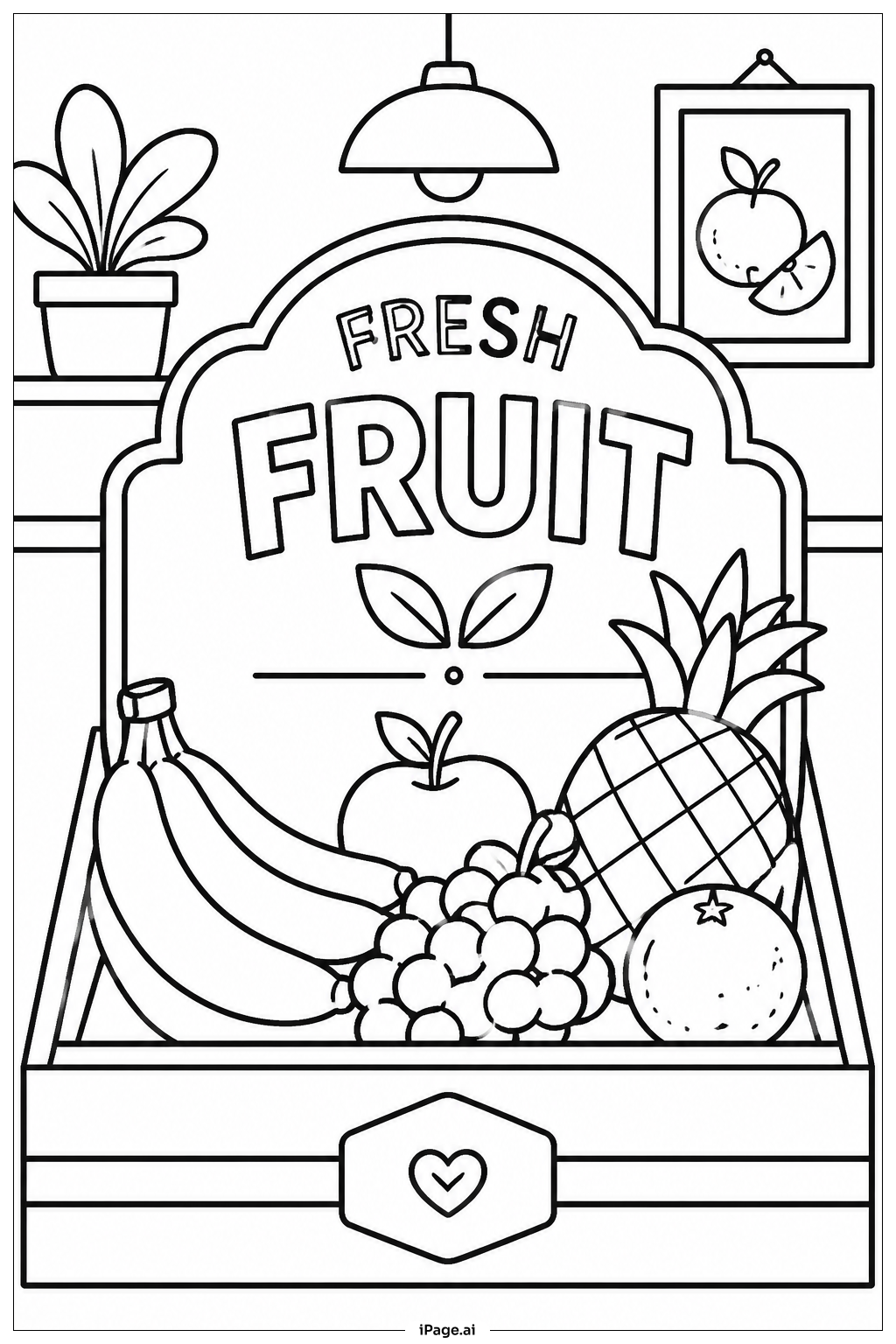
Coloring tips: How to color Fruit Label Shop Fruit coloring page well?
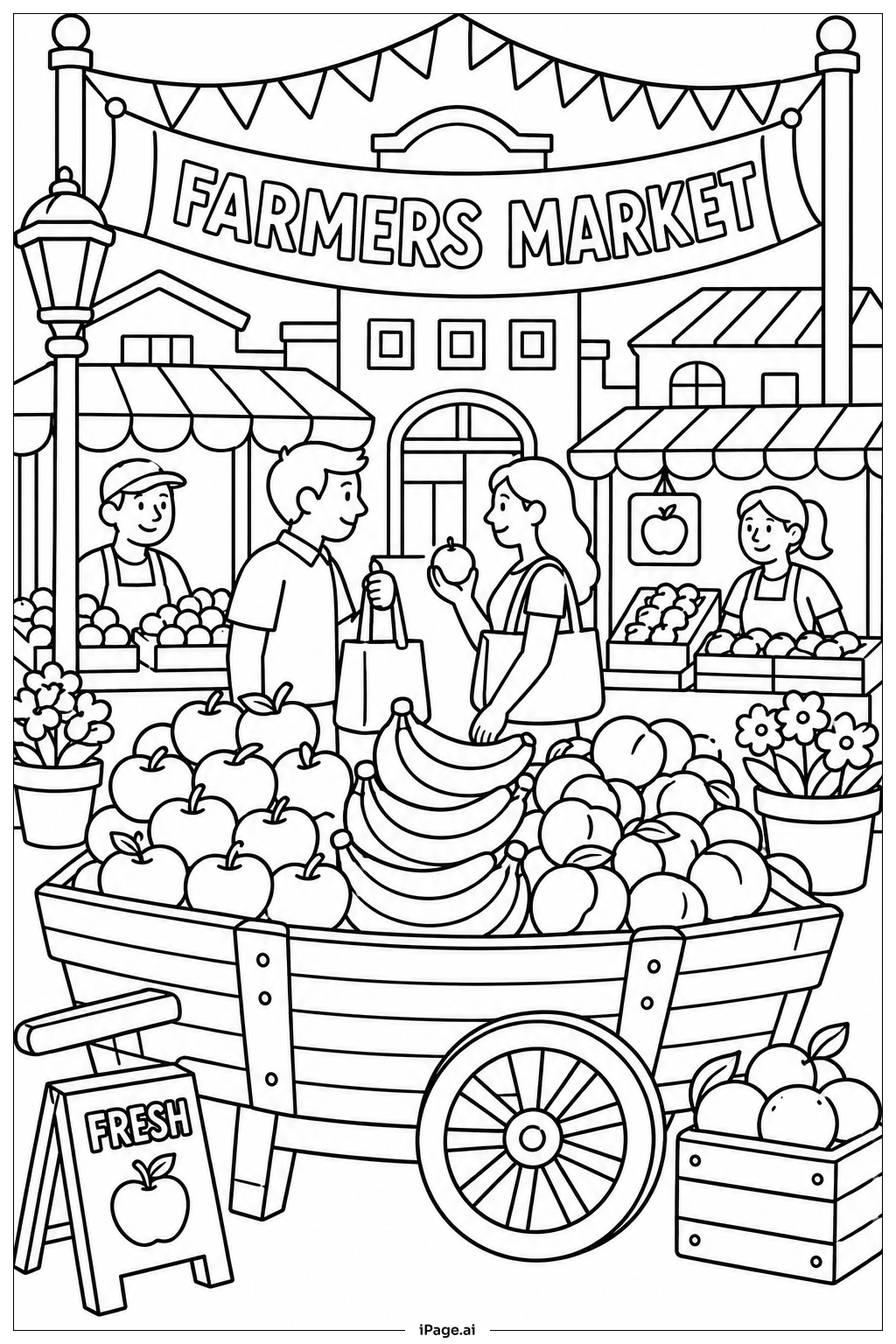
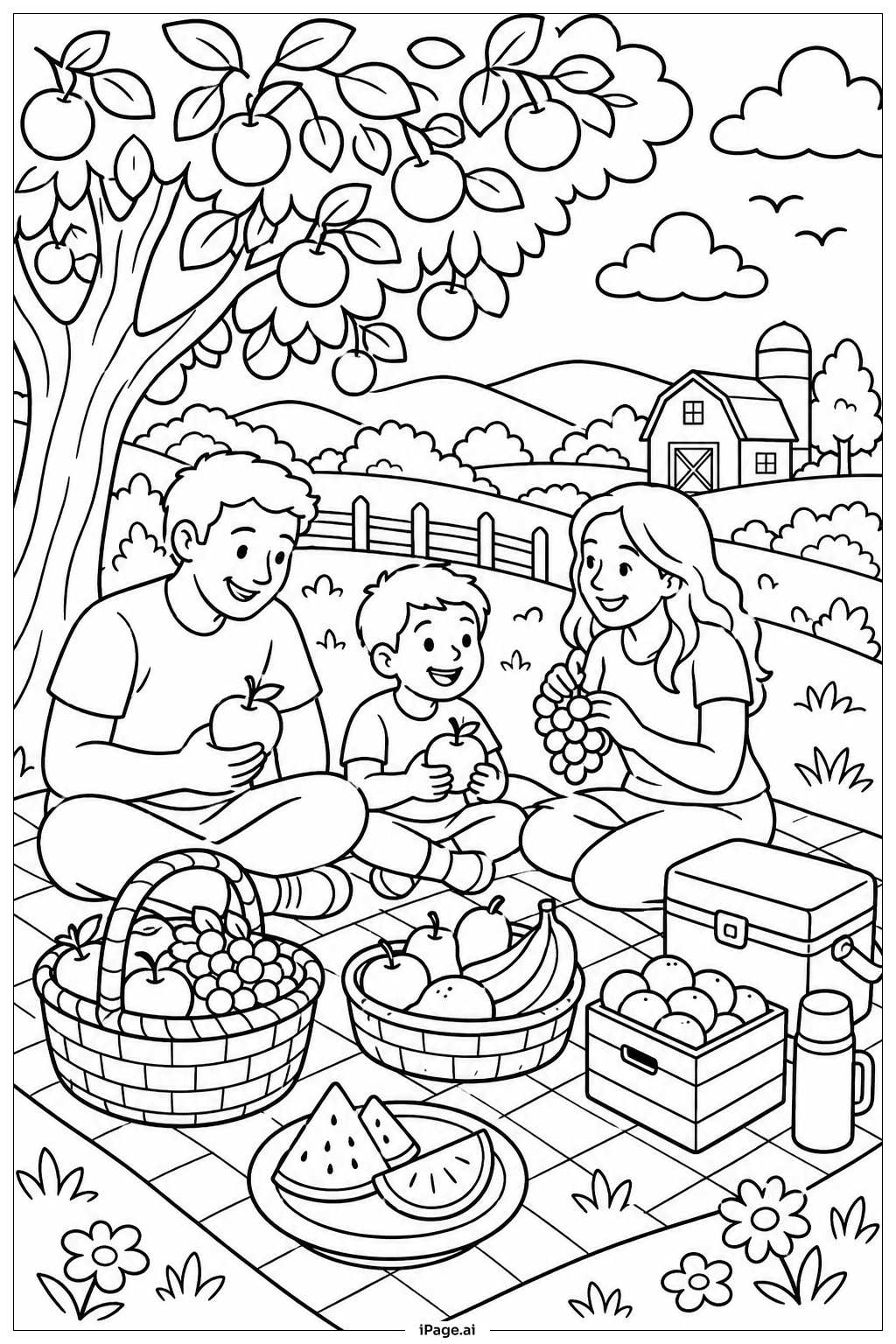
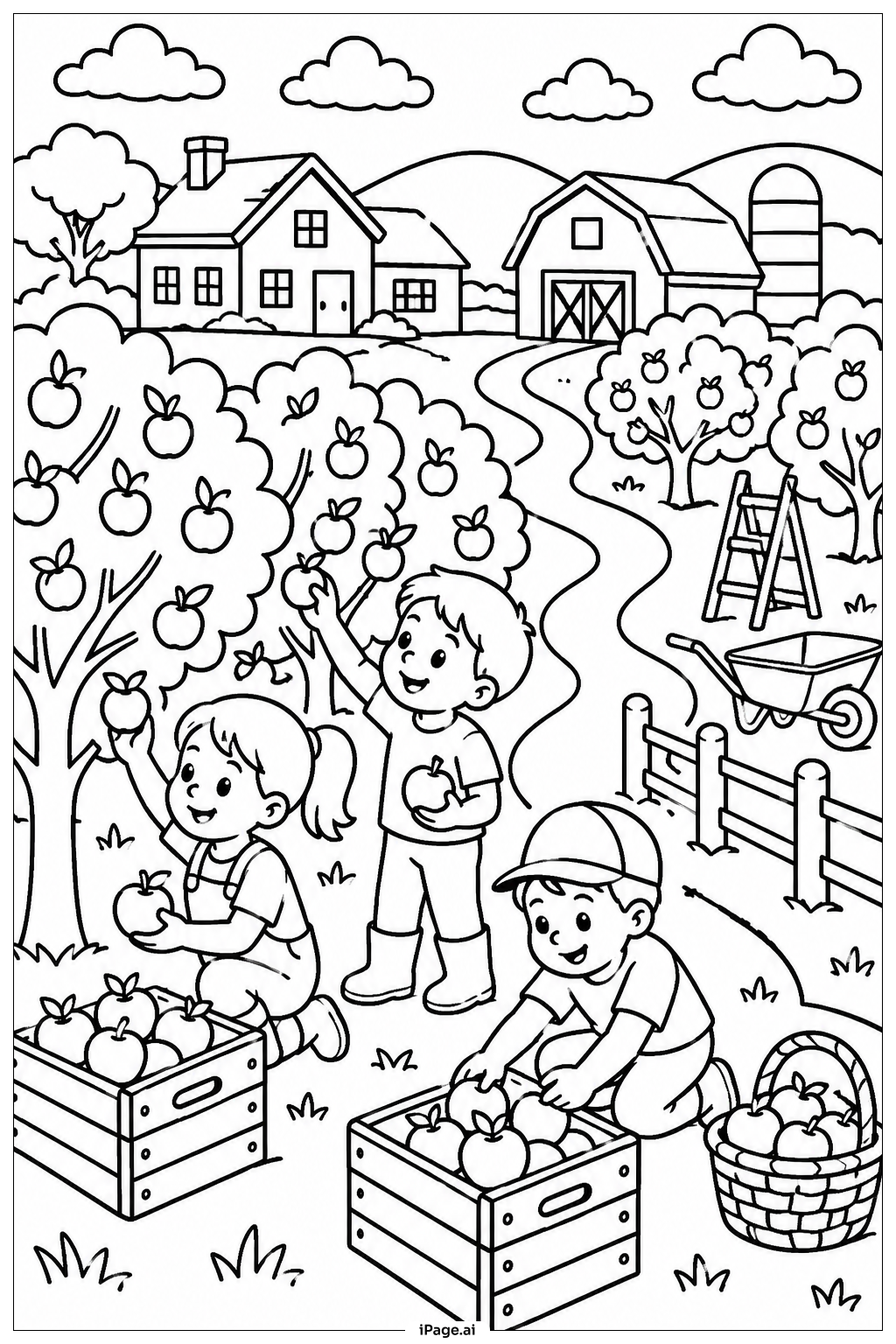
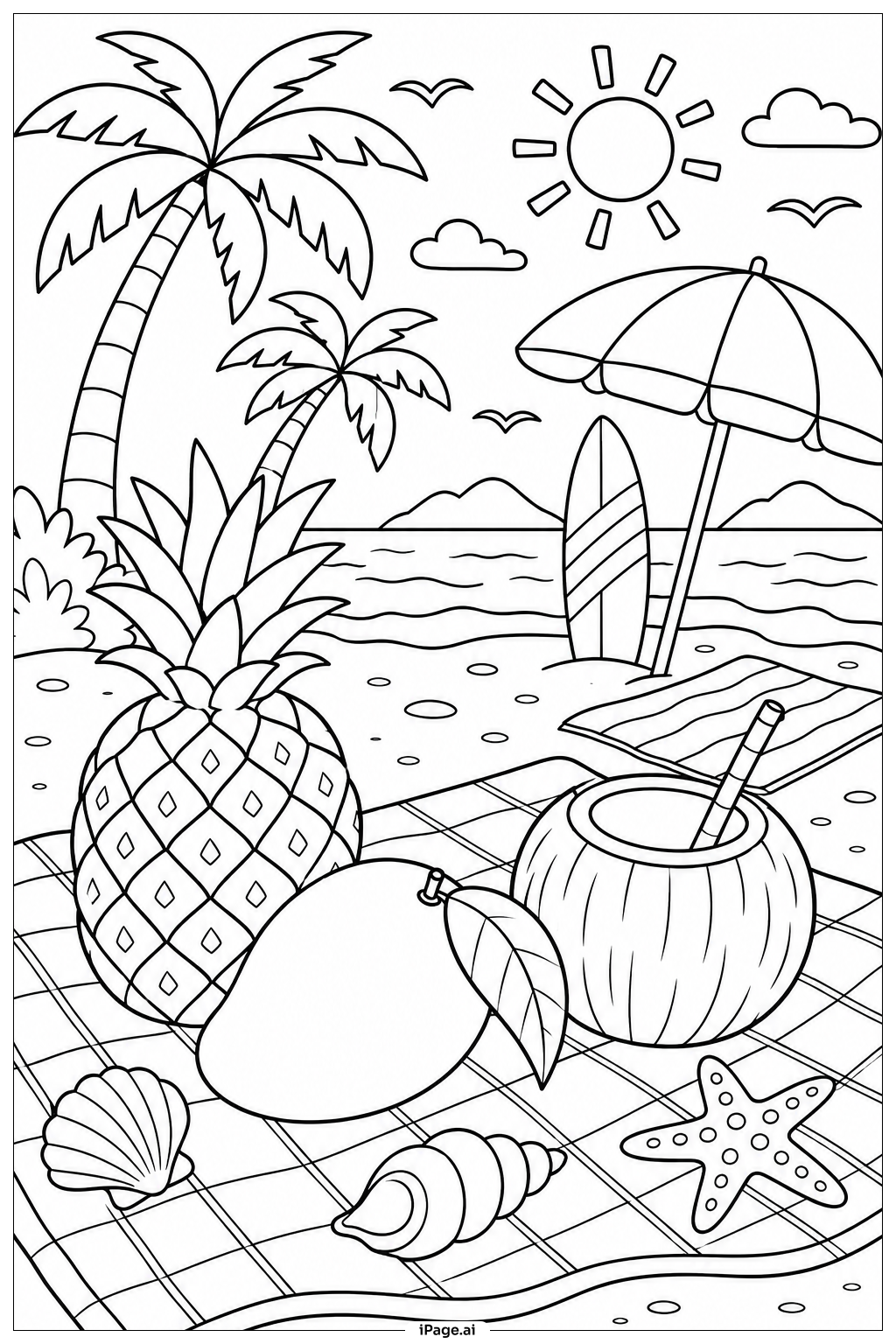
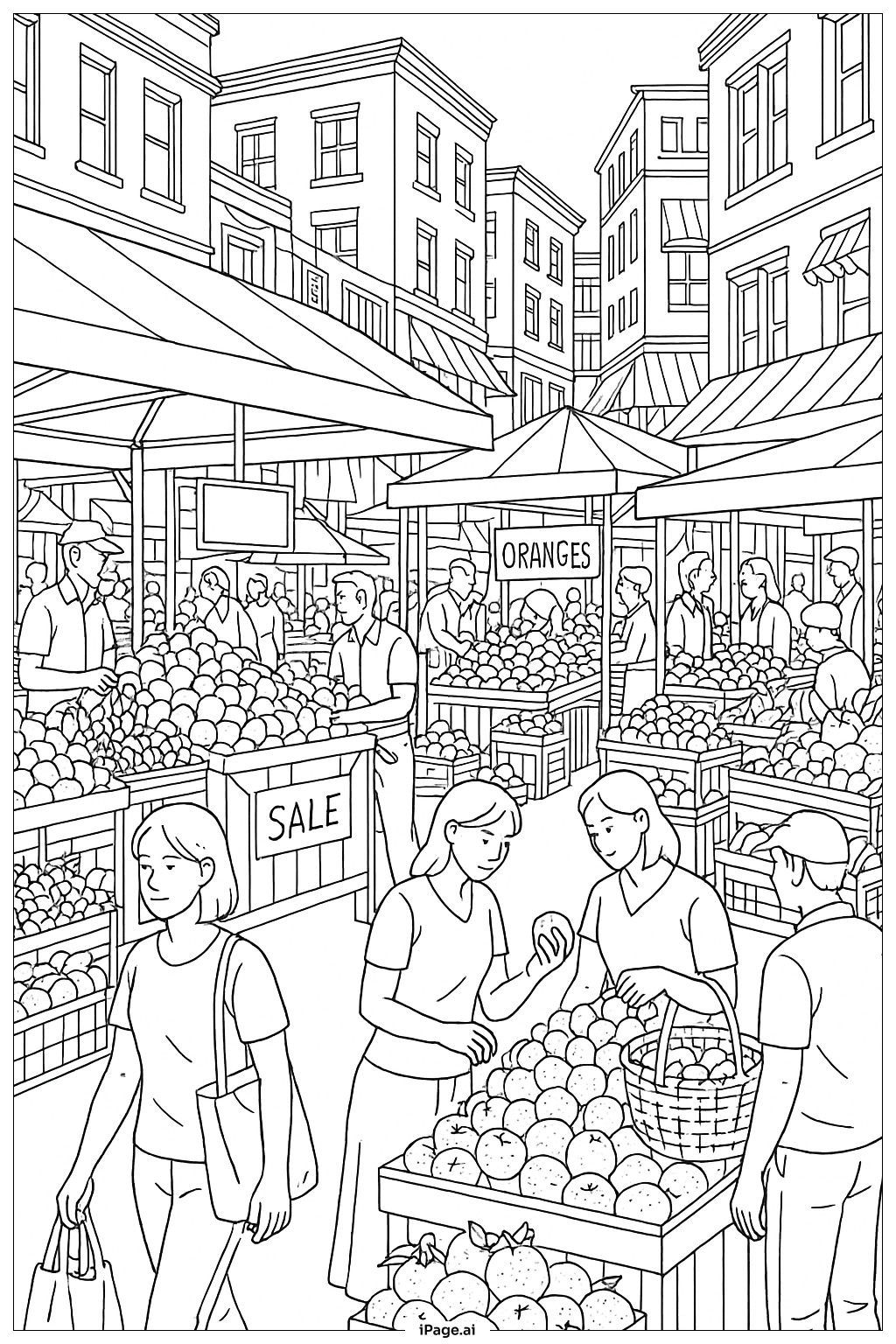
Start with the fruits and use their natural colors to keep things fun and realistic. Paint apples red or green, bananas yellow, oranges bright orange, grapes purple or green, and strawberries a rich red with tiny yellow seeds. Use a lighter shade first, then add darker tones to give each fruit a round, juicy look. For the wooden crates and baskets, earthy browns and tans work beautifully. The label tags can be colored in soft creams or yellows, with colorful borders to make them pop. Give the shop signs bold, bright colors to make the storefront feel lively and welcoming. Feel free to mix unexpected colors too — a blue apple or a pink banana can make the page extra creative and unique. Don't forget to color small details like price tags and decorative patterns on the shelves. Colored pencils are great for blending fruit shades, while markers can make the storefront signs bold and vibrant.
Coloring challenges: Which parts are difficult to color and need attention for Fruit Label Shop Fruit coloring page?
• Fruit Shading and Depth: Each fruit has a rounded shape, so creating a sense of depth can be tricky. You need to apply lighter colors in the center and gradually deepen the shade toward the edges. This blending technique takes patience, especially when working with colored pencils or watercolors, and requires a steady hand to avoid muddy tones.
• Label and Tag Details: The small fruit label tags scattered throughout the scene contain fine lines, tiny text outlines, and delicate borders. Coloring these accurately without going outside the lines demands careful control. Using a fine-tipped tool or a sharpened pencil is strongly recommended to stay within the narrow spaces.
• Wooden Textures on Crates and Baskets: Giving the wooden crates and woven baskets a realistic look requires layering multiple shades of brown. The grain lines and weave patterns are closely spaced, making it easy to accidentally color over the outlines. Taking your time with thin, directional strokes helps capture the texture effectively.
• Background and Storefront Balance: The shop setting includes shelves, a storefront, and hanging signs all at once. Choosing colors that make the fruits stand out without clashing with the background can be challenging. It helps to plan your color palette before you begin, making sure the background tones are softer than the vivid fruit colors.
• Avoiding Color Overlap Between Clustered Fruits: In areas where fruits are grouped closely together — like bunches of grapes or stacked apples — keeping each fruit's color distinct without bleeding into the next one requires precision. Working slowly and using a pointed tip tool helps maintain clean separation between neighboring fruits.
Benefits of coloring books: Advantages of drawing Fruit Label Shop Fruit coloring page
Coloring this Fruit Label Shop scene offers a wide range of wonderful benefits for children and young learners. First, it helps kids learn to recognize different types of fruits and associate them with their natural colors, quietly building early science and nature knowledge in a playful way. The variety of shapes — round apples, curved bananas, clustered grapes — strengthens shape recognition and visual learning skills. Working through the many small details of the labels, crates, and price tags improves fine motor skills and hand-eye coordination, which are essential foundations for writing and drawing. The scene also sparks creativity, inviting kids to experiment with color choices and imagine their own unique fruit shop. Focusing on staying within the lines builds patience and concentration, two skills that carry over into school and daily life. The market setting introduces basic concepts of shopping, organization, and community life, making it gently educational beyond just art. Completing the full, detailed scene gives children a satisfying sense of accomplishment and boosts their confidence. Overall, this coloring page turns a simple creative activity into a rich, multi-layered learning experience that is both enjoyable and rewarding.