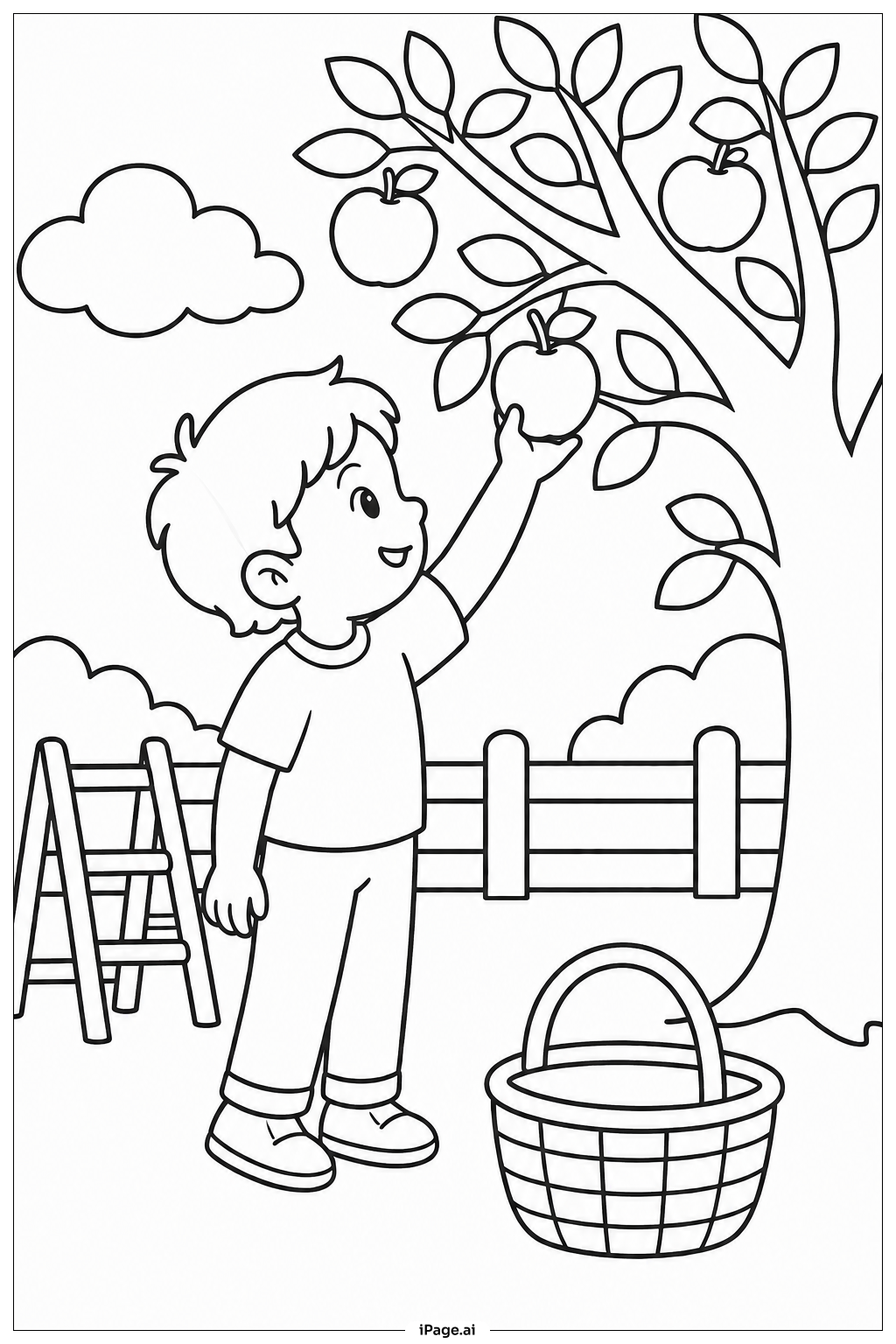
Coloring tips: How to color Child Picking Fruit coloring page well?
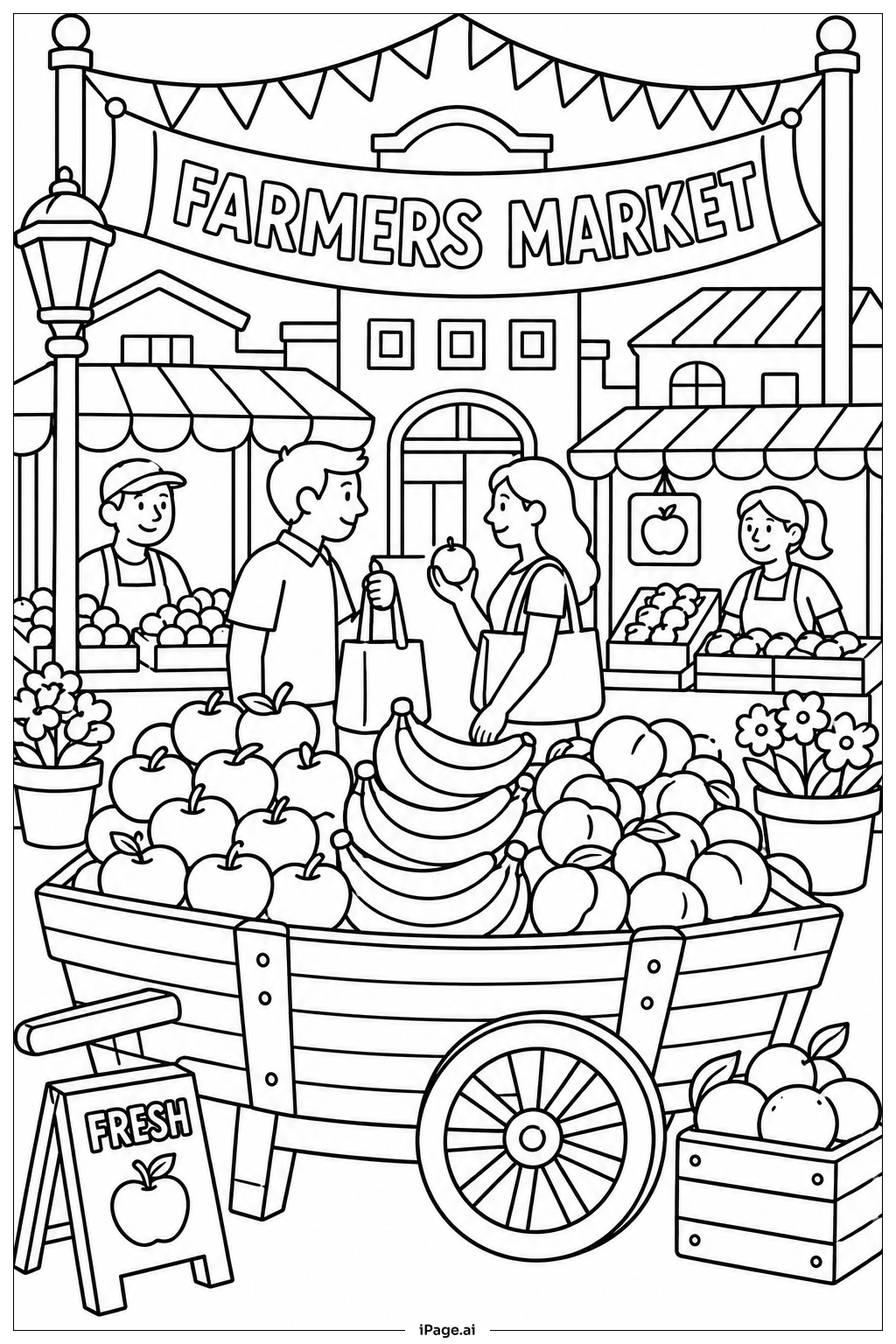
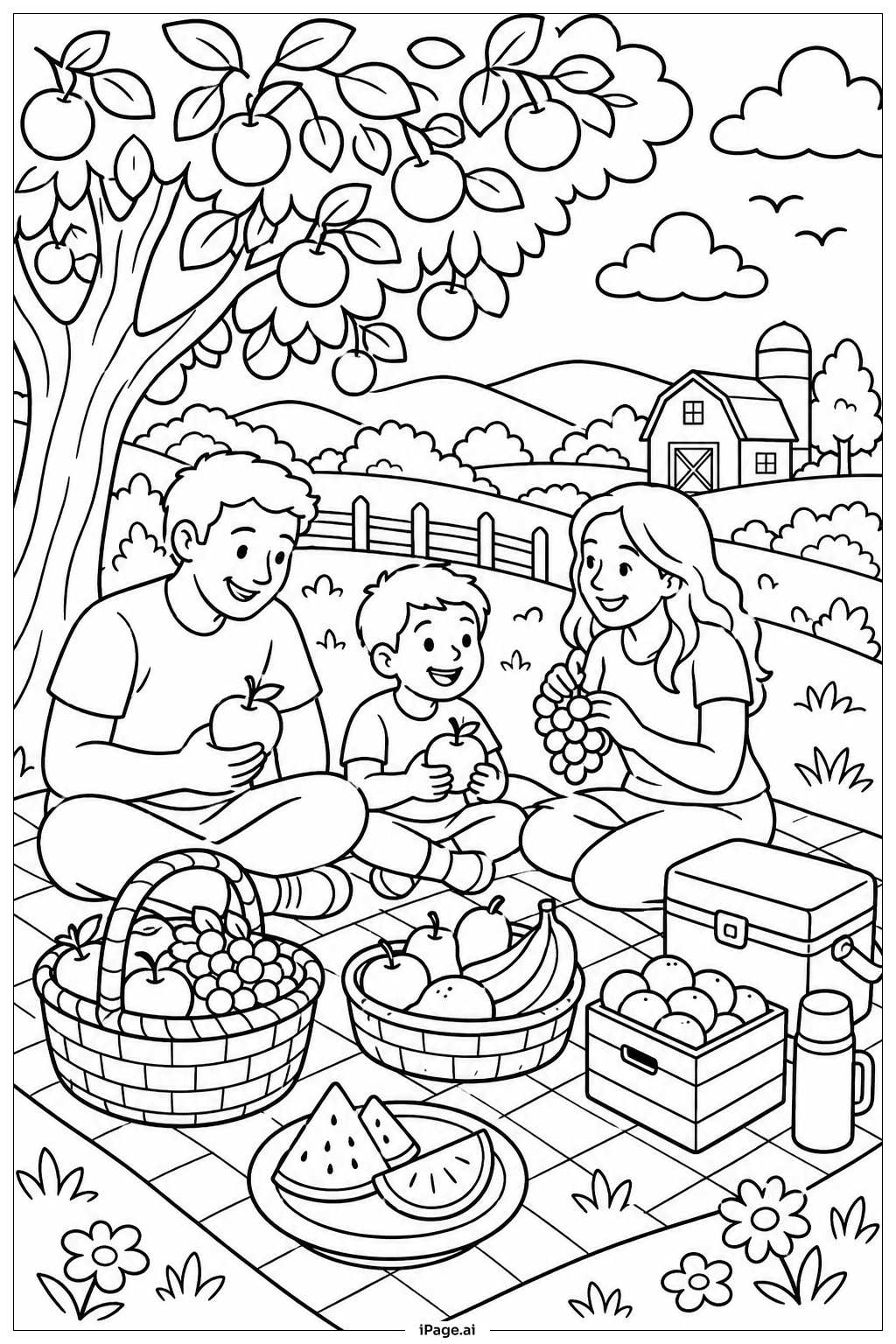
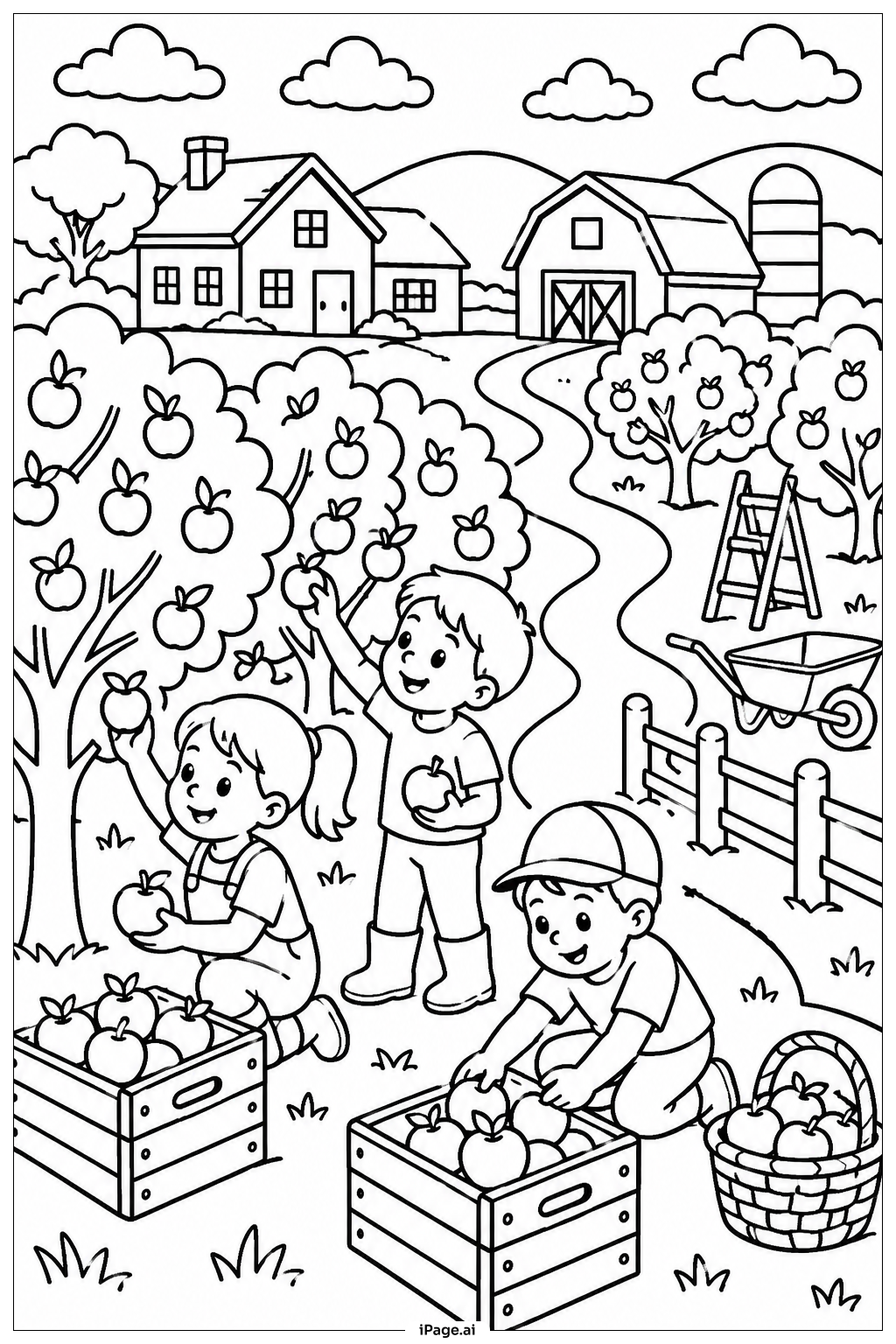
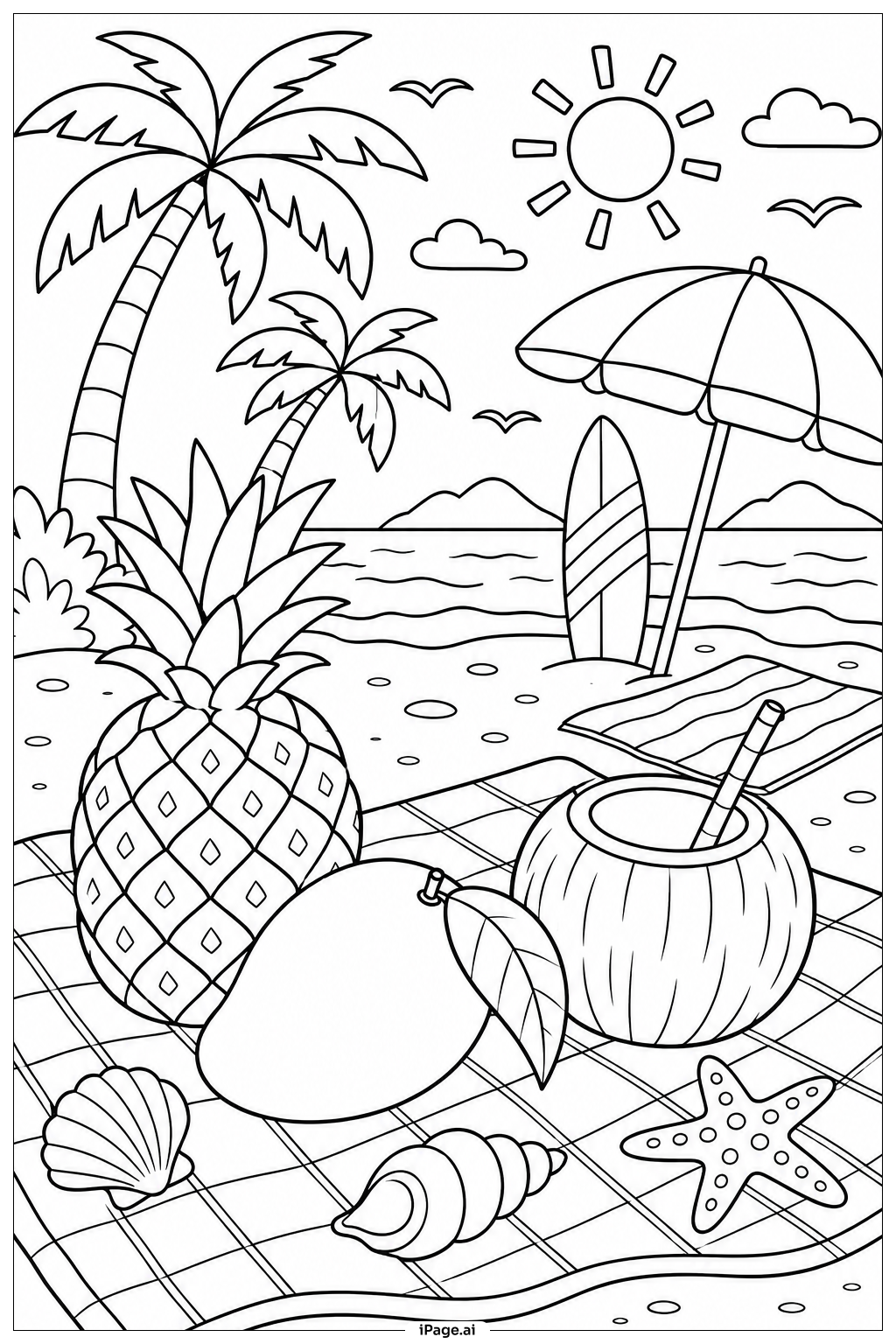
Start with the child's skin using a warm peach or light brown tone. Color the hair in golden yellow, chestnut brown, or black depending on your preference. Use bright, cheerful colors for the clothing — reds, blues, or yellows work great. For the fruits, pick bold shades like red for apples, orange for oranges, or purple for plums. Make them look juicy and ripe! Color the leaves in different shades of green — mix light green and dark green to add depth. Use a warm brown for the tree trunk and branches. The grass can be bright green, and the sky, if visible, can be a soft blue. Try adding a little yellow to the fruits to make them look sun-kissed. Feel free to use your favorite colors and make this scene your own!
Coloring challenges: Which parts are difficult to color and need attention for Child Picking Fruit coloring page?
• Child's Face and Expression: The child's facial features are small and close together, making them one of the trickier areas to color. Staying inside the lines around the eyes, nose, and smile requires a fine-tipped coloring tool and a steady hand. Using the wrong color or going outside the lines here can change the whole feeling of the image.
• Fruit Shading and Roundness: Making round fruits look three-dimensional is a real challenge. To give apples, oranges, or other fruits a natural, rounded look, you need to apply lighter color in the center and gradually darken toward the edges. This technique, called shading, takes practice and patience to get right.
• Layered Leaves and Branches: The tree's canopy is filled with overlapping leaves of different sizes. Coloring each leaf individually while keeping them distinct from one another requires careful color selection. Using two or three different shades of green helps prevent the leaves from blending into one flat mass.
• Clothing Details and Folds: The child's clothing may include small folds, pockets, or patterns. These details are easy to miss but important for making the figure look realistic. Using a base color and then a slightly darker shade in the fold areas adds a natural, fabric-like look.
• Background Balance: The grass, ground, and any sky visible in the scene need to be colored in a way that supports the main subject without overpowering it. Choosing colors that are slightly softer or less saturated for the background helps keep the child and the fruits as the clear focus of the image.
Benefits of coloring books: Advantages of drawing Child Picking Fruit coloring page
Coloring this Child Picking Fruit scene brings many wonderful benefits for kids and beginners alike. First, it helps build fine motor skills. Carefully filling in small areas like the child's face, the fruits, and the leaves trains the hands and fingers to move with control and precision. This is great practice for writing and other detailed tasks. Second, it encourages creativity. Choosing colors for the fruits, clothing, and tree lets kids express their own ideas and make the picture uniquely theirs. There are no wrong choices! Third, it teaches children about nature. The scene connects them to the idea of where food comes from, sparking curiosity about fruits, trees, and outdoor life. Fourth, it supports focus and patience. Working through the different sections of the image — from the busy leafy canopy to the tiny details on the child — requires concentration and a calm, steady pace. This is a gentle and enjoyable way to practice mindfulness. Finally, finishing the page gives a real sense of achievement. Seeing a completed, colorful artwork is rewarding and builds confidence for young colorists to keep creating.