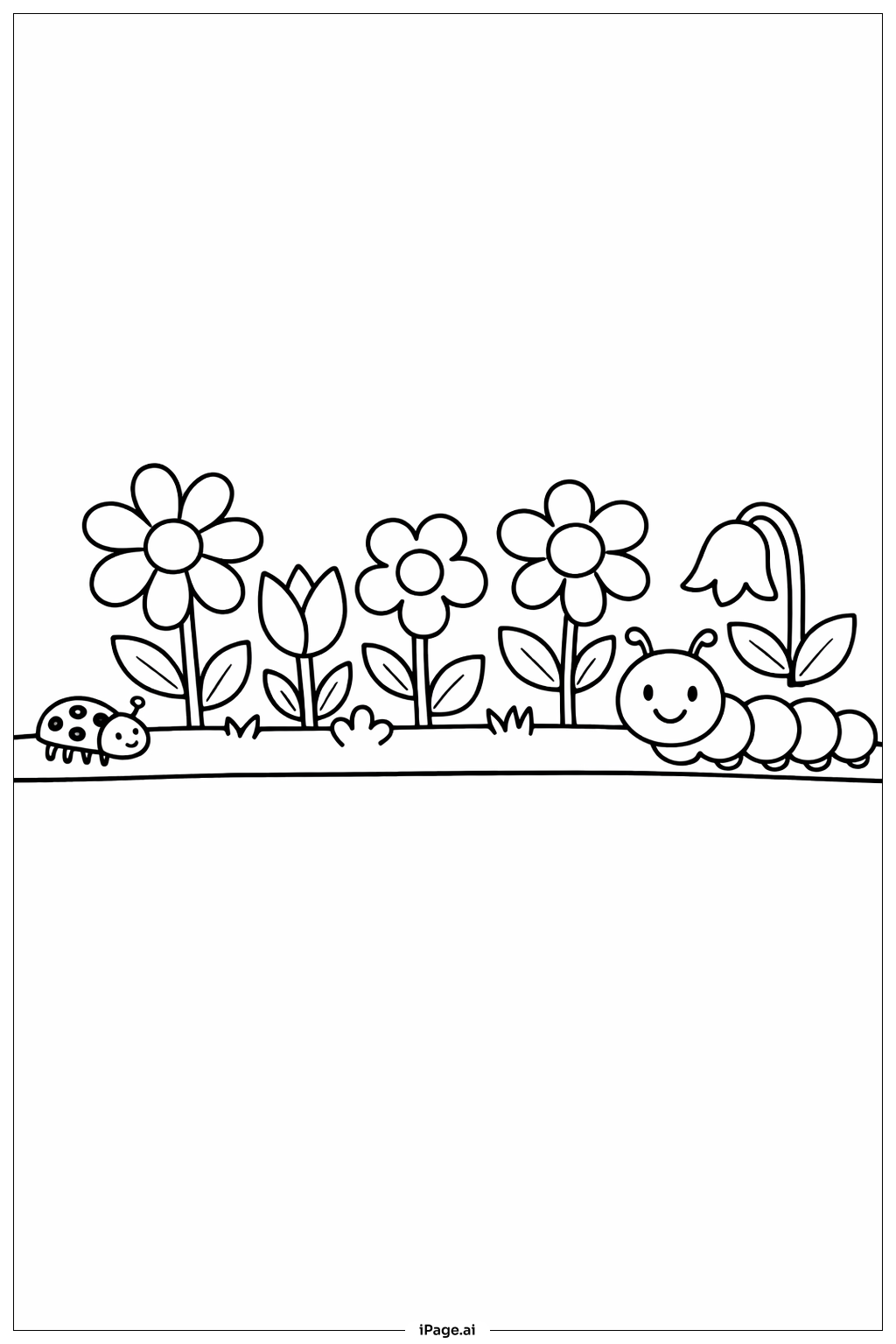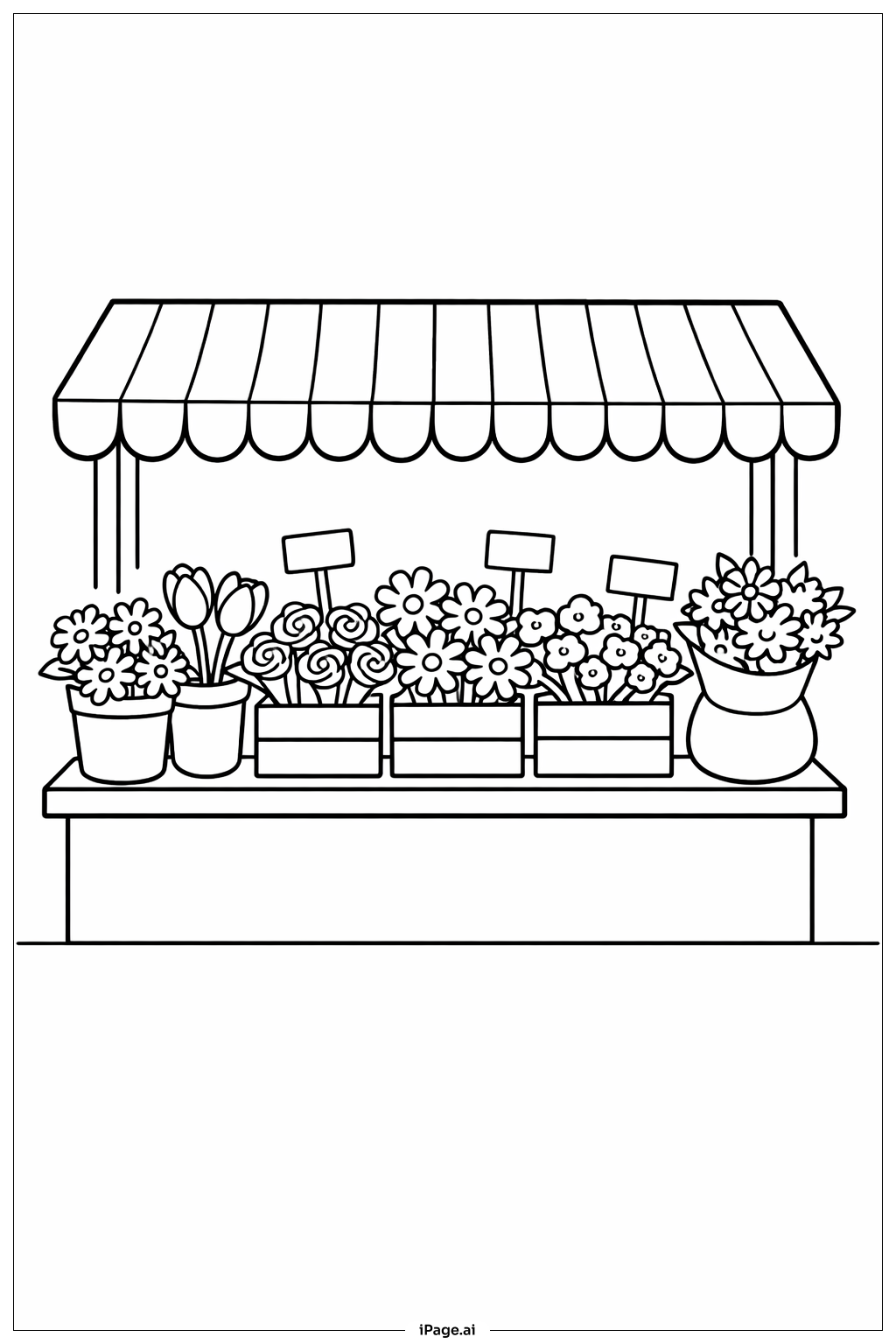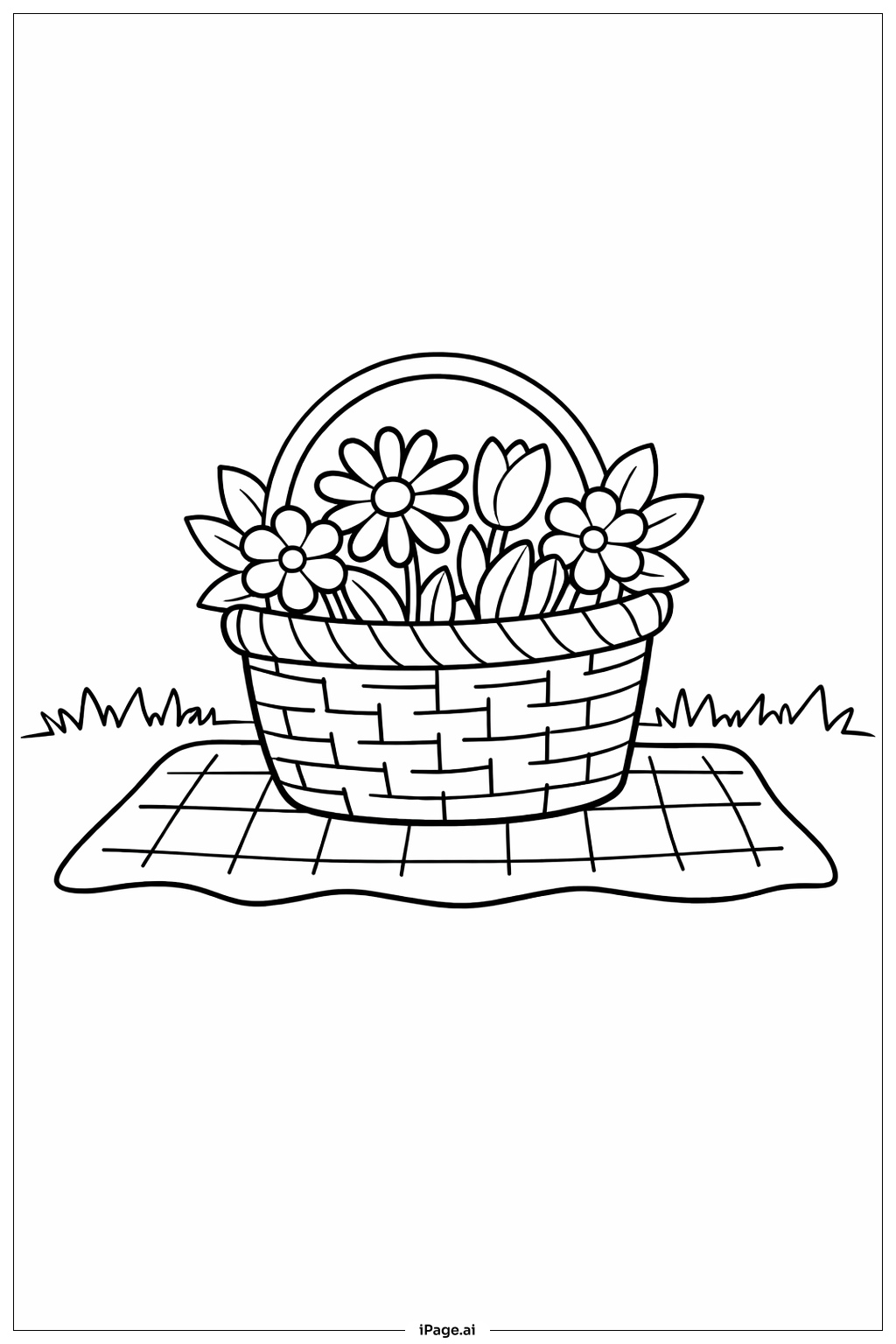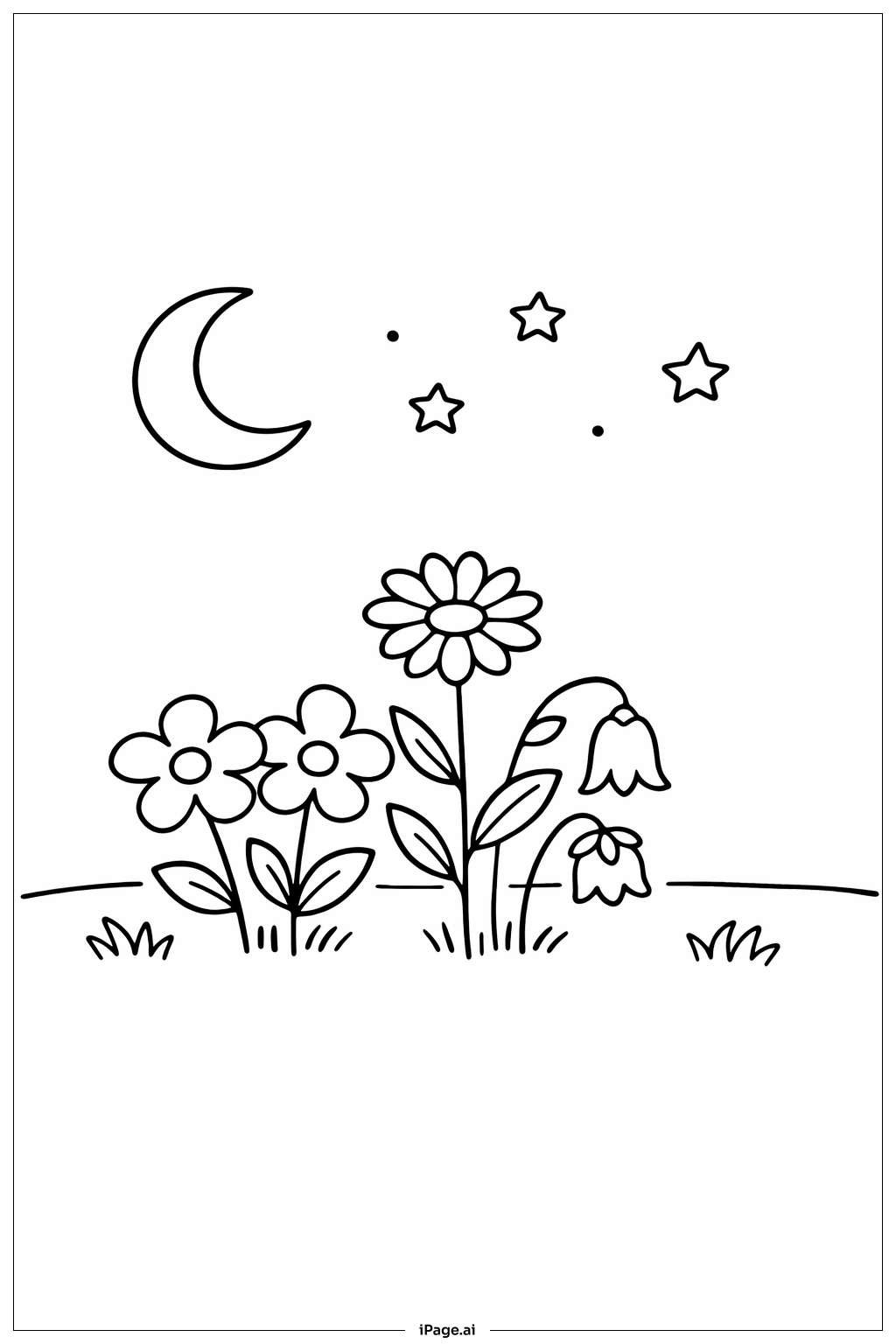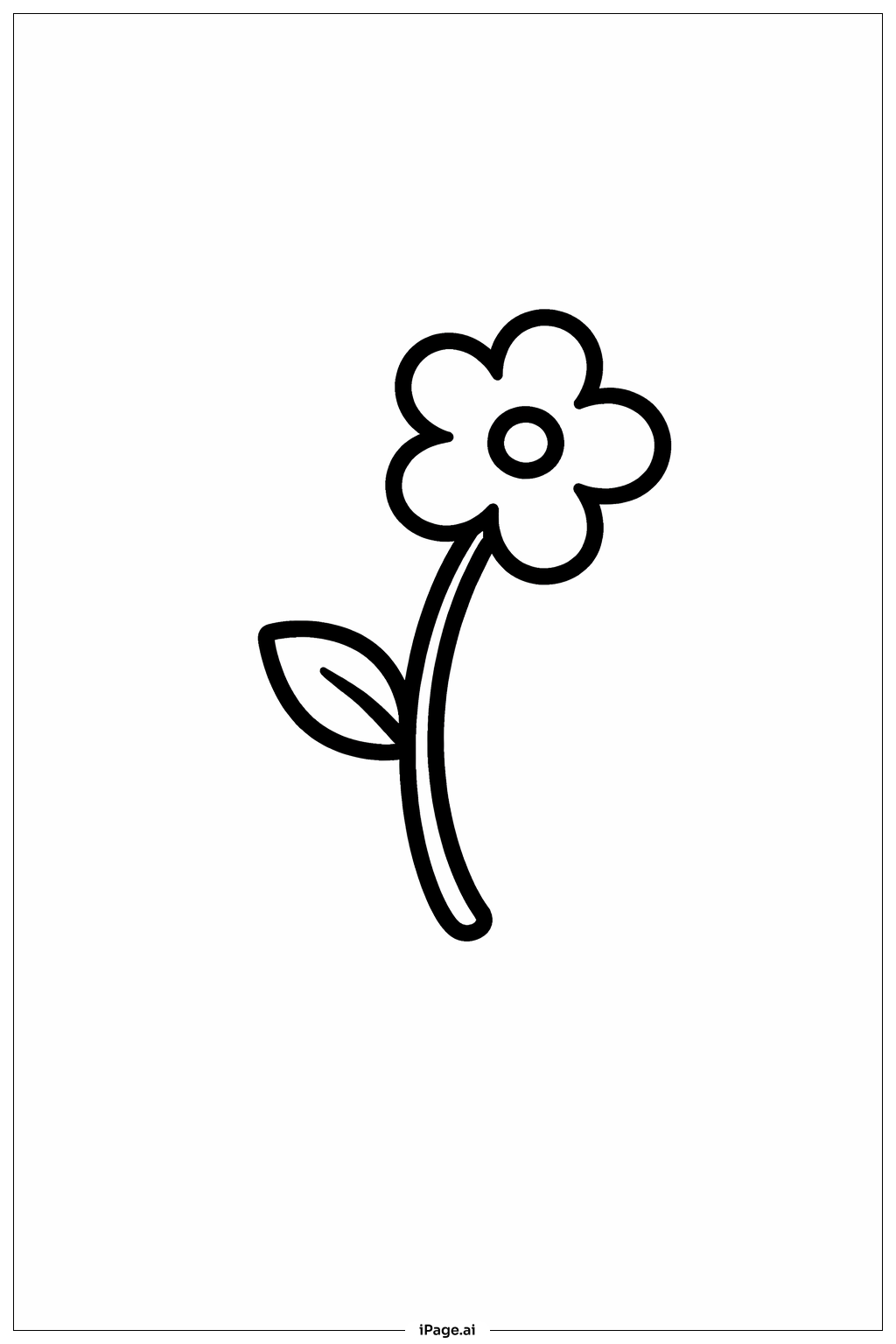
Coloring tips: How to color Little Stem Flowers coloring page well?
Start with the flower petals using bright, cheerful colors like yellow, pink, purple, or orange. Each flower can be a different color to create a vibrant garden feel. Color the centers of the flowers in contrasting shades such as brown, dark yellow, or orange to make them stand out. For the stems, use various shades of green, from light lime to deep forest green, to add dimension. The leaves can be colored in similar green tones, or you can add slight variations by mixing in yellow-green or blue-green hues. Consider adding soft shading along one side of each stem to create depth. You might also add tiny dots or patterns to the flower centers for extra detail. A light blue or pale yellow background can suggest sky or sunshine without overwhelming the flowers.
Coloring challenges: Which parts are difficult to color and need attention for Little Stem Flowers coloring page?
• Petal Precision: Each flower contains multiple petals that meet at the center, requiring careful color application to stay within the lines. The petals are relatively small and closely spaced, which can be challenging for younger children or those still developing fine motor control. Taking time to color each petal individually will create a neater finished piece.
• Stem and Leaf Coordination: The thin stems and small leaves require steady hand control and precision. Coloring these narrow vertical elements without going outside the lines takes patience and concentration. Using colored pencils or fine-tip markers works better than thick crayons for these delicate areas.
• Color Balance and Variety: With multiple flowers in the design, deciding on a pleasing color scheme requires planning. Children may struggle with choosing colors that work well together or creating enough variety so each flower stands out. Thinking about the overall composition before starting helps create a harmonious final result.
• Center Details: The circular flower centers are small areas that need careful coloring or pattern work. Adding dots, spirals, or crosshatching to create texture in these centers requires good control and attention to detail, making them one of the more advanced elements of this design.
Benefits of coloring books: Advantages of drawing Little Stem Flowers coloring page
Coloring this floral design helps children develop fine motor skills and hand-eye coordination through careful petal and stem coloring. The repetitive nature of filling in multiple flowers builds patience and focus while providing a calming, meditative activity. This page introduces basic botanical concepts, helping young artists recognize flower parts like petals, stems, and leaves. Making color choices for each flower encourages creative decision-making and personal expression. The manageable complexity level builds confidence as children complete each flower successfully. The cheerful subject matter promotes positive emotions and appreciation for nature's beauty. This coloring activity can also serve as a springtime or garden-themed learning opportunity, connecting art with science education. Completing the entire page provides a sense of accomplishment and creates a beautiful piece worthy of display.