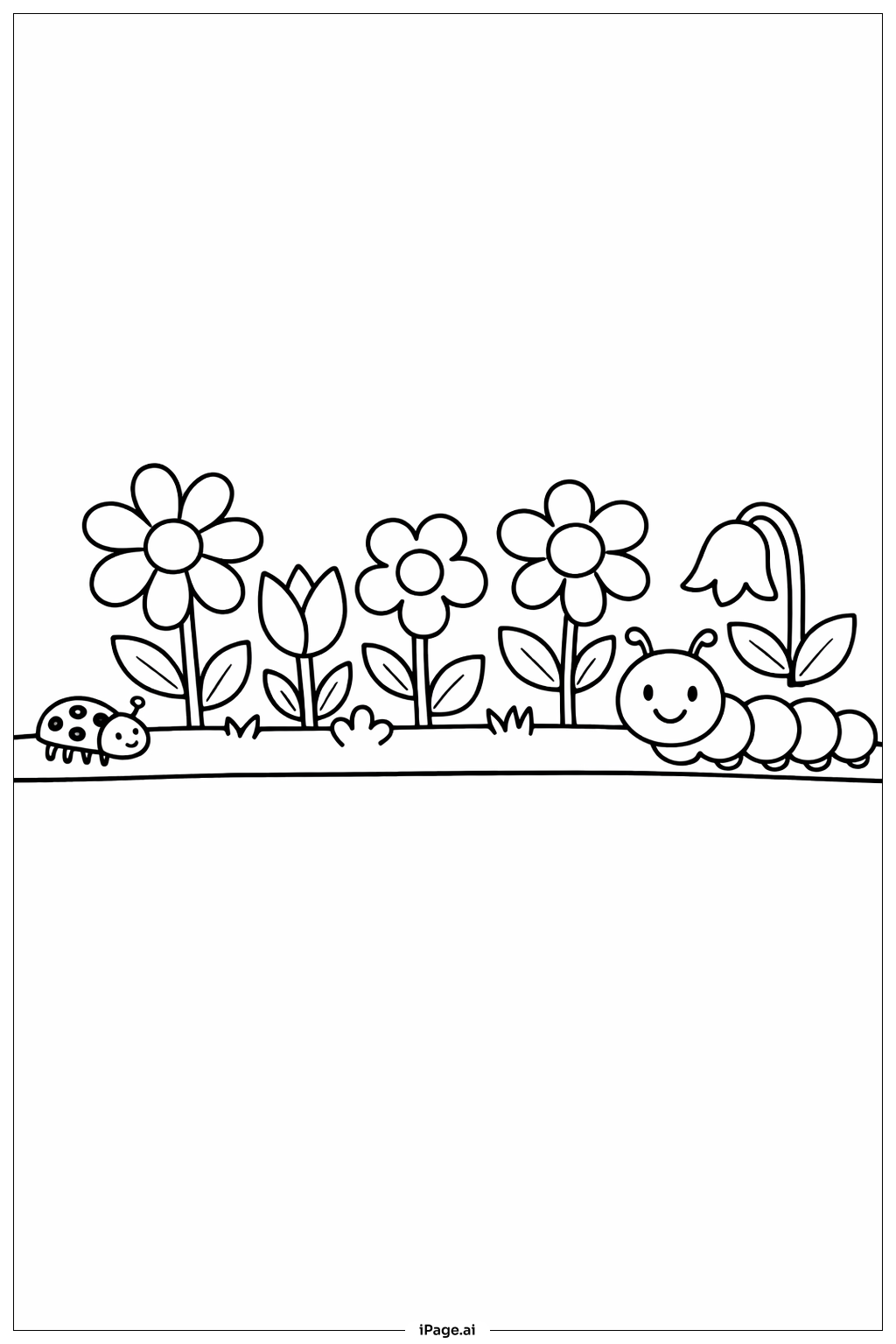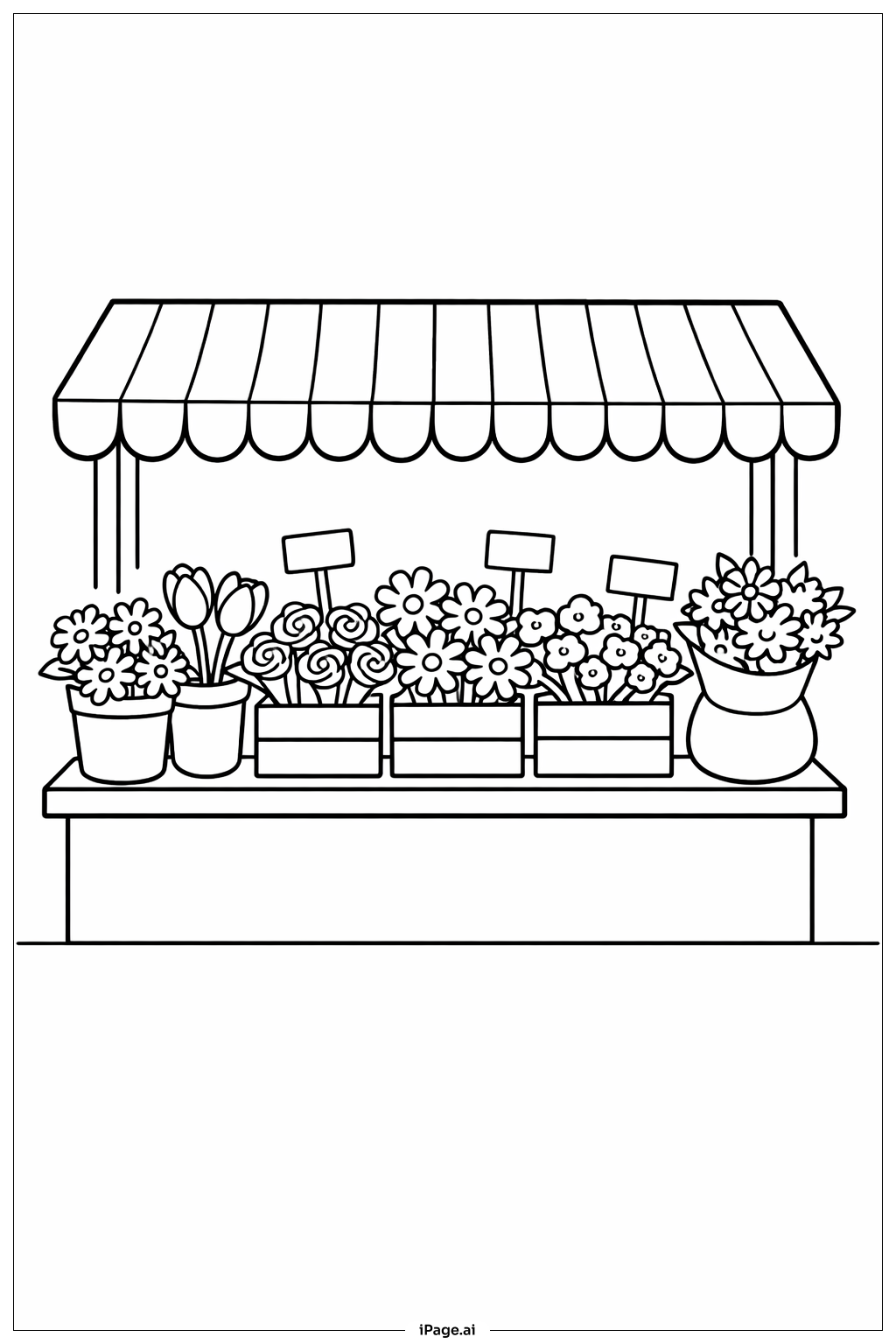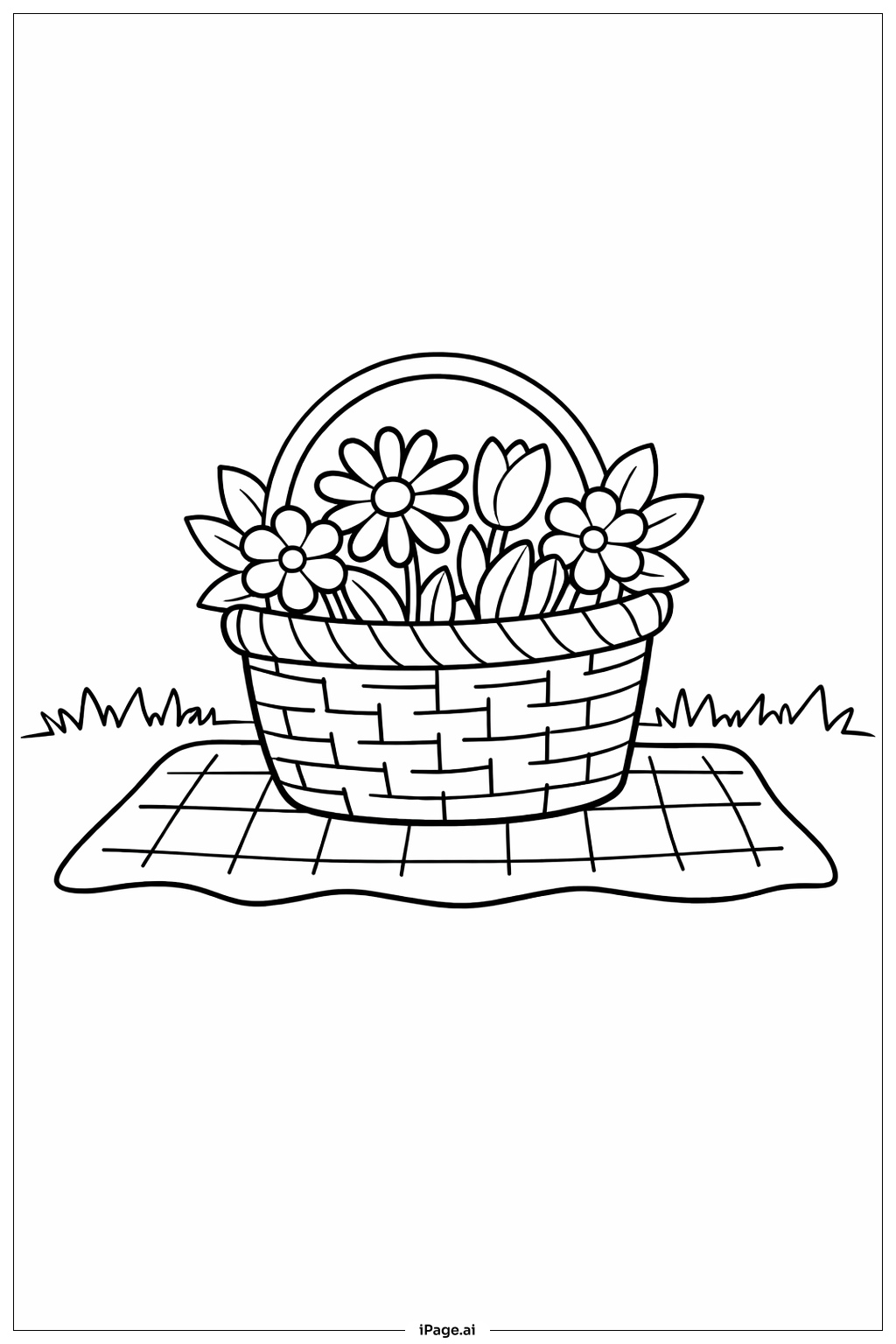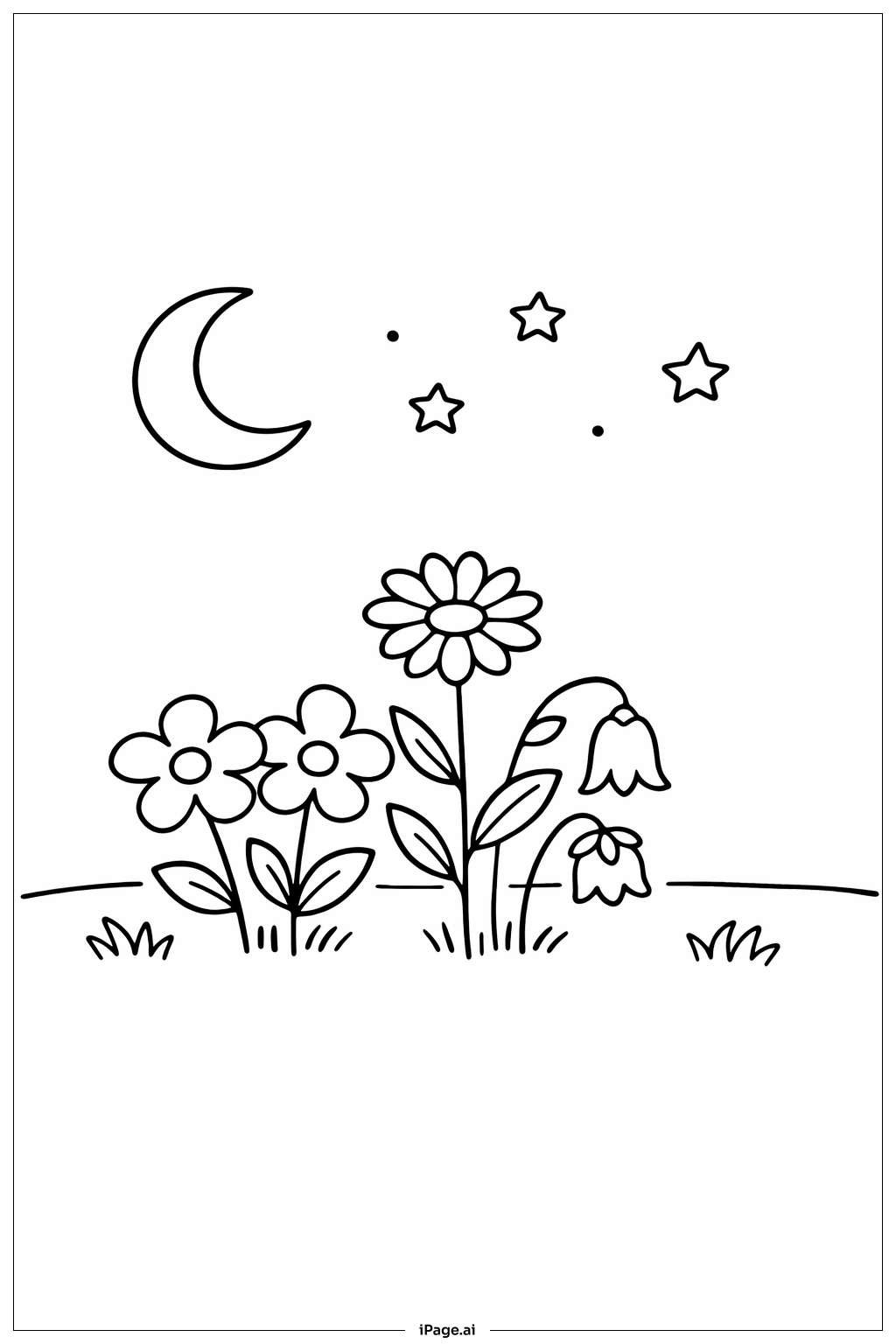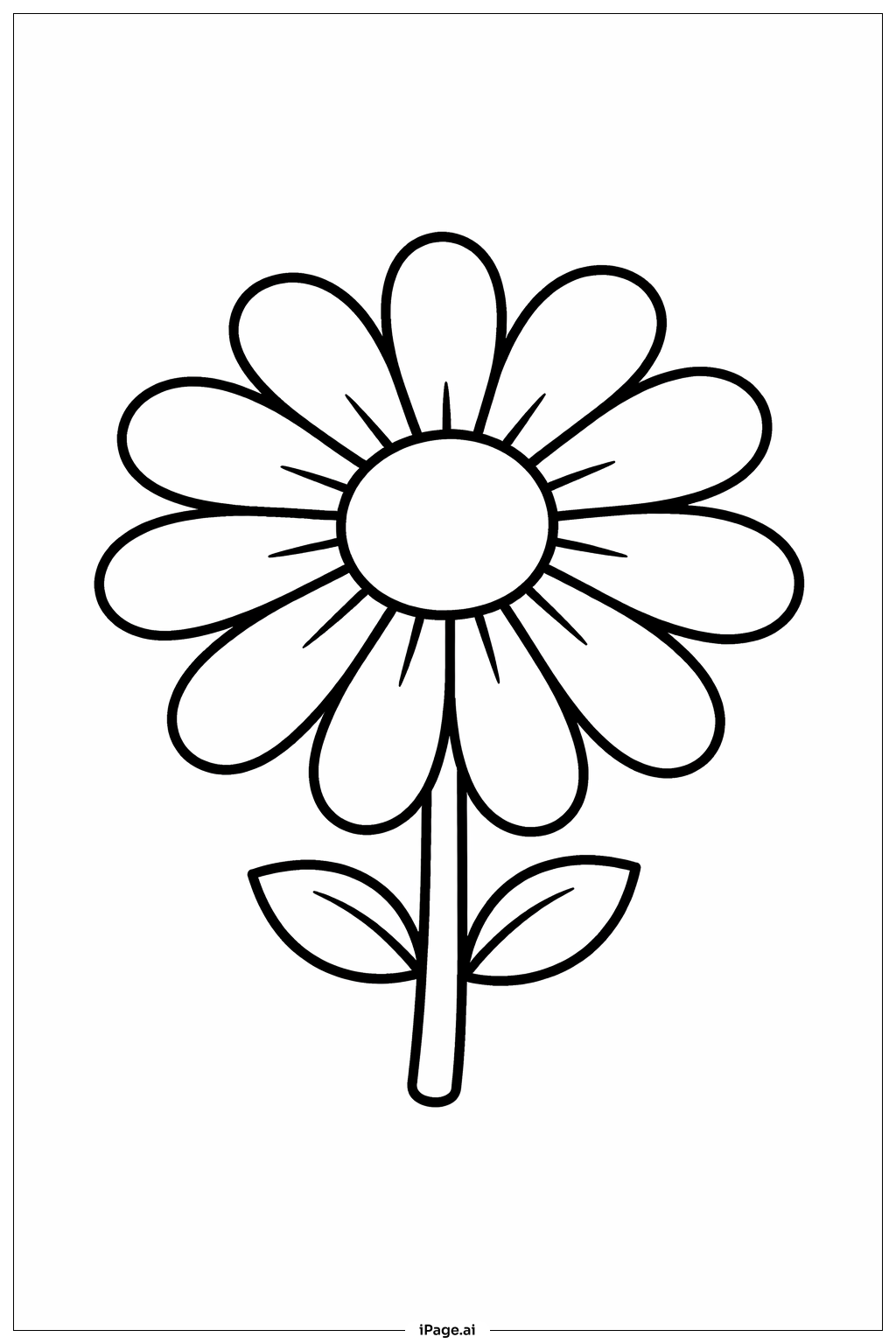
Coloring tips: How to color Big Daisy Flowers coloring page well?
Start with the petals using soft, cheerful colors. White is classic for daisies, but you can also try light yellow, pale pink, or soft lavender to make them pop. Use a slightly darker shade along the edges of each petal to give them depth and dimension. For the large round centers, warm golden yellow or orange works wonderfully. Add small brown or dark orange dots to bring texture to life. Color the leaves and stems in different shades of green — mix bright green with deeper forest green to keep the foliage looking fresh and natural. Try coloring each flower a slightly different color so the whole arrangement feels vibrant and fun. Colored pencils are great for blending the petals smoothly, while markers work well for bold, bright results on the leaves and background.
Coloring challenges: Which parts are difficult to color and need attention for Big Daisy Flowers coloring page?
• Petal Spacing and Precision: The daisy petals are long and sit close together around the center. Coloring each one neatly without accidentally going over the lines into the next petal takes patience and a sharp, fine-tipped tool. Young colorists may find it helpful to work on every other petal first, letting each one dry before filling in the gaps.
• Center Circle Texture: The round centers of the daisies are filled with detailed dots and patterns. These small areas require careful attention and a fine-tipped pencil or marker to fill in each tiny section without making the center look muddy or overworked. Rushing through this part can cause colors to blend in an unintended way.
• Layered Flower Depth: Because multiple flowers overlap in the composition, it can be tricky to decide which flower sits in front and which one falls behind. Choosing contrasting colors for overlapping blooms helps separate them visually and makes the image look three-dimensional rather than flat.
• Leaf Vein Details: The leaves feature delicate veining lines running through them. Coloring the leaf body while preserving the lighter vein lines requires a light hand and good control, especially for beginners. Using two shades of green and leaving vein areas slightly lighter creates a realistic and polished result.
• Maintaining Color Consistency: With so many petals, stems, and leaves repeated across the page, keeping colors consistent throughout the whole image can be challenging. Planning your color palette before you begin helps ensure the finished piece looks balanced and harmonious rather than scattered.
Benefits of coloring books: Advantages of drawing Big Daisy Flowers coloring page
Coloring Big Daisy Flowers offers a wonderful range of benefits for kids and adults alike. Working through the detailed petals and textured centers helps build fine motor skills and hand-eye coordination, especially in younger children who are still developing pencil control. The repetitive, flowing strokes needed to fill in each petal are naturally calming and can help reduce stress and anxiety, making this a great mindful activity after a busy day. Choosing color combinations for the flowers, leaves, and background encourages creative thinking and boosts confidence as colorists see their artistic decisions come to life. For children, identifying and naming different shades of yellow, green, and pink also supports color recognition and vocabulary growth. The structured yet open nature of the design makes it suitable for a wide range of ages — younger kids can enjoy bold, free coloring, while older children and adults can challenge themselves with realistic shading and blending techniques. Completing a full page also gives a satisfying sense of accomplishment that builds patience and focus over time.