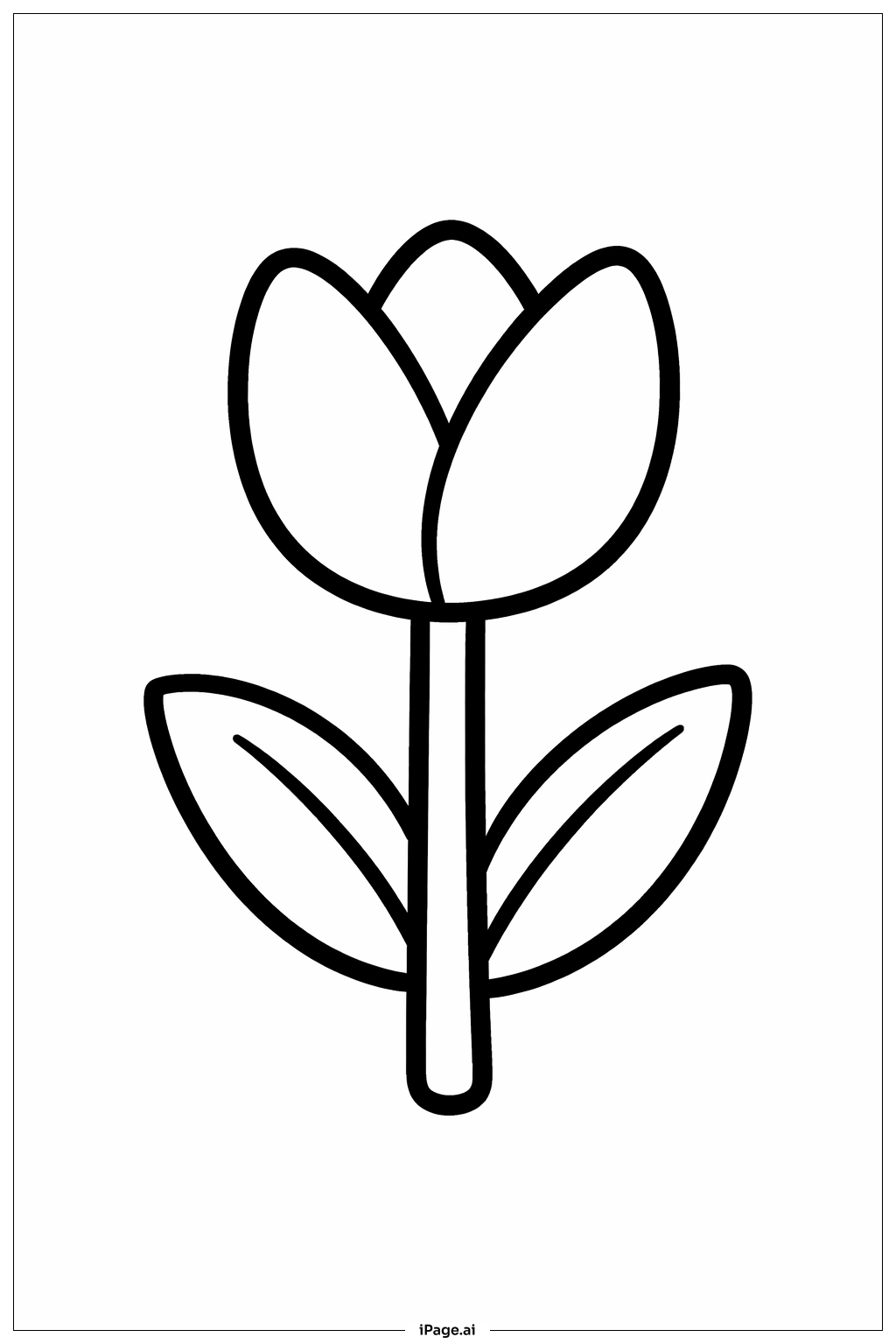
Coloring tips: How to color Simple Tulip Flower coloring page well?
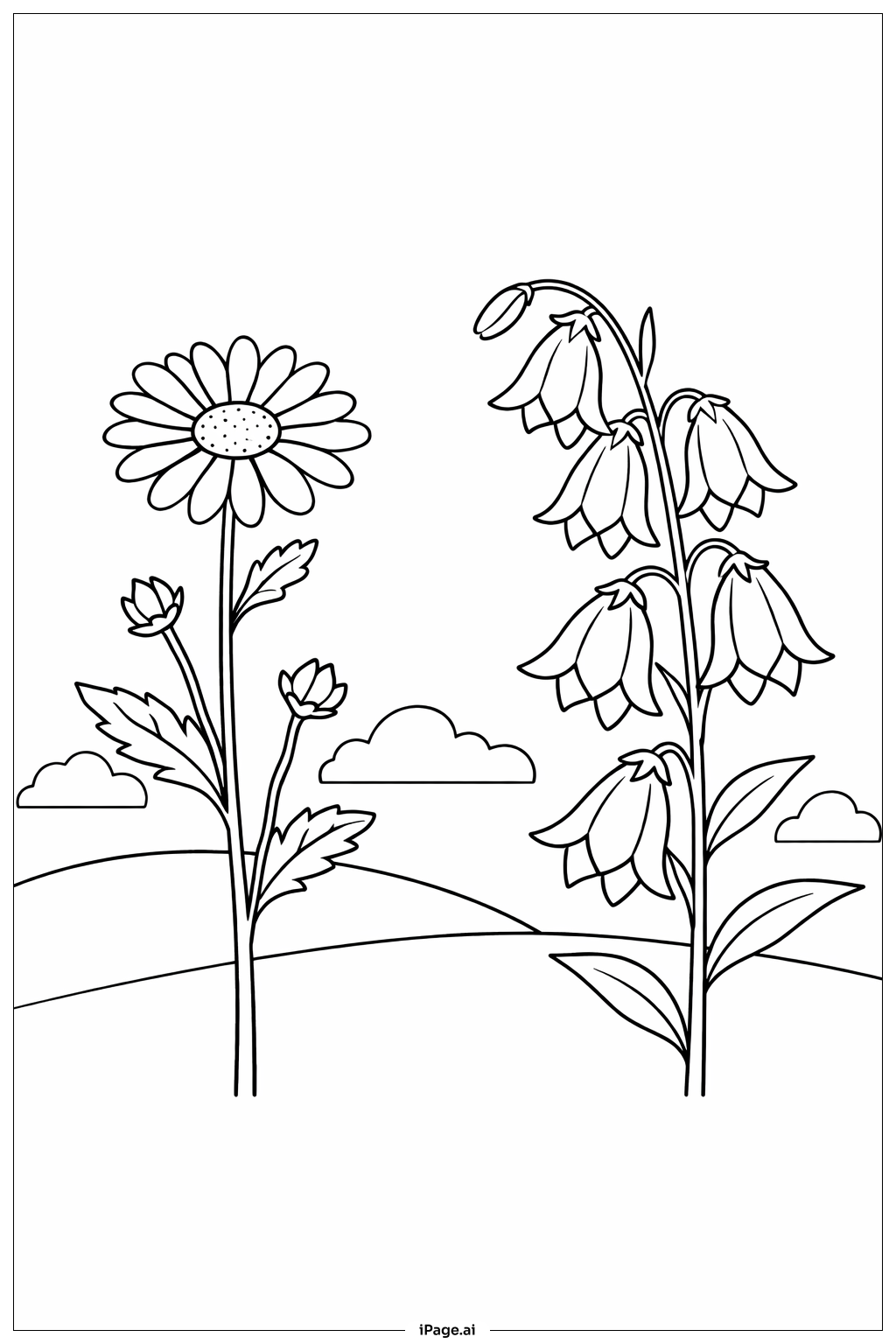
Use bright colors to bring this tulip flower to life. You can color the petals in shades of red, pink, yellow, or purple—typical colors of tulip flowers. For the leaves and stem, try using different shades of green to add depth and realism. You can also add light shading around the edges of the petals and leaves to make the flower look more three-dimensional. Feel free to experiment with blending colors gently, or add small patterns on leaves to make your coloring more unique and fun.
Coloring challenges: Which parts are difficult to color and need attention for Simple Tulip Flower coloring page?
1. Staying inside the lines can be tricky for young kids, especially on the petal edges where curves meet. 2. Coloring the overlapping petals requires attention to avoid mixing colors where the petals cross. 3. Adding shading or blending colors smoothly can be a challenge for beginners. 4. Coloring the thin stem neatly without going outside the lines needs careful control. 5. Keeping consistent color in the leaves while making them look natural may require patience and practice.
Benefits of coloring books: Advantages of drawing Simple Tulip Flower coloring page
Coloring this simple tulip flower helps develop fine motor skills, especially hand-eye coordination and pencil control. It encourages creativity by letting children explore different color combinations. The clear, bold lines help build confidence as kids can easily see where to color. Practicing with this flower also introduces children to nature and flower shapes, boosting their knowledge about plants. Overall, coloring this image is relaxing and fun, helping kids focus and improve concentration.