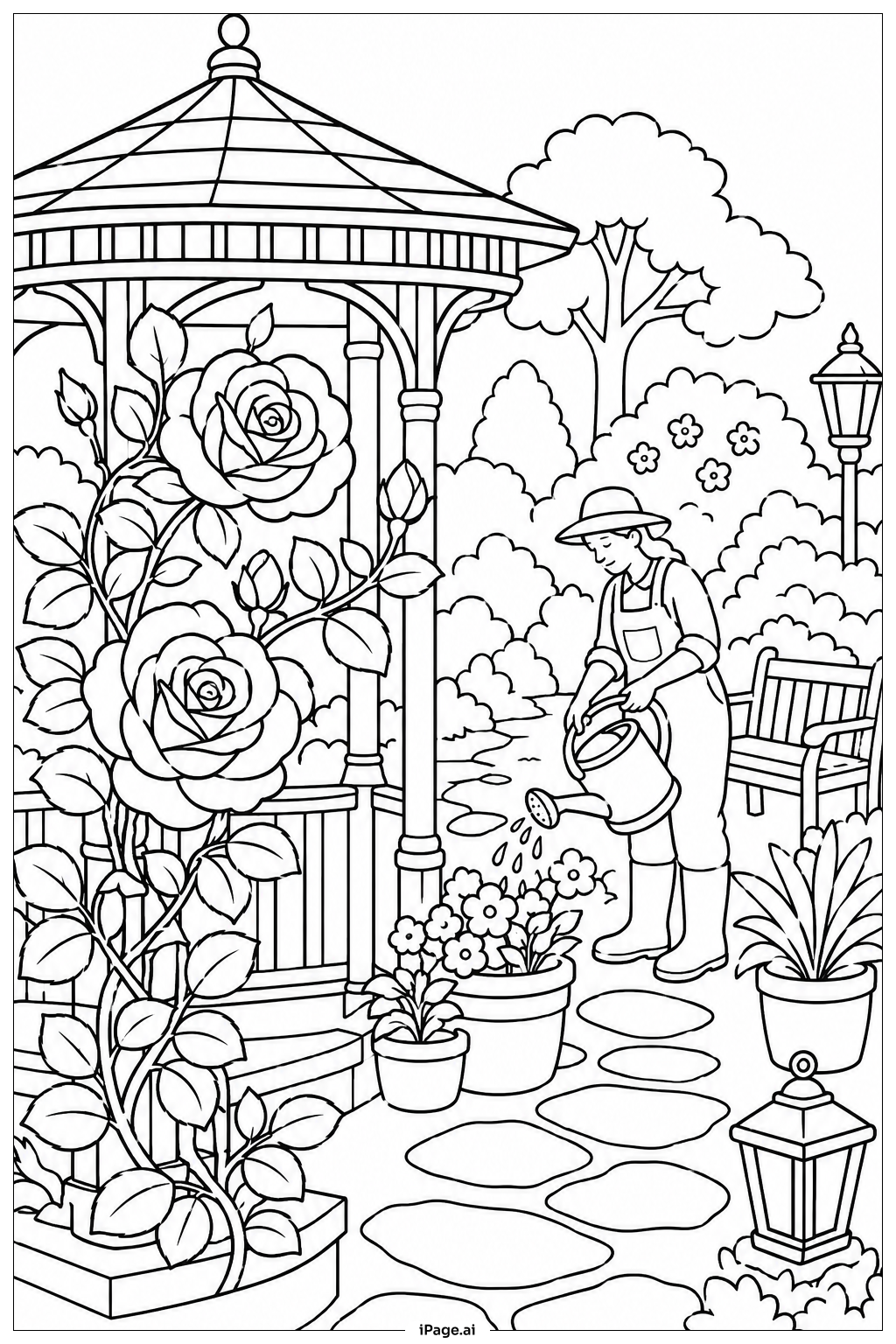
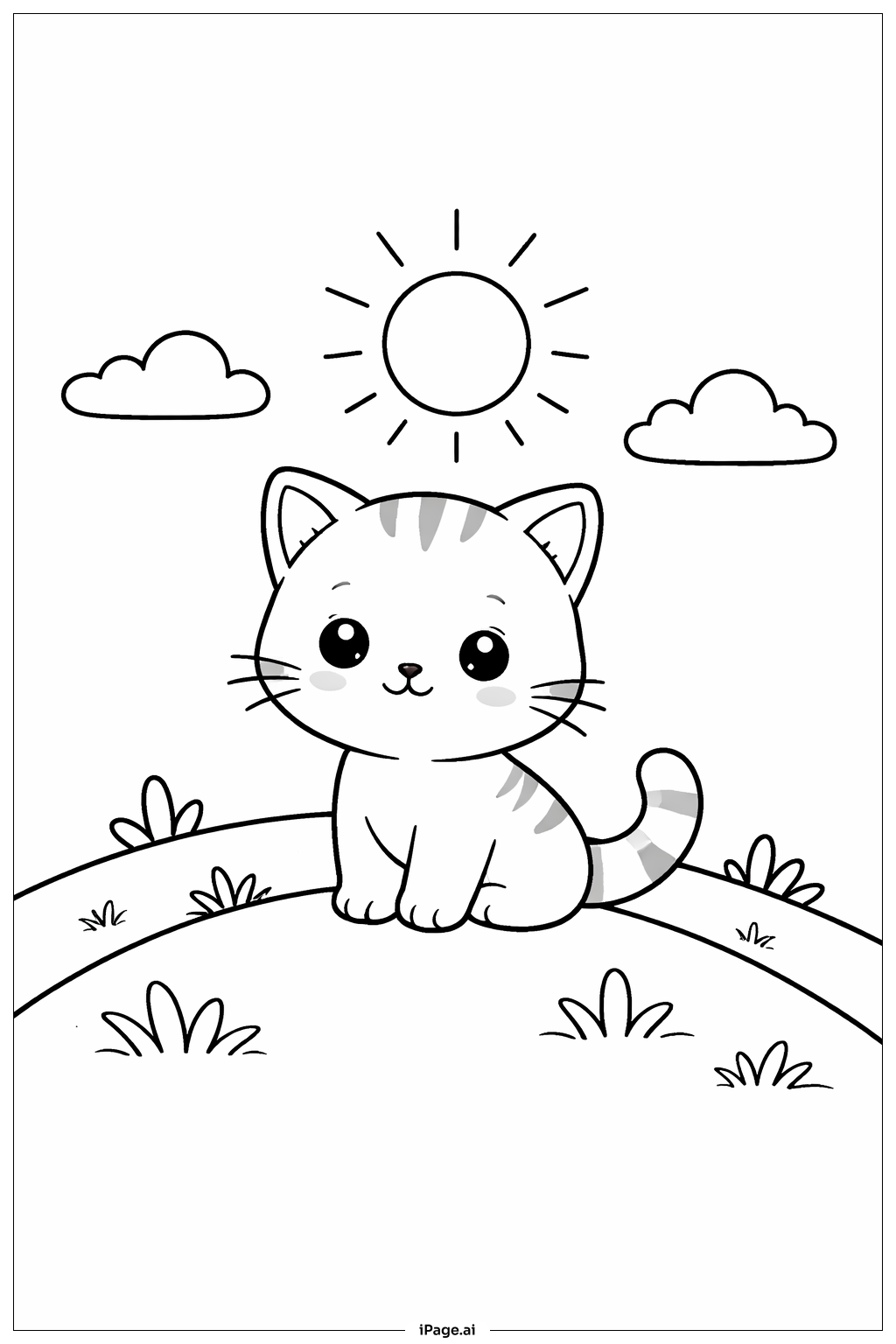
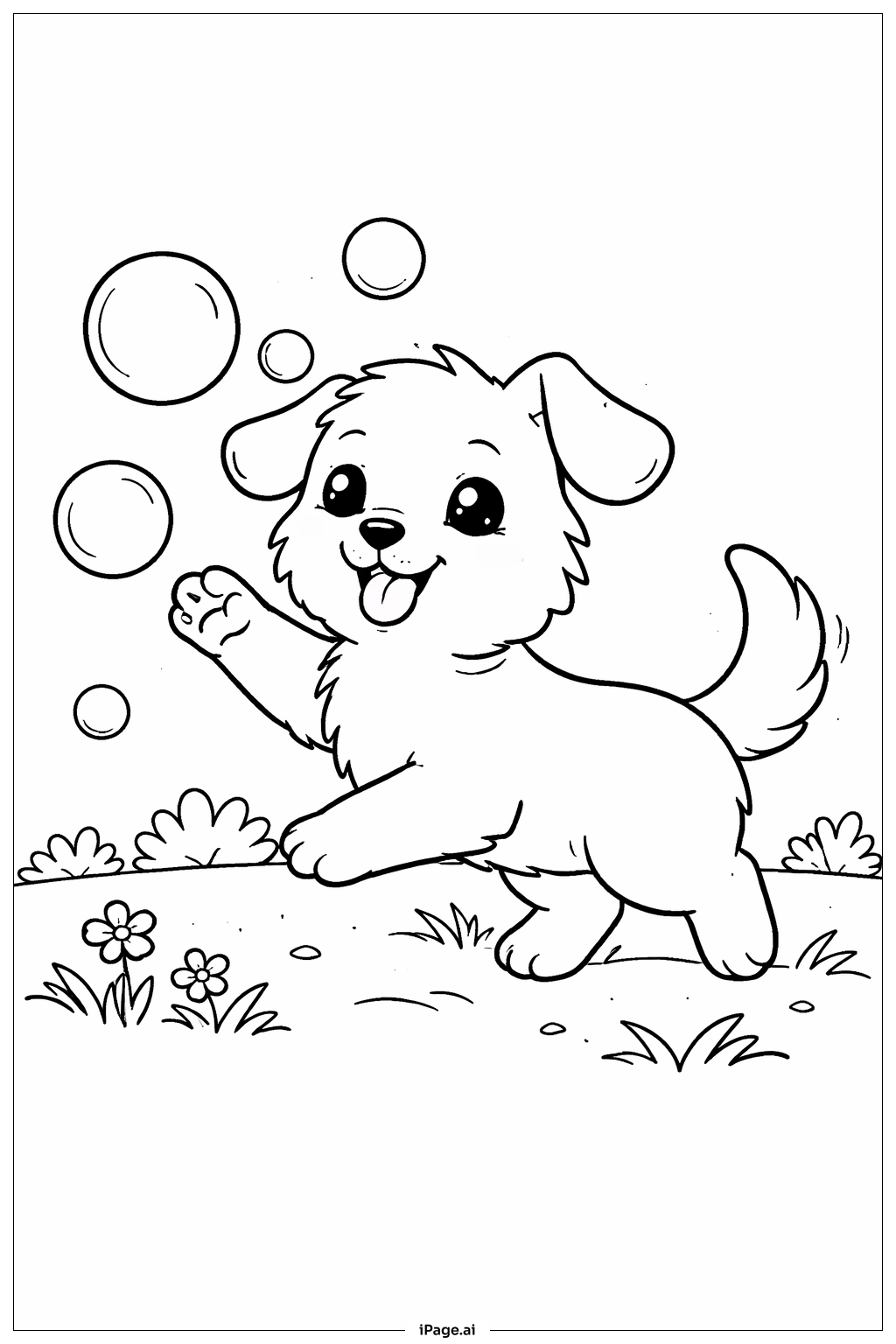
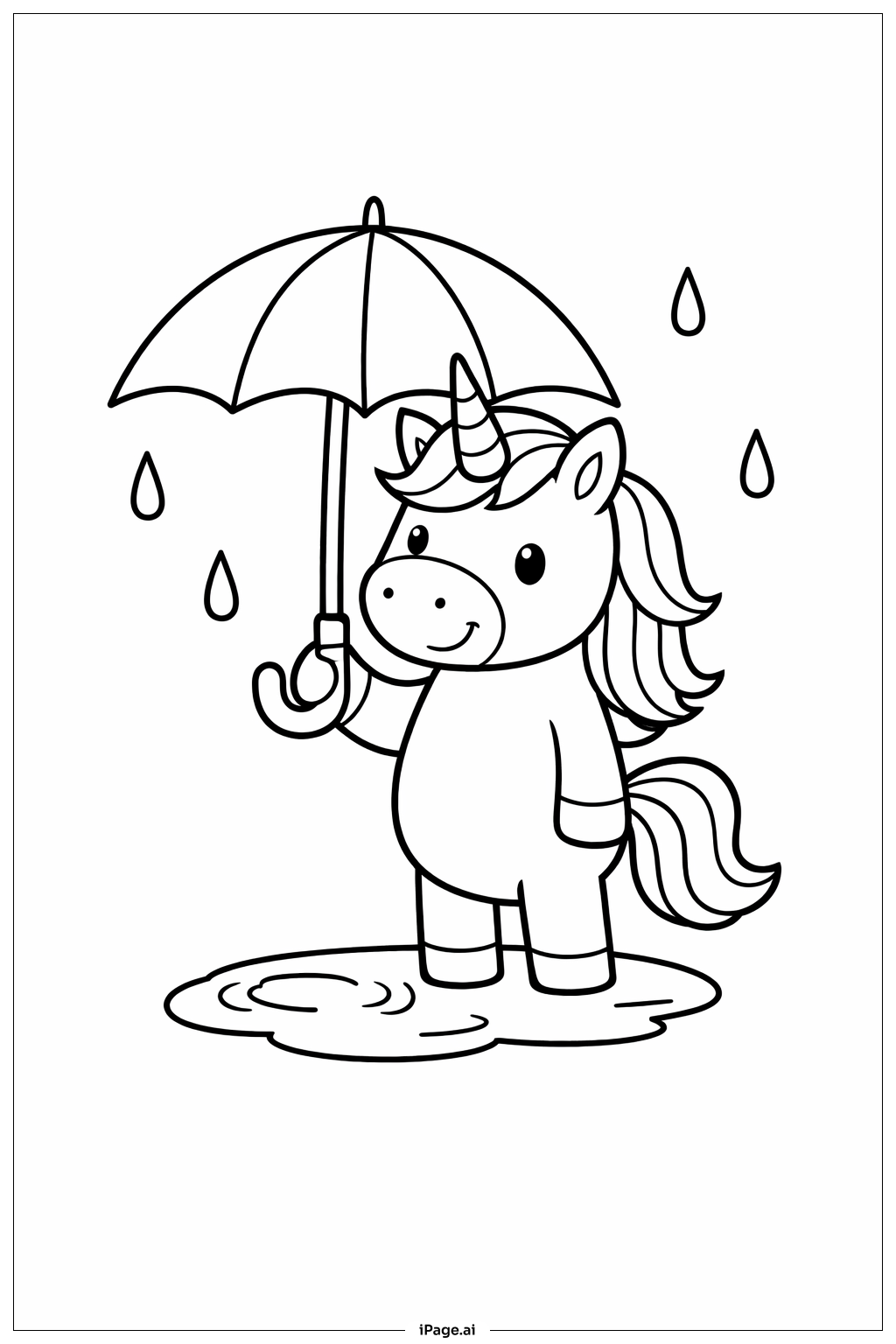
Coloring tips: How to color Round Rose Flower coloring page well?
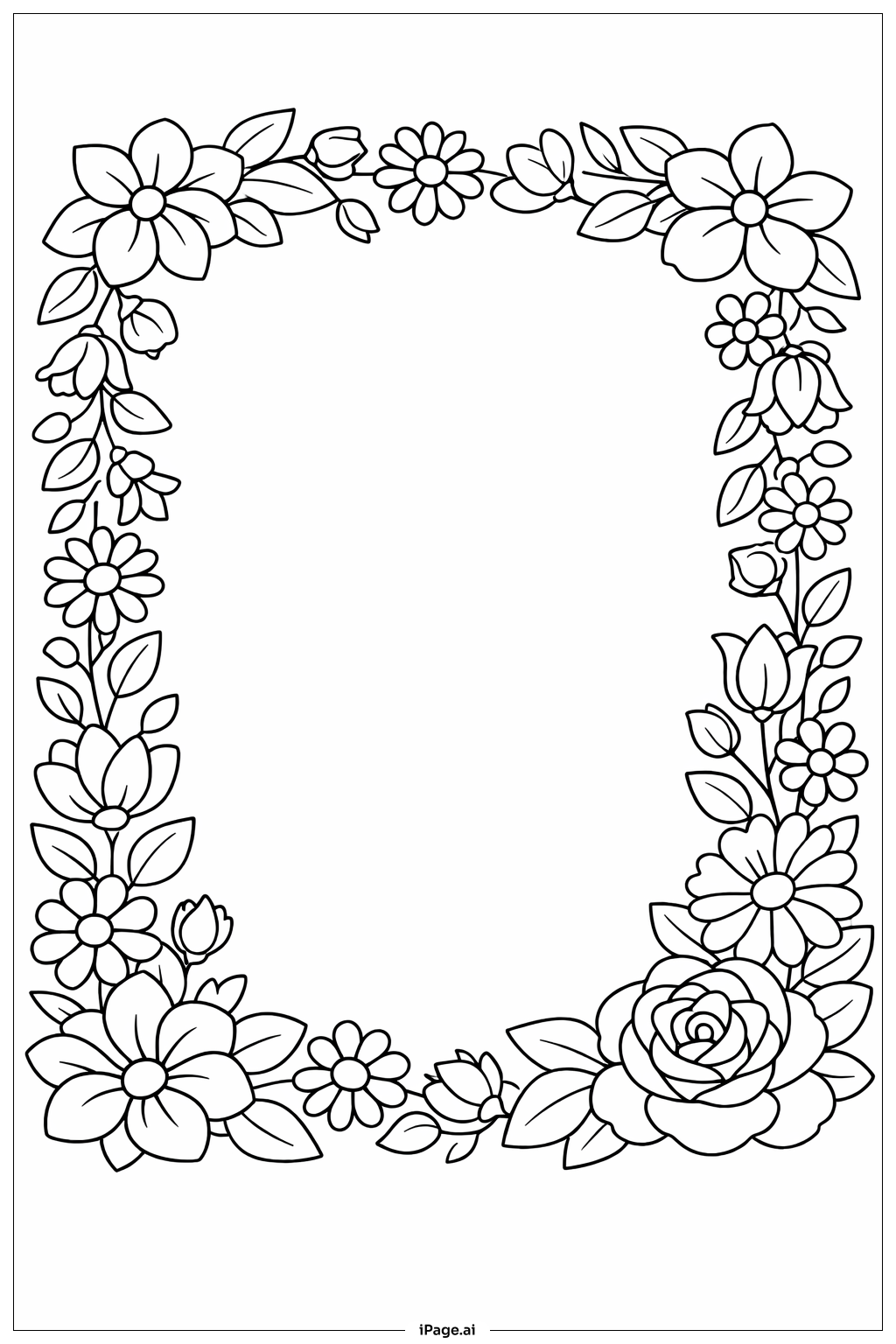
Start from the center of the rose and work your way outward. The innermost petals are usually darker, so use a deeper shade of your chosen color there. As you move to the outer petals, gradually switch to lighter tones to show depth and dimension.
Classic rose colors like red, pink, or peach always look beautiful. But feel free to try something creative — purple, coral, or even a soft yellow can make your rose feel unique and personal.
Use light pencil strokes first to build up color slowly. This helps you blend smoothly between shades. For a soft, dreamy look, try blending two similar colors together on the petals.
Leave the tips of the outer petals slightly lighter than the base. This small detail makes the flower look more realistic and three-dimensional. Take your time with each petal — enjoy the process!
Coloring challenges: Which parts are difficult to color and need attention for Round Rose Flower coloring page?
Coloring this round rose flower looks simple at first, but it comes with a few real challenges. Here are the key difficulties to keep in mind:
• Petal Layering and Depth: The rose has many overlapping petals arranged in circular layers. It can be tricky to show which petals are on top and which are underneath. You need to use slightly different shades on neighboring petals so each one stands out clearly from the others.
• Smooth Color Gradients: A rose looks most beautiful when the color shifts gradually from dark in the center to light on the outer edges. Achieving a smooth gradient without harsh lines takes patience and practice, especially with colored pencils or crayons.
• Small Inner Petals: The petals near the center of the rose are tightly curled and quite small. Coloring these tiny areas neatly without going outside the lines requires a sharp pencil and a steady hand.
• Consistent Circular Symmetry: Because the bloom is round and symmetrical, any uneven coloring becomes very noticeable. Keeping the color balanced across all sides of the flower takes careful attention as you work around the whole composition.
• Defining Petal Edges: The fine lines where petals meet and overlap are important for making the rose look realistic. If these lines get covered with color, the petals may blend together and lose their individual shape. Using a slightly darker shade along these edges helps define them without losing the natural look of the flower.
Benefits of coloring books: Advantages of drawing Round Rose Flower coloring page
Coloring this round rose flower is a wonderful activity for kids and adults alike. Here are some great reasons to pick up your colors and get started.
It builds focus and patience. Carefully filling in each curved petal helps train your attention and encourages you to slow down and concentrate.
It sparks creativity. Choosing your own color combinations — from classic reds and pinks to bold purples or golden yellows — lets you express your personal style and imagination.
It teaches color blending. Working with light and dark shades on the petals is a fun, hands-on way to learn how colors work together to create depth and dimension.
It relieves stress. The gentle, repetitive motion of coloring is calming and relaxing. Spending time with a beautiful image like this rose can help clear your mind and lift your mood.
It builds fine motor skills. Staying inside the detailed lines and carefully shading small petal shapes helps strengthen hand coordination and pencil control — skills that are valuable for writing and drawing.
It gives a real sense of achievement. Completing a detailed and beautiful coloring page like this round rose feels genuinely rewarding. It is something you can proudly display or share with friends and family.