Coloring tips: How to color Flower Basket on Table coloring page well?
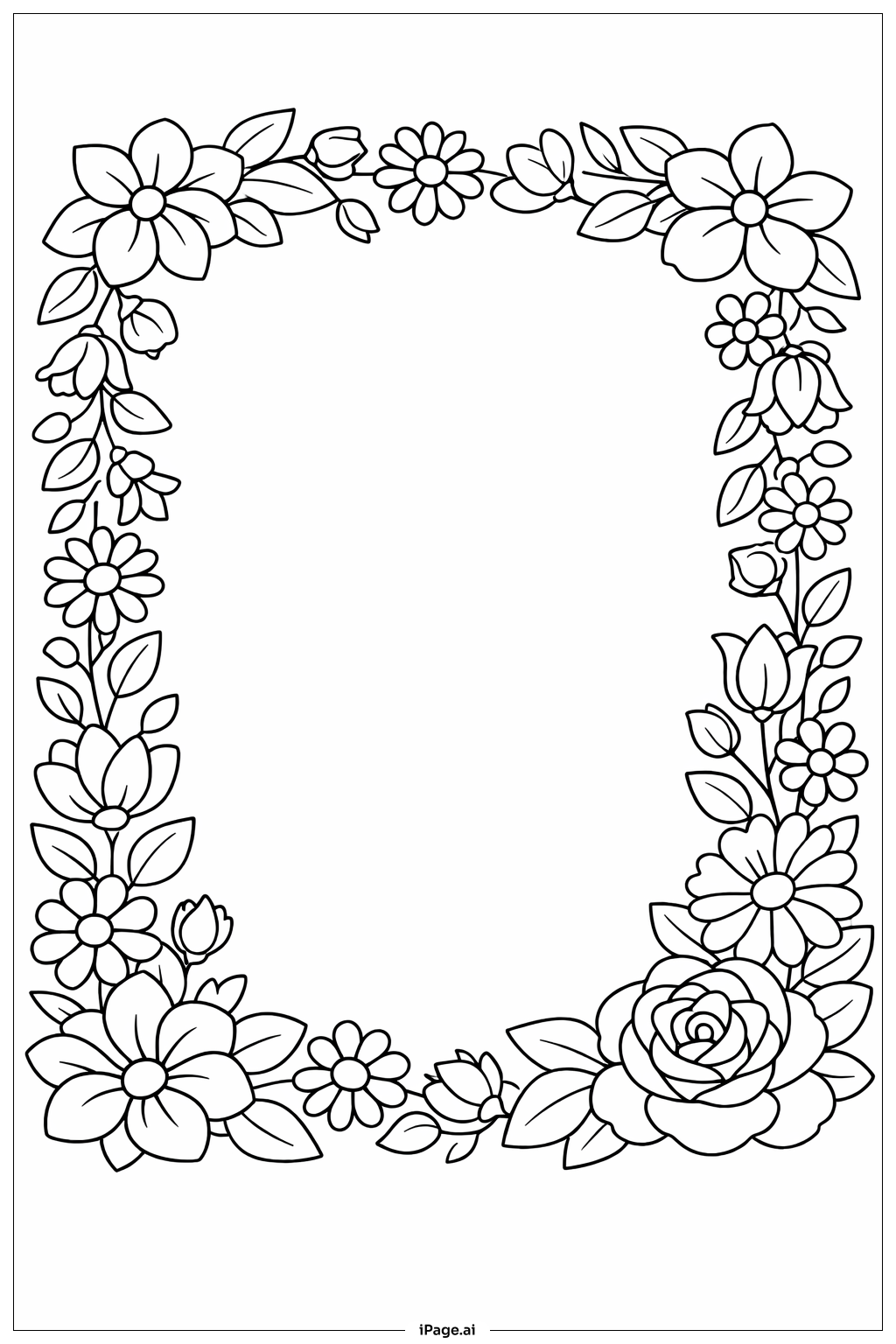
Start by choosing warm brown or tan tones for the woven basket to create a natural, rustic feel. For the flowers, use a variety of bright colors to make them pop—try reds and pinks for roses, yellows and whites for daisies, and purples or blues for accent blooms. Color the leaves in different shades of green, using darker tones for depth and lighter greens where light would naturally hit. The table can be colored in wood tones like light oak, walnut, or even painted white for a cottage feel. Consider adding subtle shading to the basket weave to emphasize its texture. Use colored pencils or markers to layer colors on the flower petals, making them look more realistic and dimensional. Don't forget to leave some white highlights on petals and leaves to suggest sunlight.
Coloring challenges: Which parts are difficult to color and need attention for Flower Basket on Table coloring page?
• Basket Weave Texture: The intricate woven pattern of the basket requires careful attention to create a realistic three-dimensional effect. Each strand crosses over and under others, and maintaining consistent coloring while following these intersecting lines can be challenging. Young colorists may find it difficult to keep track of which sections to darken for depth and which to leave lighter to show the weaving structure. Using two or three shades of brown and applying them systematically will help, but it demands patience and focus.
• Layered Flower Petals: The flowers feature multiple overlapping petals that create depth and dimension. Coloring each petal distinctly while maintaining a cohesive look requires understanding which petals are in front and which are behind. Children may struggle with choosing appropriate color gradients and knowing where to add darker shades for shadows and lighter tones for highlights. The curved surfaces of the petals also need shading techniques that younger artists are still developing.
• Leaf Details and Arrangement: The numerous leaves throughout the arrangement have veins, edges, and overlapping positions that need differentiation. Deciding on various green shades to prevent the foliage from looking flat or monotonous presents a challenge. The leaves also interact with flowers and the basket, requiring careful color choices to maintain visual separation between elements.
• Table Surface and Grain: The wood grain pattern on the table needs directional coloring to look natural. Creating realistic wood texture involves using parallel strokes in varying shades, which requires steady hand control and an understanding of how wood patterns flow.
Benefits of coloring books: Advantages of drawing Flower Basket on Table coloring page
Coloring this flower basket scene helps children develop fine motor skills through the detailed work required for the basket weave and delicate petals. It encourages focus and patience as they navigate the complex overlapping elements. The variety of shapes—from the geometric basket pattern to the organic flower forms—teaches young artists about different textures and structures in nature and crafted objects. Choosing colors for multiple flowers promotes decision-making skills and color theory understanding, as children learn which combinations create harmony or contrast. This peaceful domestic scene can have a calming effect, reducing stress and promoting mindfulness. The subject matter connects children to nature and everyday beauty, fostering appreciation for simple pleasures. Completing this moderately challenging image builds confidence and gives a sense of accomplishment, encouraging continued artistic exploration and creative expression.