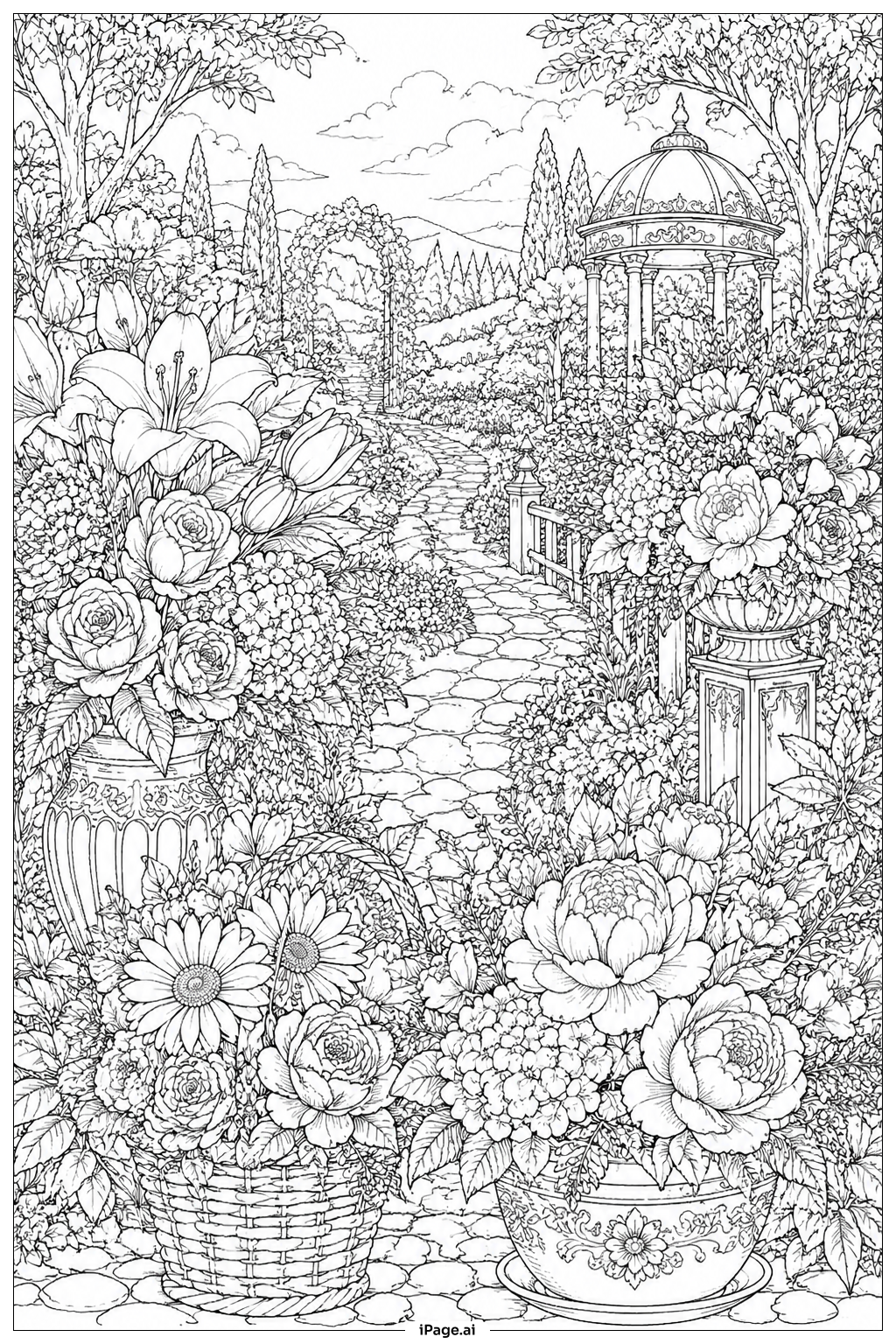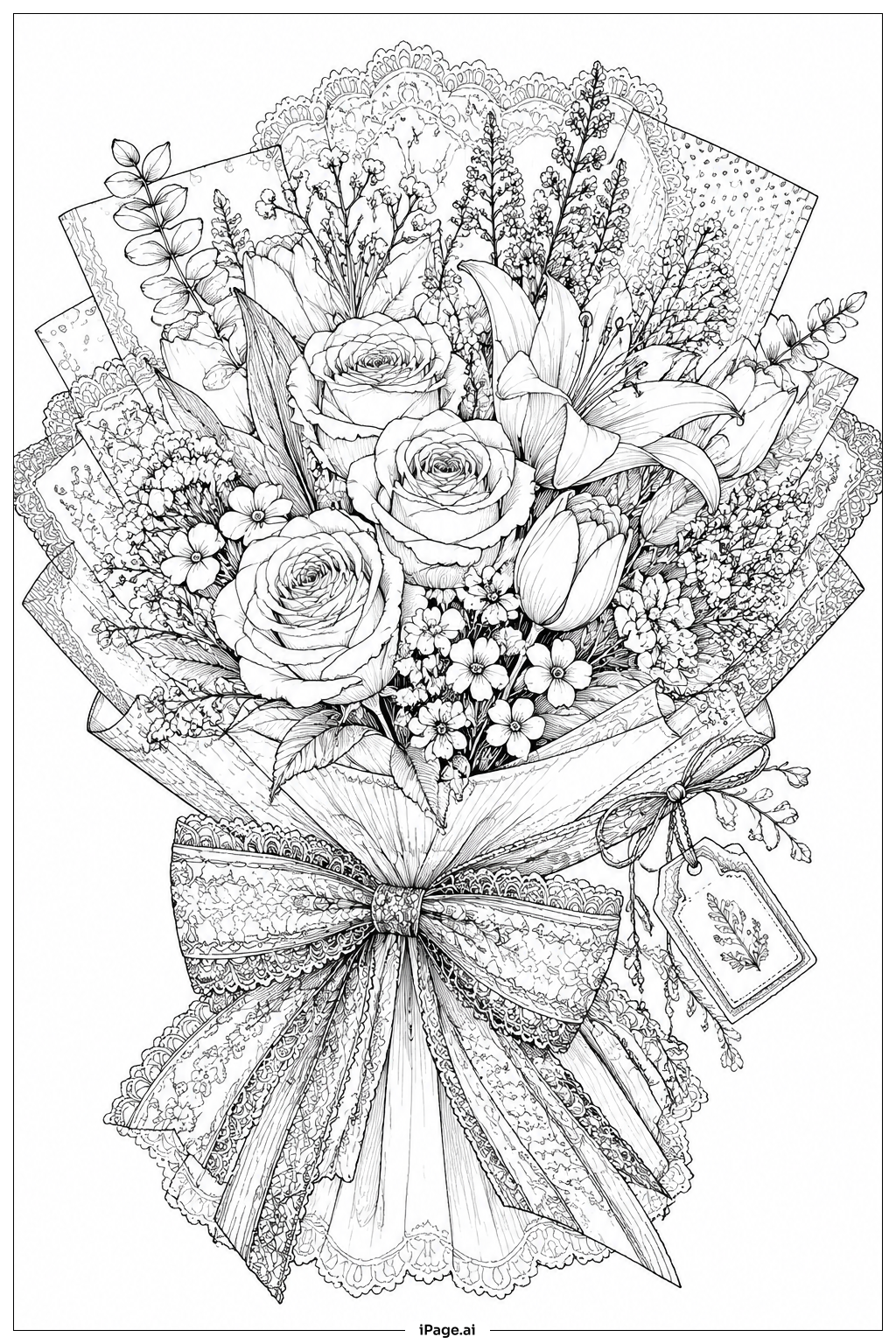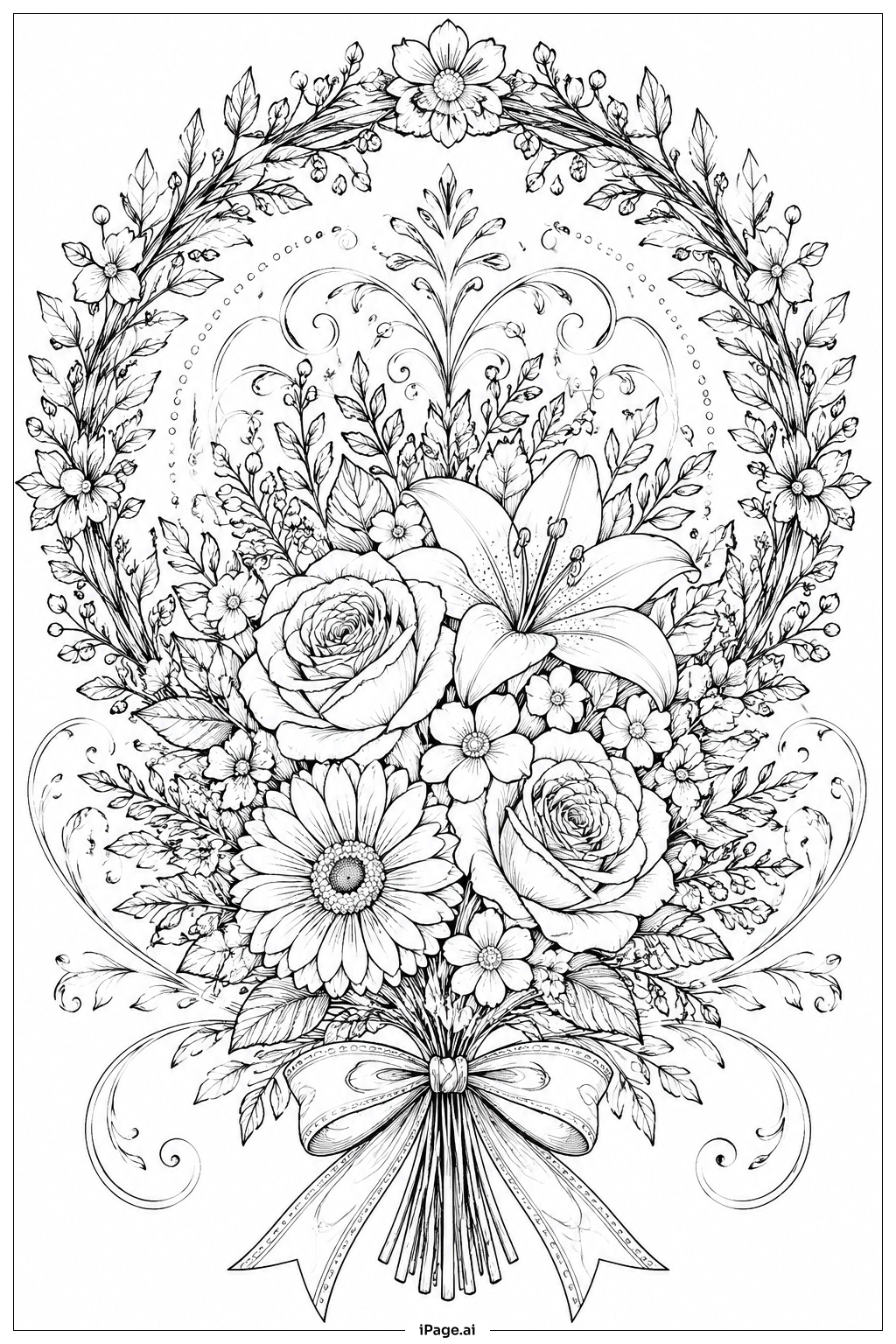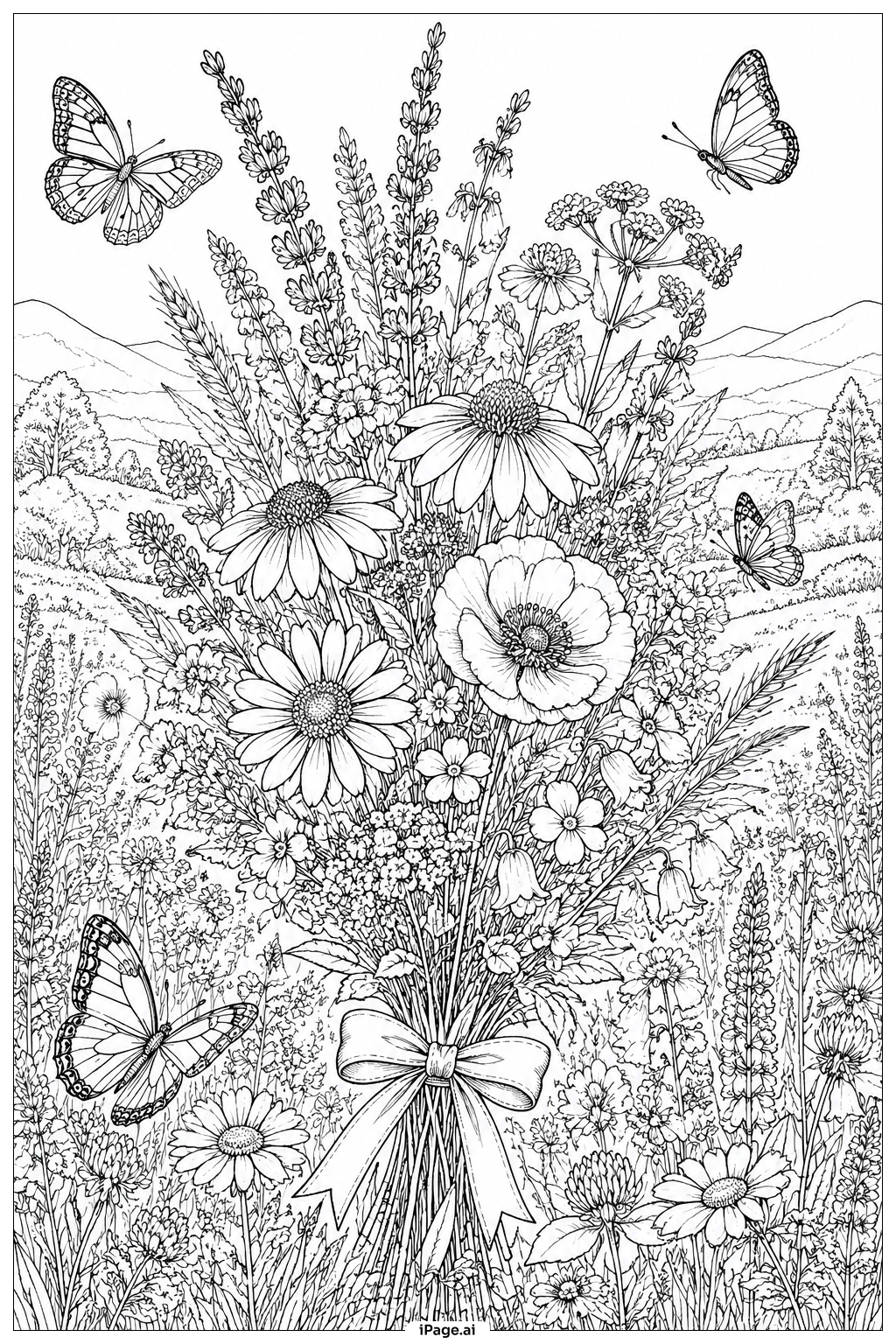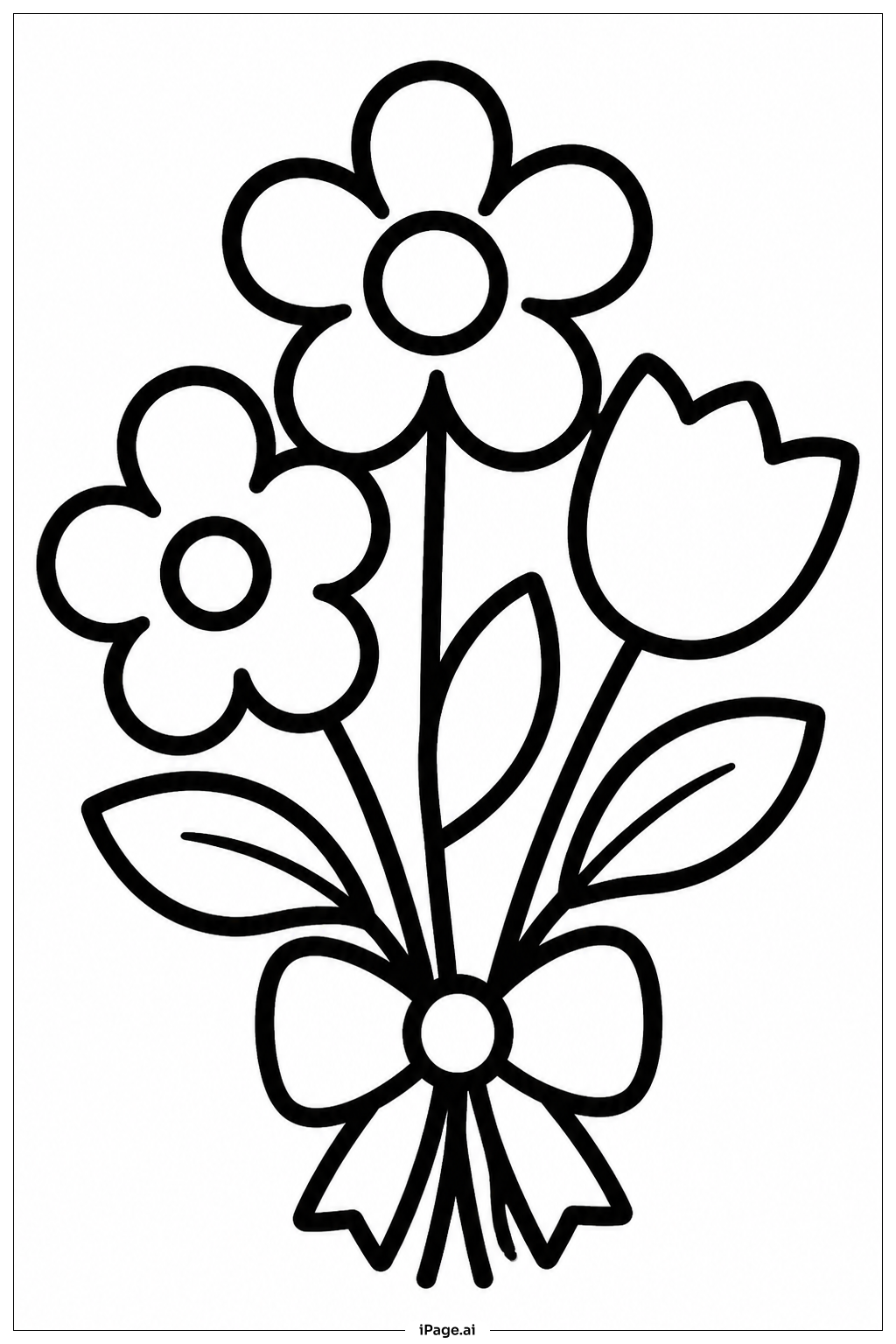
Coloring tips: How to color Small Garden Flower Bouquet coloring page well?
Start by choosing your favorite flower colors! You might use bright yellows and oranges for the sunflower-like blooms, soft pinks and purples for the rounded flowers, and white or light yellow for the daisy shapes. Don't be afraid to mix realistic garden colors with your own creative choices - maybe a blue flower or a rainbow bouquet! For the leaves, try different shades of green. Use a darker green for leaves in the background and lighter, brighter greens for leaves in the front. This creates depth and makes your bouquet look more three-dimensional. You can add yellow-green to some leaves to show sunlight. The flower centers offer a great chance to add contrast - try brown, dark yellow, or even black. Consider leaving some small areas white or very light to create highlights and make your flowers sparkle. Remember to color gently and take your time with each petal!
Coloring challenges: Which parts are difficult to color and need attention for Small Garden Flower Bouquet coloring page?
• Petal Overlap and Layering: One of the main challenges in this bouquet is distinguishing between overlapping petals and flowers. Many blooms are positioned in front of or behind others, creating layers that need different color intensities or shades to show depth properly. Children may find it tricky to decide which flower is in front and how to make that clear through their color choices. Careful attention to the lines and thoughtful shading can help separate each element.
• Small Detailed Spaces: The bouquet contains numerous small spaces between petals, inside flower centers, and around leaf edges where the coloring tool needs to fit precisely. These tight areas can be challenging for younger children or those still developing fine motor control. Staying inside the lines in these cramped spots requires patience, a steady hand, and perhaps using thinner coloring tools like colored pencils or fine-tip markers instead of thick crayons.
• Leaf Variety and Texture: The arrangement includes many different leaf shapes and sizes scattered throughout the design. Deciding on a color scheme that makes each leaf distinct while maintaining a cohesive, natural look presents a creative challenge. You'll need to think about using various green tones, adding veins or texture, and considering how leaves interact with the flowers they surround. This complexity helps develop planning skills and color theory understanding.
Benefits of coloring books: Advantages of drawing Small Garden Flower Bouquet coloring page
Coloring this flower bouquet offers wonderful benefits for children and adults alike! It helps develop fine motor skills and hand-eye coordination as you carefully fill in petals and navigate around the detailed outlines. The variety of shapes and sizes in the bouquet encourages decision-making and planning - you'll think about which colors work well together and how to create a harmonious garden palette. This activity promotes focus and concentration, providing a calming, mindful experience that can reduce stress and anxiety. As you color each flower and leaf, you're practicing patience and attention to detail. The creative freedom to choose your own color combinations boosts confidence and self-expression. For younger children, this bouquet introduces nature themes and can spark conversations about real flowers, gardens, and plants. Completing the entire bouquet provides a strong sense of accomplishment and creates a beautiful piece of art you'll be proud to display or share with others!