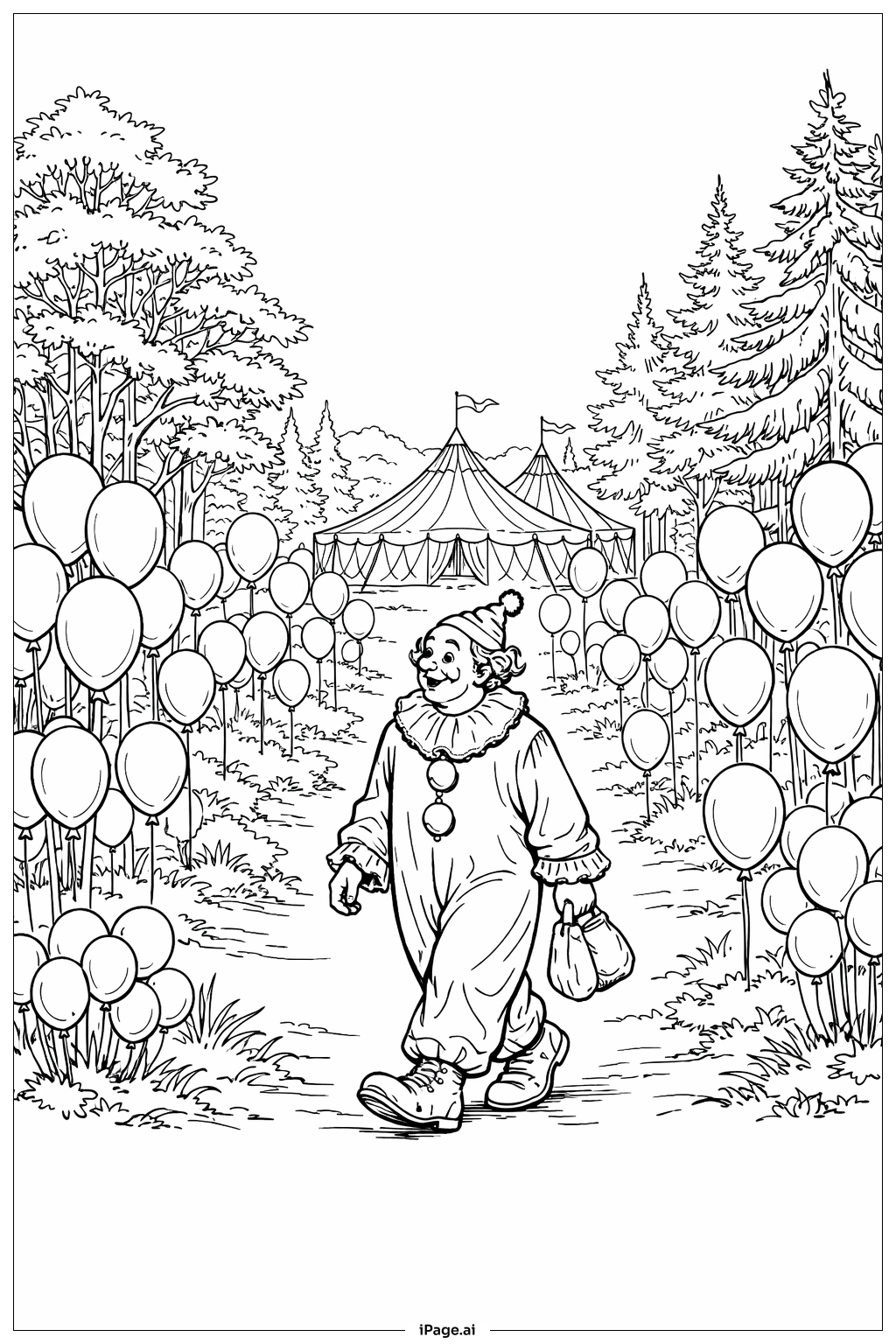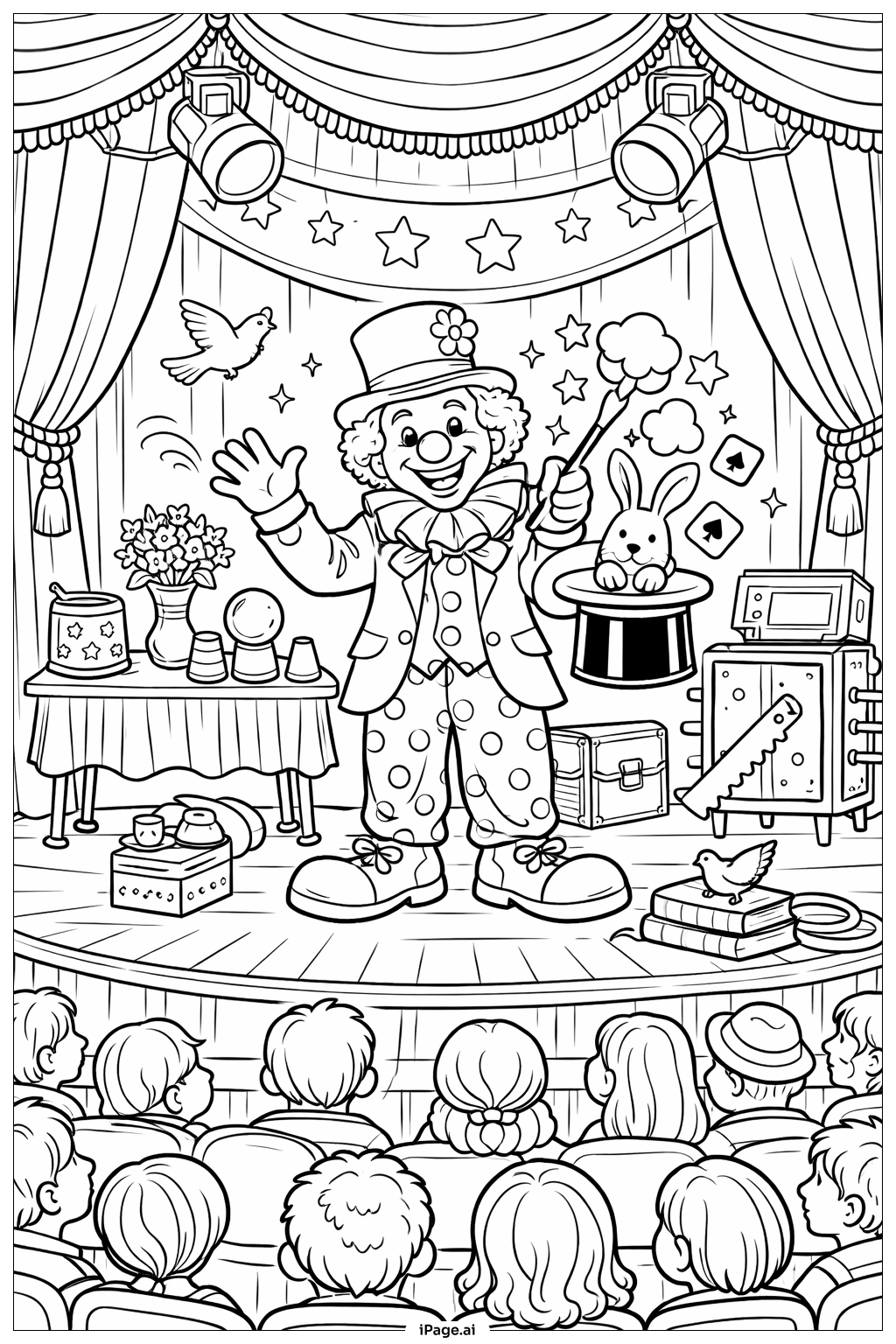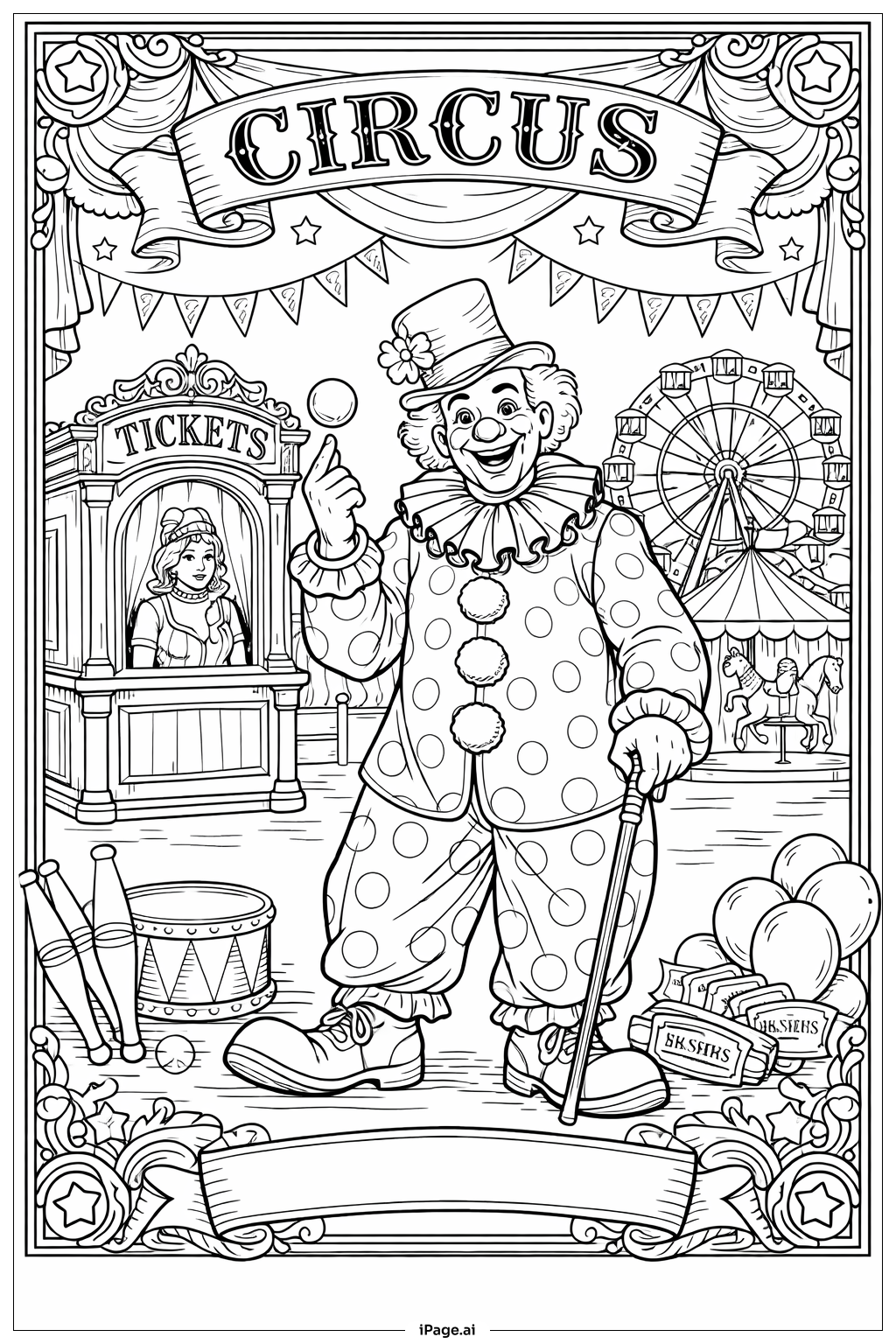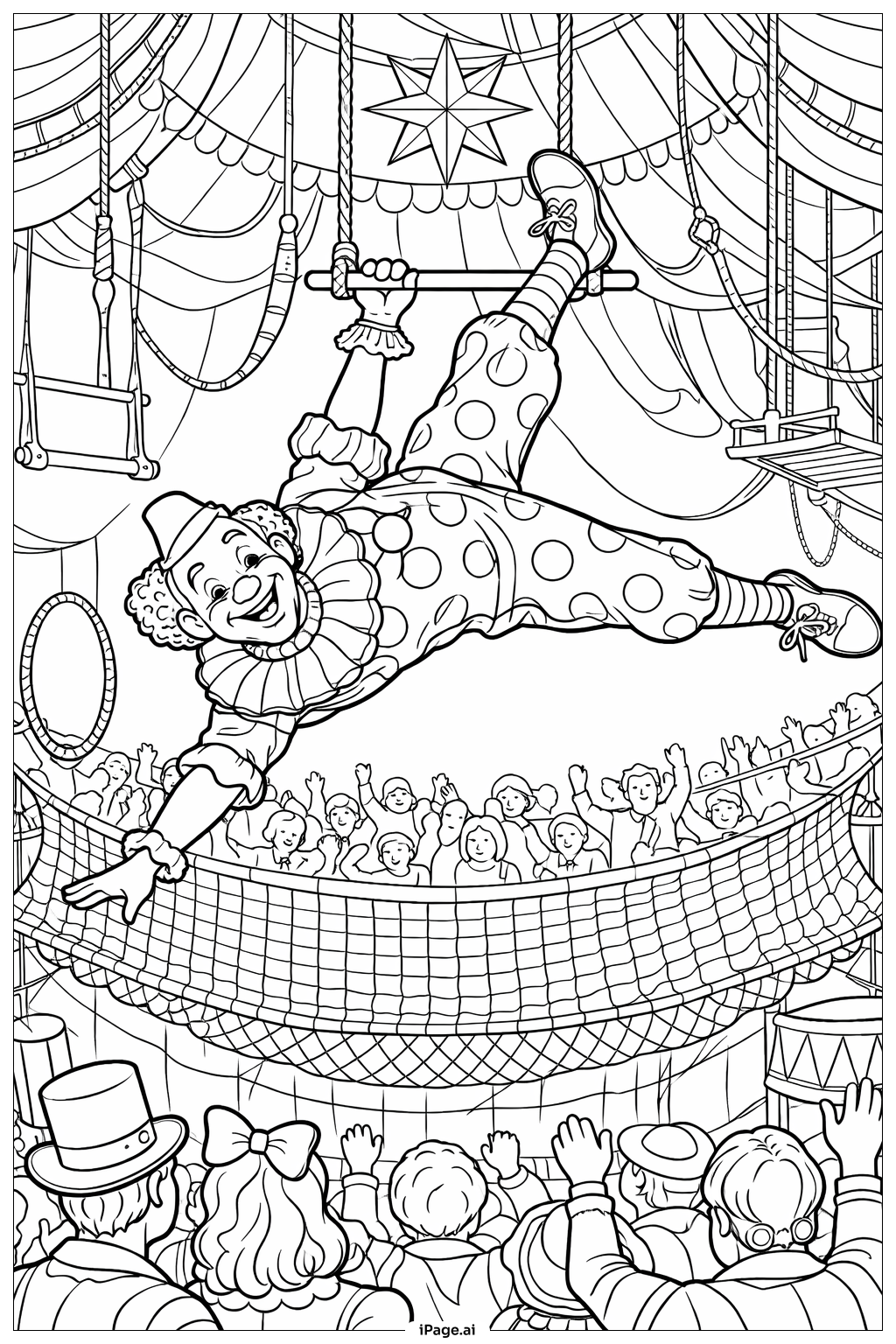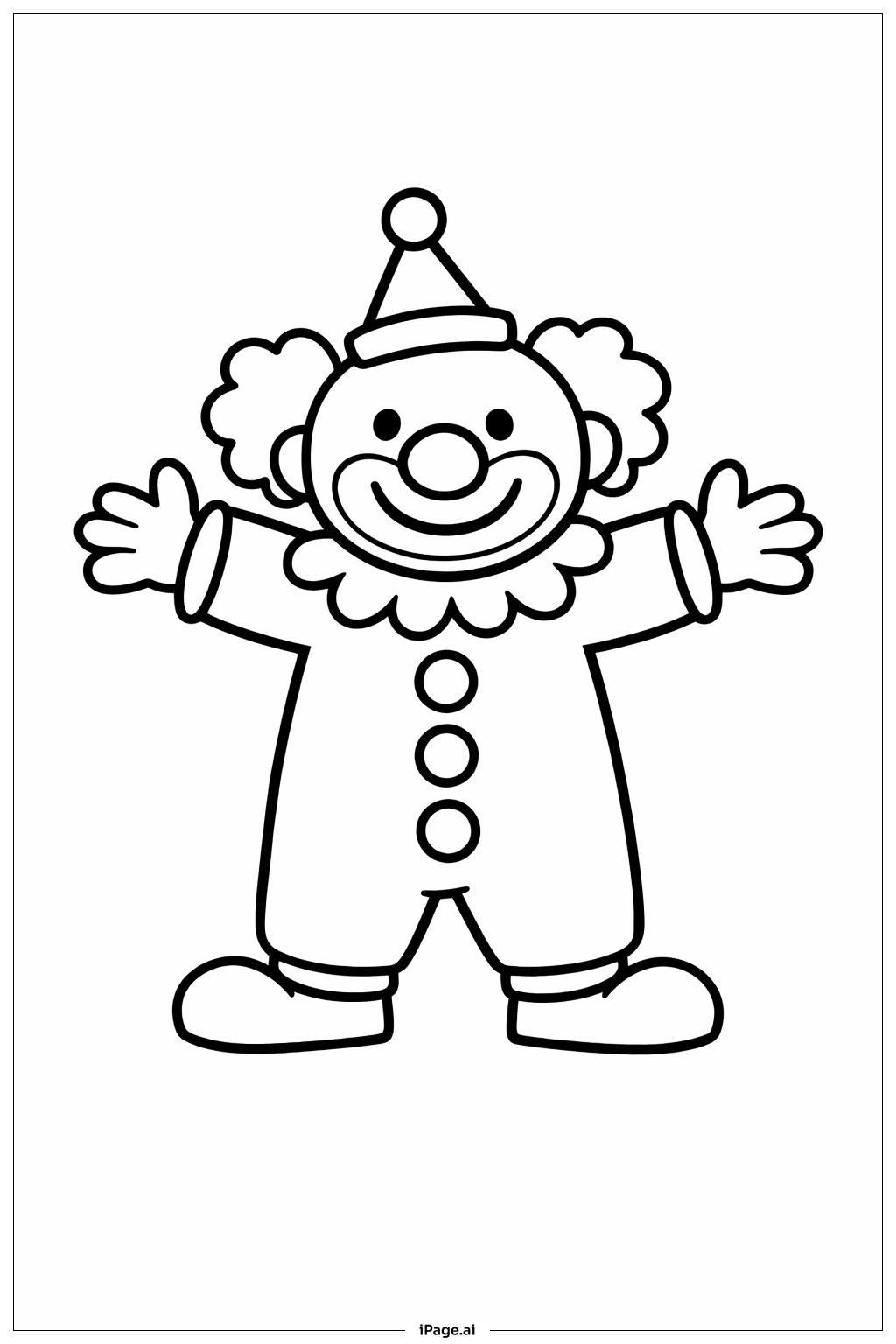
Coloring tips: How to color Clown With Smile coloring page well?
Start with the clown's skin tone using a light peach or tan color. Use bright, bold colors for his costume — red, yellow, blue, and green work great for a classic circus look. Color the polka dots in alternating colors to make them pop. Give his big round nose a vivid red. Use orange, yellow, or purple for his wild hair to make it look extra fun and silly. His ruffled collar can be white with colorful edges. For any props like balloons or flowers, use rainbow colors to add extra excitement. Don't be afraid to mix unusual color combinations — clowns are all about being bold, playful, and colorful. Let your imagination run free and make this clown as bright and cheerful as possible. There are no wrong color choices here, so have fun and enjoy every stroke!
Coloring challenges: Which parts are difficult to color and need attention for Clown With Smile coloring page?
• Ruffled Collar Details: The clown's collar has many small, wavy folds and layers. Coloring each fold separately without blending into neighboring sections can be tricky. Using a fine-tipped coloring tool will help you stay within the curves and add dimension to the ruffles.
• Polka Dot Patterns: The costume is covered in polka dots of varying sizes. Keeping each dot neatly colored and evenly spaced across the outfit requires patience and a steady hand. Choosing contrasting colors for the dots versus the base fabric will help them stand out clearly.
• Facial Features and Expression: The clown's face has multiple overlapping elements — eyes, eyebrows, rosy cheeks, smile lines, and a big round nose. These features are close together, making it easy to accidentally color outside the lines. Working slowly with a sharp pencil or thin marker is the best approach for this area.
• Wild Hair Texture: The large, fluffy hair surrounding the clown's head contains many curved, layered lines. Blending two or three colors together to suggest volume and texture takes care and practice. Going in one direction with your strokes can help create a more natural, voluminous look.
• Small Decorative Props: If the clown is holding items like balloons, flowers, or a tiny umbrella, these small props have fine outlines that require precise coloring. Switching to a thinner coloring tool for these sections will help you capture every little detail without smudging nearby areas.
Benefits of coloring books: Advantages of drawing Clown With Smile coloring page
Coloring this happy clown image offers a wonderful range of benefits for kids and beginners alike. The bold lines and fun shapes make it easy and enjoyable to pick up colors and get started right away.
Focusing on staying within the lines helps improve hand control and fine motor skills. This is especially helpful for younger children who are still developing pencil grip and coordination.
Choosing colors for the costume, hair, and props encourages creative thinking. Since clowns are meant to be colorful and wild, kids feel free to experiment with unusual combinations, building confidence in their own creative choices.
The cheerful subject matter makes the coloring experience feel light and fun. Spending time on a joyful image like this can lift moods, reduce stress, and bring a sense of calm focus — almost like a mini meditation session.
Completing the full image also builds a sense of achievement. Finishing a detailed coloring page teaches patience and persistence, skills that carry over into school and everyday life.
Sharing the finished artwork with friends or family adds a social element, encouraging communication and pride in personal work. Overall, this clown coloring page is a simple but powerful tool for creativity, learning, and fun.