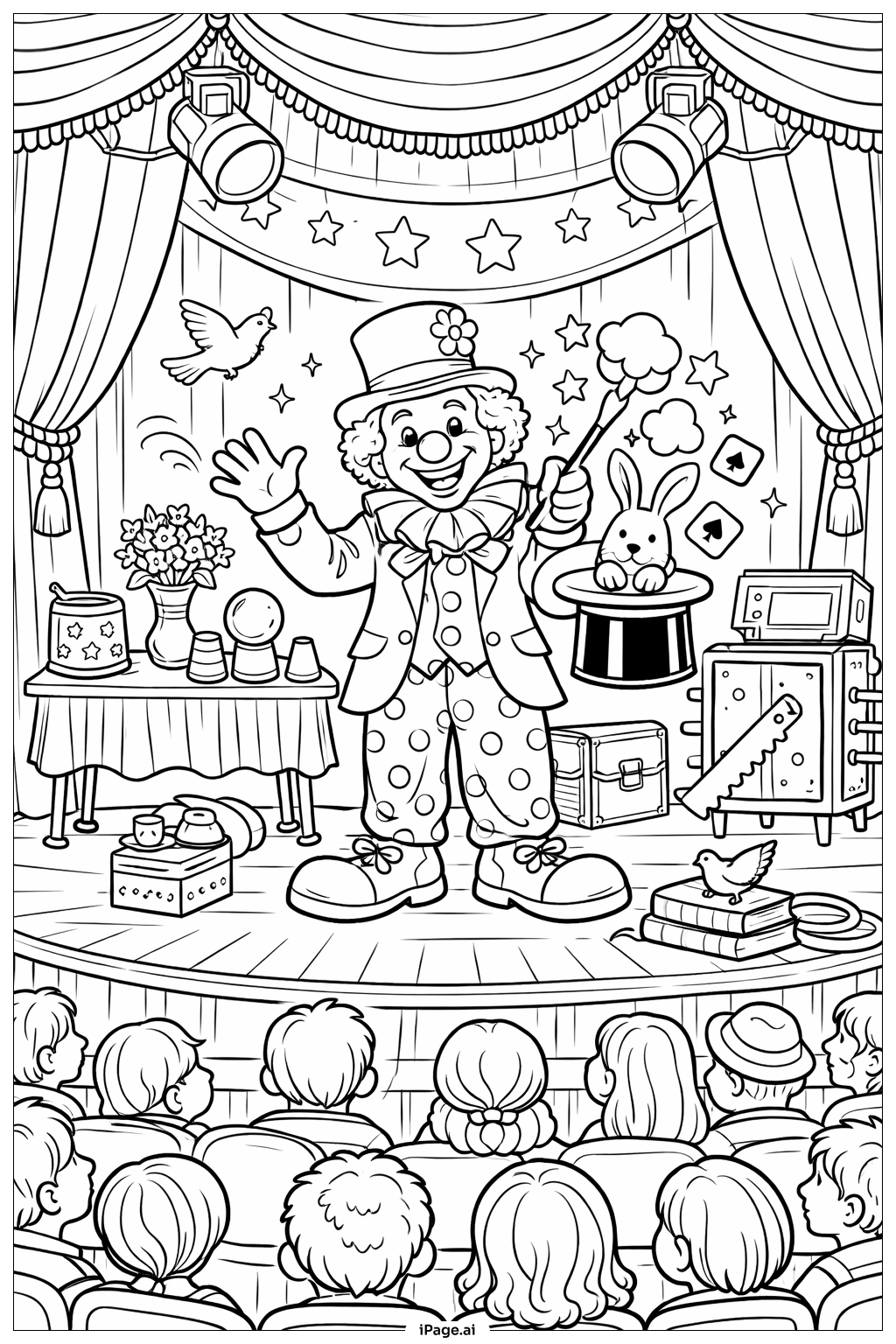
Coloring tips: How to color Clown Magic Show Stage coloring page well?
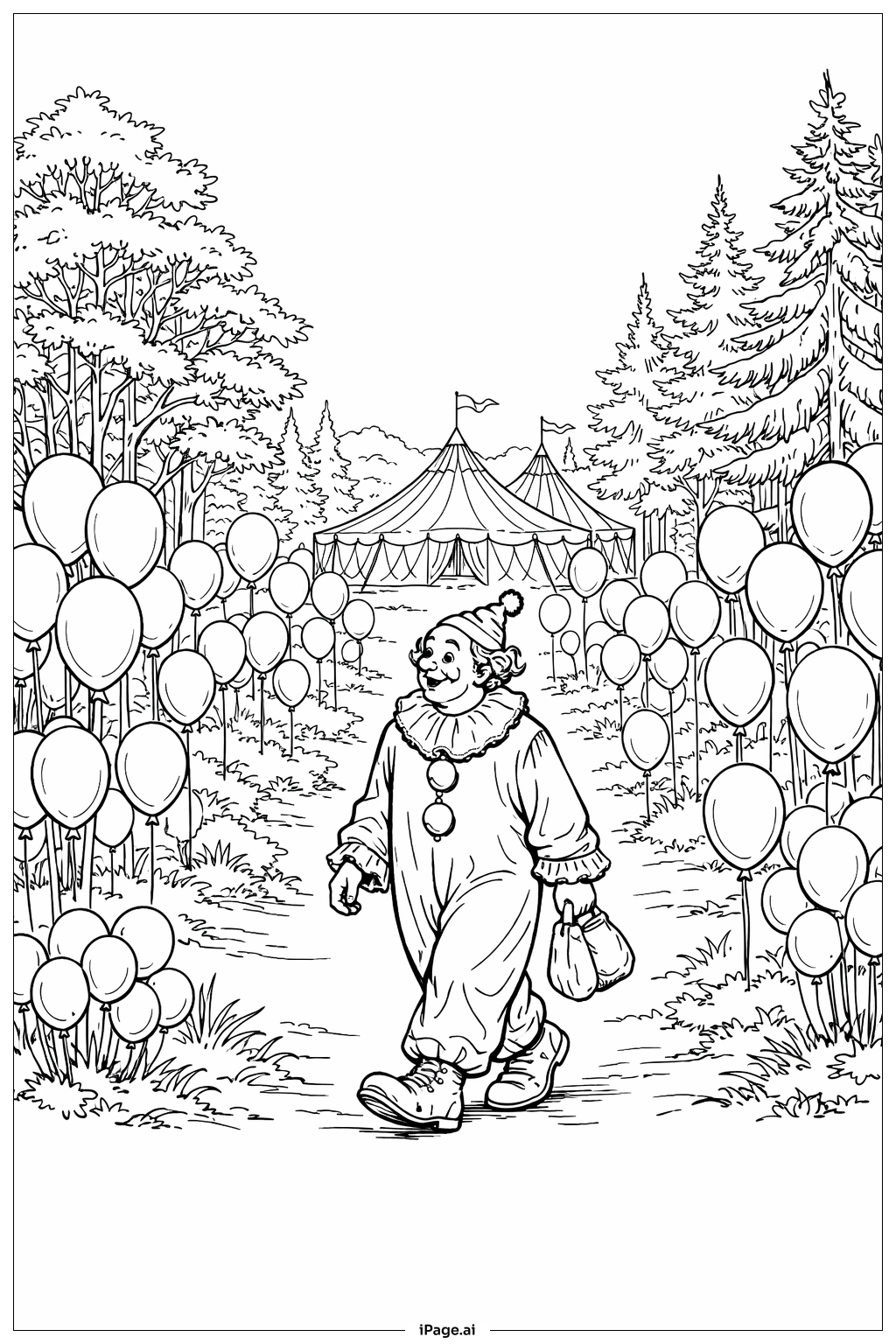
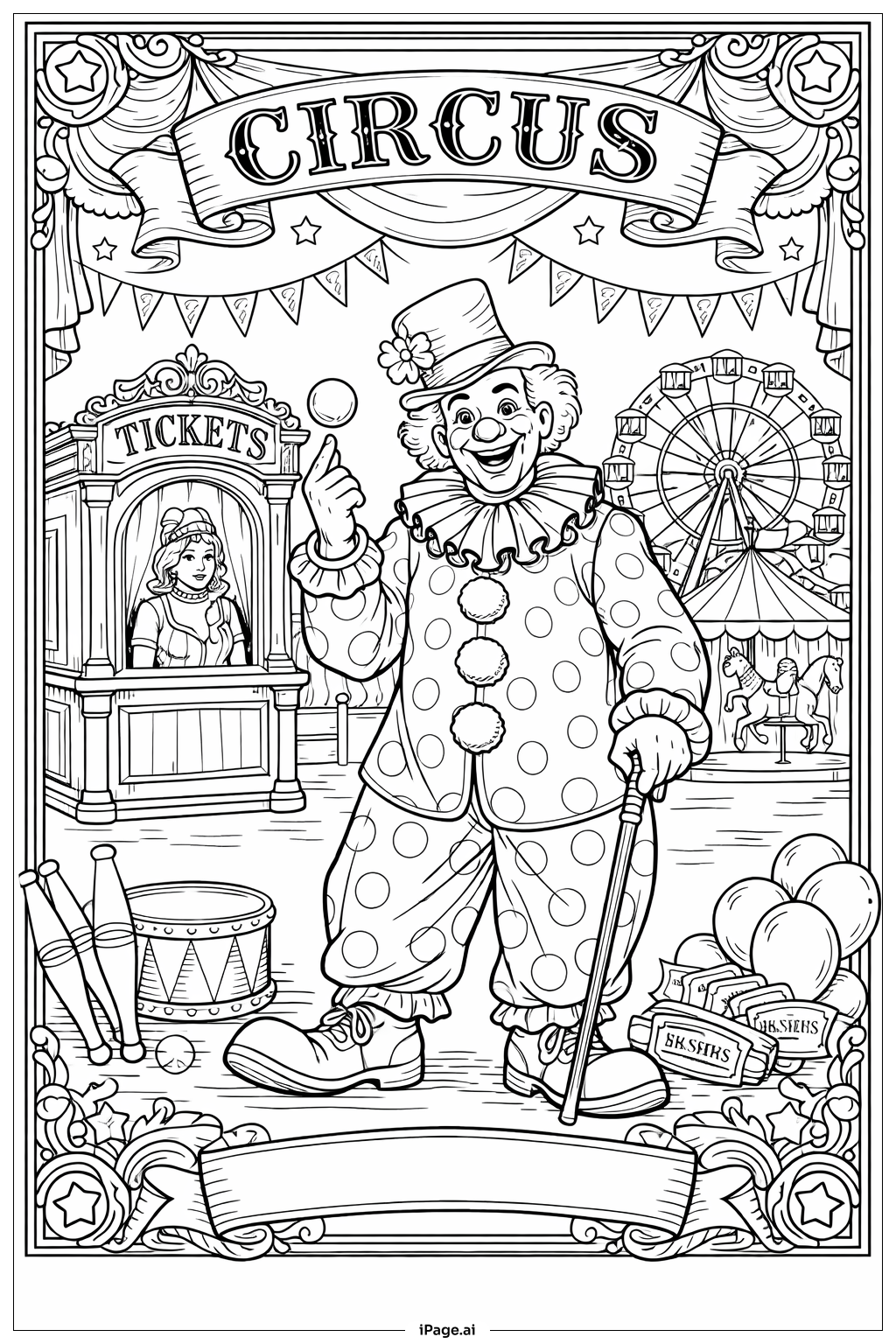
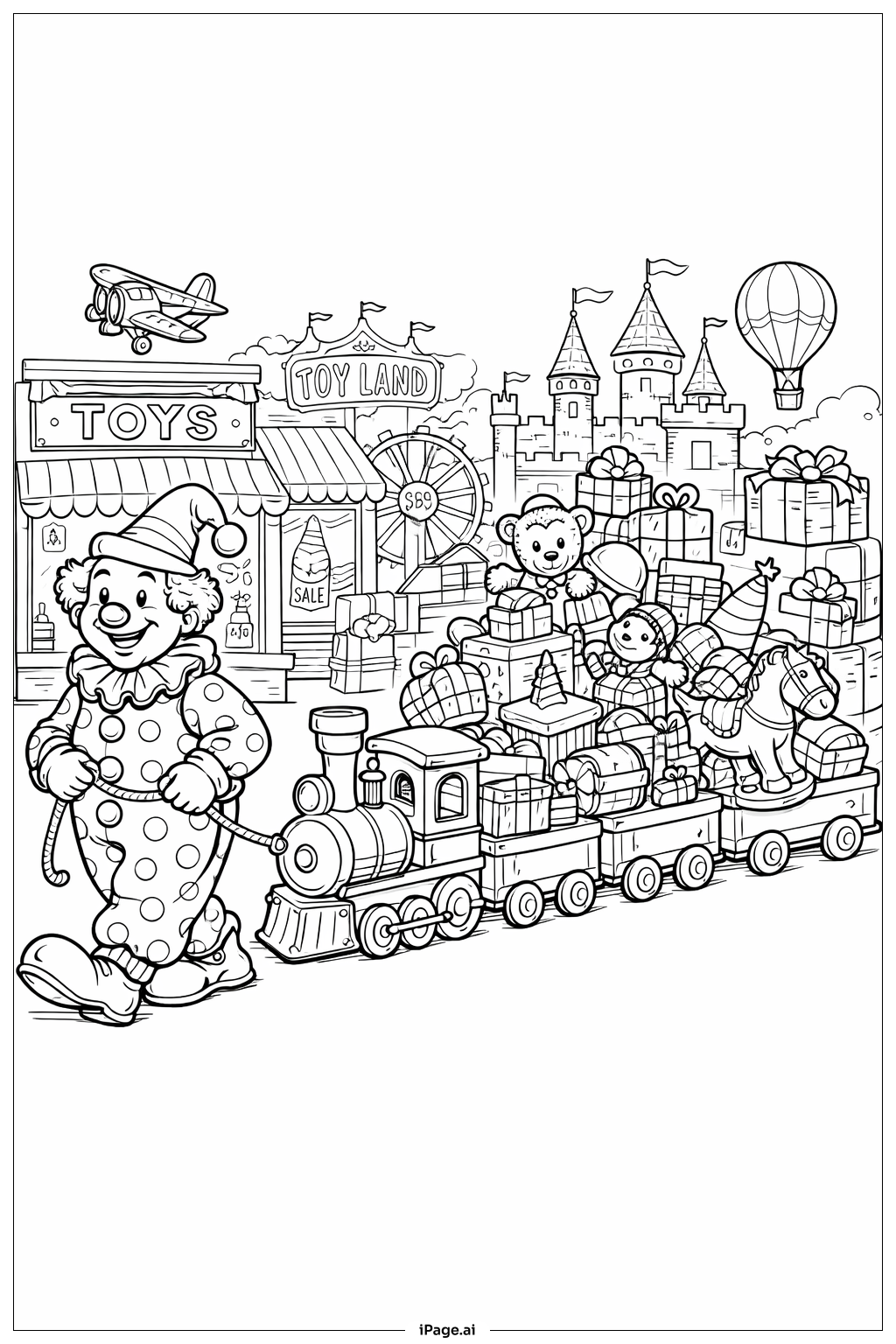
Start with the clown's face. Use a light peach or white base, then add rosy red cheeks and a big red nose. Color the eyes with bright blues or greens to make them pop. For the costume, go bold and playful. Mix bright primary colors like red, yellow, and blue for the ruffled collar, baggy pants, and oversized buttons. Use contrasting colors for each stripe or polka dot pattern on the clothes. Color the stage curtains a deep red or purple to give a classic theater feel. Add golden yellows to the spotlight and stars on the backdrop. The magic table can be dark brown or black. Use bright, vivid shades for the balloons, playing cards, and the rabbit. Do not be afraid to mix unexpected colors. This is a magical scene, so the more colorful and joyful, the better. Kids can also add their own creative touches like glitter effects or rainbow gradients.
Coloring challenges: Which parts are difficult to color and need attention for Clown Magic Show Stage coloring page?
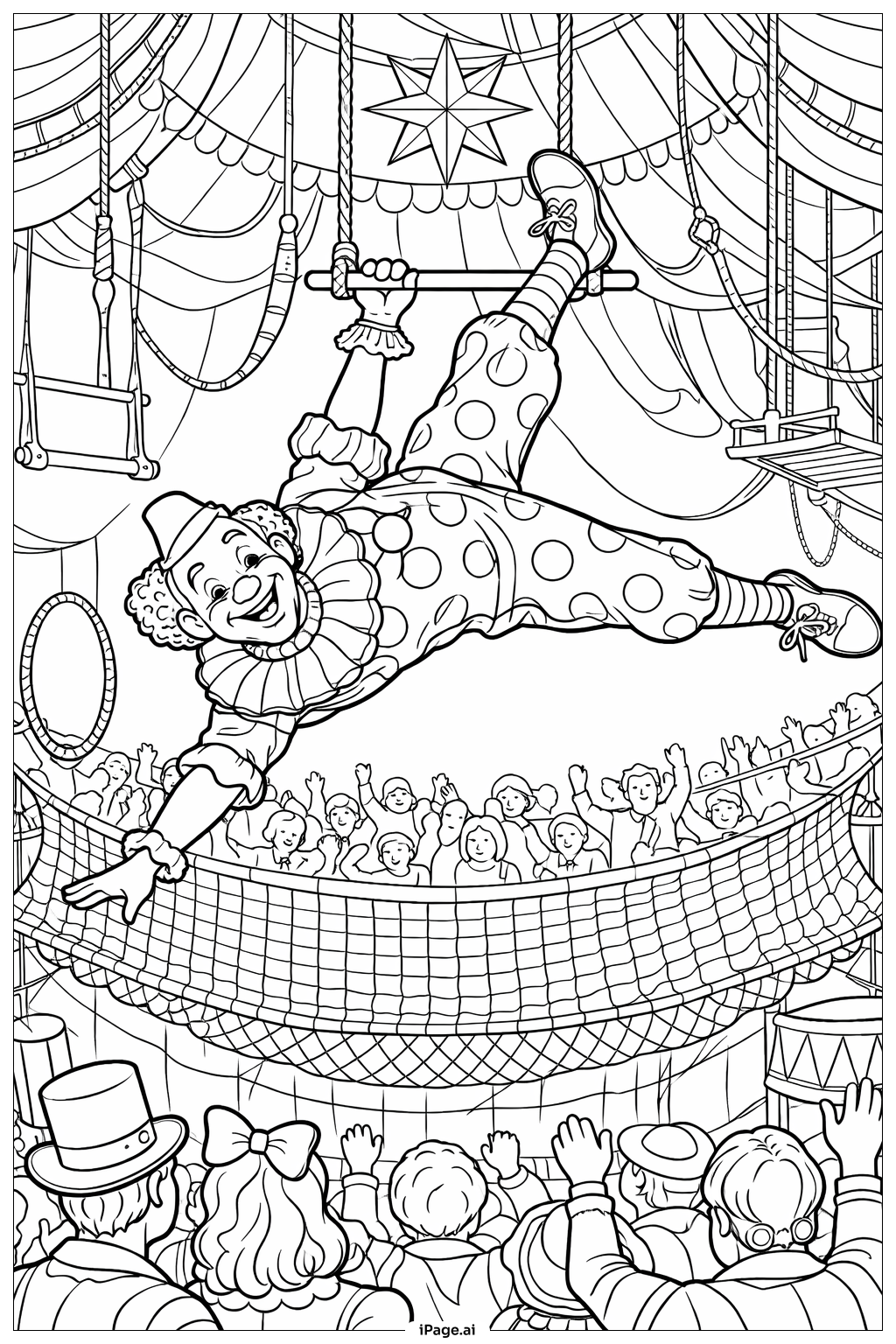
• Clown Costume Patterns: The clown's outfit is filled with small details like polka dots, stripes, and star shapes. Keeping each pattern element neatly colored within its boundary can be tricky, especially for younger children. Take your time and use a fine-tipped tool for the smallest shapes.
• Ruffled Collar and Cuffs: The layered ruffles around the neck and wrists have many overlapping curves and folds. It can be hard to decide where one layer ends and another begins. Try using slightly different shades of the same color to show depth and separation between each ruffle layer.
• Stage Lighting and Shadows: The spotlight creates areas of bright light and darker shadow across the stage floor and background. Blending colors smoothly to show this lighting effect takes patience and skill. Using lighter pencil pressure in bright areas and heavier pressure in shadowed spots can help achieve this look.
• Small Prop Details: Items like playing cards, the magic wand, the top hat, and the rabbit each have their own small features and markings. Coloring these tiny details without smudging nearby areas requires a steady hand and careful attention. Working slowly and finishing one prop at a time is a helpful strategy.
• Stage Curtains and Background Depth: The large draped curtains and star-filled backdrop need careful shading to look full and dimensional. Flat coloring can make them look dull. Gradually shifting from a darker shade at the edges to a lighter shade in the center helps create a realistic, dramatic curtain effect.
Benefits of coloring books: Advantages of drawing Clown Magic Show Stage coloring page
Coloring this Clown Magic Show Stage page offers a wide range of wonderful benefits for children and young artists. The lively circus theme sparks imagination and encourages creative thinking as kids choose colors for costumes, stage lights, and magical props. Deciding how to color a spotlight or a ruffled collar helps develop problem-solving skills in a fun and stress-free way. The many small details in this image, like tiny buttons, polka dots, and playing cards, are excellent for building fine motor skills and improving hand-eye coordination. Carefully staying within the lines of each small shape helps young children practice pencil control and focus. The variety of textures and patterns on the clown's costume also introduces kids to the concept of color contrast and visual balance. Working through a detailed scene like this builds patience and the ability to concentrate for longer periods. Completing the full page gives a strong sense of achievement and boosts self-confidence. The cheerful and magical subject matter also lifts mood and reduces stress, making coloring a relaxing and joyful activity. Overall, this page makes learning through art both engaging and rewarding.