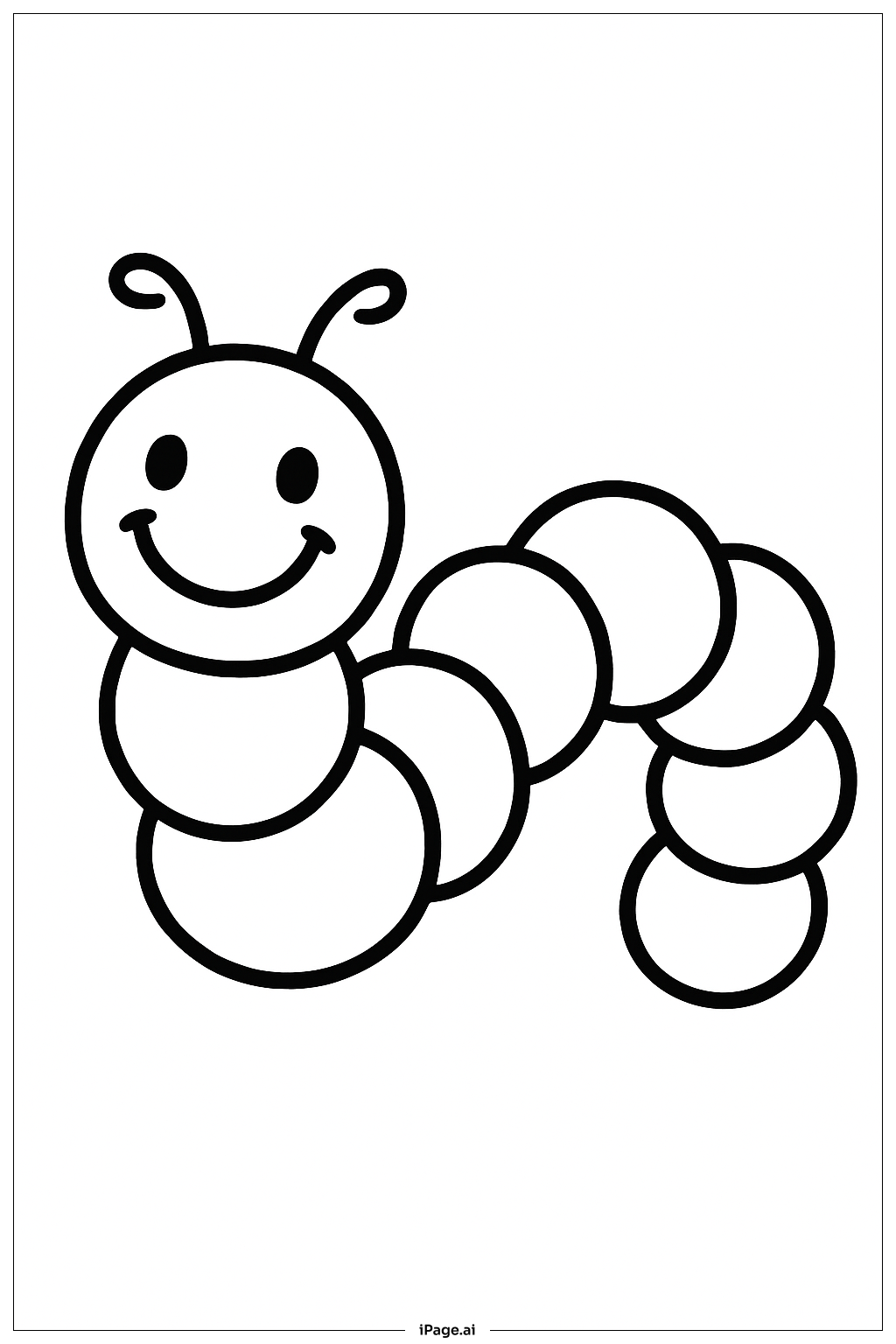
Coloring tips: How to color Happy Caterpillar Wiggle coloring page well?
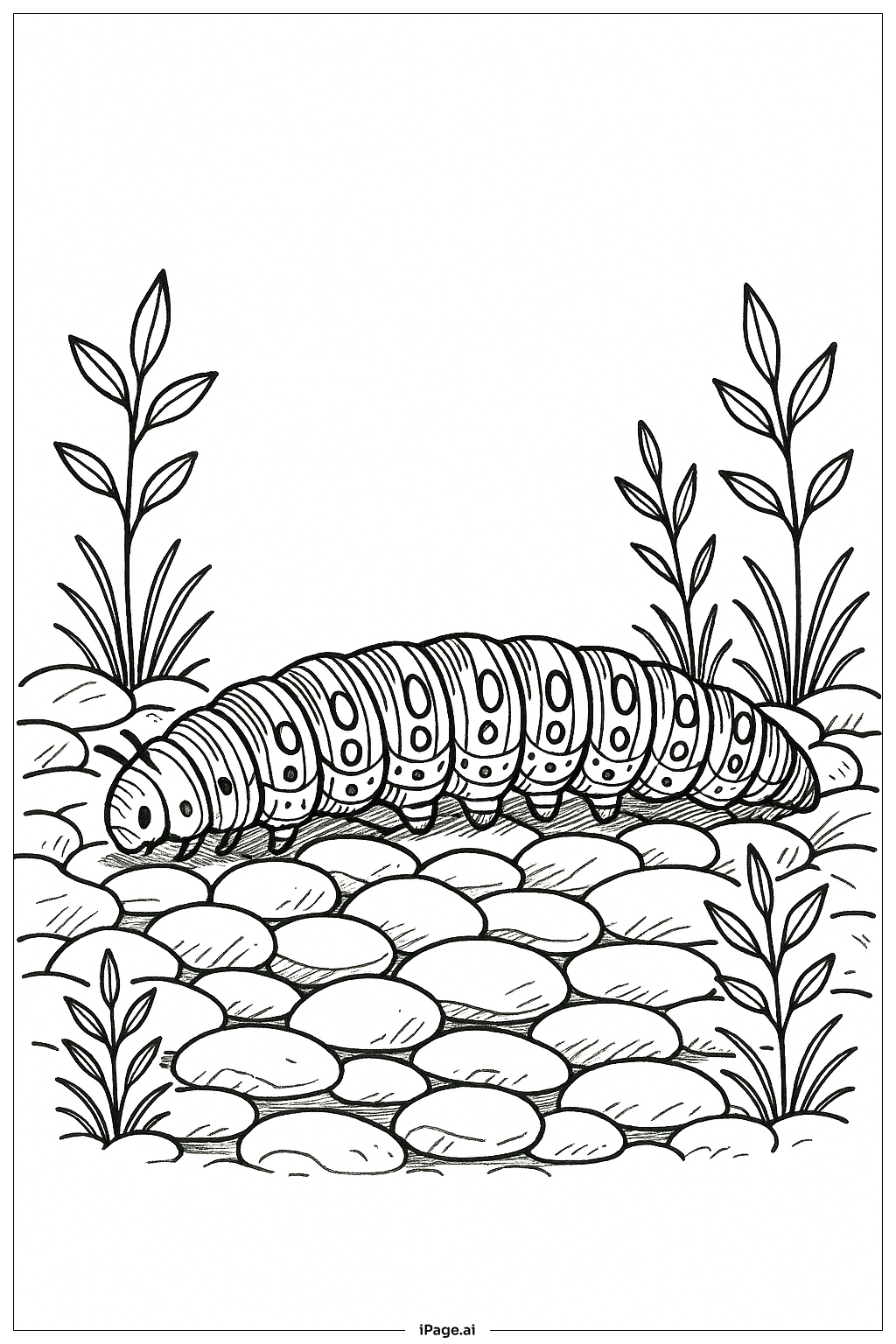
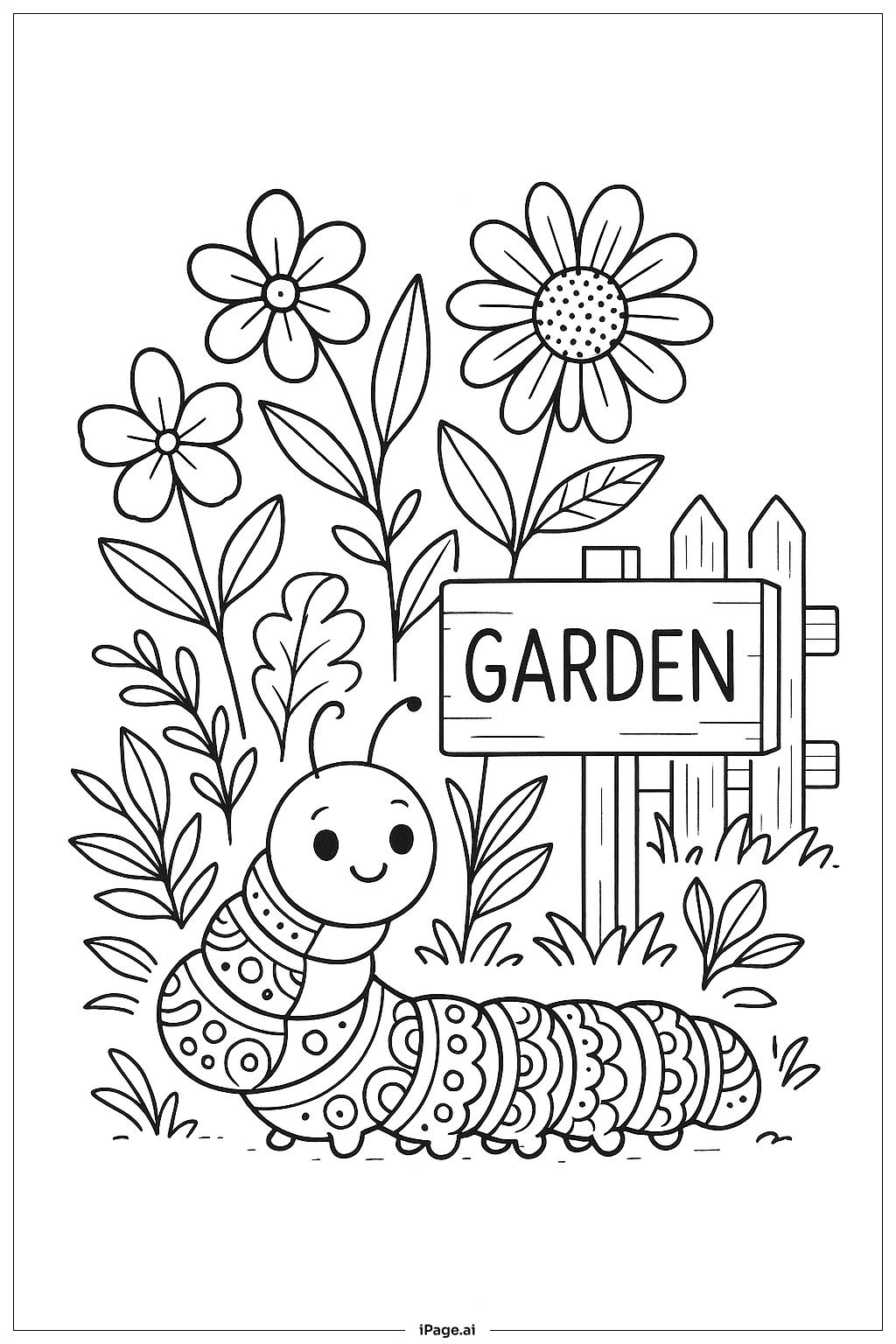
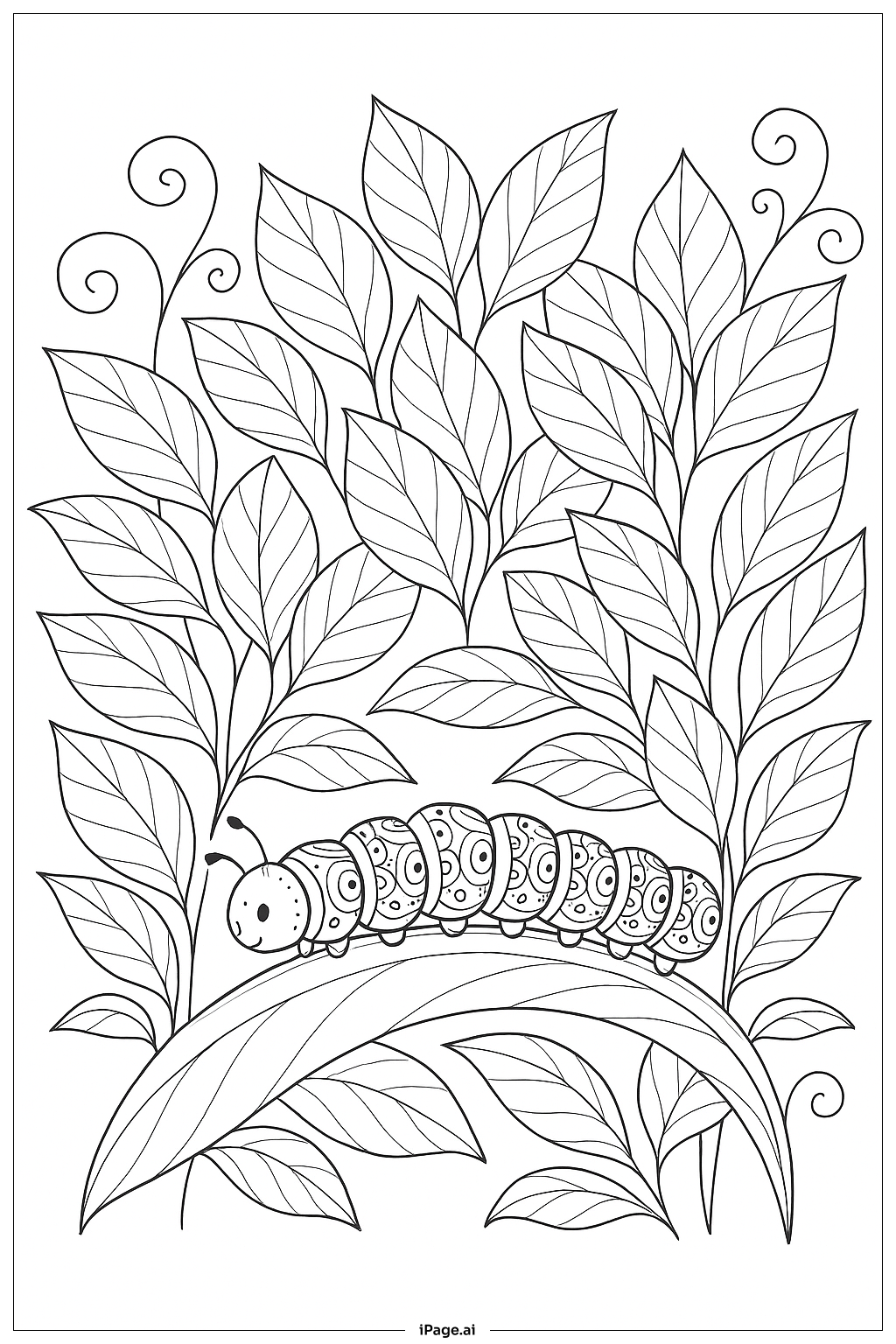
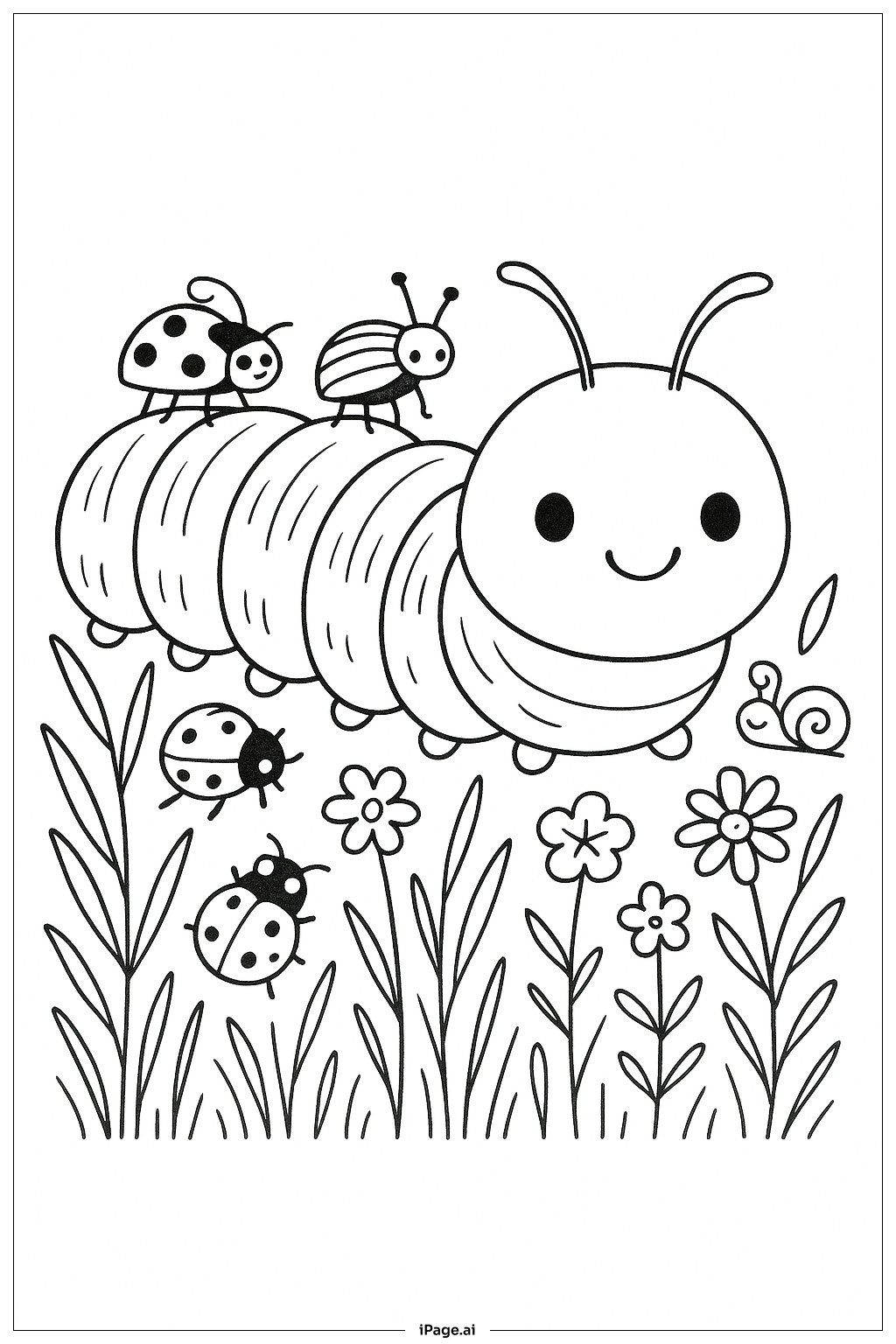
Start with the caterpillar's face by choosing bright, happy colors like yellow or light green for the head. Make the smile stand out with red or pink. For the body segments, try creating a rainbow pattern by alternating colors like green, blue, purple, orange, and yellow along the length. This gives the caterpillar a vibrant, playful look. Consider using lighter shades in the center of each segment and darker tones around the edges to add dimension. The antennae can be colored in a contrasting color like brown or dark green. For the tiny feet, brown or black works well. If you want to add a background, try soft blues for sky or various shades of green for grass. Using colored pencils allows for smooth blending between segments, while markers create bold, striking colors perfect for this cheerful character.
Coloring challenges: Which parts are difficult to color and need attention for Happy Caterpillar Wiggle coloring page?
• Segment Consistency: The caterpillar has multiple body segments that need to be colored consistently or in a deliberate pattern. Children may find it challenging to maintain uniform color intensity across all segments or to remember their chosen color sequence if creating a pattern. This requires planning ahead and careful execution to ensure each segment looks balanced and intentional.
• Staying Within the Lines: The curved, wiggling shape of the caterpillar creates numerous rounded edges and boundaries between segments. Younger children may struggle to keep their coloring tools within these curved lines, especially where segments connect. The continuous flow of the body requires steady hand control and patience to avoid coloring outside the boundaries.
• Creating Visual Depth: To make the caterpillar appear three-dimensional rather than flat, colorists need to understand shading techniques. Adding darker tones on one side of each segment and lighter tones on the other creates a rounded effect. This concept of light source and shadow may be difficult for younger children to grasp and execute properly.
• Small Detail Areas: The facial features, antennae, and tiny feet contain smaller spaces that require more precision. Using markers or thick crayons in these areas can be challenging, and children may accidentally color over important detail lines or struggle to fill these small spaces neatly without going outside the lines.
Benefits of coloring books: Advantages of drawing Happy Caterpillar Wiggle coloring page
Coloring this happy caterpillar offers wonderful developmental benefits for children. It helps improve fine motor skills and hand-eye coordination as they carefully color within the curved segments and small details. The repetitive nature of coloring multiple body segments builds focus and patience, teaching children to complete tasks methodically. Choosing colors for each segment encourages decision-making skills and creative expression, whether they opt for realistic greens and browns or imaginative rainbow patterns. The cheerful subject matter promotes positive emotions and can spark conversations about nature, insects, and transformation. This page also introduces basic concepts of patterns and sequences if children choose to create repeating color arrangements. The varying sizes of spaces from large segments to tiny feet accommodate different skill levels, making it accessible yet challenging enough to maintain engagement and build confidence as children see their colorful creation come to life.