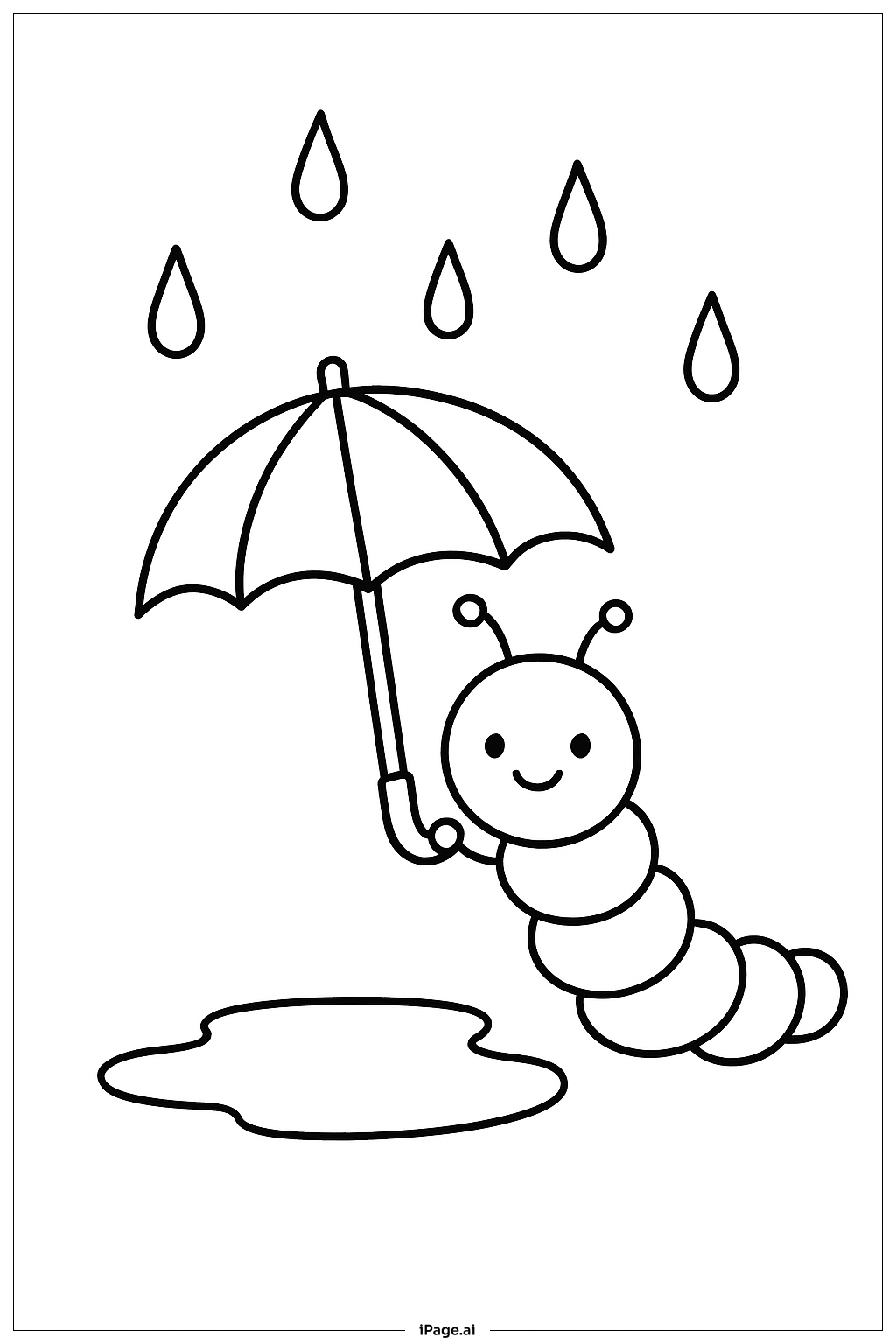
Coloring tips: How to color Caterpillar With Rain Drops coloring page well?
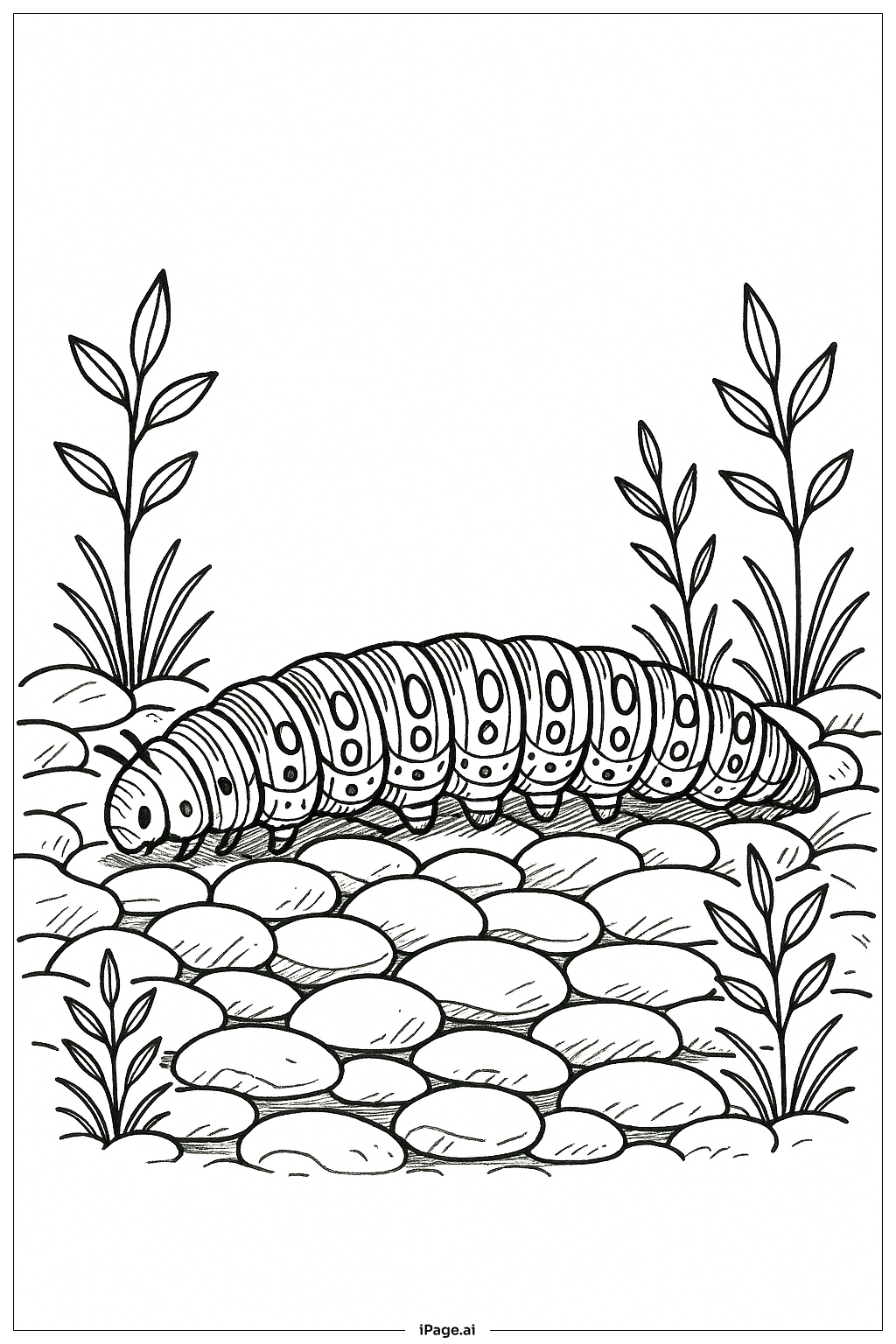
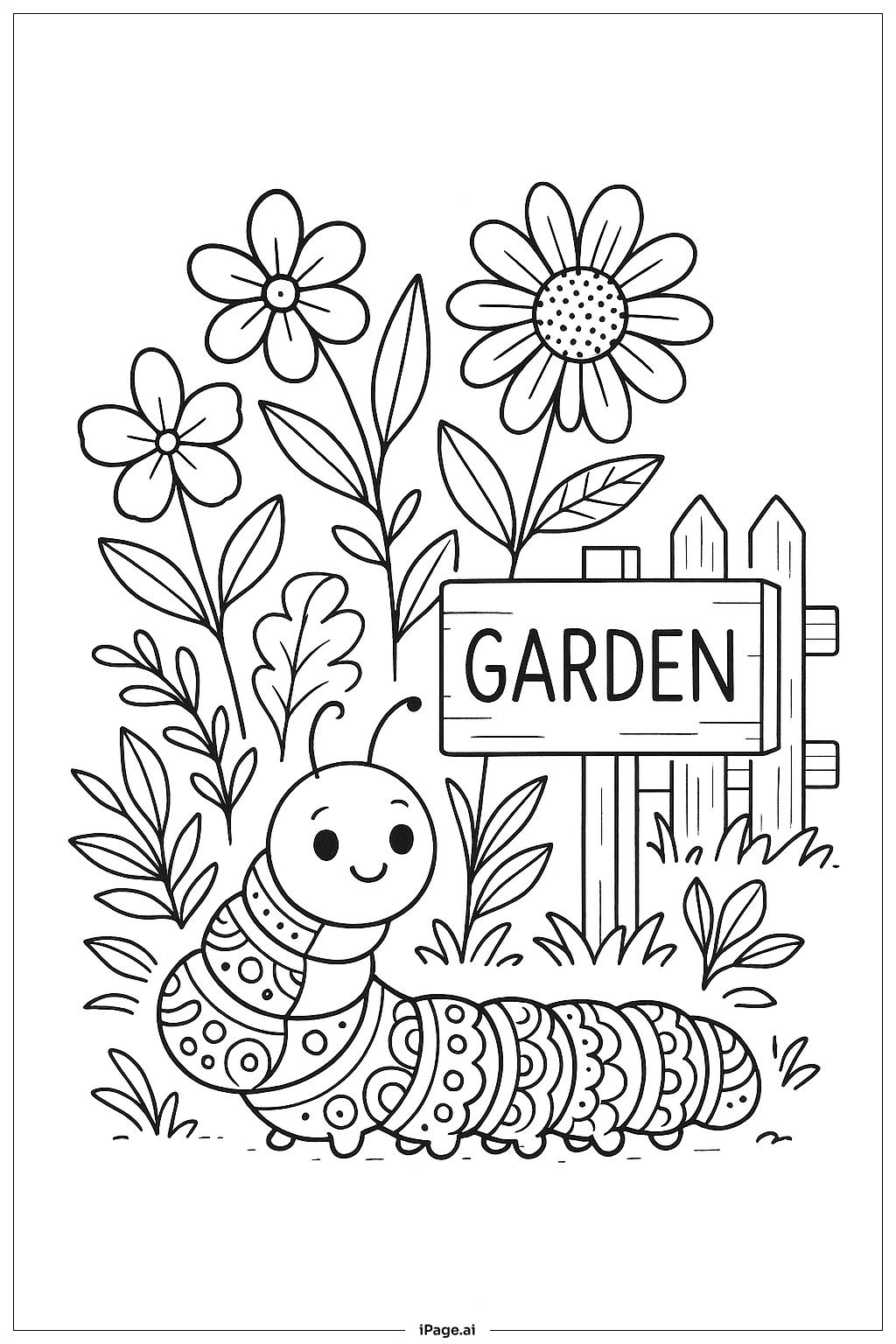
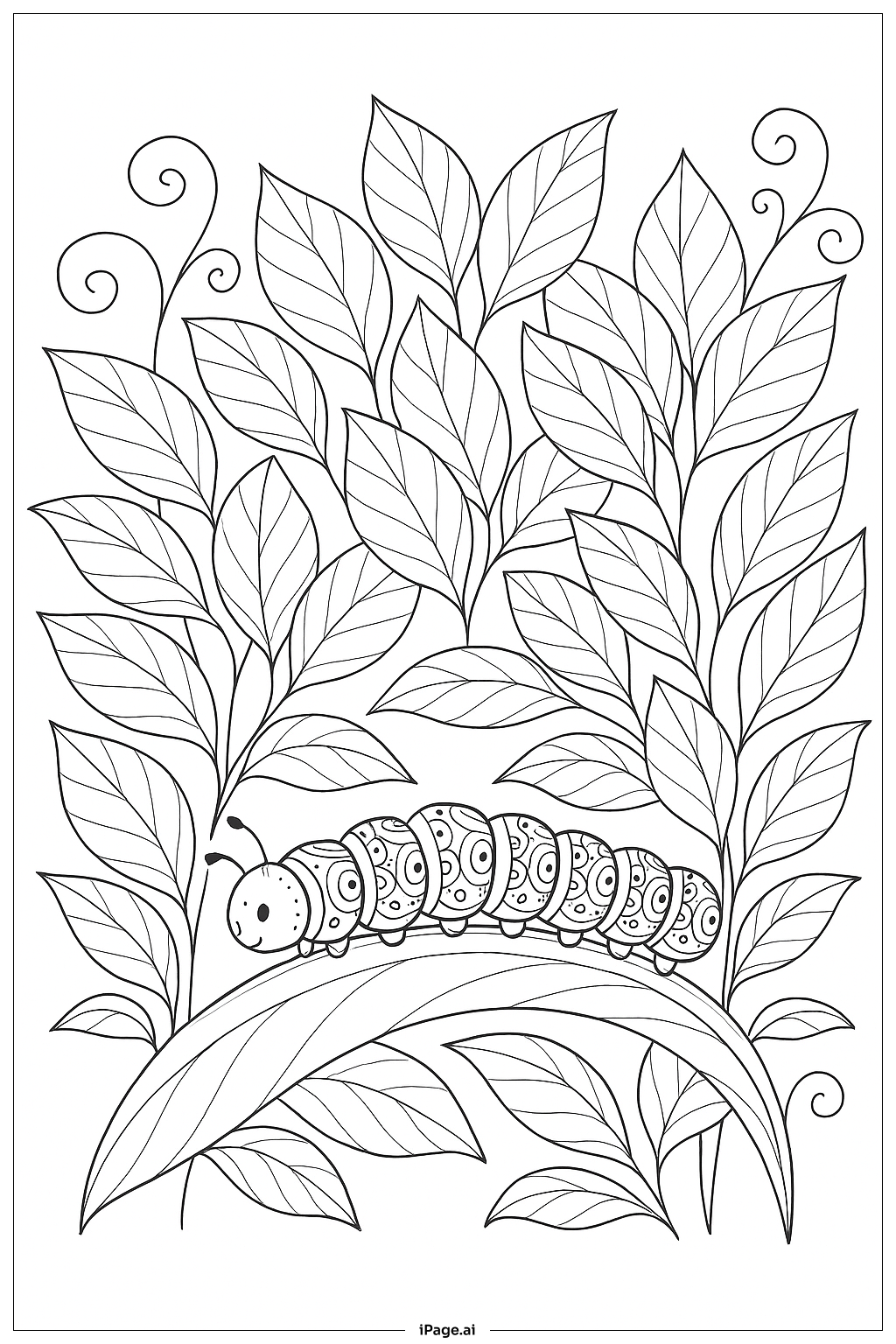
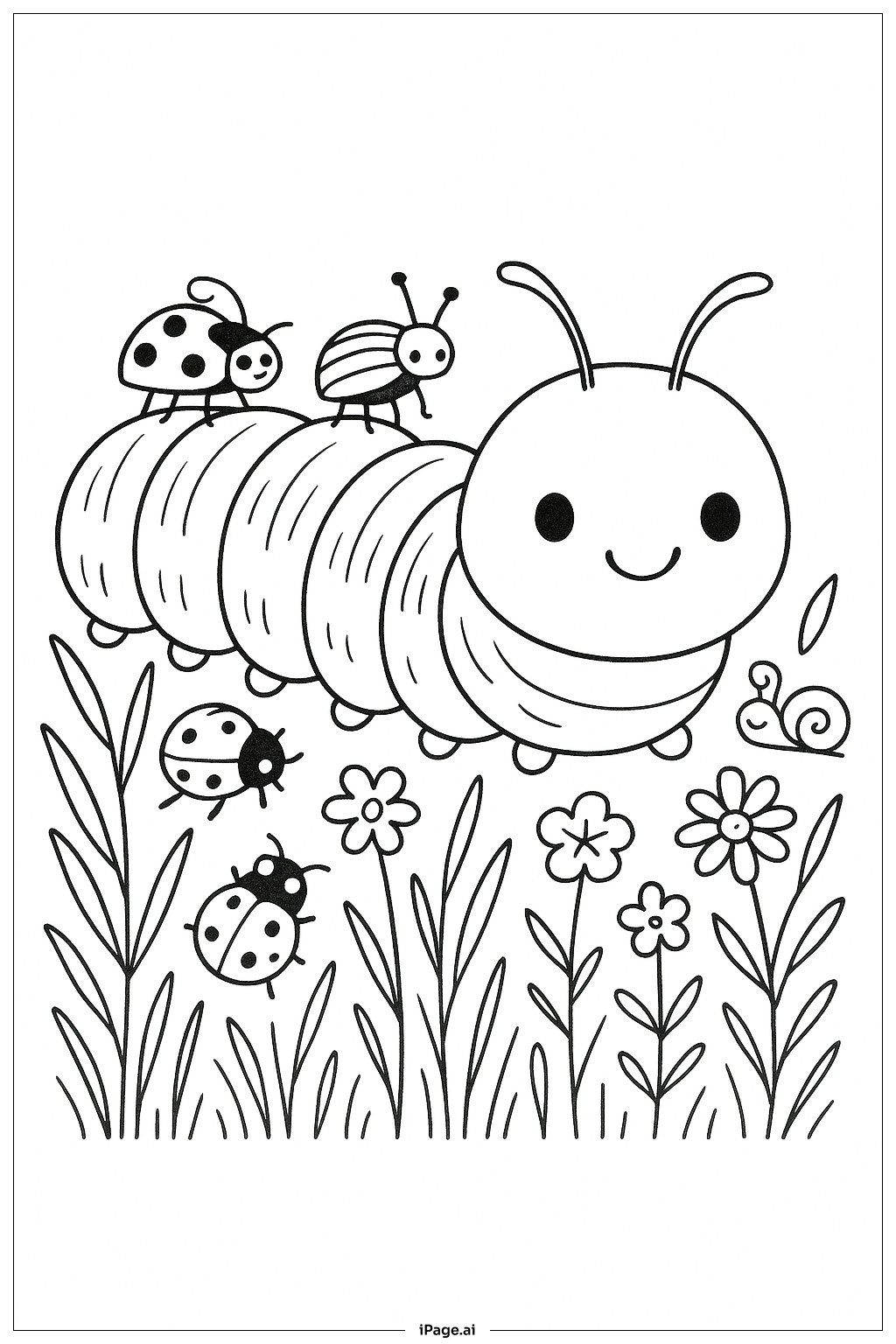
Start with the caterpillar's body. Use shades of green like lime or bright green for a classic look. You can also try yellow-green or even a fun pattern with alternating colors on each body segment to make it pop. Use a darker green or brown for the tiny legs and outline details. For the rain drops, light blue or pale sky blue works beautifully. Leave small white highlights inside each drop to make them look shiny and wet. The leaf can be colored in medium or dark green, with slightly lighter shading along the veins. Try pressing lightly for soft areas and harder for deeper shadows. Use yellow or light brown for the curled leaf edges to show they are drying out. If you want a rainy-day mood, use cool blues and grays in the background. For a sunny feel, try warm yellows and soft greens. There is no wrong choice — let your imagination lead the way and have fun exploring different color combinations!
Coloring challenges: Which parts are difficult to color and need attention for Caterpillar With Rain Drops coloring page?
• Caterpillar Body Segments: The caterpillar is made up of many rounded, connected segments. Keeping each section neatly colored without going over the outlines can be tricky, especially where the segments curve and overlap. Take your time with each section and use a fine-tipped tool for the edges before filling in the middle.\n\n• Rain Drop Shading: Rain drops look best when they appear clear and glossy, but achieving that effect takes careful layering. You need to leave tiny white spots uncolored or use very light pressure in certain areas to simulate the way light passes through water. Blending light blue into white smoothly is a skill that takes practice.\n\n• Leaf Vein Details: The leaf beneath the caterpillar has thin, delicate veins running across its surface. Coloring around these fine lines without covering them completely requires a steady hand and a sharp coloring tool. Leaving the veins slightly lighter than the rest of the leaf adds a realistic, natural touch.\n\n• Tiny Legs and Facial Features: The caterpillar's small legs and its expressive face — including the eyes and smile — are very small areas to color. Using the tip of your colored pencil or a fine marker helps you stay inside the lines and add detail without making a mess.\n\n• Depth and Shadow on Curved Surfaces: Both the caterpillar's round body and the curved leaf edges have a three-dimensional shape. Adding subtle shading along the lower edges of each segment and under the rain drops helps create a sense of depth and makes the whole image feel more alive and realistic.
Benefits of coloring books: Advantages of drawing Caterpillar With Rain Drops coloring page
Coloring this caterpillar and rain drops scene brings a wide range of wonderful benefits for kids and adults alike. For younger children, carefully filling in each round body segment helps build fine motor skills and hand-eye coordination in a fun, pressure-free way. Choosing colors for the caterpillar, leaf, and water drops sparks creative thinking and encourages personal expression. There are no wrong answers — every color choice is a small creative decision that builds confidence. Focusing on the details of the image, like the tiny legs and shimmering drops, also trains attention and patience. These are skills that carry over into reading, writing, and everyday learning. For older kids and teens, the scene offers a relaxing artistic challenge. Practicing shading on curved surfaces and blending colors for the water drops builds real drawing and coloring techniques. The peaceful nature theme — a little caterpillar on a rainy day — also has a calming effect. Coloring scenes from nature is a great way to unwind, reduce stress, and reconnect with the simple beauty of the world around us. It is a quiet, joyful activity that anyone can enjoy.