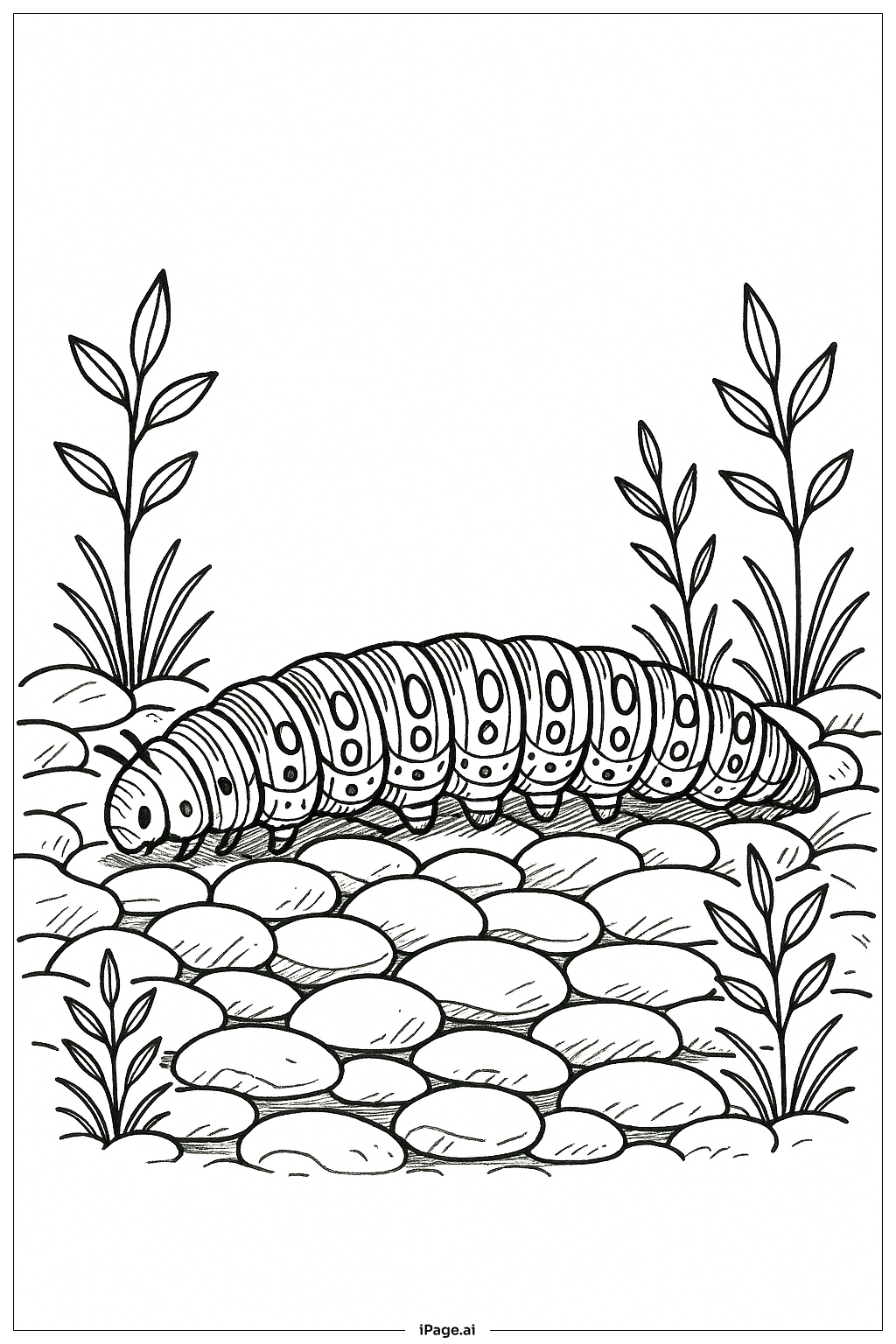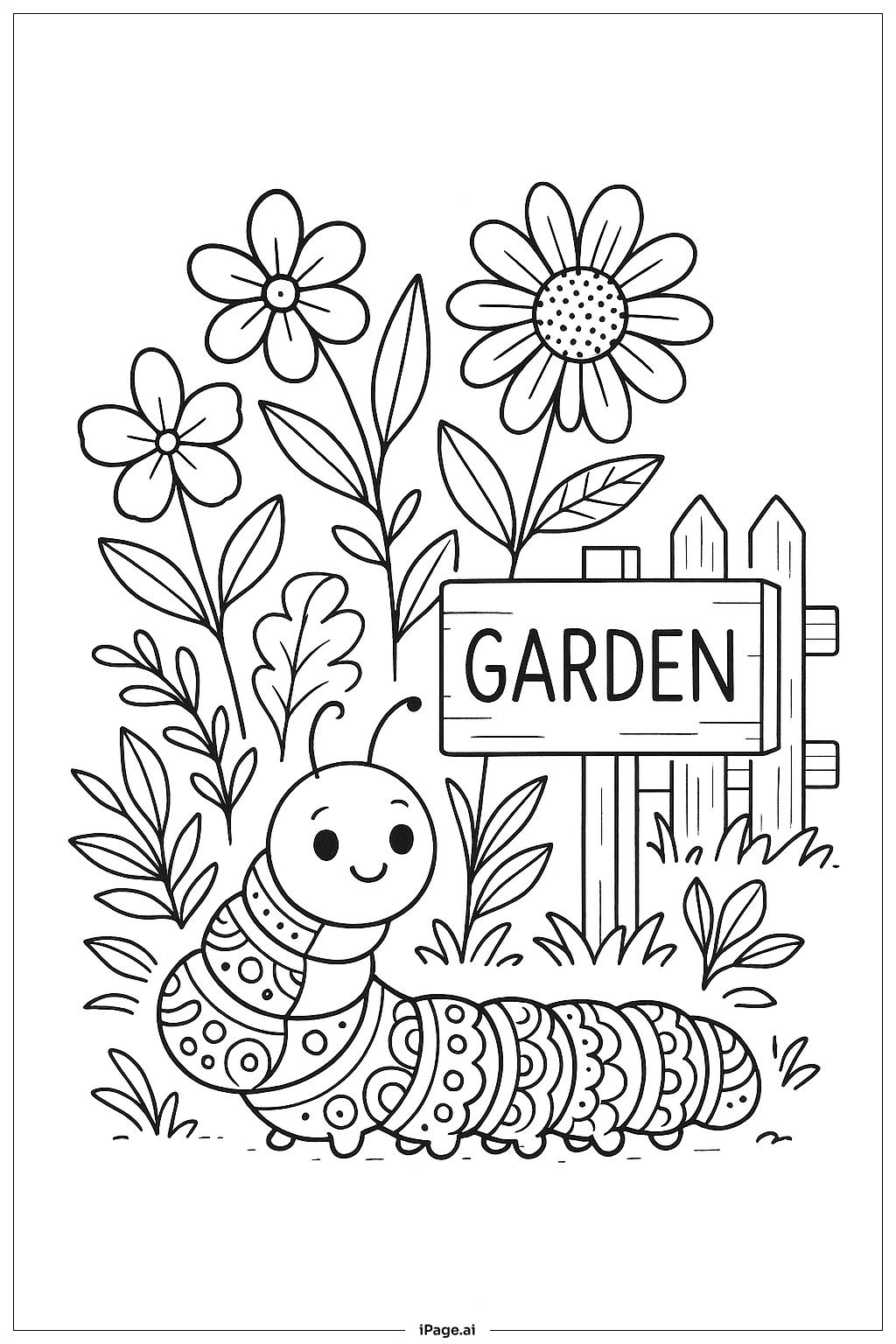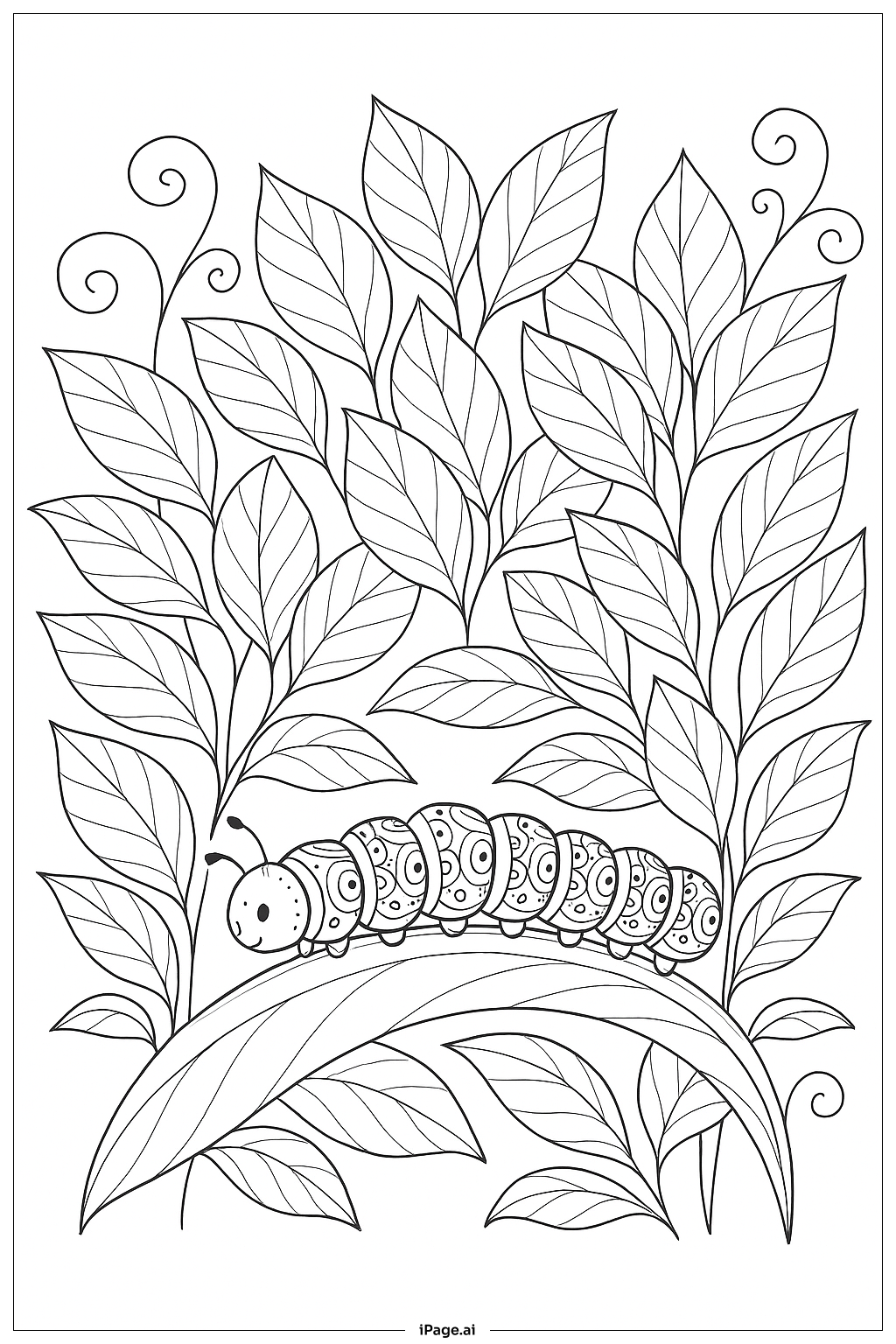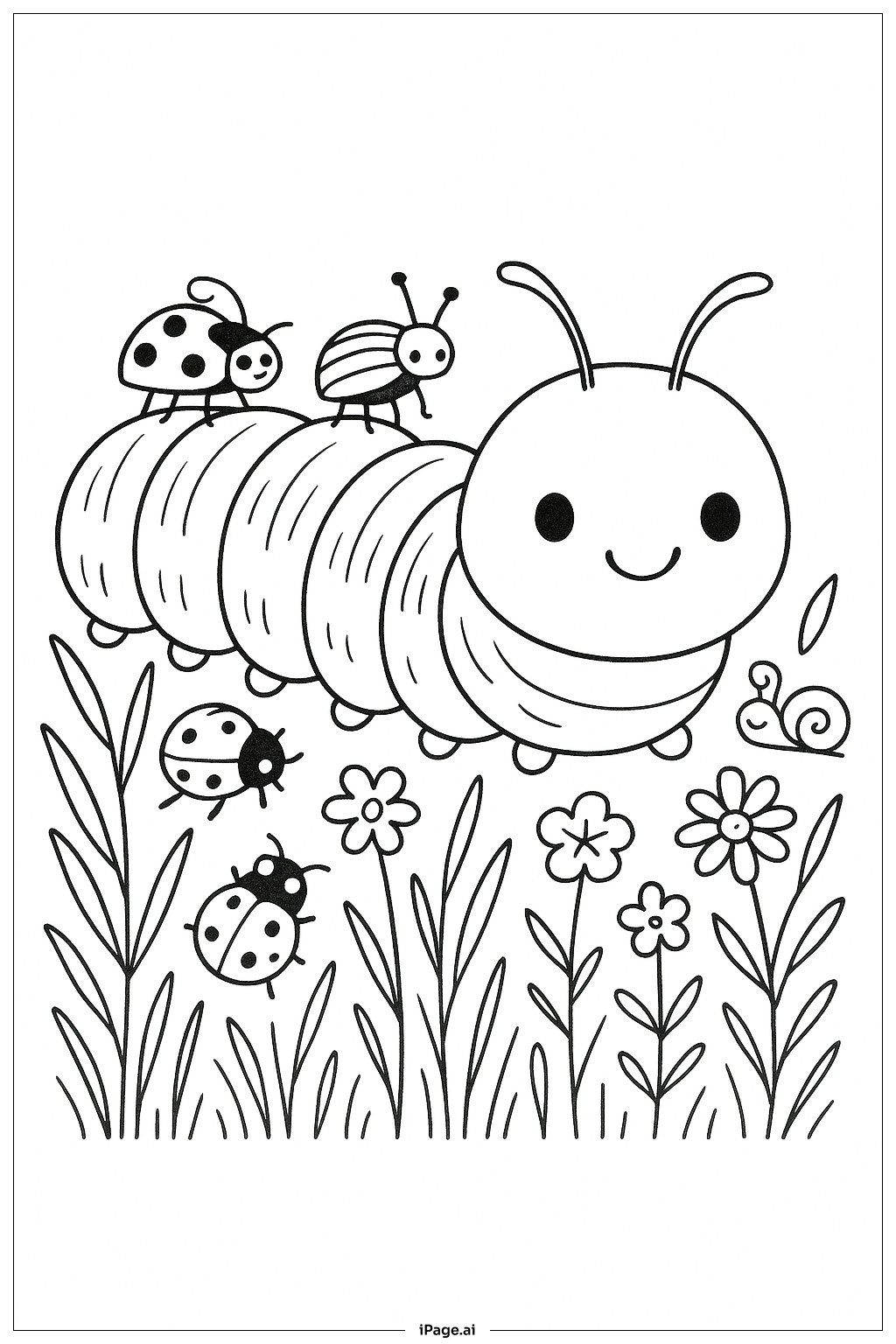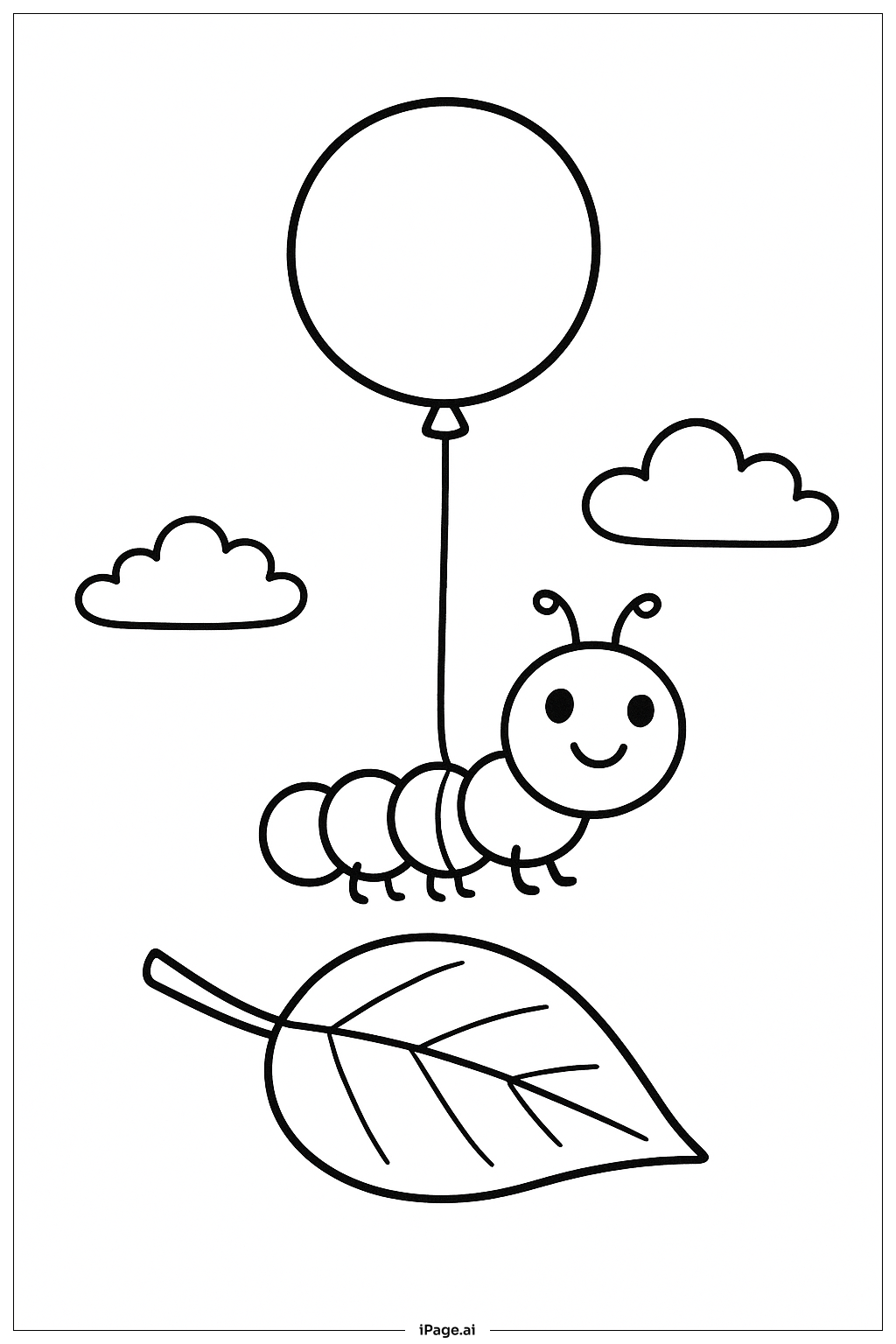
Coloring tips: How to color Caterpillar With Balloon coloring page well?
Start with the caterpillar's body. Use different colors for each round segment to make it look fun and lively. Try green, yellow, orange, and blue going one after another. For the face, use a light peach or soft yellow, and color the eyes with bright colors like blue or brown. The antennae can be a darker shade of the body color. For the balloon, pick one bold color like red, pink, or purple to make it stand out. Add a slightly lighter shade on one side to show a shiny glow. Use a thin gray or brown line for the string. Color the leaves in shades of green and the flowers in bright, happy colors. Keep the background light, such as a soft blue or pale yellow, so the caterpillar remains the star of the page. Use colored pencils for fine details and crayons or markers for larger areas.
Coloring challenges: Which parts are difficult to color and need attention for Caterpillar With Balloon coloring page?
• Segmented Body Consistency: The caterpillar's body is made up of multiple round sections placed closely together. Keeping each segment neatly colored without letting colors bleed into the next section can be tricky, especially for younger colorists. Using a fine-tipped tool to outline each segment first can help keep the colors cleanly separated.
• Facial Details: The caterpillar's face includes small features like eyes, a smile, and tiny antennae. These areas are quite small and require steady hands and a sharp pencil or thin marker. Rushing through this part may cause colors to go outside the lines and make the expression look messy.
• Balloon Shading: To make the balloon look round and shiny, colorists need to apply color more lightly on one side and darker on the other. This blending technique can be challenging for beginners who are not yet familiar with gradients or layering colors.
• String and Fine Lines: The thin string connecting the balloon to the caterpillar is a very narrow element. Coloring it precisely without covering the surrounding areas takes patience and a well-sharpened pencil. A fine liner or the tip of a colored pencil works best here.
• Background Balance: The leaves and flowers in the background need to be colored in a way that supports the main subject without overpowering it. Choosing colors that are softer or less saturated than the caterpillar and balloon helps maintain the right visual balance across the whole page.
Benefits of coloring books: Advantages of drawing Caterpillar With Balloon coloring page
Coloring this cheerful caterpillar scene brings a wide range of benefits for children and beginners alike. Working through the caterpillar's many body segments helps build patience and focus, as each section requires careful attention to stay within the lines. This kind of repeated, mindful activity is great for calming the mind and reducing stress.
Choosing colors for each segment encourages creative thinking. Kids get to experiment with color combinations and develop their own sense of style. Deciding how to color the balloon, leaves, and flowers sparks imagination and boosts confidence in their creative choices.
The fine details in the face and string help improve hand-eye coordination and fine motor skills. These are important skills that support writing, drawing, and other everyday tasks. Younger children especially benefit from practicing precision in a low-pressure, enjoyable setting.
The nature-inspired setting, with its leaves and flowers, gently introduces children to the natural world and the life of insects like caterpillars. This can spark curiosity and lead to fun conversations about science and nature.
Overall, this image offers a joyful and rewarding coloring experience that nurtures creativity, builds focus, and brings a sense of accomplishment when the page is complete.