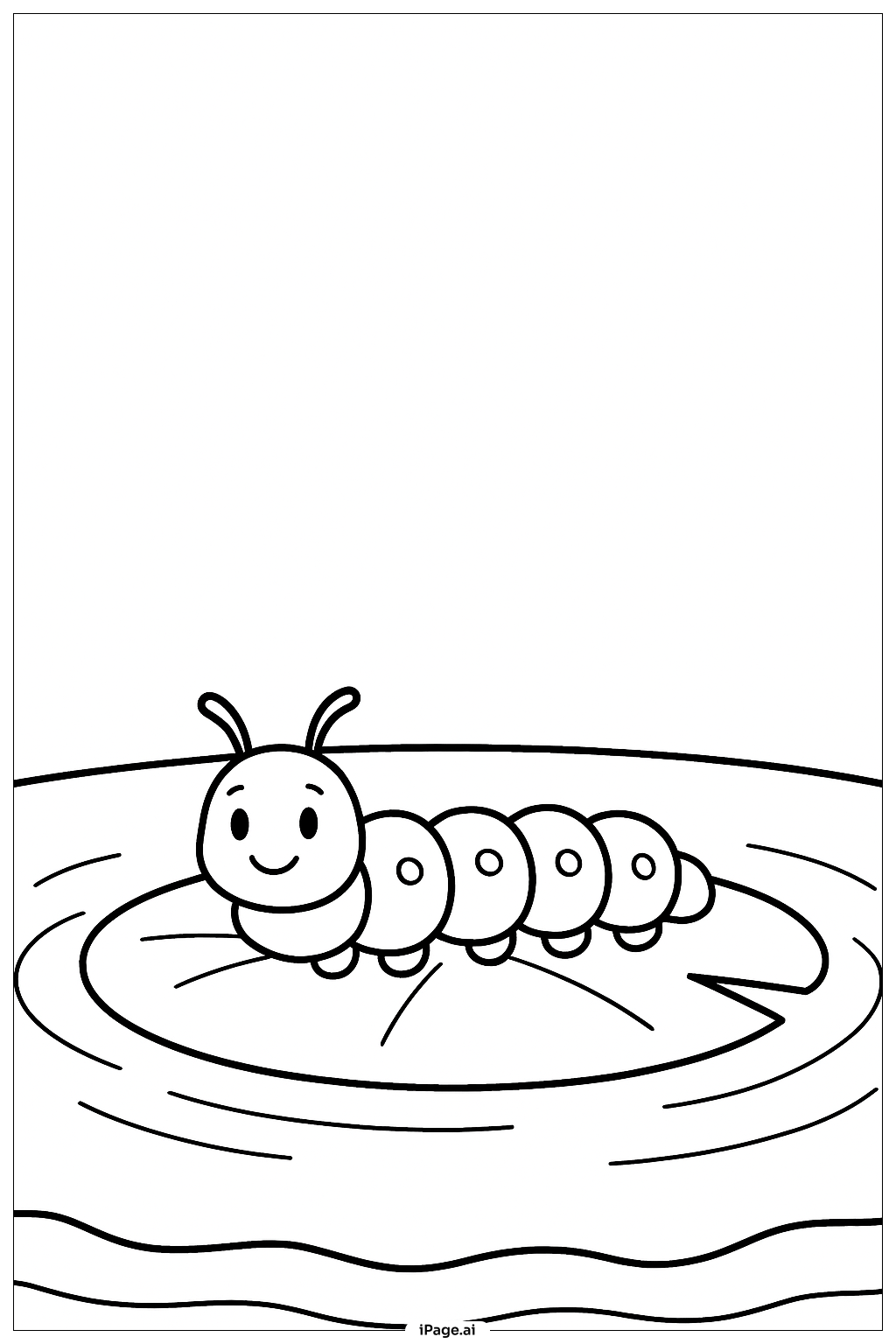
Coloring tips: How to color Caterpillar On Water Lily coloring page well?
Start with the caterpillar using bright, cheerful colors like green, yellow, or even rainbow patterns along its segmented body. Color each segment alternating shades to create a striped effect. The water lily pad can be various shades of green, from lime to forest green, with darker tones along the veins and edges. Use pink, white, yellow, or purple for the water lily flowers, shading from lighter centers to deeper petal tips. The water can be colored in blues ranging from sky blue to teal, with lighter highlights where ripples appear. Add depth by using darker blues or even purples in shadowed areas. Consider adding small touches of brown or darker green to show natural weathering on the lily pads, making the scene more realistic and engaging.
Coloring challenges: Which parts are difficult to color and need attention for Caterpillar On Water Lily coloring page?
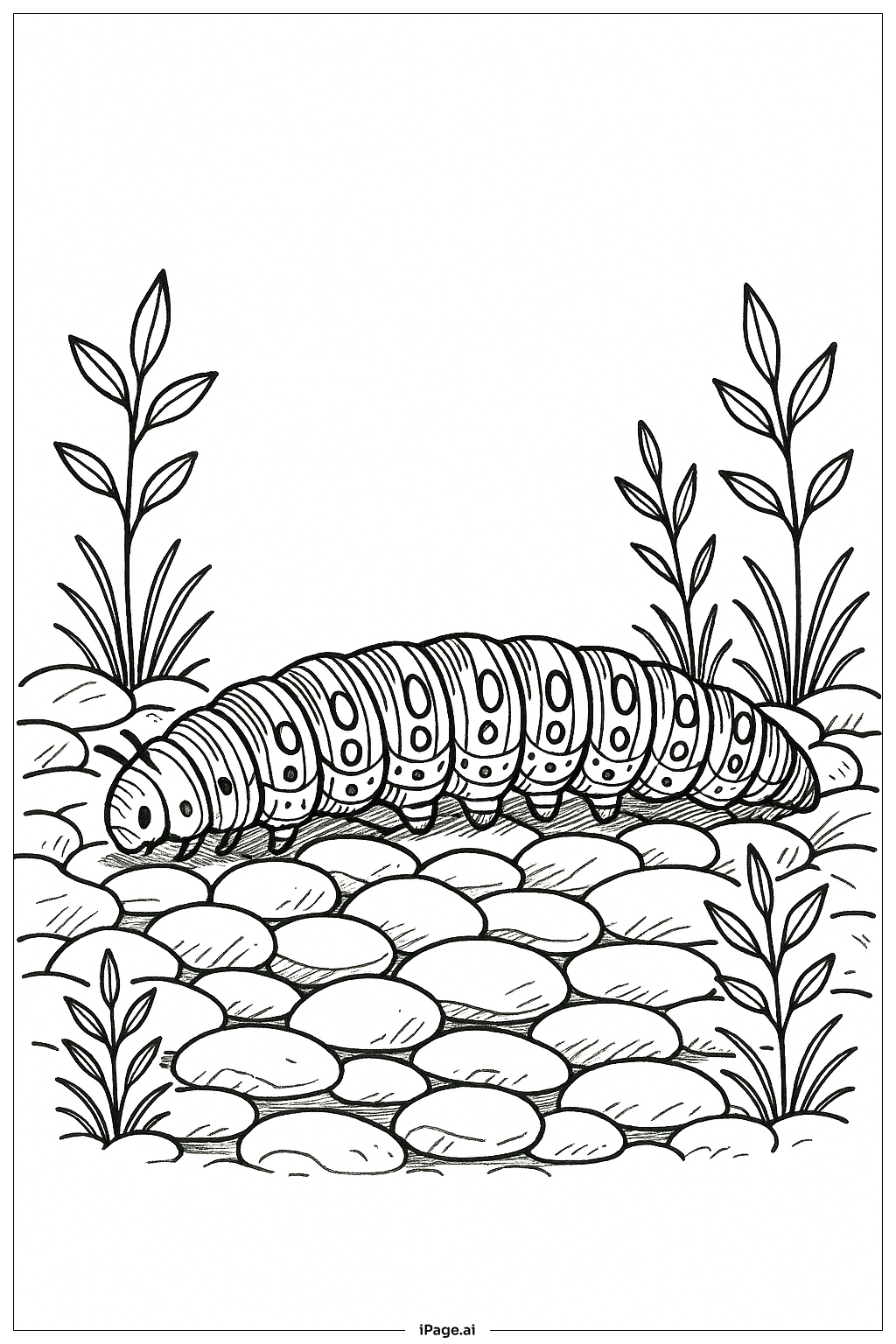
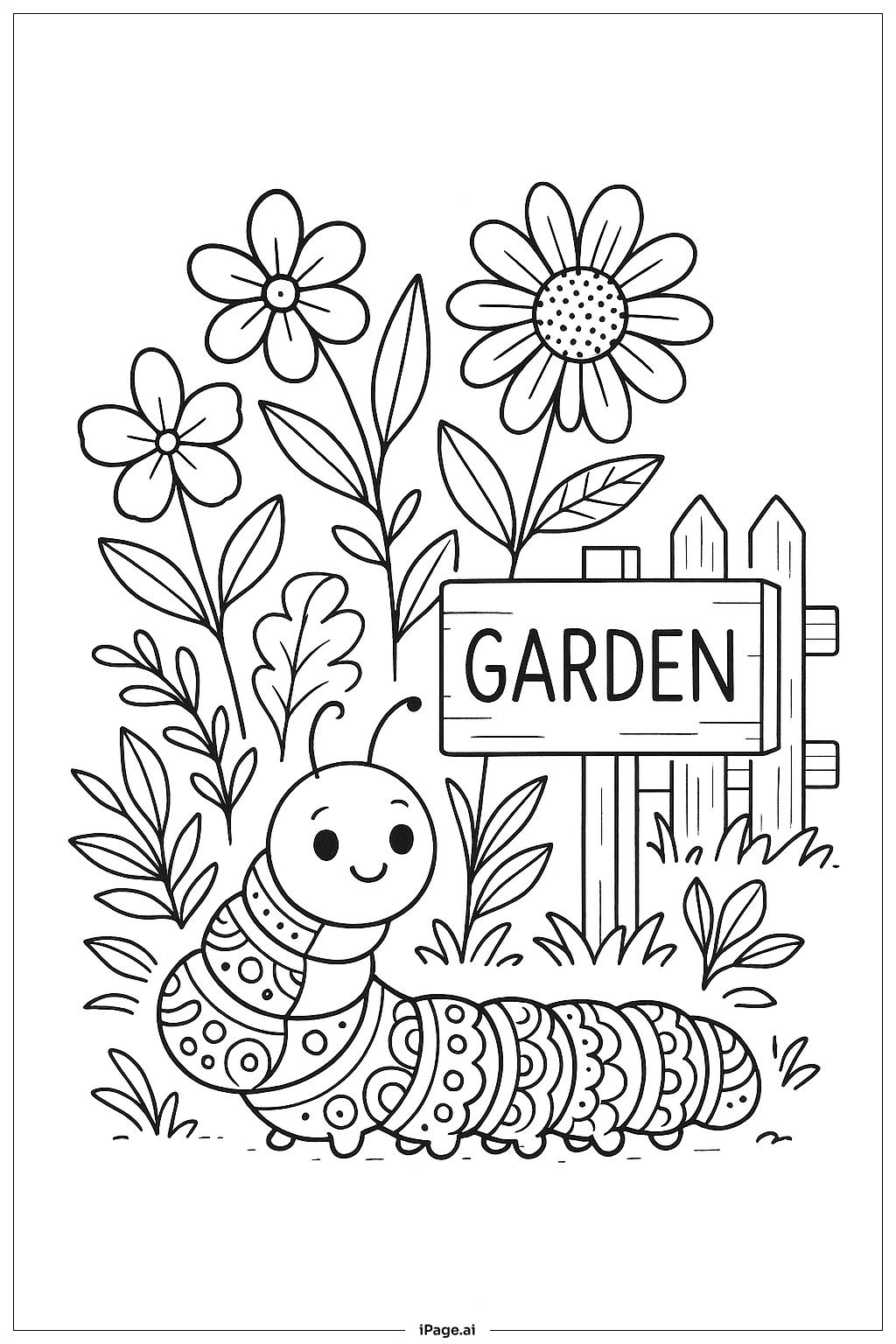
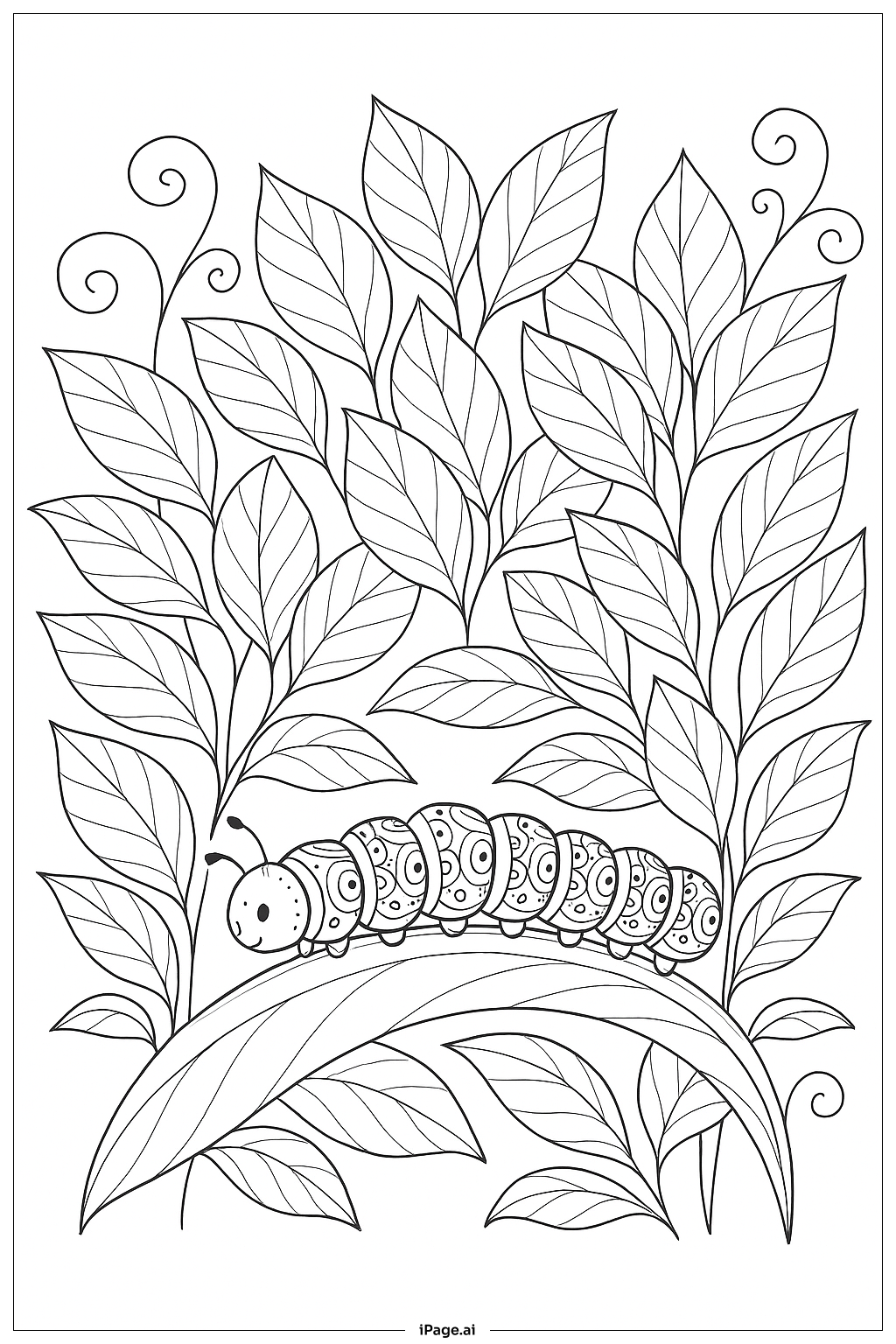
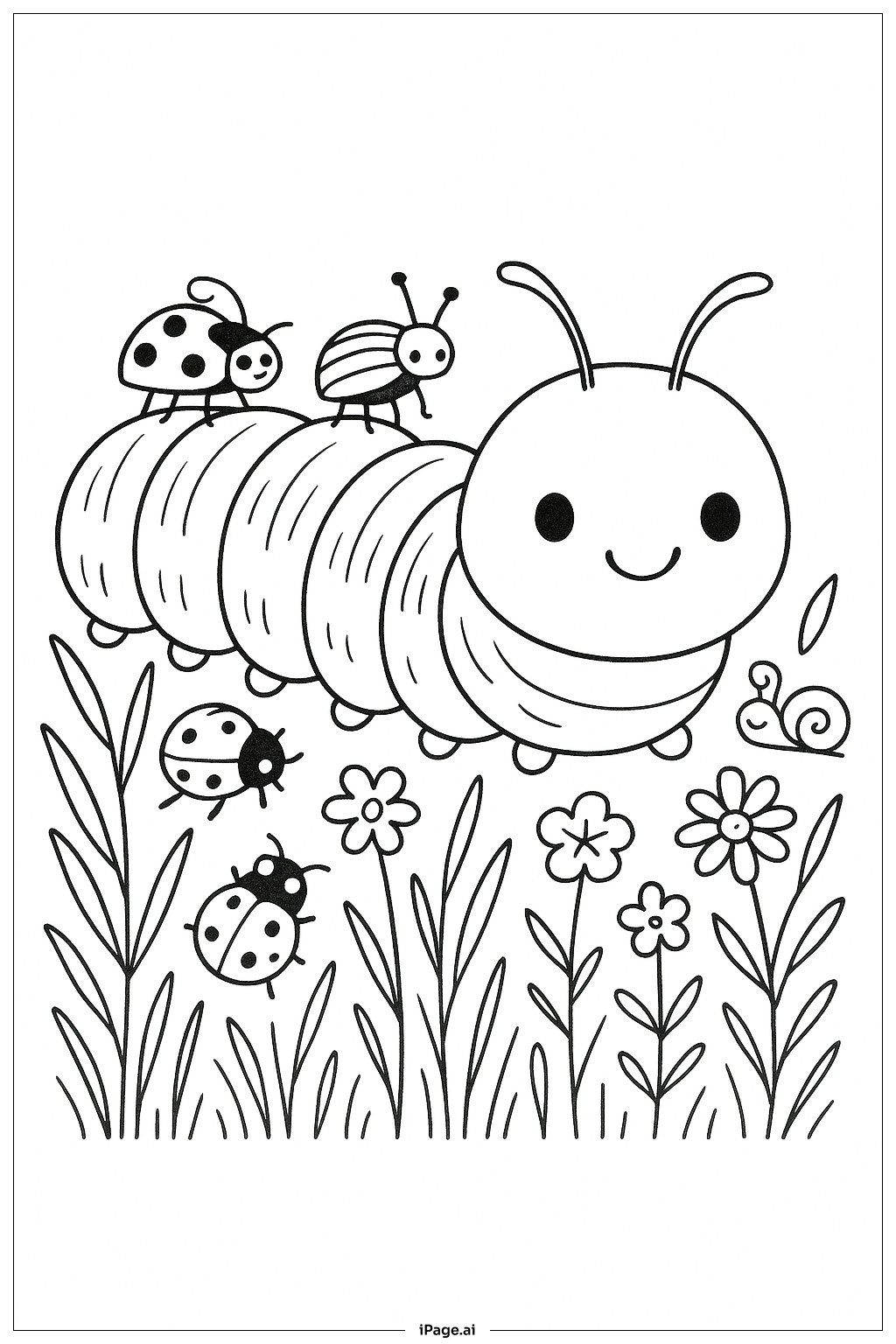
• Caterpillar Segments: The caterpillar's body consists of multiple rounded segments that require careful color coordination. Maintaining consistent coloring across each segment while creating visual interest through patterns or alternating shades can be challenging, especially for younger children who may struggle with staying within the curved boundaries.
• Water Lily Pad Details: The large lily pad features intricate radiating lines and natural vein patterns that extend from the center outward. Coloring between these lines while maintaining even coverage requires patience and fine motor control. Deciding whether to color each section differently or create a gradient effect adds another layer of complexity.
• Overlapping Flower Petals: The water lily flowers have multiple layered petals that overlap one another, creating depth and dimension. Distinguishing between foreground and background petals and applying appropriate shading to show depth can be difficult. Each petal needs individual attention to create a realistic three-dimensional flower appearance.
• Water Texture and Ripples: Creating a convincing water effect requires understanding how to use color to show movement, reflection, and transparency. The small ripples and circular patterns in the water need subtle color variations to appear natural rather than flat, which requires blending skills and color theory knowledge that may challenge beginners.
Benefits of coloring books: Advantages of drawing Caterpillar On Water Lily coloring page
Coloring this caterpillar and water lily scene offers wonderful developmental benefits for children. The detailed segments of the caterpillar help develop fine motor skills and hand-eye coordination as children carefully color within the curved boundaries. The natural elements encourage learning about pond ecosystems, insect life cycles, and aquatic plants, sparking curiosity about nature and science. The repetitive patterns in the lily pad and flower petals provide calming, meditative coloring that reduces stress and promotes mindfulness. Children can explore color theory by experimenting with different shades of green, blue, and floral colors, understanding how colors interact and create mood. The cheerful caterpillar character adds an element of storytelling, encouraging imagination and creative thinking. This page also teaches patience and focus as children work through the various detailed elements, building confidence and a sense of accomplishment upon completion.