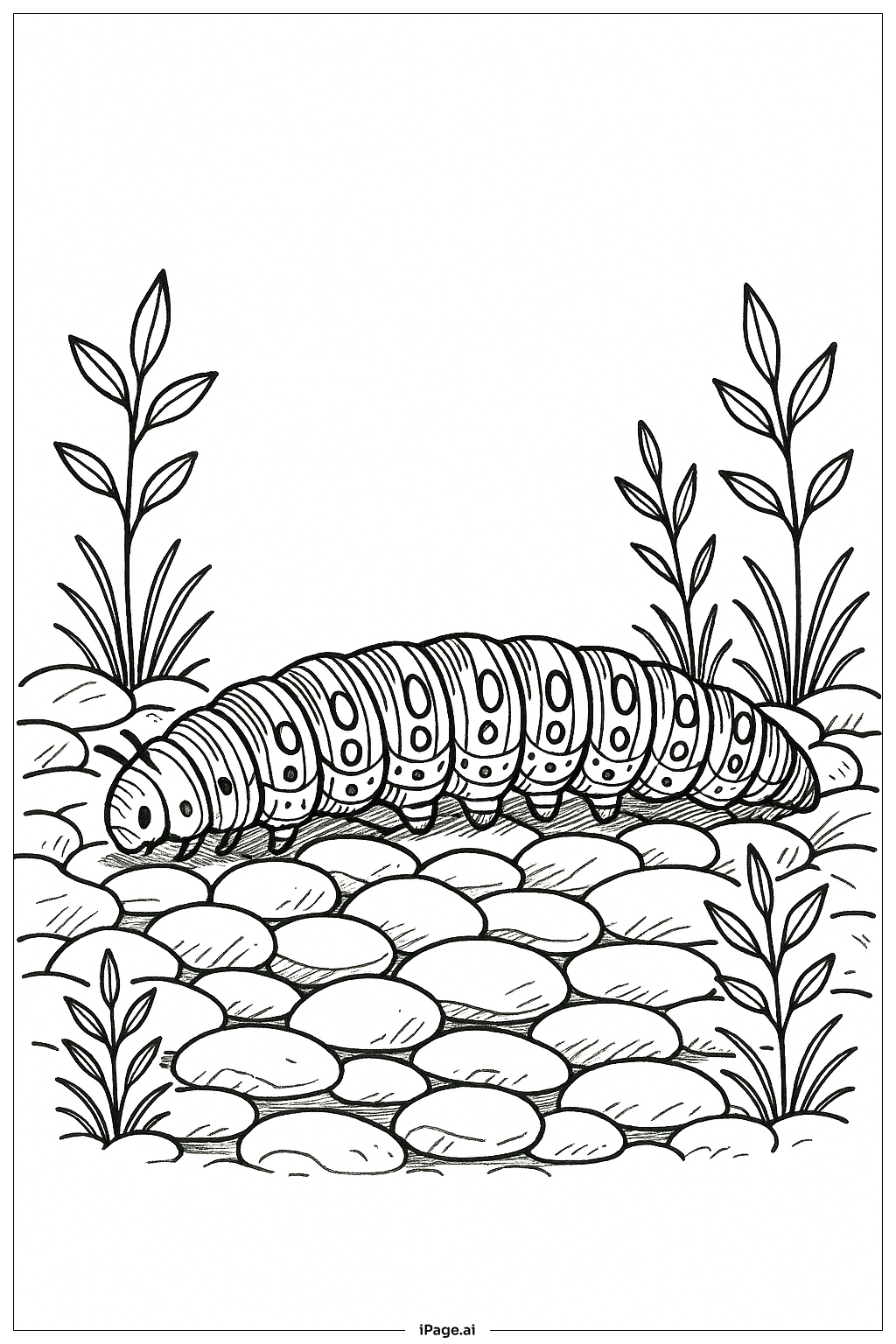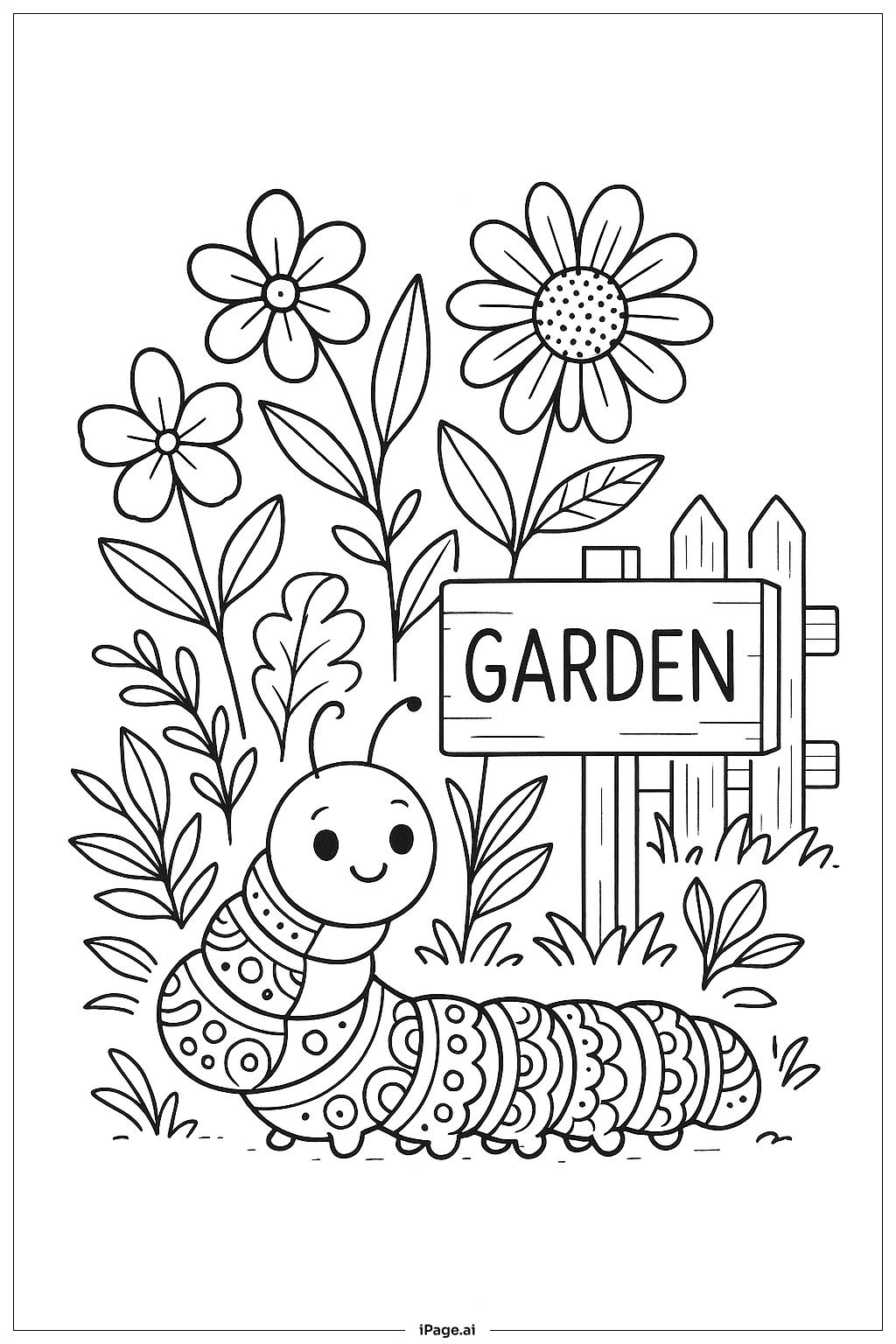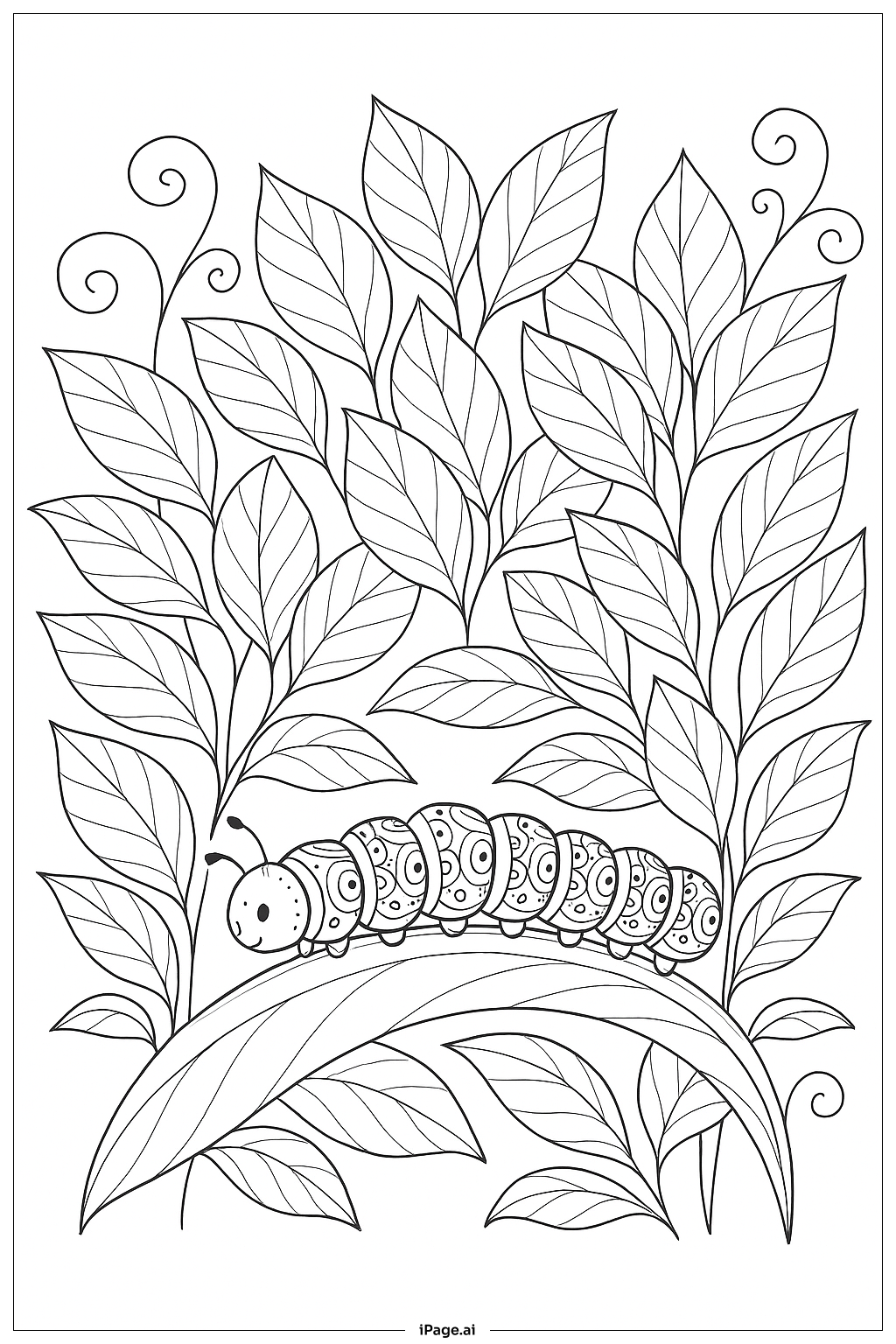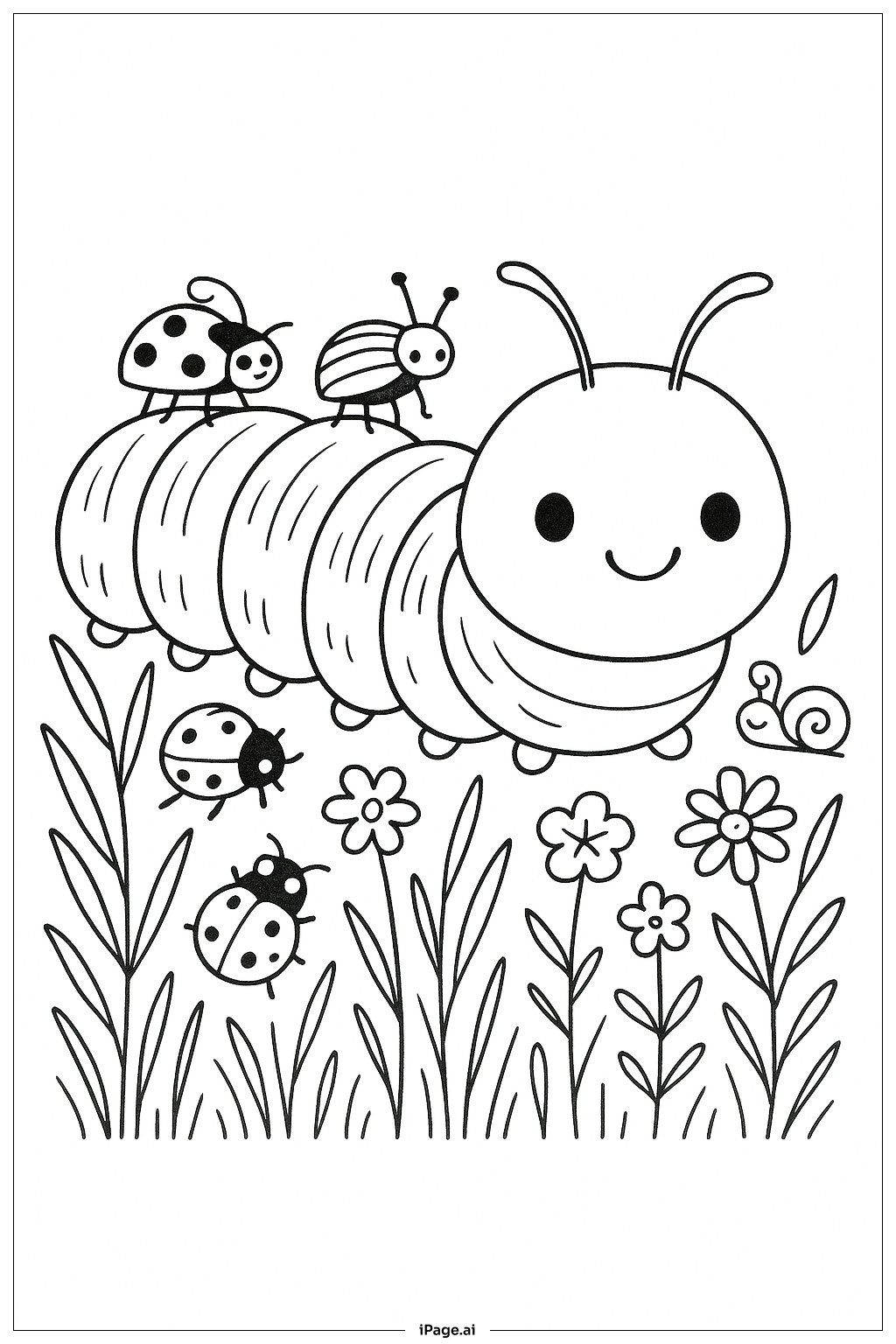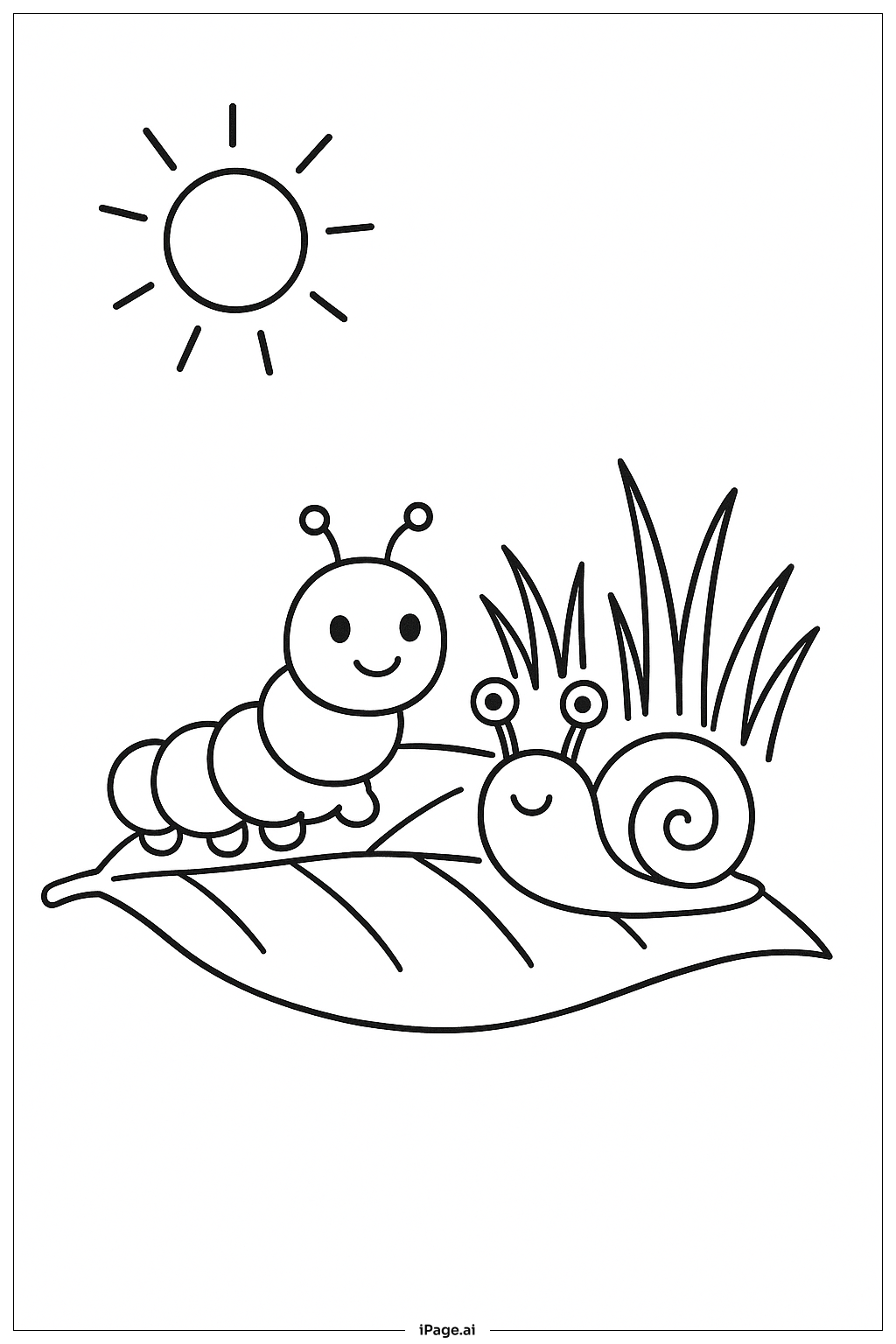
Coloring tips: How to color Caterpillar And Small Snail coloring page well?
You can use bright and cheerful colors for this picture. Color the caterpillar in shades of green or yellow to make it stand out. The snail’s shell can be colored in brown, orange, or even pastel colors like pink or blue. For the leaf, use different greens to give it a natural look. The grass should be a darker green to add contrast. The sun can be colored bright yellow or golden. Try to color the eyes black and add a little white dot for the shiny effect. Use medium pressure with coloring tools to avoid colors bleeding outside the lines.
Coloring challenges: Which parts are difficult to color and need attention for Caterpillar And Small Snail coloring page?
1. Small Spaces: The caterpillar’s legs and the snail’s eye stalks are tiny, which can be hard to color carefully without going outside the lines.
2. Rounded Shapes: The body segments of the caterpillar and the snail’s spiral shell need smooth, even coloring to look good.
3. Layering Colors: Making the leaf and grass look natural may require layering different shades of green.
4. Staying inside Lines: The close shapes, like the caterpillar and snail next to each other, require careful coloring to not mix colors.
5. Consistency: Keeping the colors even in big areas like the leaf and sun requires patience to avoid streaks.
Benefits of coloring books: Advantages of drawing Caterpillar And Small Snail coloring page
Coloring this picture can help improve hand-eye coordination and fine motor skills, especially when coloring small details like the caterpillar’s legs or the snail’s eyes. It encourages creativity by letting you choose different colors for each part. Coloring the natural setting with the sun, leaf, and grass helps children learn about nature and the environment. It also promotes concentration and focus as kids try to stay within the lines and add colors evenly. Finally, it’s a fun activity that can boost mood and reduce stress.